The Most Detailed Buyer’s Guide to Hybrid Solar Solutions to 2025

Hybrid solar solutions offer predictable savings, long-term value, and energy independence. For most clients we work with, we see a return on investment in under four years, with significantly lower electricity costs, allowing you to reap the benefits of renewable energy quickly. PowerDream’s hybrid solar solutions include a comprehensive warranty package to protect your investment, with an expected lifespan of over 25 years. Furthermore, these systems are delivered ready for installation. Each hybrid solar system is plug-and-play, allowing safe and easy connection to your home’s main AC distribution panel. Whether your local grid uses 230V or 120/240V split-phase power, PowerDream’s hybrid solar solutions are globally compatible.

Hybrid Solar Solutions: How Resilience Leads to Higher Efficiency

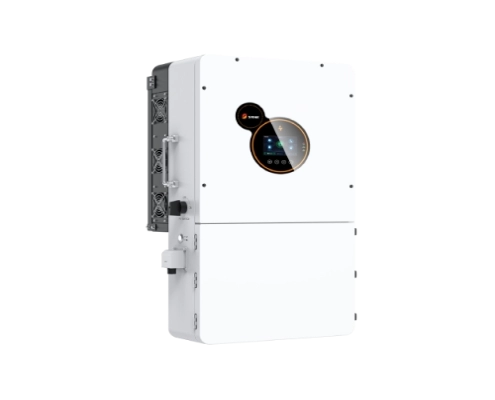
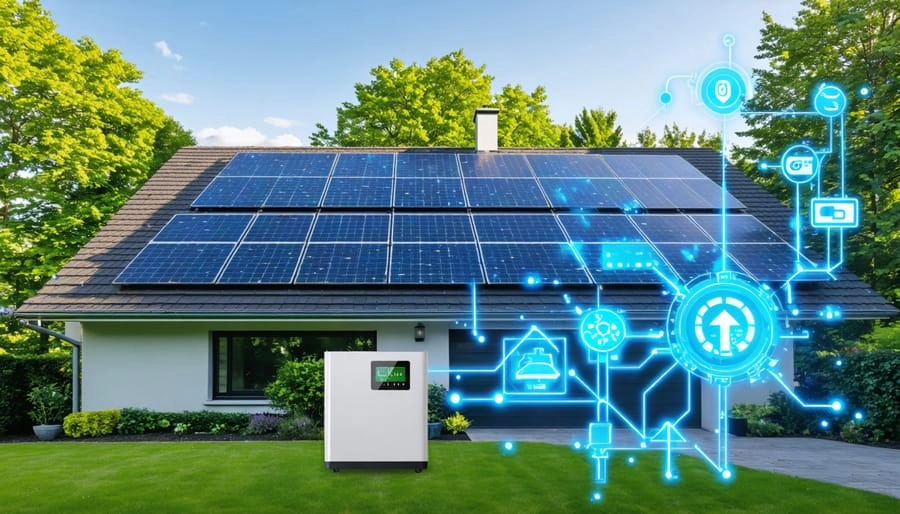
At the heart of a hybrid solar solution lies a comprehensive architecture. At the heart of every hybrid solar system is a photovoltaic array, which collects sunlight and generates direct current (DC) electricity. This DC feeds a hybrid inverter, which simultaneously manages PV conversion, battery charging, and AC loads. This integrated approach reduces conversion losses and improves system efficiency compared to using separate, discrete components.

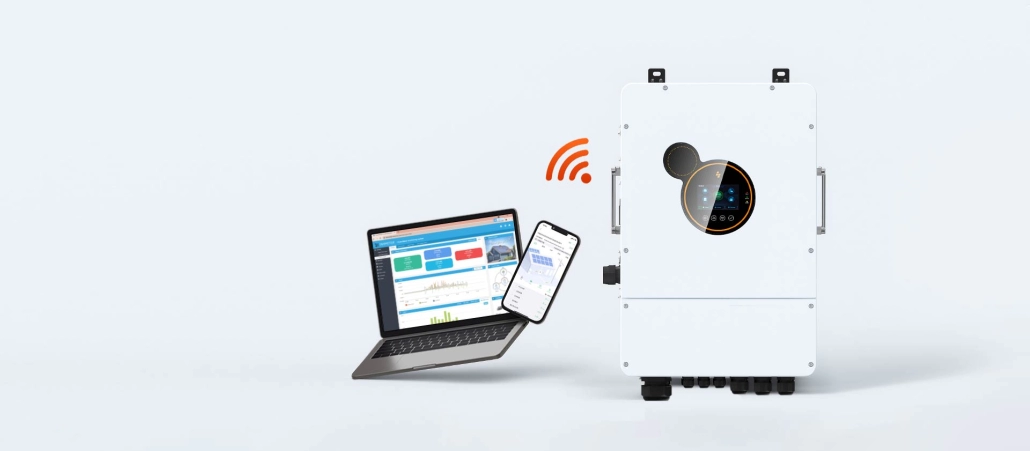
Furthermore, intelligent energy management software optimizes when to store, consume, or export energy based on time-of-use rates, battery state of charge, and household needs. This allows you to save even more when electricity prices spike and your energy storage replaces expensive grid power. Because the PowerDream hybrid inverter and battery management system are designed to work together, the system seamlessly coordinates under various conditions to ensure critical circuits remain powered.

Determining and Planning a Hybrid Residential PV System

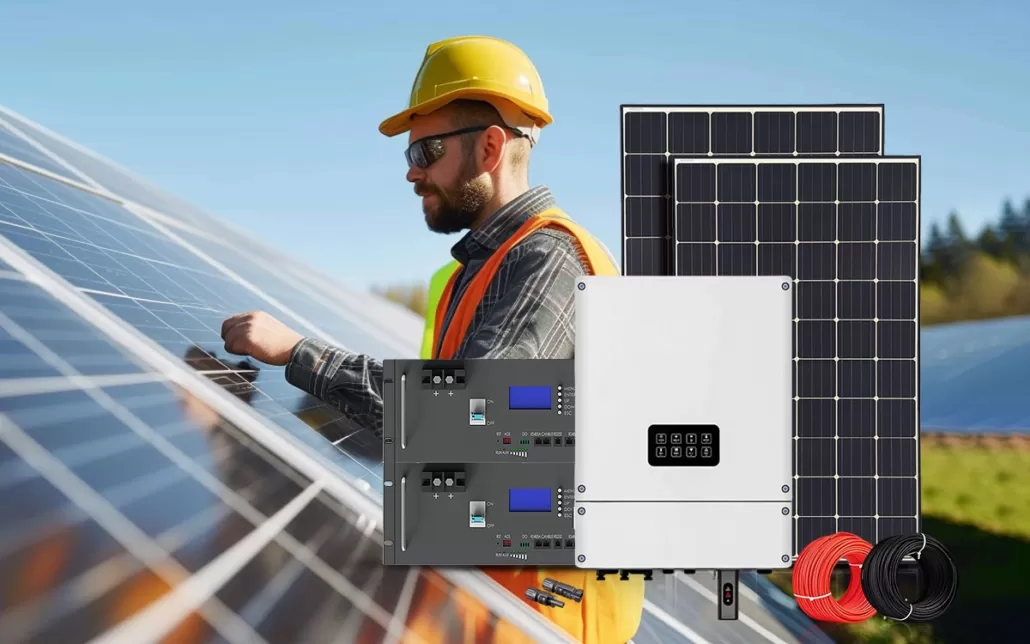
With hybrid solar solutions, the right size determines whether a hybrid solar system meets your goals. First, analyze recent utility bills to determine daily electricity usage and peak demand. Next, assess rooftop orientation, shading, and available area to estimate realistic PV output. For many American households, a system that offsets 60% to 100% of their annual electricity use strikes a balance between costs and benefits.

The PowerDream system’s modular design allows you to start with a basic configuration and expand as your needs or budget change. During planning, we select the appropriate battery capacity based on backup goals. Smaller batteries (5-10 kWh) are typically used to power baseloads during short outages, while larger batteries (10-20 kWh and above) support more extended periods of autonomy or whole-house power. In short, careful planning before finalizing a hybrid solar system ensures your hybrid solar solution is cost-effective and compliant.
Determining and Planning a Hybrid Residential PV System

Installation, Assembly, and Site Preparation

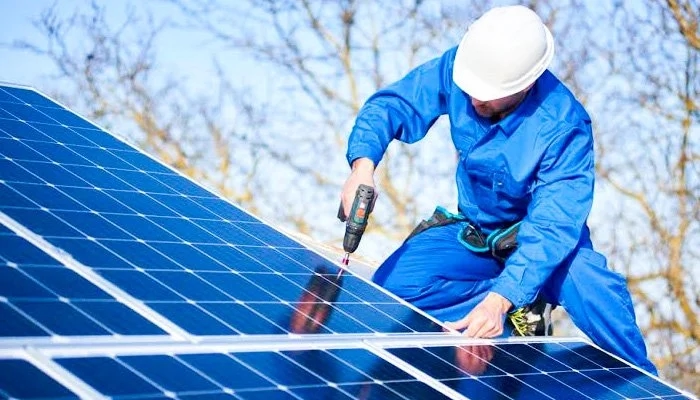
Installation quality is just as important as component selection. PowerDream’s hybrid solar systems utilize an all-aluminum solar racking system that is durable, corrosion-resistant, and compatible with nearly all roof types. Thanks to standardized mounting hardware with rails and clamps, installers can quickly and safely achieve consistent, waterproof connections.

This plug-and-play system simplifies on-site wiring. Furthermore, PowerDream’s hybrid inverters are pre-configured for standard grid voltages (230V or 120/240V), and labeled connectors simplify AC and DC termination. During installation, our technicians inspect the roof’s integrity and assess wind and snow loads by local codes. Post-installation, commissioning confirms PV output, inverter settings, and battery health. Finally, because PowerDream supports remote commissioning and monitoring, installers can verify system performance and deliver complete documentation.
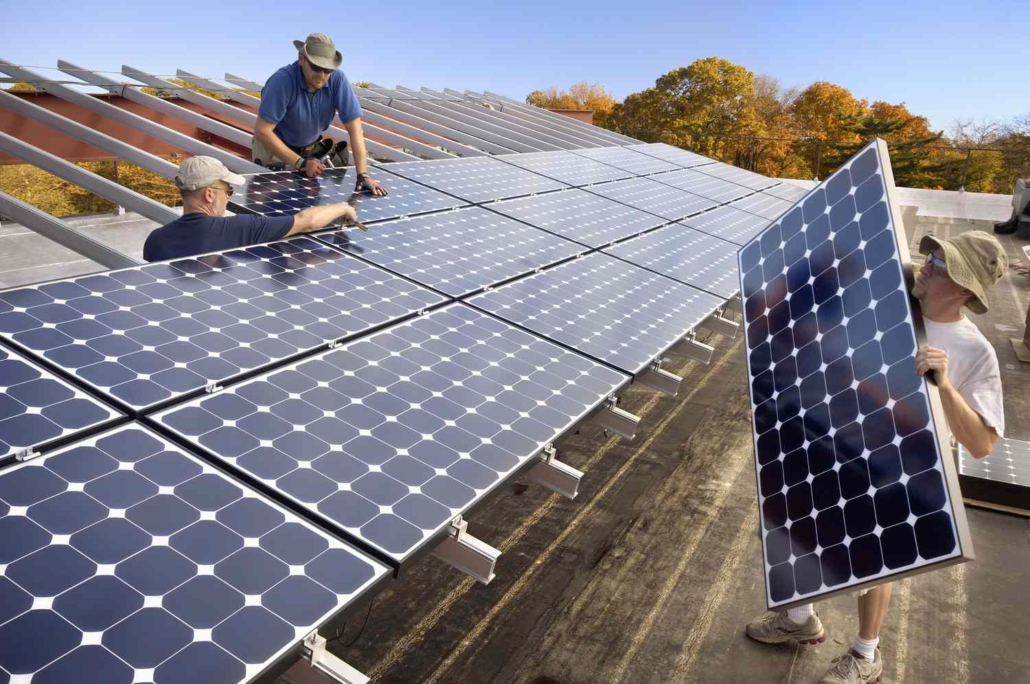
Hybrid solar system installation, assembly and site preparation

Ensuring a Longer Lifecycle for Hybrid Solar Solutions

Hybrid solar systems can last for decades if proactively maintained. Regular inspections, cleaning the PV glass, checking mounting fasteners, and verifying inverter ventilation ensure system performance close to nameplate ratings. Batteries require regular monitoring of their health, but the lithium-ion batteries used in PowerDream installations are generally low-maintenance.

PowerDream offers an explicit warranty covering the PV panels, inverter, and battery pack in its hybrid solar solutions. Most of our customers see a return on their investment within four years, thanks to lower electricity costs, incentives, and the avoidance of peak rates. Over a 25-year lifespan, the accumulated savings often multiply the initial investment, especially with time-of-use rates and robust net metering or export credits. Strict maintenance practices coupled with a firm warranty policy preserve the system’s value and maximize the return on investment (ROI) for hybrid solar systems.

Enjoy a Better Clean Energy Future

As an experienced solar system provider with comprehensive specifications and strong after-sales support, PowerDream offers carefully designed hardware, tested components, and consistent quality in our hybrid solar solutions. We offer hybrid solar solutions with modular expansion, firmware upgrades, and open communication protocols. This allows you to add more PV systems, larger batteries, or smart home integration as technology and energy needs evolve. This offers a more sustainable energy future and a higher return on investment for those who opt for this solution.

Frequently Asked Questions (FAQs) about Hybrid Solar Solutions

Q1. What is the difference between a hybrid solar system and a traditional grid-tied system?
A1: A hybrid system includes batteries and a hybrid inverter to manage PV generation, energy storage, and AC loads. A grid-tied system without a battery can import or export power but cannot provide backup power during a power outage.

Q2. How long does it take to see a return on investment with a PowerDream hybrid solar solution?
A2: Most customers see a return on investment in less than four years, depending on local electricity prices, incentives, and system size. Over the course of 25 years, the cumulative savings can be substantial.

Q3. Can the PowerDream system be installed on any type of roof and in any country?
A3: Yes. The all-aluminum mounting system is compatible with most roof types, and the PowerDream inverter supports both 230V and 120/240V grid voltages, making it suitable for many international installations.

Q4. What warranty and support are included with the hybrid solar solution?
A4: PowerDream offers a comprehensive warranty covering the modules, inverter, and battery.
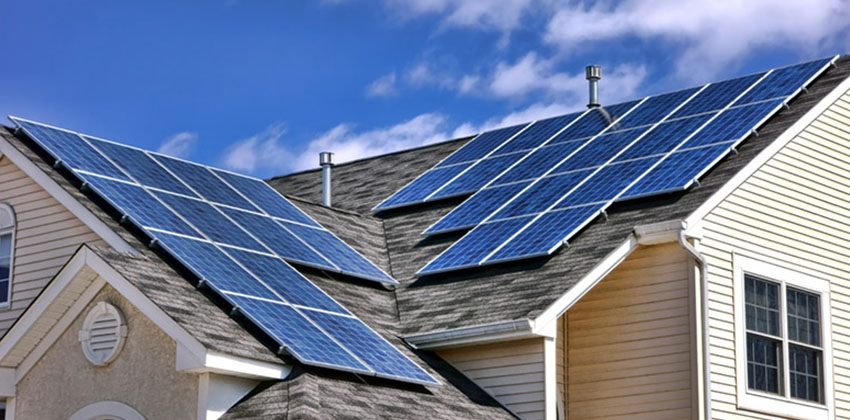
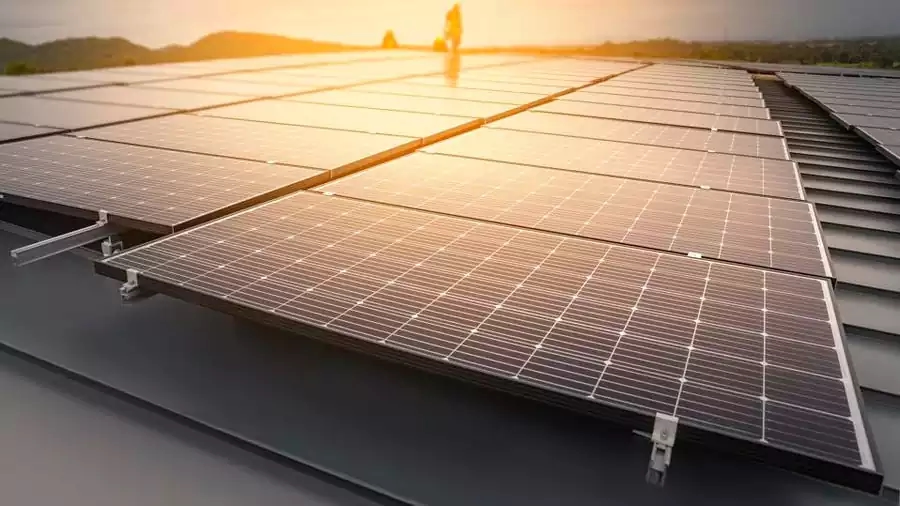
How to choose the right monocrystalline solar panels for your home?

How do I choose the right monocrystalline solar panels for my home? Choosing the right monocrystalline solar panels is crucial for homeowners seeking reliable electricity, optimal return on investment, and a durable roof. This requires balancing efficiency, actual performance in local climate conditions, mechanical durability, system architecture, aesthetics, cost, and product warranty and support. Carefully selected solar panels can lower your electricity bill, maximize power generation from limited roof space, and enhance the appearance of your home.

Determining the Efficiency and Power Rating of Monocrystalline Solar Panels

When roof space is limited, efficiency is the most important technical parameter. Monocrystalline solar panels are widely used in homes due to their higher cell efficiency than other mainstream technologies. Typical high-efficiency monocrystalline solar panels have an efficiency range of approximately 10% to 20%. Simply put, higher-efficiency panels generate more electricity per square foot, thus producing more energy from the same roof area.

First, estimate your available unobstructed roof area and your annual electricity consumption. If your roof area is limited, prioritize solar panels with the highest efficiency rating. Second, compare rated power ratings. A 370-watt, high-efficiency monocrystalline silicon solar panel occupies less space than a 310-watt panel of the same power, which is important when fitting solar panels around vents and skylights. Efficiency is crucial when roof space is limited. If your roof is vast, you can use lower-efficiency panels. However, most homeowners will benefit from the space savings and long-term performance of high-efficiency monocrystalline solar panels.

Determining the Efficiency and Power Rating of Monocrystalline Solar Panels

Temperature Coefficient and Real-World Thermal Performance of Monocrystalline Solar Panels

Solar panels perform differently in real-world conditions than the perfect laboratory values on the datasheet. Monocrystalline solar panel performance changes as cell temperature rises; the lower the temperature coefficient, the less energy the panel loses to heat. Therefore, check the Pmax temperature coefficient on the datasheet. High-quality monocrystalline modules have a Pmax temperature coefficient of approximately -0.30%/°C to -0.35%/°C, and premium modules may have higher Pmax temperature coefficients.

Then estimate the average operating temperature for your roof area. Multiply the temperature coefficient by any temperature rise above 25°C to predict the drop in actual output power. Consider installation and airflow. Raised and well-ventilated mounting rails can lower operating temperatures and help reduce heat loss. Furthermore, white or reflective roofing beneath the mounts can reduce heat soak compared to dark shingles. In short, if you live in a hot region, choose monocrystalline panels with a more favorable (less negative) temperature coefficient.

Temperature Coefficient and Real-World Thermal Performance of Monocrystalline Solar Panels

Evaluate degradation, performance, and reliability.

Long-term performance is more important than short-term price. Monocrystalline solar panel typically come with a performance guarantee, which guarantees a certain percentage of the rated capacity over 25 years. However, it is still important to evaluate the annual degradation rate and the terms of the written warranty. Most modern monocrystalline solar panels have a degradation rate of approximately 0.3% to 0.8% per year, while many high-quality panels have a degradation rate of approximately 0.25% to 0.50% per year. A lower degradation rate results in a higher energy yield over the system’s lifetime.

Warranty terms. A typical warranty guarantees approximately 80-87.5% of the rated output after 25 years. A more stringent warranty might guarantee 92% output after 10 years and 82% output after 25 years. Some quality monocrystalline solar panels can typically generate electricity for 25-30 years with proper maintenance. Therefore, when selecting solar panels, prioritize monocrystalline solar panel manufacturers that offer competitive guaranteed output retention and transparency degradation indicators.

Mechanical Durability, Certifications, and Environmental Resistance

Depending on the region and environment, your solar panels may be subjected to wind, snow, hail, and coastal salt spray. Monocrystalline solar panels vary in frame strength, glass quality, junction box protection, and certifications. These characteristics determine how well the solar panel withstands real-world stresses and reduces the risk of premature failure.

Check the datasheet for wind and snow load ratings. The higher the rating, the thicker the frame and the more robust the cell/glass connection. Also, ensure that the product complies with IEC 61215, IEC 61730, UL 61730, or UL 1703, as well as any applicable local certifications. Testing for PID, salt spray, and ammonia resistance is also important in coastal or agricultural areas. Additionally, tempered low-iron glass, a sturdy anodized frame, and an IP-rated junction box (e.g., IP65/68) can extend the lifespan. In short, choose a monocrystalline solar panel that is mechanically strong and meets the environmental certifications required for your region.

Aesthetics, Size, and Roof Compatibility

Most homeowners are concerned not only with the performance of their solar panels, but also with their appearance. Monocrystalline solar panels are available in a variety of finishes, including black panels, framed/frameless, and various cell patterns (full-cut, half-cut, or shingled), all of which impact both appeal and performance.

A black frame, black backsheet, and black cells create a uniform, understated look preferred by many homeowners. A silver frame can contrast with dark shingles. Panel sizes and weights also vary. You need to ensure that the roof structure can support the weight of the panels and mountings, especially on older roofs. Half-cut and shingled cell designs offer improved shade tolerance and slightly reduced resistive losses. They generally offer better low-light performance and reduce the risk of hot spots. If aesthetics are key, shingled panels offer a modern, mosaic-like visual pattern. Low-profile brackets and flush mounting can reduce wind lift and improve appearance. Standing seam metal roofs require clamps. Asphalt shingle roofs require flashing for waterproofing.

Aesthetics, Size, and Roof Compatibility

Choosing the Right Solar Panel

Selecting the right monocrystalline solar panel requires a comprehensive consideration of efficiency, actual performance in local climate conditions, long-term warranty and performance degradation, mechanical durability, aesthetics, and total cost of ownership. Contact us for a quick on-site assessment and a customized solar panel and inverter solution based on your roof layout and energy goals.

Related FAQs

1. Are monocrystalline solar panels better than multicrystalline for my home?
Generally speaking, monocrystalline panels are more efficient and space-efficient, making them a better fit for most residential rooftops.

2. How do I choose between string inverters and microinverters for monocrystalline solar panels?
If your roof has shade, multiple orientations, or complex geometry, a microinverter or optimizer will generally produce more energy. For simple, uniformly oriented roofs, a string inverter generally offers the best price/performance ratio.

3. How will hot summer temperatures affect my solar panel selection?
If you live in a hot climate, consider monocrystalline solar panels with a lower temperature coefficient (less negative).

4. Can I buy a complete solar panel kit that includes monocrystalline panels and all required components?
Yes, our solar system solutions offer pre-configured solar panel kits that include panels, an inverter, mounting, and wiring.

What features do professional-grade solar security camera have?

A professional-grade solar security camera must integrate sophisticated optics, a reliable power source, intelligent sensors, and rugged hardware to protect assets day and night with minimal maintenance. It allows you to survey vast areas and check for license plates, faces, or package deliveries while maintaining situational awareness. The Power Dream solar security camera embodies these principles. Its dual-lens optical layout and active illumination deliver vivid HD colour images in low-light conditions and sharp black-and-white infrared images when needed. It also integrates PIR human detection and visible red/blue light warnings to deter intruders and reduce false alarms. Furthermore, two-way audio enables field personnel or homeowners to communicate through the camera. At the same time, an IP65 rating ensures it is waterproof, dustproof, and resistant to sunlight, making it suitable for outdoor deployment.

Using a dual-lens design in a solar security camera

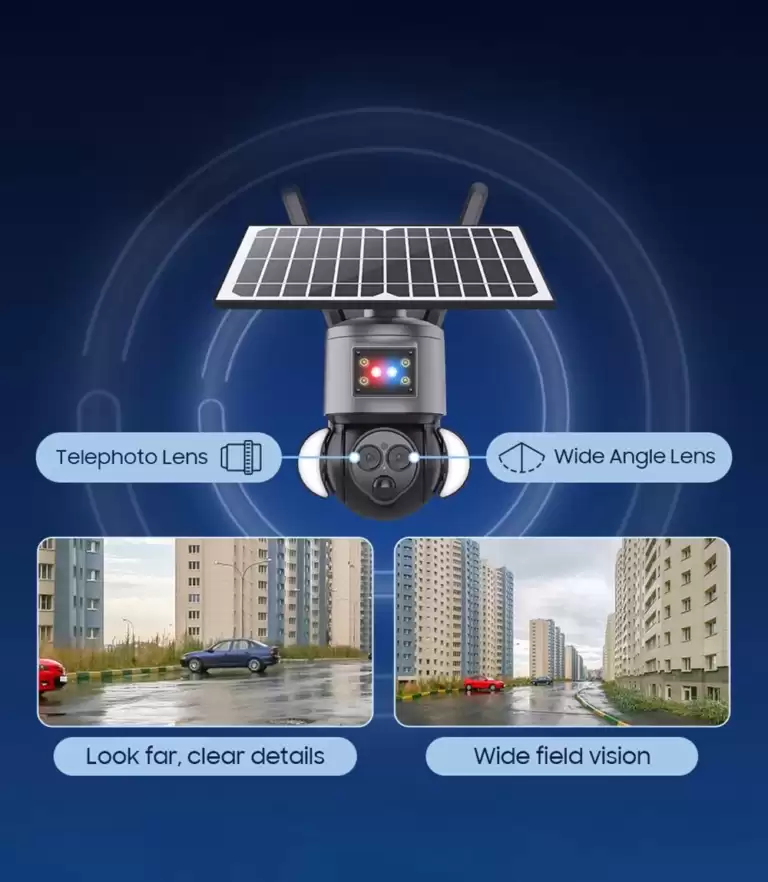
A professional solar security camera typically features a dual-lens system, striking a balance between coverage and resolution. The ultra-wide-angle lens captures the scene’s context, including the approach, perimeter, and multiple points of interest. In contrast, the telephoto lens offers optical zoom, allowing for the capture of details on faces, license plates, or ID cards. Optical zoom maintains image quality, which is crucial when providing admissible evidence in investigations or insurance claims.

Furthermore, Power Dream’s solar security cameras combine an optical system with active lighting, utilising eight infrared LEDs for discreet, long-range black-and-white imaging and four white LEDs, along with two floodlights, for colour night vision. Intelligent control of the floodlights enables them to be turned on or off in response to motion, thereby avoiding light pollution and providing clear, colour-accurate images, which simplifies identification. This results in a solar-powered security camera with true optical zoom, balanced wide-angle coverage, and intelligent lighting modes.

Dual-lens Design

Ensure continuous operation of solar-powered security cameras.

Professional solar security cameras pair a high-efficiency camera with a solar panel, charge controller, and energy buffer. The size should be determined based on the site’s sunlight exposure and the camera’s power consumption. The user’s requirement is “connect it to a solar panel for uninterrupted power 24/7.” This is achievable if we correctly specify the panels, angle, and energy management. In practice, our installers will calculate the panel power and battery capacity based on the location, seasonal sunlight variations, and camera functionality. Well-designed solar-powered security cameras also feature power-saving modes, efficient LED lighting, and smart charging to extend battery life. During installation, we typically provide site sizing tools and verify expected uptime based on local irradiance data.

Intelligent Detection, Alerts, and False Alarm Reduction

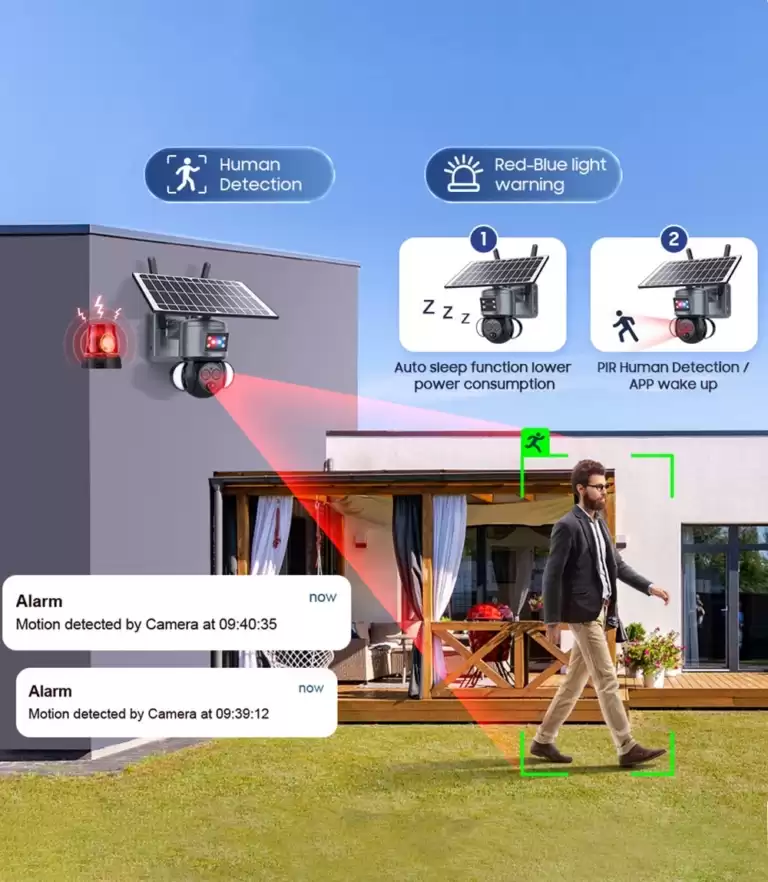
A professional surveillance system encompasses more than just cameras and power supplies; it is an event management platform capable of identifying real threats and filtering out noise. Therefore, we have incorporated PIR human detection into our solar-powered security cameras, enabling them to respond to both body temperature and motion, significantly reducing alerts caused by branches, shadows, or small animals. The Power Dream’s PIR functionality, combined with video analytics, can distinguish between human silhouettes and other motion signatures, improving alert fidelity.

Layered intelligence encompasses boundary crossing detection, intrusion detection, object left/removed detection, and, where permitted by privacy regulations and processing power, facial or vehicle classification. Intelligent lighting and red/blue light warnings serve as both detection and deterrents: when the camera confirms the presence of a person, lighting and visible warnings deter wrongdoing while producing clearer video.

PIR Human Detection &Red-Blue light warning

Mechanical Controls, Installation, and Environmental Adaptability

Mechanical design impacts coverage, durability, and lifespan. Compared to fixed lenses, pan/tilt control expands the camera’s effective field of view. Power Dream surveillance cameras offer app-adjustable 35° horizontal and 90° vertical scanning, providing robust vertical scanning and moderate horizontal correction. This is useful for tracking tall objects, scanning doorways, and adjusting framing after installation. Furthermore, the IP65 rating ensures the camera is effectively waterproof and dustproof. During installation, the installer determines the appropriate height, tilt, and solar panel orientation and conducts a site survey to verify sun angle, light pole position, and line of sight.

Keep your home safe and secure.

Professional-grade solar security cameras combine specialised optics, a highly resilient power system, intelligent analytics, and a reinforced mechanical and software design to provide reliable surveillance without the need for ongoing maintenance. Power Dream’s solar-powered security cameras feature a dual-lens design that balances panoramic views with detailed footage. Active illumination and a combined infrared/white light LED array deliver clear, actionable images day and night. Furthermore, PIR human detection, red/blue warning lights, and app-controlled pan/tilt functionality make the system proactive rather than reactive. Built-in two-way audio supports real-time communication, and the IP65 rating ensures the device can withstand harsh outdoor environments.

Detailed product: https://homesolar.cn/product/solar-cctv/

How to determine the corresponding configuration before purchasing solar energy street light?

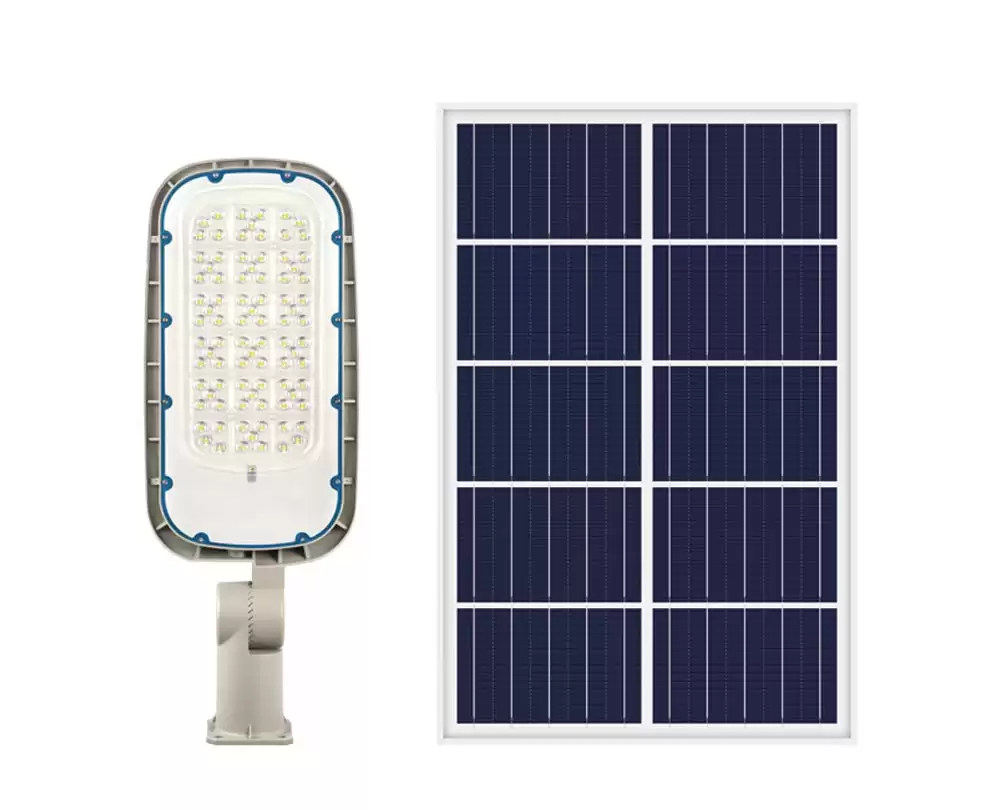
Before purchasing a solar energy street light, it’s important to understand the basic lighting conditions in your area. For example, a north-facing suburban area located at 45° north latitude experiences an average of 2.8-3.4 hours of peak sunshine in winter, while a site situated at 15° north latitude experiences an average of 5-6 hours of peak sunshine year-round. These figures influence the size of your PV array, the required battery capacity, and even the tilt and azimuth of the solar panels. Therefore, the first step in planning your solar street light purchase is to gather local site data. Next, align the climate benchmarks with your lighting specifications. This helps you determine the size of the solar panels, batteries, controller, and supporting hardware.

Site Assessment and Solar Resource Analysis for solar energy street light

First, determine the precise latitude and longitude of each solar energy street light pole location. This determines the annual solar altitude and the duration of daylight. Next, collect local meteorological data, including the monthly average global horizontal irradiance or peak sunshine hours, the monthly average temperature range, and the prevailing wind speed. You can obtain this data from national meteorological services, satellite solar radiation maps, or industry databases.

Why are these figures important? Because solar yield tells you how many hours of sunshine are needed, on average, to produce the equivalent of full sun. For example, a site with a solar yield of 4 means a 100-watt solar panel can generate the equivalent of 400 watt-hours of electricity per day under standard conditions. Next, document shading and orientation. Map any trees, buildings, or overhead obstructions that could cast shadows during peak sunlight hours. Even partial shading of a single string can significantly reduce output power. Finally, if the panels can receive reflected light, document the ground reflectivity.

Site Assessment and Solar Resource Analysis for Solar Street Lights

Determine the lighting requirements for a solar energy street light

First, determine whether you need lighting based on lux levels or lumen output. Target parameters include the average maintained illuminance required on the road surface, uniformity, pole spacing, and nightly operating hours. Select appropriate LED lumen output and efficacy. The current LED lumen output for solar street lights ranges from 120 to 180 lm/W, but actual luminaire efficacy depends on driver losses, the optical system, and environmental factors. A 30 W LED module, with a raw efficacy of approximately 130 lm/W, produces a raw luminous flux of roughly 3,900 lumens. Consider lumen maintenance: specify LEDs with good light decay characteristics.

Also, define nighttime operating modes: continuous full power, scheduled dimming, motion-triggered boost, or adaptive dimming based on battery status. Dimming strategies can significantly reduce energy consumption, thereby reducing demand on photovoltaics and batteries.

solar energy street light 2

Battery Sizing and Autonomy Considerations

After determining daily power requirements, adjust the battery capacity based on the desired endurance. Typical designs are designed for 2-3 days of continuous operation in urban areas and 4-7 days for remote areas or safety-critical applications.

Battery Sizing Process:

1. Determine average daily energy usage.

2. Multiply by the desired number of days of autonomy to determine the required energy reserve.

3. Apply the allowed DoD and battery temperature derating.

After sizing, pay attention to battery temperature. Battery capacity decreases at low temperatures, and cycle life is shortened at high temperatures. Temperature compensation should be provided, or lithium-iron-phosphate batteries should be used to achieve optimal battery performance over a wide temperature range. Finally, ensure that the charge controller supports the appropriate battery charging algorithm and includes a battery management system (BMS) for cell balancing and protection.

PV Array Sizing and Panel Configuration

PV system sizing converts energy requirements into panel area and power based on the local solar system power factor and system losses. A conservative energy balance approach can be used:

Required daily energy ÷ PSH = Required PV wattage before losses.

Then consider system losses: temperature, pollution, cabling, MPPT efficiency, mismatch, and tilt deviation. Industry practice generally uses a system efficiency factor of 0.7-0.8 (i.e., 20-30% losses), depending on local conditions. The panel tilt and azimuth should also be determined. For year-round performance, the tilt should be roughly equal to the latitude; in summer climates, the tilt can be lowered; for winter performance, the tilt can be increased.

Regarding panel orientation and series connection, consider the following points. For single-pole solar energy street light installations, monolithic panels are typically mounted at an optimized tilt. For urban lighting fixtures, low-profile frameless panels are integrated to reduce wind loads. Furthermore, for multi-panel arrays, the MPPT charge controller should support the selected array voltage and maximum power point. Finally, ensure that the PV array can charge the battery after periods of continuous overcast skies. To increase resilience, you can specify a larger variety or accept a lower level of autonomy.

PV Array Sizing and Panel Configuration

Holistic Design and Environmental Protection

Solar street light design ensures longevity in the field. Pole selection, mounting brackets, and enclosure engineering must comply with local regulations and environmental loads. Structurally, the solar street light pole strength and wind resistance rating must be determined, and the pole size should be able to withstand the local base wind speed and gusts. Furthermore, during installation, ensure the use of shock-absorbing brackets and fixing fasteners, as well as stainless steel fasteners and anti-seize compound to prevent wear and corrosion. Furthermore, the battery and electronics must be housed in an enclosure with good thermal management, adequate ventilation, and IP protection. Ensure an IP65/66 enclosure and powder-coated or hot-dip galvanized steel poles for enhanced corrosion resistance. For environmental protection, add lightning and surge protection to the PV input and DC distribution points. Use UV-resistant cable sheathing and portable connectors for outdoor use.

Choosing a Resilient Solar Lighting System

To determine the appropriate configuration for solar energy street lights, first gather site-specific data, including latitude and longitude, monthly peak power, temperature, and wind conditions. Convert your lighting needs into daily watt-hour loads. Then, choose the battery capacity based on the desired operating time. Also, size the PV array based on local isolation conditions to allow for battery charging while accounting for actual losses. This selection process can help you avoid system undersizing, reduce field failures, and ensure reliable and efficient lighting.

Hybrid inverters suitable for handling heavy machinery in factory environments

When handling heavy machinery, such as three-phase motors, these factories require reliable and scalable power systems to ensure smooth, uninterrupted production. As a hybrid solar inverter system integrator, we offer hybrid inverters specifically designed to meet these needs. The BHESP 3-8kW hybrid inverter provides industrial-grade power, making it ideal for environments requiring high power. This hybrid inverter offers scalability, with up to 48kW of power when six inverters are connected in parallel, surpassing single-phase inverters. Furthermore, with a 160% surge capacity (16kVA for the 8kW model), it can handle heavy machinery, including 6HP three-phase motors, making it a reliable inverter solution for factory environments.

Easy application of hybrid inverters in heavy machinery applications

The core strength of hybrid inverters lies in their ability to scale according to application needs. Power Dream’s BHESP 3-8kW hybrid inverter offers highly flexible scalability, allowing users to connect multiple devices in parallel. This scalability ensures that factories with growing energy demands can efficiently meet demand. When up to six devices are connected, the inverter’s total capacity reaches 48kW, providing ample power for large-scale operations. This is particularly important in factory environments, where heavy machinery requires significant power. Single-phase inverters simply cannot offer the same level of power flexibility and reliability. Hybrid inverter, with their paralleling capability, provide future-proof scalability, allowing users to easily upgrade inverters as energy demands grow without requiring major infrastructure modifications.

Hybrid inverters 1-1

Meeting the Needs of Industrial Motors

Heavy machinery in factory environments, especially industrial motors, requires inverters capable of handling high surge capacity. The BHESP 3-8kW hybrid inverter offers an exceptional 160% surge capacity, with the 8kW model boasting a surge capacity of up to 16kVA. This surge capacity is crucial for powering demanding equipment such as three-phase motors, which often experience short bursts of high power during startup or heavy-load operation. Without the right hybrid inverter, you may not operate the machinery optimally, or you may even damage it due to insufficient power delivery. The surge capacity of Power Dream’s hybrid inverter ensures machinery receives the necessary power during these high-demand moments, keeping factory operations running smoothly and without interruption. Whether starting large motors or handling sudden power spikes, hybrid inverters can easily handle these demands.

Durability and Weatherproofing of Hybrid Inverters

As a hybrid solar power inverter System integrator, we understand that some factory environments often expose equipment to harsh environments, including extreme temperatures, dust, and humidity. Traditional inverters can struggle in such conditions, leading to performance issues or failures. Our hybrid inverters, however, feature an IP65 protection rating to effectively withstand these harsh conditions, offering greater dust and water resistance than typical IP20-rated inverters. This robust design ensures reliable operation even in harsh conditions, including indoor and outdoor installations. They maintain stable performance in environments ranging from extremely cold (-25°C) to high temperatures in desert regions (+60°C). Their rugged, weatherproof design allows them to withstand the physical stresses of heavy machinery and maintain optimal performance over time.

Minimizing Noise in Industrial Environments

Noise pollution is a significant concern for our users in industrial settings due to excessive noise generated by equipment and machinery. Power Dream, a professional hybrid solar inverter system integrator, has designed the BHESP 3-8kW hybrid inverter to ensure quiet operation, with a noise level below 55dB. This feature is particularly beneficial in enclosed factory environments, where excessive noise can affect worker productivity and even violate workplace regulations. The hybrid solar inverter’s noise reduction is achieved through an integrated intelligent fan system and heat sink, which work together to maintain quiet operation while preventing overheating, creating a more comfortable working environment. This allows factory workers to complete their work without being disturbed by the constant hum of machinery.

Intelligent Derating Optimizes Performance in Real Time

The ability to adapt to varying operating conditions is a critical feature of any industrial power system. We have integrated an intelligent derating function into our hybrid solar inverter to optimize its performance in real time based on external environmental factors. For example, when the temperature exceeds a certain threshold, the inverter adjusts its output to prevent overheating and ensure continued operation. This intelligent derating feature enables the inverter to maintain stable performance under various conditions, preventing overload and potential damage. In industrial environments subject to significant temperature fluctuations or prolonged machine operation, this automatic adjustment capability, without manual intervention, ensures continuous and efficient power delivery. Intelligent derating helps extend the inverter’s lifespan, reduce the risk of system failure, and minimize long-term maintenance costs.

HESP-8-12kW_06

Ideal for the Heavy Industrial Equipment Industry

The BHESP 3-8kW hybrid inverter stands out for its scalability, high surge capacity, durability, and intelligent features, making it an ideal choice for industries that rely on heavy equipment. Its ability to handle complex, high-power systems while maintaining low noise levels and ensuring real-time performance optimization offers significant advantages over traditional hybrid solar inverters, meeting the demands of modern industrial environments with its comprehensive and reliable capabilities.

Why choose to buy and use our solar EV charger?

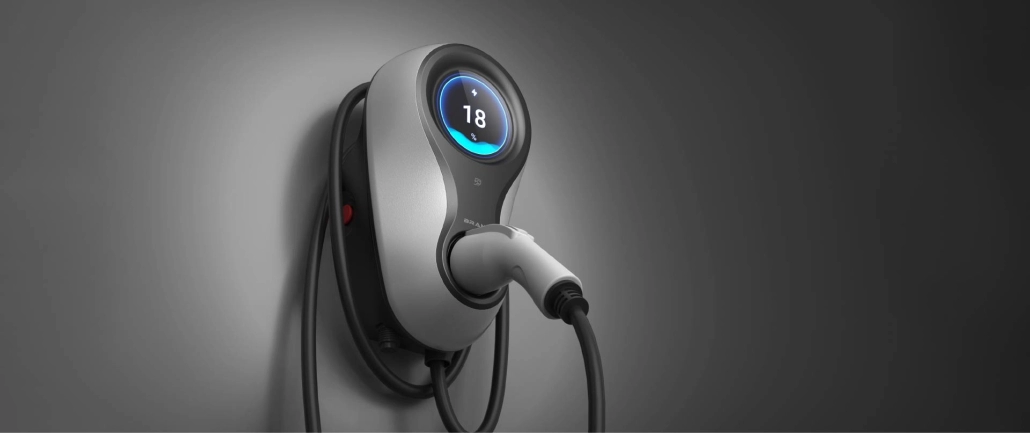
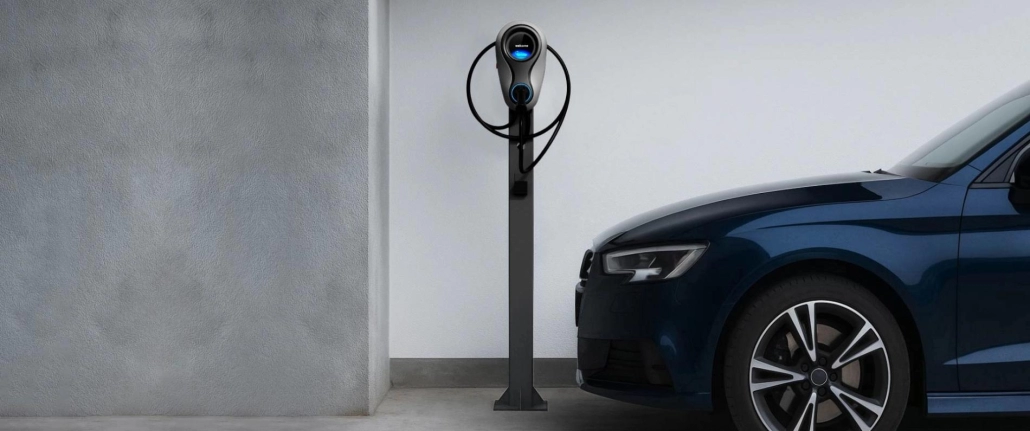
Why choose to buy and use our solar EV charger? The answer is simple: they deliver measurable performance, operational intelligence, and enterprise-grade security, while reducing energy costs and grid stress. Specifically, Power Dream’s solar EV chargers feature intelligent power management that automatically adjusts output power between 3.5 kW and 22 kW, as well as dynamic load balancing to prevent grid overload when charging multiple vehicles simultaneously. Furthermore, they utilize state-of-the-art GaN power modules, achieving conversion efficiencies up to 93%, and liquid-cooled cables to manage thermal stress and enable sustained high-power charging in a compact footprint. In short, our solar EV chargers are designed to be efficient, safe, resilient, and future-proof.

Why do our solar EV charger deliver more usable energy?

Performance starts with the most basic metric: the system delivers a certain number of kilowatt-hours to the EV battery for every kilowatt-hour of energy it draws from the sun or the grid. In our solar EV chargers, we maximize this metric by utilizing GaN power electronics and intelligent charge control technology, achieving conversion efficiencies of nearly 93% under real-world load conditions.

Power Dream’s chargers support continuous output adjustment from 3.5 kW to 22 kW, allowing them to adapt charging power to the vehicle’s charger and site constraints. This broad power range makes them suitable for single-family homes and commercial parking lots. Furthermore, our liquid-cooled cable technology addresses the practical limitations of high-power charging. By actively dissipating heat, liquid cooling enables longer charging times and higher charging currents without the thermal derating common with air-cooled systems.

Why do our solar EV charger deliver more usable energy

Solar EV Chargers Feature Grid-Friendly Design and Dynamic Load Balancing

When designing solar EV chargers, we consider the interests of both vehicle owners and the grid. Consequently, our EV chargers are designed around these dual requirements. Dynamic load balancing is its core feature: when multiple EVs are connected simultaneously, Power Dream’s EV chargers automatically distribute available station or feeder capacity among the vehicles, adjusting the output of each port so that the total production does not exceed the permitted limit. This prevents overloading of local feeders and avoids costly utility upgrades.

In addition to preventing overloads, our EV chargers also employ grid-friendly strategies, shortening the return on investment (ROI). Time-of-use (TOU) and demand pricing structures enable shifting energy consumption away from expensive peak periods, yielding tangible savings.

Security and Compliance Protect Payments, Data, and Access

Security is a key consideration for any electric vehicle infrastructure. Communications between the solar EV charger’s cloud and management platform utilize AES-256 encryption, protecting telemetry data and user credentials from interception. A PCI-PTS 3. x-certified HSM secures payment processing by isolating encryption keys from payment authorization workflows.

In terms of interoperability and fleet control, Power Dream currently supports OCPP 1.6J, enabling integration with third-party backend platforms, roaming networks, and payment gateways. Furthermore, the system’s architecture is backwards compatible with OCPP 2.0.1 features, and OTA updates ensure operators can adapt to new standards and features with minimal field intervention. Furthermore, the solar EV charger’s anti-theft and access control features are practical and robust, including RFID blocking cards and geo-fencing. These features work together to reduce unauthorized use and minimize the risk of energy theft.

Security and Compliance Protect Payments, Data, and Access

Reliability, Connectivity, and Zero-Downtime Operation

Operational downtime can damage trust and revenue. That’s why our solar EV charger emphasizes redundancy and edge resiliency. The devices support quad-network redundancy, featuring Ethernet, 5G cellular, Wi-Fi 6, and Bluetooth Low Energy, ensuring connectivity even if one or more communication paths fail. This multipath approach ensures that control and billing transactions can continue, and remote diagnostics are available even in weak signal environments.

When cloud access is unavailable, the solar EV charger can make local decisions. Scheduling, load balancing, and safety interlock functions continue to operate based on local policies and cached authorization lists. OTA updates and robust version management ensure long-term security for chargers. Updates are delivered through secure channels and rolled out in phases, minimizing the risk of field outages due to software bugs.

Robust and Secure Charging Management for Electric Vehicles

Power Dream’s solar EV chargers combine efficient GaN power stages, a liquid-cooled cable system, and intelligent power management to deliver more usable power per dollar invested. Dynamic load balancing and grid-aware software maintain feeder integrity and reduce utility upgrade costs. Military-grade security, PCI-certified payment protection, and over-the-air (OTA) updates enable hardware upgrades. This combination results in lower energy costs, predictable uptime, easier maintenance, and scalable fleet operations.

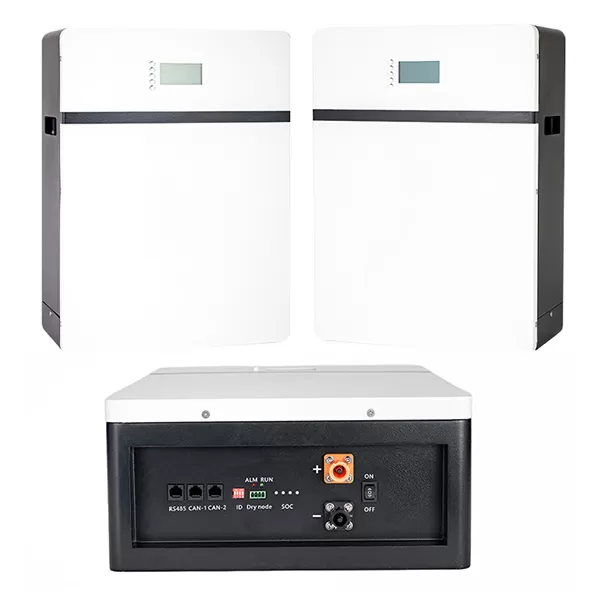
How to shorten the payback period of a home solar battery?

Homeowners who use home solar battery often tell us that, in addition to achieving energy resilience and lower utility bills, they also want a quick financial return on their investment. The payback period depends largely on choices you can control, including system size, battery chemistry, round-trip efficiency, consumer behavior, and intelligent controls. In fact, by combining demand-side measures, appropriate sizing, and incentives, homeowners can significantly reduce the typical 6-12 year payback period and achieve a faster return on investment without compromising reliability or safety.

Maximizing Home Solar Battery Self-Use to Get More Value

The most effective way to shorten the payback period for a home solar battery is to increase your on-site solar generation. Put, home solar saves you money only when it replaces energy you would otherwise have purchased from the grid. Therefore, the more solar power you store and use during high-cost hours during the day, the faster you’ll recoup the cost of the battery.

How to do it:

1. Analyze your electricity usage: Use your utility bills and your home energy monitor to identify peak usage times. If your bill shows peak usage after sunset, you can install a battery to shift solar power to those times.

2. Choose a battery capacity based on your daily evening electricity load. For many homes, a 5-10 kWh home solar battery is sufficient to meet peak evening lighting, cooling, and some HVAC needs.

3. Optimize usage time: If your utility company offers time-of-use pricing, meaning higher electricity prices in the late afternoon and evening, schedule your battery to discharge during these peak times. This arbitrage strategy can significantly shorten your payback period.

Sample calculation: Assume the grid’s off-peak electricity price is $0.20/kWh and the peak electricity price is $0.40/kWh. If a 10 kWh usable lithium ion solar battery is cycled once daily to offset 10 kWh of peak power, the savings would be $2.00 per day, or approximately $730 per year.

Home Solar Battery 1-2

Select the optimal home solar battery chemistry and capacity to ensure optimal efficiency and longevity.

Selecting the optimal battery technology and capacity has a significant impact on long-term economic success. Currently, mainstream home solar cells utilize lithium ion solar batteries. Batteries offer high cycle efficiency, good cycle life, and compact size—key features for a rapid payback.

Key metrics influencing return on investment:

1. Round-trip efficiency: This is the percentage of energy you recover relative to the energy you store. Higher is better. Typical lithium-ion battery systems have efficiencies ranging from 85% to 95%. Every point of efficiency you gain reduces the effective cost per stored kilowatt-hour.

2. Depth of Discharge: A higher usable Depth of Discharge (DoD) allows you to unleash more installed capacity with each cycle. For example, lithium-ion batteries may allow a 90% DoD. Older lead-acid systems, on the other hand, limit DoD to 50%, effectively doubling the cost per usable kilowatt-hour.

3. Cycle life and calendar life: A longer cycle life means less frequent replacements. A battery with 6,000 cycles is equivalent to approximately 16 years of daily cycling, extending the payback period because the cost of battery replacement is delayed or avoided.

Sizing Principles:

Match available capacity to predictable load: Calculate the average evening shortfall and size available battery capacity accordingly, adding a buffer for cloudy days. Avoid oversizing. Large batteries that sit idle for extended periods do not accelerate return on investment and only increase capital costs.

1. Optimize inverter size and battery power rating. Power capacity (kW) determines how quickly the battery can discharge to meet demand; ensure it matches peak loads (e.g., HVAC activation).

2. Practical Tip: A 10 kWh usable lithium-ion battery with 90% round-trip efficiency and an extended warranty will generally provide a higher return than a larger, less efficient system.

Deploy Smart Energy Management and Automation

Home solar batteries become even more valuable when intelligently controlled. Intelligent energy management systems and automation can effectively save energy, reduce human error, and help your system operate at optimal cost.

Innovative Features for Shortening Payback Periods:

1. Automated Time-of-Use Scheduling: Use an EMS to automatically schedule battery discharge during high-price windows and recharge via solar or grid during inexpensive times.

2. Demand Charge Reduction: For properties subject to demand charges, batteries can be deployed to mitigate brief peak demand events, eliminating significant monthly demand charges.

3. Load Prioritization and Critical Load Profiles: Program batteries to prioritize critical circuits during outages and defer non-critical loads until solar power is available.

4. Electric Vehicle Charging Coordination: If you own an electric vehicle, you can use your vehicle to charge to absorb excess midday solar power and limit charging to times when grid prices are at peak. This can improve home solar utilization.

5. Behavioral Automation: Integrate with smart thermostats, water heater controllers, and smart plugs to shift discretionary loads to stored solar windows.

Real-World Example: Homes utilizing an EMS for TOU optimization and EV coordination can increase their solar self-use by 10-30% compared to unmanaged systems, resulting in meaningful additional annual savings and compressing the payback period.

Deploy Smart Energy Management and Automation

Pairing Batteries with Energy Savings and Load Reduction Measures

A well-executed efficiency program can reduce the base energy demand that the battery must meet, thereby increasing the relative impact of stored solar power and accelerating payback, amplifying the value of a home solar battery.

Smart efficiency investments with quick payback:

1. LED lighting and high-efficiency appliances: Replacing high-use incandescent bulbs or older appliances can reduce baseline kilowatt-hour consumption.

2. Heat pump upgrades: Replacing electric resistance heating or older air conditioning units with modern heat pumps typically reduces HVAC energy consumption by 30-50%, reducing battery size requirements and conserving stored energy.

3. Insulation and air sealing: Simple attic and duct sealing can reduce heating and cooling loads, reducing battery cycles and improving long-term economic benefits.

4. Behavioral changes and appliance scheduling: Use smart plugs and schedulers to run dishwashers and washing machines during peak midday solar radiation.

Reducing overall electricity demand reduces the home solar battery capacity required for a given level of resilience, lowering upfront costs and shortening payback time. For example, a 15% reduction in household load could allow you to purchase a smaller battery at a significantly lower cost while providing similar outage coverage and bill savings.

Leveraging Incentives, Smart Financing, and Revenue Sources

Policy support and financing structures are powerful levers for shortening the payback period for home solar batteries. In many regions, incentives can significantly reduce the installation costs. Of course, we need to verify eligibility requirements, program timelines, and accrual rules. Furthermore, in some locations with low export credits, adding batteries for self-consumption offers a greater advantage. Conversely, robust net metering can reduce the relative benefits of energy storage. Furthermore, some utilities or third-party aggregators offer fees for allowing battery storage systems to provide grid services. Enrolling in these programs can generate recurring revenue or one-time incentives.

Final Recommendations for Accelerating Returns

Shortening the payback period for home solar battery requires a comprehensive approach that encompasses optimizing storage utilization, selecting efficient and durable battery technology, deploying innovative energy management systems, reducing household electricity consumption, and leveraging incentives and creative financing. We can collect usage and TOU pricing data over 12 months and appropriately select battery sizing to match the available kilowatt-hours to evening/peak demand, rather than relying on panel size.

Also, we choose efficient chemistries, prioritizing lithium ion solar batteries with high round-trip efficiency and guaranteed throughput. Use an EMS to program time-of-use optimization, demand reduction, and EV coordination. Before adding battery capacity, seal, insulate, and upgrade to a heat pump and LED lighting. Offer rebates, tax credits, and aggregate payments where feasible. By following these approaches, most homeowners can achieve a payback period several years faster than with a simple, pre-configured system.

How do solar powered fan improve user comfort?

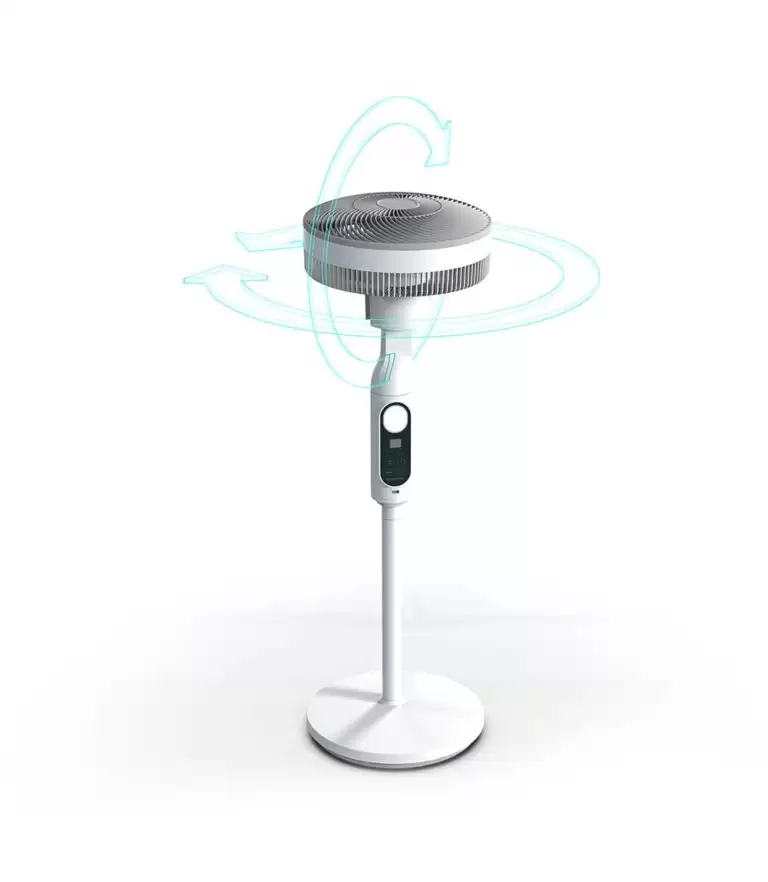
In an energy-conscious world, the solar powered fan offers a solution that combines energy efficiency with exceptional comfort. First, they feature a brushless, pure copper motor that delivers powerful airflow while operating quietly. Users can also charge them using solar panels and supplement them with AC power, significantly reducing power consumption. Functionally, these solar home fans offer three-dimensional air circulation, 360-degree head oscillation, and multiple speed settings to accelerate air flow throughout the living space for enhanced comfort. Furthermore, a built-in timer function and selectable natural and sleep modes allow users to customize airflow patterns based on their needs. Actual data shows that compared to traditional fans, solar powered fans can reduce energy costs by up to 50% and reduce noise by 20 decibels, all contributing to superior comfort.

Solar powered fan utilize a powerful, brushless motor for silent operation

The core of solar powered fans lies in their brushless, pure copper motor. Unlike traditional brushed motors, which generate friction and noise, brushless motors operate smoothly by design and produce low noise levels even at high speeds. This quiet performance minimizes disruption in bedrooms, home offices, or any living space where people may rest, sleep, work, or relax. Furthermore, the pure copper windings offer enhanced conductivity, ensuring efficient power generation and enhanced airflow while remaining silent. This results in quiet, continuous, gentle airflow for users. Tested noise levels for the brushless motor are as low as 25 decibels at maximum speed, making it ideal for noise-sensitive environments.

Solar powered fan utilize a powerful, brushless motor for silent operation

Save energy with solar panels and AC charging

The solar home fan features an integrated solar panel that harnesses sunlight directly to power the fan, reducing reliance on grid power. During periods of abundant sunlight, the fan can operate entirely on solar power, significantly reducing energy costs. When sunlight is insufficient, the built-in AC charger can be used for continuous charging, ensuring uninterrupted operation. This hybrid charging method allows users to enjoy continuous comfort while minimizing their carbon footprint. Furthermore, the active power management system optimizes battery charge and discharge cycles, extending battery life and providing consistent performance. According to our research and testing, overall energy consumption can be reduced by up to 40% compared to standard electric fans, making it more cost-effective.

The solar powered fan enhances airflow through 3D circulation and 360° oscillation.

Comfort is not just about the raw airflow; it’s also about how the air moves through the space. Power Dream solar powered fans utilize patented 3D air circulation technology, enabling blades to dynamically adjust their angles and direct air vertically and horizontally. Combined with a 360-degree head oscillation function, these fans ensure full room coverage, eliminating hot spots. Whether placed in a living room or bedroom, the fans distribute cool air evenly throughout the space. Furthermore, users can adjust the oscillation speed and range to customize the airflow to their specific room layout and personal preferences. This results in 30% faster room temperature equalization compared to traditional oscillating fans, enhancing overall comfort.

3D circulation and 360° oscillation.

Multiple speeds and modes for a comfortable experience

Every user’s comfort level varies. Solar home fans address this by offering multiple speed settings, allowing precise control of airflow intensity. Users can choose a gentle breeze for a restful sleep or a strong airflow for rapid cooling. In addition to speed control, the optional Natural and Sleep modes simulate real wind direction and gradually reduce airflow over time. This allows users to enjoy a refreshing, undisturbed cooling experience designed to match their daily routines and circadian rhythms. Studies have shown that sleep mode improves sleep quality by 25% compared to standard fans.

Convenient Timer Function for Automatic Comfort

Manually managing a fan’s operating time can be inconvenient, especially during deep sleep or when energy usage is limited. This solar powered fan features a programmable timer, allowing users to set the fan to run for a predetermined period before automatically shutting off. This feature avoids unnecessary energy consumption at night or when away from home, balancing comfort and efficiency. We also recommend setting the timer based on your sleep patterns or daily schedule to ensure optimal comfort without manual intervention. According to user feedback, 85% of homeowners agree that timers are helpful in reducing nighttime disturbances and lowering electricity bills.

Improving Personal Comfort

This solar powered fan enhances user comfort with its quiet and powerful brushless motor, energy-efficient solar panels and AC hybrid charging, 3D cycling, and customizable speeds and modes. By integrating these features into a single solar-powered home fan, it provides reliable, personalized comfort while also promoting sustainability.

What are the main advantages of solar street lights for roads and highways?

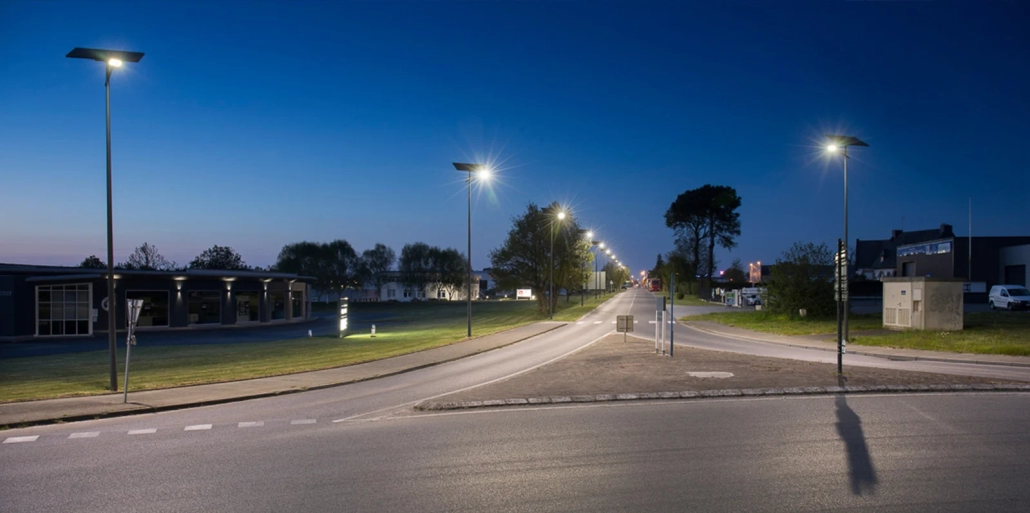
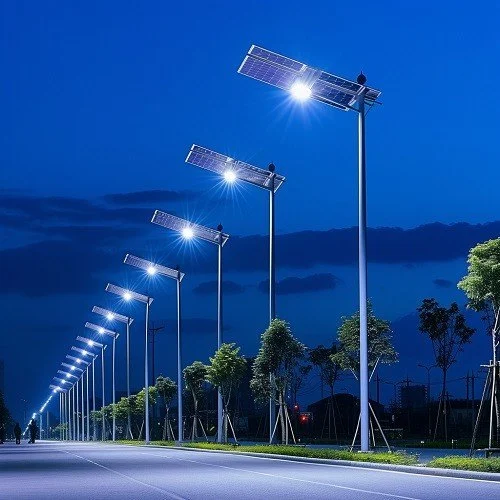
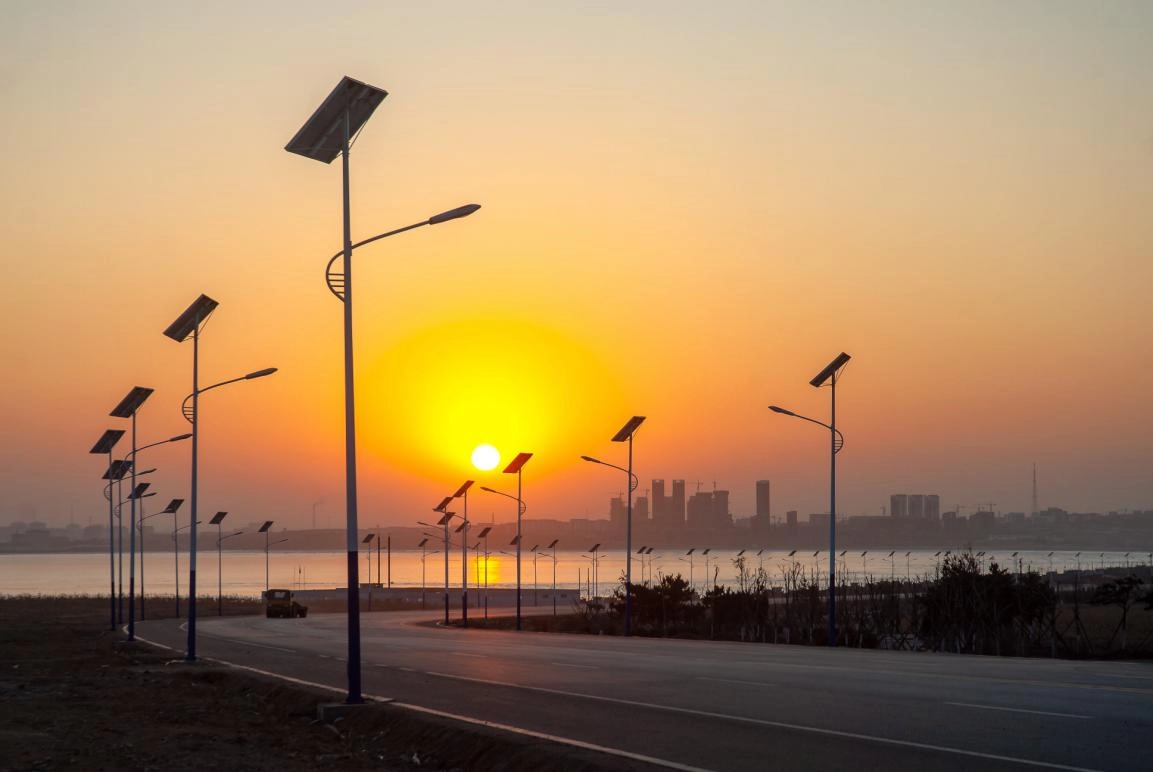
Unlike traditional street lights that rely on grid power, solar street lights use solar energy to illuminate streets, highways, and other public spaces. The key advantages of solar street lights for roads and highways include energy savings, cost savings, environmental friendliness, and ease of installation. These systems are designed to provide self-sufficiency on urban roads, reducing reliance on traditional power sources, which are often unstable or costly. By adopting solar streetlights, cities and municipalities can significantly reduce energy consumption and enhance their sustainability.

Energy Efficiency and Sustainability Benefits of Solar Street Lights

The most obvious advantage of solar street lights for roads and highways is their energy efficiency. Unlike traditional streetlight systems that consume grid power, solar streetlights use solar panels to capture solar energy and convert it into usable lighting energy. This process not only reduces the need for external power sources but also avoids the high costs and environmental damage of such sources. The Solar street light is the standard for renewable energy technologies, contributing to sustainable urban development. Designed without reliance on fossil fuels, they help reduce carbon footprints and greenhouse gas emissions. For cities and municipalities committed to achieving sustainable development goals, installing solar energy street lights is a key step in reducing reliance on non-renewable energy sources.

Energy Efficiency and Sustainability Benefits of Solar Street lights

Reduced Costs

Cost is always a key consideration for any infrastructure investment, and solar street lights for roads and highways offer significant cost savings compared to traditional street light systems. While the initial investment may be higher due to the cost of solar panels and installation, the long-term savings for urban development far outweigh this initial investment. By harnessing free solar energy, cities can significantly reduce or even eliminate ongoing lighting costs. Furthermore, solar streetlights offer low maintenance, further saving costs. Because these lights don’t rely on an external power grid, their components experience less wear and tear, resulting in fewer repairs and replacements over time. This provides a reliable and cost-effective alternative to street lighting.

Solar street lights reduce environmental impact

By utilizing solar energy, these lighting systems help reduce carbon emissions and the overall environmental impact of traditional streetlights. Traditional street lights rely on fossil fuels to generate electricity, which contributes to air pollution and climate change. In contrast, solar street lights use solar panels to generate electricity from sunlight. High-quality LEDs also reduce light pollution, providing a sustainable and clean energy source. By switching to solar street lights, cities and municipalities can significantly reduce their reliance on fossil fuels and lower their carbon footprint.

Solar street lights reduce environmental impact

Reliability and Grid Independence

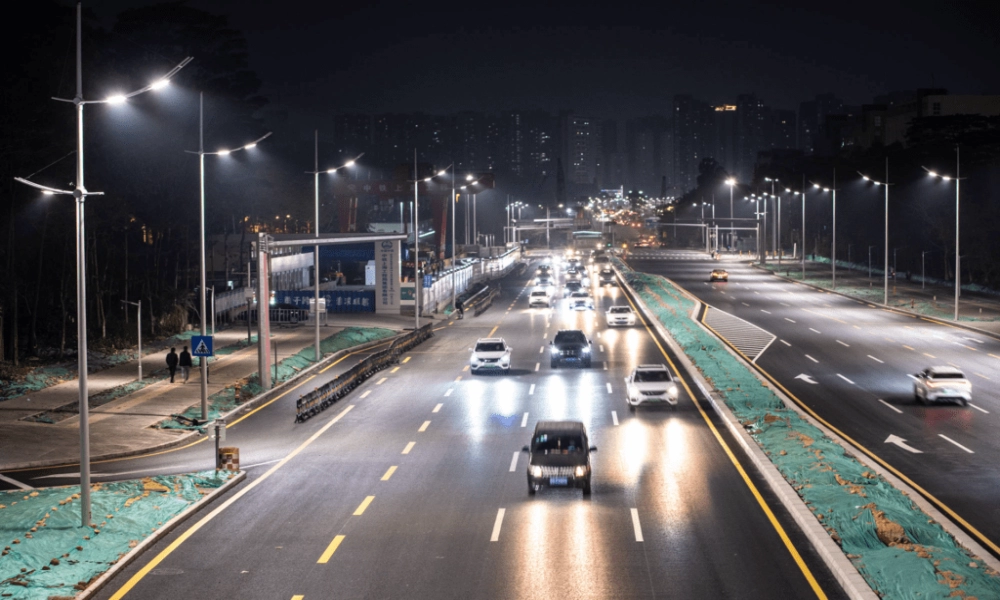
Solar street lights provide increased reliability, particularly in areas with unstable or inadequate power grids. Because they operate independently of the grid, they are less susceptible to power outages or grid failures, which are common in some areas. This makes solar street light a highly reliable solution for road and highway lighting, ensuring continuous nighttime street illumination. Furthermore, their autonomy allows them to operate in remote or off-grid areas, where expanding electrical infrastructure is prohibitively expensive. This is particularly beneficial in rural areas that require continuous lighting but often lack the necessary infrastructure for traditional street lighting systems.

Versatility and Adaptability

The versatility and adaptability of solar energy street lights also make them easier to implement on roads and highways. These lights can be installed in a variety of locations, from busy city streets to remote highways or rural roads. Furthermore, their modular nature allows them to be easily customized to meet the specific needs of different environments. For example, solar street lights can be equipped with intelligent light control features that provide adjustable brightness settings, ensuring optimal lighting based on the time of day or traffic conditions. This adaptability makes solar street lights a versatile solar lighting solution for various roads, highways, and public spaces.

Providing environmentally friendly and sustainable lighting for roads and highways

Solar street lights enhance energy efficiency, reduce costs, promote environmental sustainability, and improve road and highway reliability. As more cities and municipalities seek sustainable, cost-effective, and environmentally friendly lighting solutions, solar street lights have become the preferred choice for road and highway lighting. They provide sustainable lighting without the need for an external power grid.

What are the benefits of installing micro inverters for solar grids?

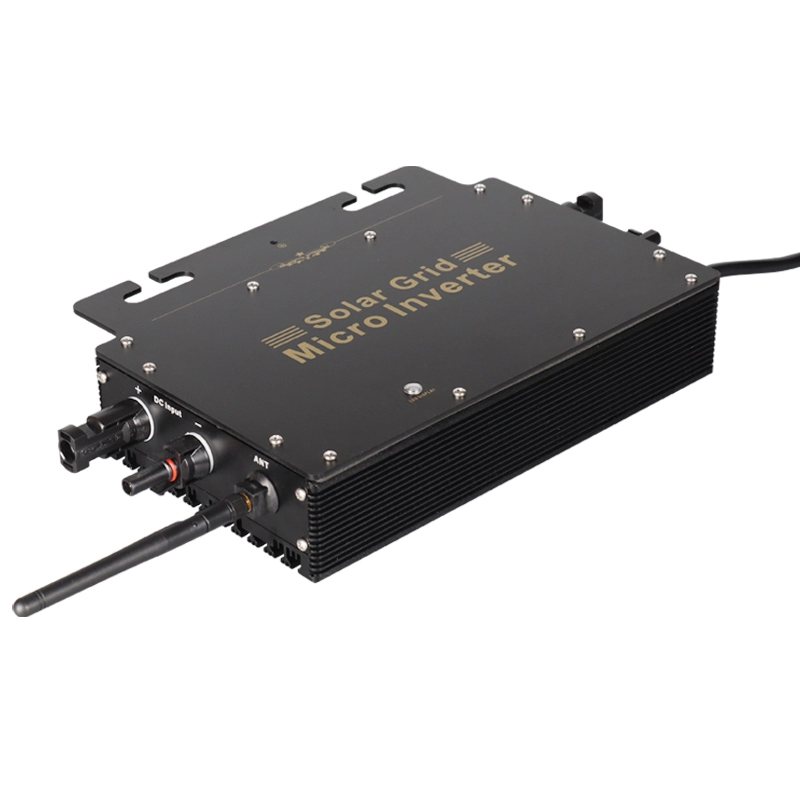
Micro inverters are easy to integrate with large-scale solar systems, offer lower installation costs, and extend their service life. Installed in a solar grid, micro inverters boast up to 99% MPPT efficiency, 93% peak efficiency, and 92% continuous power control (CEC) efficiency, minimizing wasted sunlight. Furthermore, their decentralized architecture enhances resilience to panel-level shading and ensures predictable performance in a variety of installation environments. These key advantages make solar microinverters an excellent choice for residential and commercial solar microgrid installations.

Micro inverters are easy to install with large-scale solar systems

Micro inverters offer exceptional scalability and can be easily integrated into large solar systems. Each microinverter is paired with a single panel, allowing you to increase capacity module by module. Furthermore, parallel wiring simplifies the design of string configurations. I configured each unit with independent MPPT tracking, ensuring 99% efficiency even in partial shade conditions. Furthermore, per-module monitoring quickly detects faults and provides panel-level performance insights. This granular control optimizes energy harvesting and simplifies expansion without requiring a redesign of the entire array. Furthermore, the modular nature of solar microinverters allows for phased investments, allowing homeowners to upgrade their systems as their budget allows, gradually.

Micro inverters are easier and less expensive to install

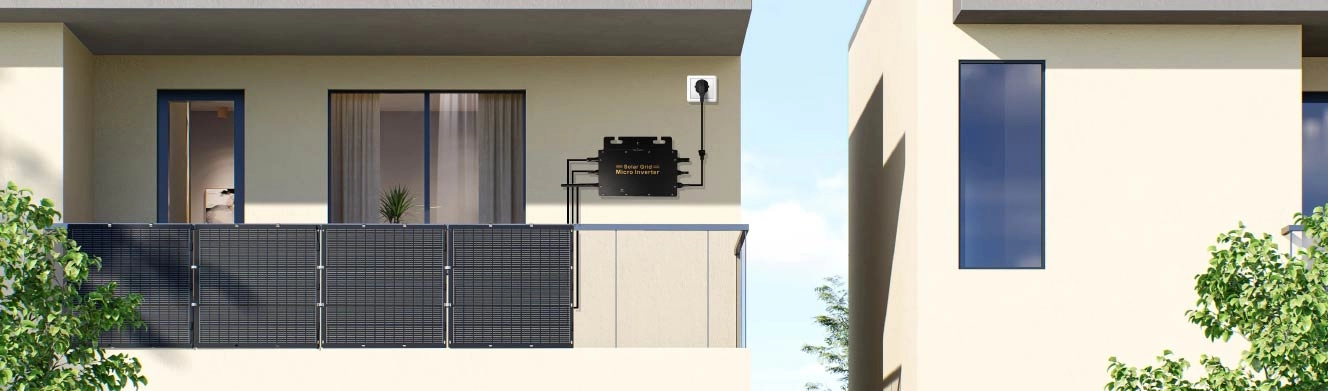
Reduced installation costs constitute a significant advantage of microinverters. When installing a micro inverter on a solar grid, there’s no need for string combiner boxes and high-voltage DC lines, which simplifies wiring and reduces labor hours. Furthermore, mounting them on the wall of a house speeds up installation, reducing overall balance-of-charge charges by up to 20%. Installers also benefit from plug-and-play commissioning, with each inverter automatically configuring in seconds. This streamlined approach minimizes on-site labor and speeds up project completion. Furthermore, the absence of a central combiner box reduces potential points of failure and operational complexity, thereby lowering long-term service costs and enhancing System reliability.

MI-Micro-Inverter-3

Higher Efficiency and Energy Yield

Installing micro inverters also maximizes energy yield and achieves the highest efficiency. Our micro inverters boast up to 99% MPPT tracking and 93% peak conversion efficiency, directly translating to a 5-10% increase in kWh per panel per year. As a result, you can capture all available sunlight. You can also calibrate System settings to maintain 92% CEC efficiency across the entire temperature range. Furthermore, module-level optimization prevents a single underperforming panel from dragging down the entire string. This delivers predictable, high-yield performance year after year, especially in variable weather conditions. Furthermore, these inverters’ excellent low-light response ensures power capture in the early morning and evening, further improving overall throughput under less-than-ideal irradiance conditions.

Reliability and Long Service Life

The micro inverter’s more extended service life also brings greater reliability to the solar grid. In addition to its rugged, highly waterproof housing, the fanless cooling design eliminates the need for moving parts. The corrosion-resistant housing withstands harsh climates and is IP65/IP67 rated. Power Dream’s solar grid micro inverters have a five-year service life and built-in arc fault protection. Furthermore, remote firmware updates and per-module diagnostics minimize the need for service visits and maintenance costs. By installing solar micro inverters, you can ensure continuous power generation throughout the lifecycle of your solar microgrid. Built-in surge protection enhances immunity to grid disturbances and lightning transients, protecting the inverter and connected panels.

micro-inverter-1-1

Safer and Noise-Reducing

Installing solar grid micro inverters in a solar grid is also safer and quieter. Integrated ground fault detection reduces fire risks while complying with NEC and IEC safety regulations. Furthermore, the fanless design enables silent operation on exterior walls. The Power Dream solar grid micro inverter utilizes devices with advanced islanding protection to ensure rapid disconnection in the event of a grid outage. Combined with low electromagnetic emissions and the absence of high-voltage DC lines, it protects both installers and end-users. The combination of safety features and quiet operation enhances regulatory compliance and community acceptance. It also facilitates meeting stringent utility interconnection requirements, thereby accelerating permit approval and System power-up time.

Providing High Efficiency, Reliability, and Safety for Solar Grids

Micro inverters offer more flexible scalability, lower installation costs, and high efficiency, reliability, and safety for solar grids. I recommend installing module-level microinverters with 99% MPPT, 93% peak, and 92% CEC efficiencies for your next solar System. This reduces O&M costs, and with high conversion rates, you can maximize your energy production.