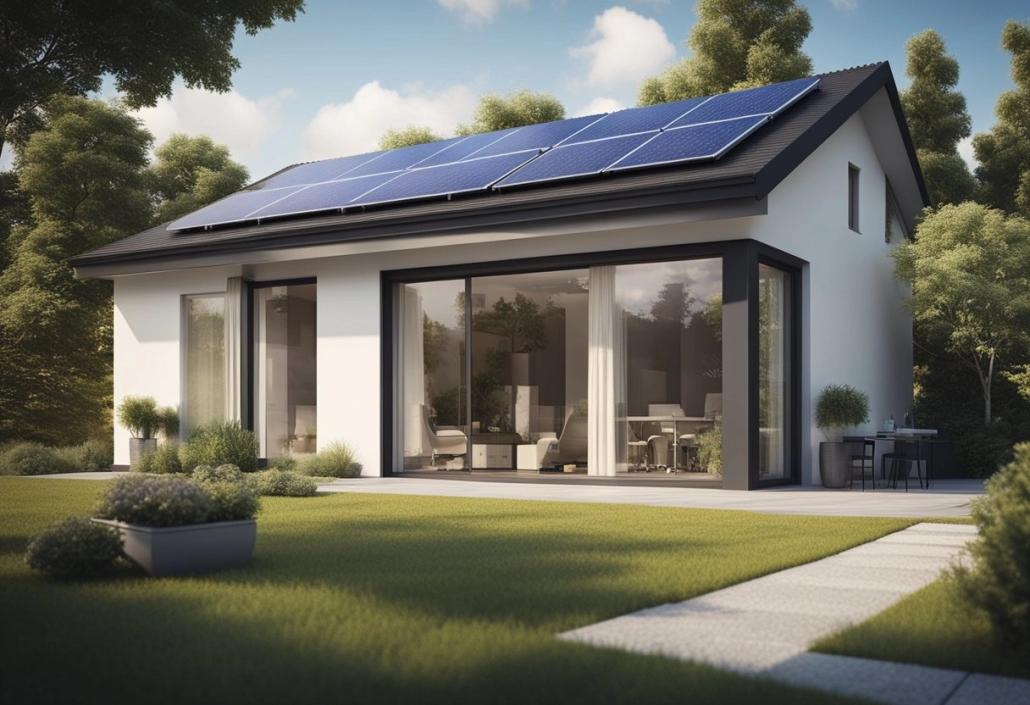
Sustainable lighting solutions: solar outdoor flood lights for environmentally friendly users

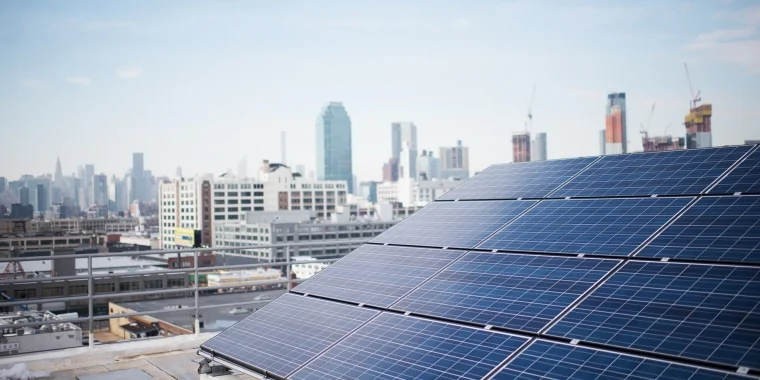
For environmentally conscious users, sustainable lighting solutions are a key focus for all home residential and commercial applications. In-home outdoor lighting combines cutting-edge renewable energy technology with LED lighting to provide an environmentally friendly alternative to traditional lighting methods. Solar outdoor flood lights use solar energy to capture energy through high-efficiency solar panels to provide reliable lighting without increasing the carbon footprint. The growing demand for sustainable lighting is both environmentally friendly and economical. In sustainable lighting solutions, solar outdoor flood lights can be feasible, cost-effective, and provide high performance without compromising reliability.

Solar Outdoor Flood lights: LED Technology and High-Efficiency Solar Panels

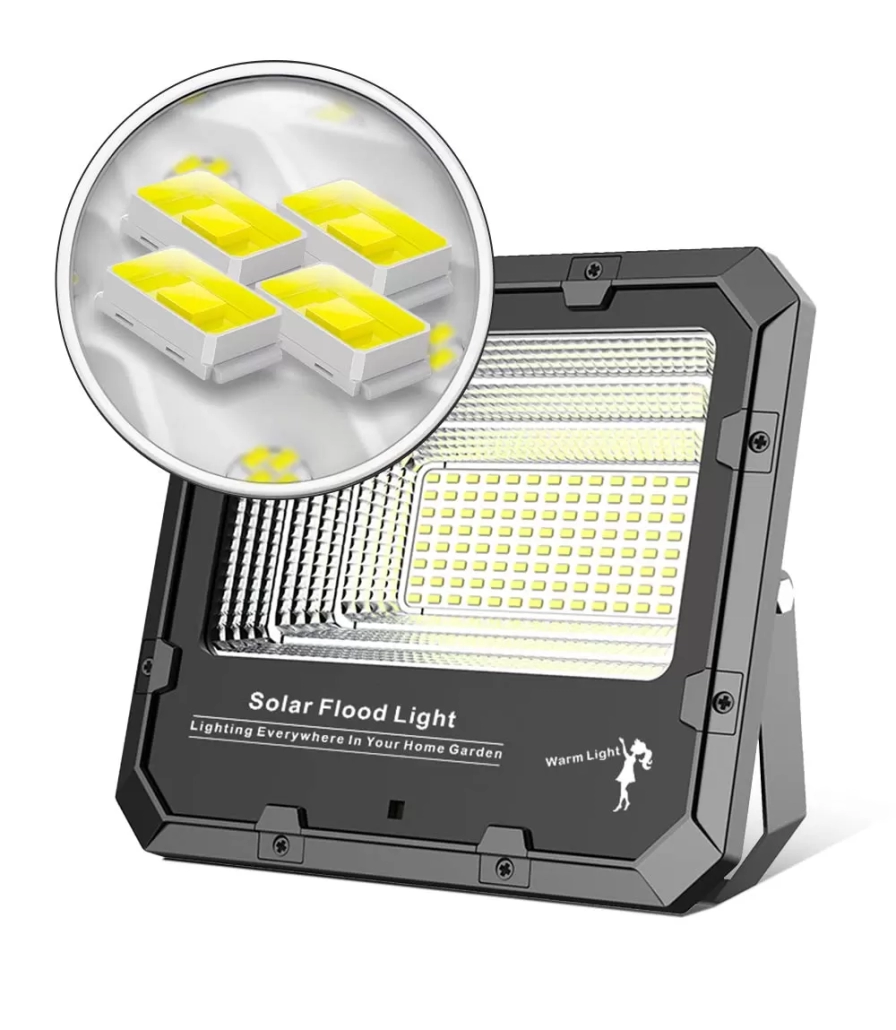
The core of solar outdoor flood light is imported high-brightness LED lamp beads, which provide excellent lighting while significantly reducing energy consumption. Unlike traditional light sources that generate too much heat and require frequent replacement, LEDs have a long service life and consistent brightness. And high-efficiency solar panels are another key component of solar outdoor floodlights. It can capture sunlight in various spectra and convert it into electricity efficiently. Combining these panels with high-brightness LED lamp beads allows the system to quickly accumulate enough power to power the lights at night, even during changeable weather. Combining these two technologies ensures that the floodlights are both environmentally friendly and highly reliable, providing stable performance regardless of seasonal changes in sunlight supply.
solar outdoor flood lights 1

Fast Charging and Adaptive Discharge Technology

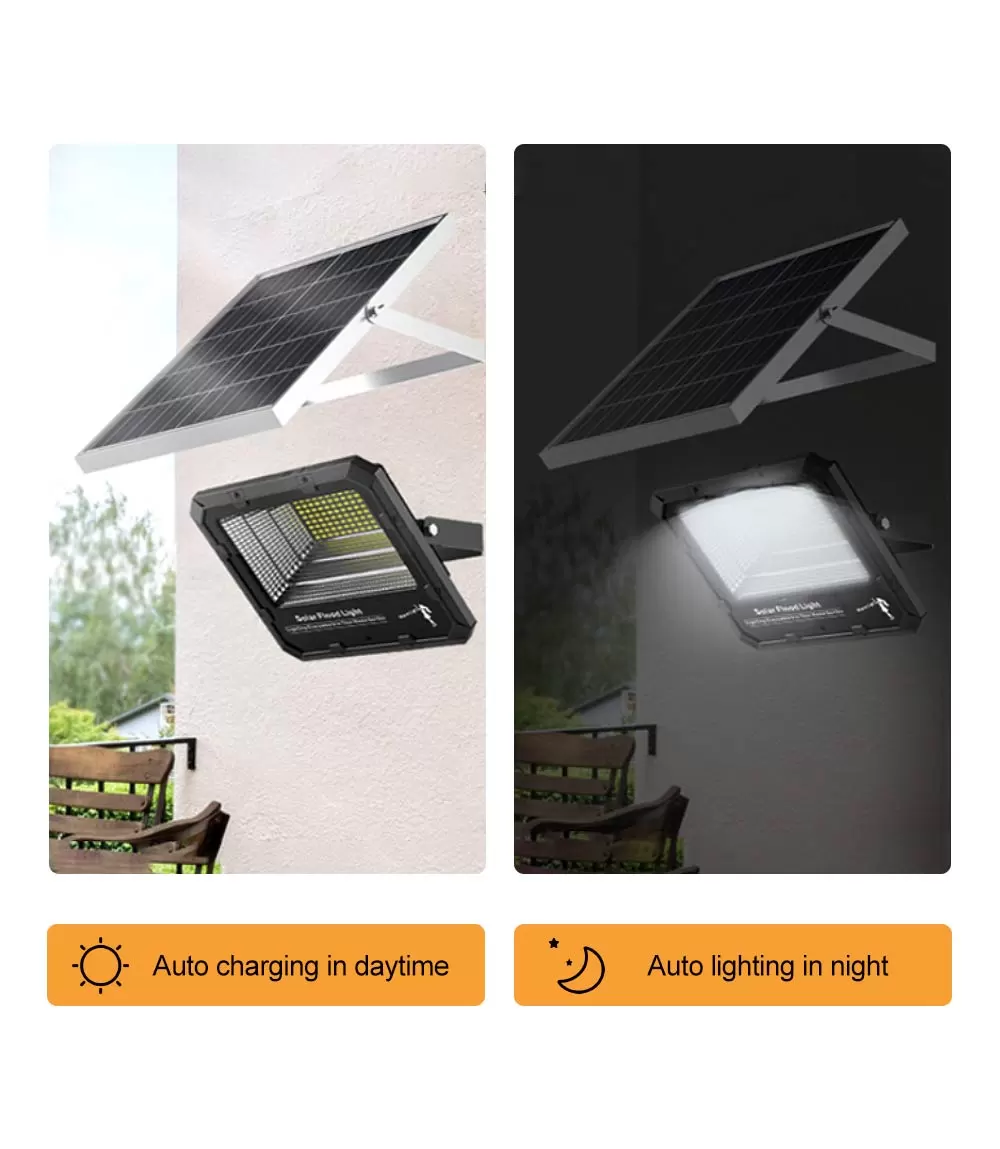
In solar outdoor flood lights, adaptive discharge technology further improves the efficiency of solar outdoor flood lights by dynamically adjusting energy output based on real-time conditions. When ambient light levels drop, built-in sensors automatically adjust the brightness of the LEDs to provide the most suitable brightness while conserving battery power. This intelligent discharge system not only ensures that the lights operate efficiently but also extends the battery’s overall life by preventing over-discharge. Thus, the system can achieve a balance between performance and life.
The fast charging function allows these systems to charge quickly during the day, ideal for areas with higher energy demands. This forms a powerful energy cycle supporting long-term lighting. Even in places where sunlight is less stable, users can rely on solar outdoor floodlights to provide stable performance.

Automatic Brightness Sensing and Energy Output Regulation for Solar Outdoor Flood lights

Automatic brightness sensing is critical in outdoor environments, where natural light levels can change rapidly due to cloud cover, time of day, or seasonal changes. With this technology, solar outdoor floodlights can dynamically adjust their brightness, increasing output when ambient light is low and reducing output when natural light is abundant. In addition to saving saving energy, the automatic brightness sensing feature also helps extend battery life. The system prevents over-illumination during periods when full brightness is not required, minimizing wear and tear on the LED components and batteries. This technology can also continuously monitor the surrounding environment through sensors and feed this information back to the control system, which then adjusts the power supplied to the LEDs accordingly. Automatic brightness sensing offers benefits beyond energy saving. The technology enhances the user experience by providing a more comfortable and visually appealing lighting environment.
Adaptive discharge technology

Durable design with integrated aluminum alloy and heat dissipation

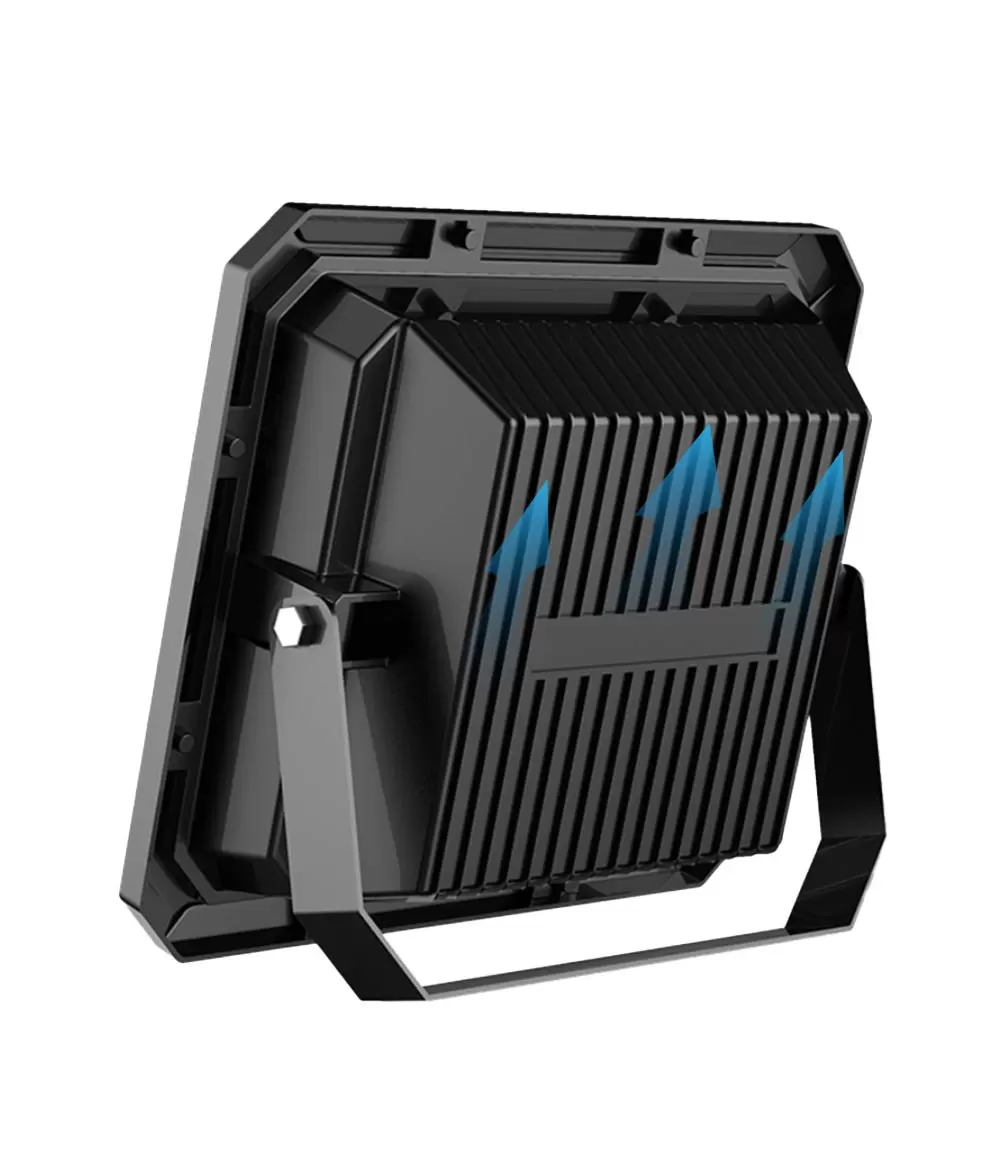
Because it is an outdoor light, BARANA integrates thickened aluminum alloy in the durable design, combined with a specialized heat dissipation design. In the construction of solar outdoor floodlights, thickened alloys can effectively protect sensitive internal components, such as high-brightness LED lamp beads and solar panels, from physical shock, moisture, and other harsh environmental factors. This resilience is essential to ensure that floodlights operate efficiently over many years of use. In addition to the structural advantages, aluminum alloys can play a good role in heat dissipation.

High-brightness LEDs and other electronic components generate heat during operation, and if not effectively managed, this heat can cause performance degradation or premature failure. The unique heat dissipation design integrated into these floodlights allows for efficient thermal management by conducting heat away from the core components. Not only does it help maintain consistent brightness and energy efficiency, but it also extends the system’s overall life by preventing overheating and thermal degradation.
Durable design with integrated aluminum alloy and heat dissipation

Bring sustainability to your home outdoor lighting.

As part of a sustainable lighting solution, solar outdoor flood lights combine imported high-brightness LED lamp beads, high-efficiency solar panels, fast charging capabilities, and intelligent automatic brightness sensing with durable design features to provide unparalleled efficiency, reliability, and aesthetics. By designing every aspect with both functionality and sustainability in mind, this holistic approach not only meets the urgent needs of users.

How to reduce energy costs in North America through Sustainable solar energy solutions?

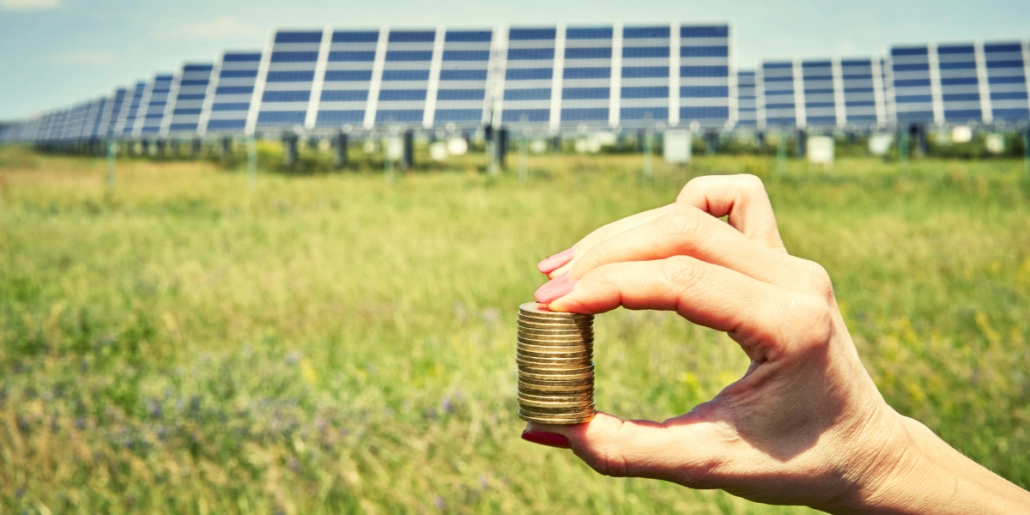
Data from the U.S. Energy Information Administration (EIA) shows that residential electricity prices in the United States have increased by 15% since 2020, driven by aging infrastructure and volatile fossil fuel markets. Electricity prices continue to rise in many areas, mainly due to maintenance issues, supply chain uncertainties, and the hidden costs of outdated systems. Against this backdrop, homeowners and businesses are increasingly looking for sustainable solar energy solutions that are both reliable and provide long-term cost savings.

The Economic Problem of Energy in North America

Parts of North America are vulnerable to extreme events, and outdated infrastructure and dependence on fossil fuels lead to frequent power outages and soaring electricity bills. For example, when wholesale electricity prices in Texas soared 400% during a winter storm, millions lost power and suffered an estimated $130 billion. Similarly, rolling blackouts in California during a heat wave highlighted the fragility of the current energy system. A sustainable solar energy solution is a viable alternative. By harnessing sunlight, homes can reduce their reliance on the grid, stabilize energy costs, and help meet carbon reduction targets. Solar power provides a reliable power source and protects consumers from the volatility of fossil fuel markets.

The-Economic-Problem-of-Energy-in-North-America-scaled

Sustainable Solar Energy Solutions: PowerDream Residential Off Grid PV System

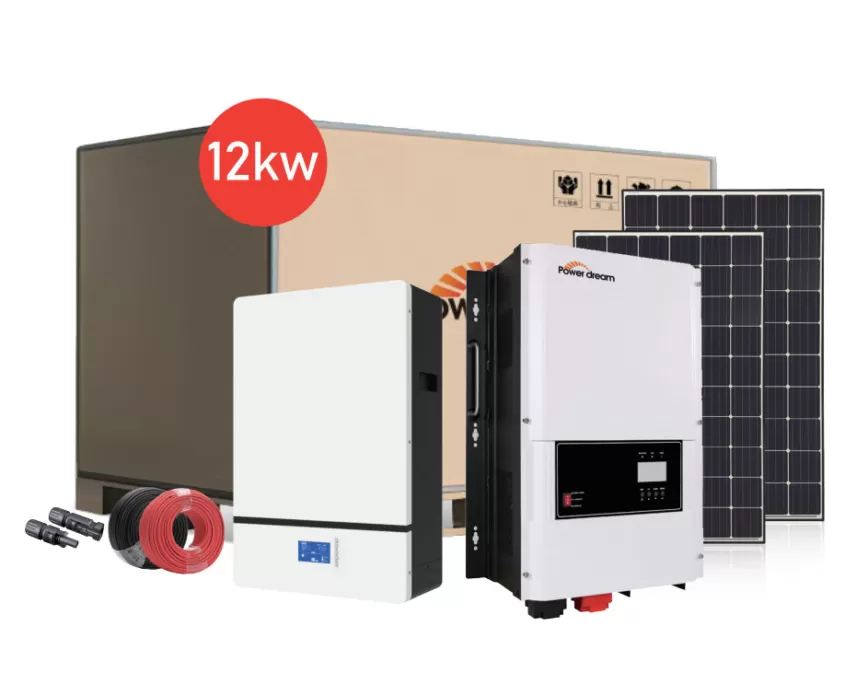
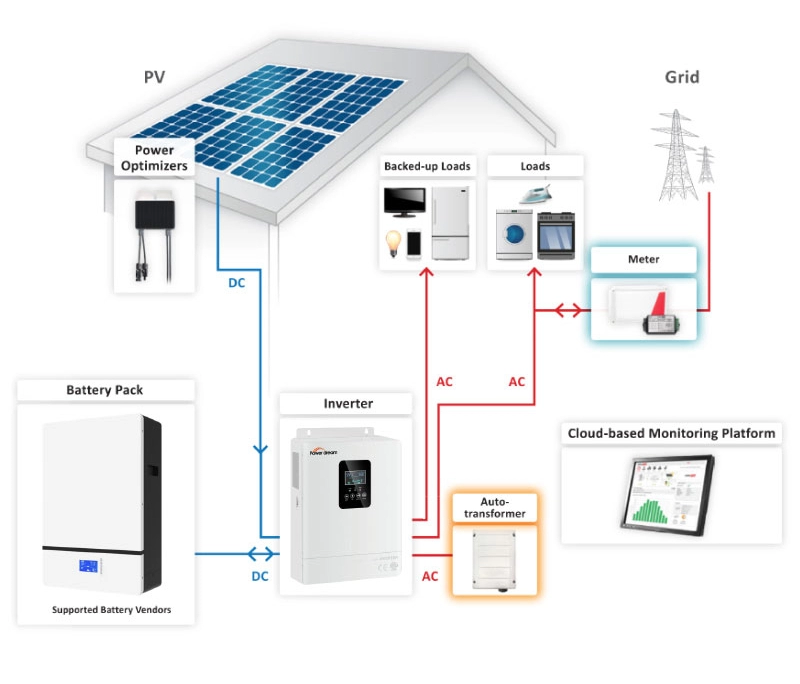
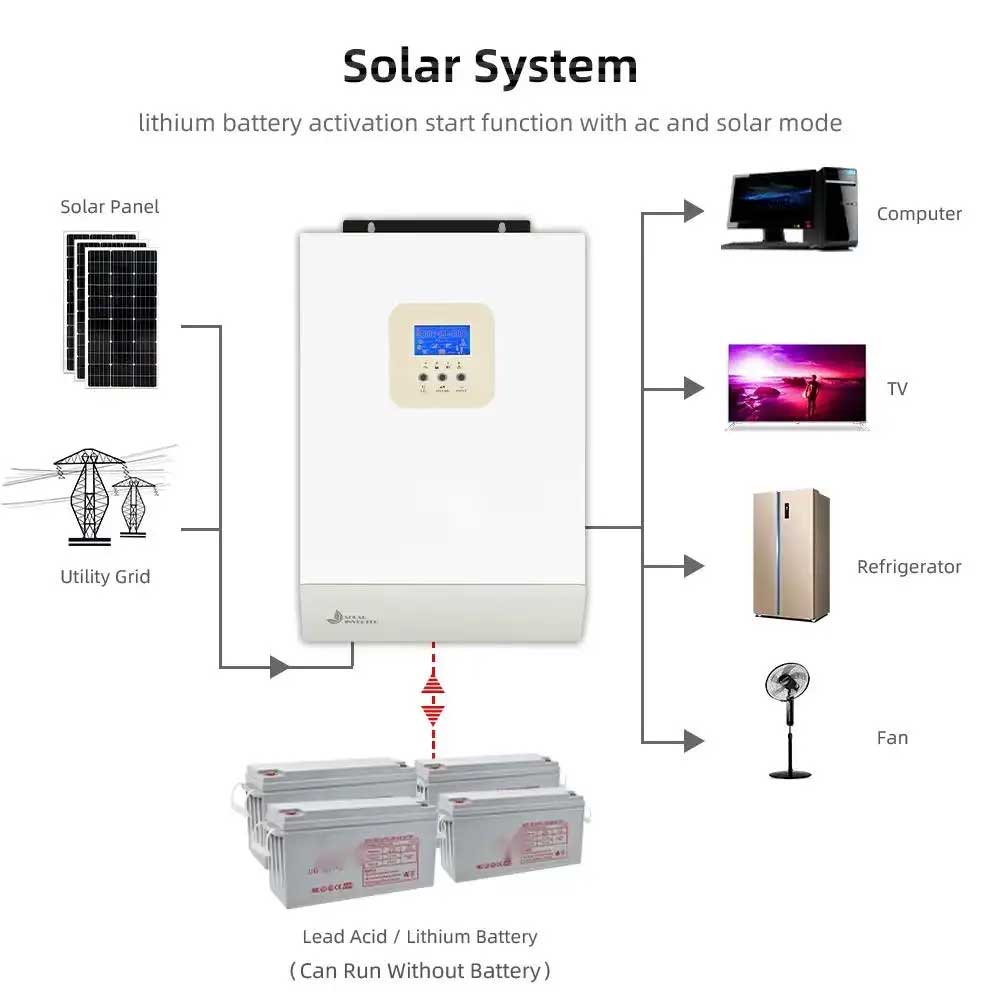
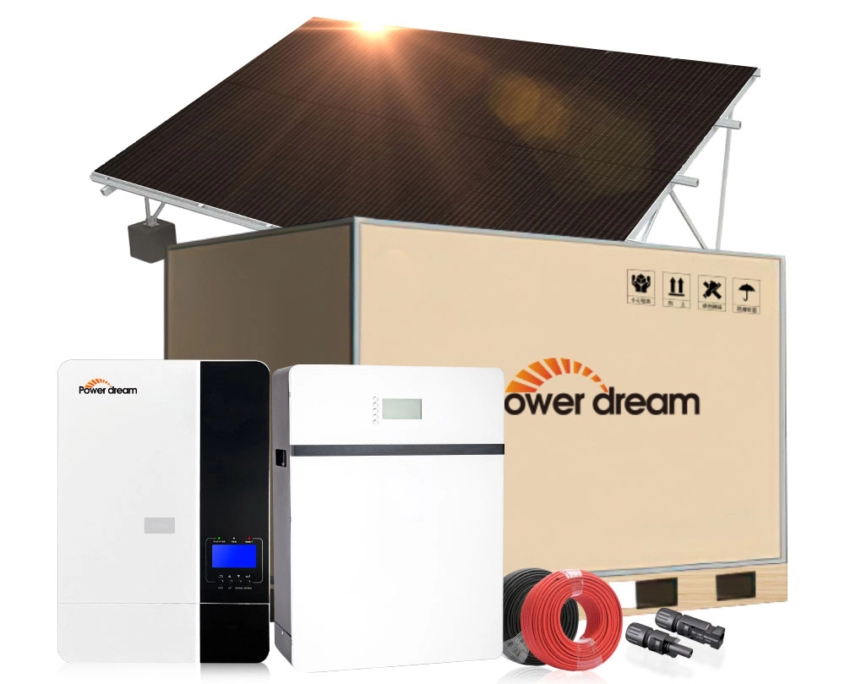
PowerDream Residential Off Grid Pv System is more than just a solar panel installation; it is a comprehensive solution that integrates all energy production and management aspects into a single, streamlined process. It combines four core components, including high-efficiency monocrystalline panels that capture maximum solar energy even in low-light conditions. The energy storage battery stores the DC power generated, and the inverter converts the DC power to AC power, making it compatible with home appliances. The inverter also supports grid interaction, allowing users to return excess energy to the utility company. And excess energy can be fed back to the grid.

BARANA will pay more attention to user-friendly installation, another key aspect of the PowerDream system. The system adopts a “plug and play” configuration. This design feature simplifies the installation process, allowing installers to safely connect the system to the home’s main AC service panel without extensive modifications. Whether the house uses a 230V or 120/240V grid voltage, PowerDream adapts to various electrical standards in North America and other regions.

Sustainable solar energy solutions

Seamless Integration of Sunlight Collection and Power Conversion

The most essential feature of sustainable solar solutions is the ability to seamlessly integrate multiple processes into one efficient system. BARANA’s PowerDream residential off grid PV system does just that by integrating sunlight collection, DC power generation, inverter conversion, and AC power utilization into one unified solution. In the initial stage of energy conversion, high-quality photovoltaic panels are used to capture sunlight. Once the solar panels convert the sunlight into DC power, the next stage is to transmit this energy to the inverter, which converts the DC power into AC power. The system seamlessly integrates it into the home power system to power the immediate load or store it for later use.

In addition, the PowerDream system is designed to ensure that all these processes operate in harmony. Through an innovative WIFI system, energy production and consumption can be monitored in real-time, and sunlight collection, power conversion, and energy distribution can be carefully coordinated.

Seamless integration of sunlight collection and power conversion

Adding value with the PowerDream system

The PowerDream system is more than just an off grid system; its inverter enables dynamic energy management by using stored solar energy during high-rate periods to avoid high grid charges. This feature alone can save homeowners hundreds of dollars per year. Additionally, excess energy is automatically sold to the grid during peak demand, maximizing revenue. In states with favorable net metering rates, such as New York, homeowners can earn substantial credits. Switch to battery power in 20 milliseconds if faced with a power outage. This ensures uninterrupted power to critical appliances, such as refrigerators and medical equipment.

Sustainable solar energy solutions tailored to any home

Energy needs vary widely across North America. For example, a suburban Arizona home may require 10 kilowatts of power per day, while a rural Canadian home may require 15 kilowatts for heating. Our PowerDream system addresses growth in demand with modular battery packs, expanding storage from 10 kWh to 40 kWh and more. Panel flexibility throughout the system enables adding up to 20 panels without upgrading the inverter. This allows homeowners to start small and expand their system as their budget allows. The system also supports hybrid operation, combining solar with grid or generator power during extended periods of cloudiness. This ensures reliable operation even in areas with less sunlight.

Solving Energy Problems and Achieving Energy Freedom

BARANA’s PowerDream system offers affordability, reliability, and adaptability beyond traditional solar products. No matter where you are, our sustainable solar solutions provide a tangible path to energy independence and cost savings, resulting in lower energy costs and greater energy self-sufficiency.

Providing a complete home solar power system for every homeowner

Several factors drive the growing interest in complete home solar power system. First, the rapidly falling cost of solar panels and related technologies has made solar installations more accessible. Second, with growing awareness of environmental issues and the push for renewable energy, more homeowners are choosing solar to reduce their carbon footprint.

At its core, a home solar power system is designed to capture sunlight, convert it into electricity, and store excess energy when the sun isn’t shining. This self-sufficient system typically includes solar panels, inverters, battery storage, charge controllers, and the necessary wiring—all integrated and working together seamlessly. The system is designed to meet the average home’s energy needs, whether powering essential appliances, lighting, or an electric vehicle. What’s unique about this approach is its flexibility: homeowners can scale up the system as their energy needs grow, ensuring the solution is both future-proof and adaptable.

Understand Energy Needs to Customize a Complete Home Solar Power System

Every home has unique energy needs, depending on its size, location, and lifestyle. BARANA begins by conducting a detailed energy audit to determine the homeowner’s daily consumption patterns. For example, a home in Arizona with a pool pump and air conditioning might need a 12kW system, while a smaller home in Oregon might only need 6kW. Our engineers use satellite imagery and AI-driven software to analyze roof orientation, shadows, and local weather patterns. This data ensures the complete home solar power system is optimized for maximum efficiency. In a recent project in Florida, this approach increased annual power generation by 22% compared to a generic installation.

complete home solar power system 1-2

Solar Panels: The Heart of a Complete Home Solar Power System

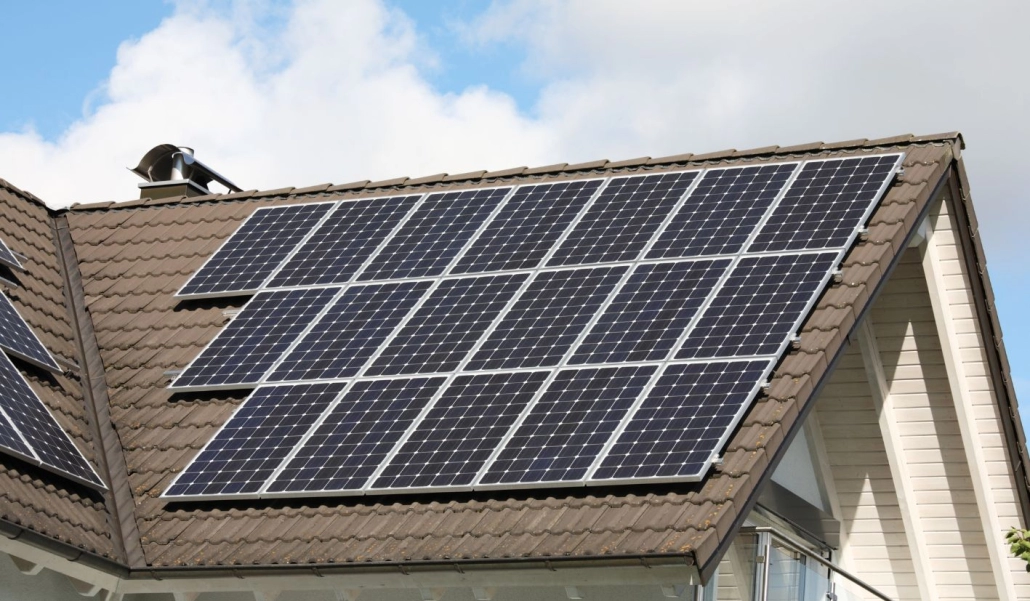
BARANA’s high-efficiency solar panels are designed to withstand various climates, from desert heat to coastal humidity. Using M10 monocrystalline cells, our panels are 22% efficient—15% higher than the industry average. We offer bifacial panels for homeowners with limited roof space that capture sunlight reflected from surfaces such as snow or light-colored roofs. In Colorado, one customer used this technology to gain an additional 18% in winter power generation. All panels come with a 30-year performance warranty, ensuring long-term reliability as part of your home solar power system. Additionally, BARANA’s panels feature an anti-reflective coating and self-cleaning surface to reduce maintenance and maximize energy capture. In dusty areas, these features have increased efficiency by 10%.

Solar Panels 5-1

Energy Storage Solutions: Ensuring 24/7 Power

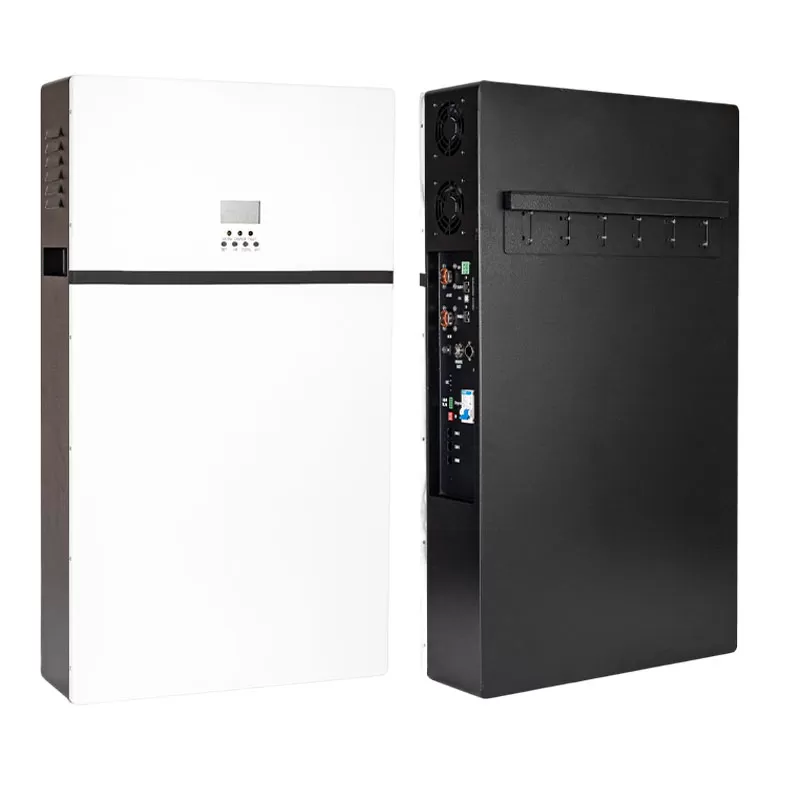
Batteries are critical to energy independence. BARANA’s battery systems provide safe, long-lasting storage with a 10-year lifespan. They can power essential loads (e.g., refrigerators, medical equipment) during power outages and reduce grid reliance during peak hours. In Texas, where grid instability is typical, one homeowner paired a 10kWh battery with solar panels. During a winter storm, the system powered their home for 3 days while neighbors faced power outages. Our batteries also feature intelligent load management to prioritize energy use based on real-time demand. BARANA’s storage systems are designed for scalability. Homeowners can start with a single battery and add more as energy needs grow.

Energy Storage Solutions

Smart Inverters: The Brains of the Entire Power Generation System

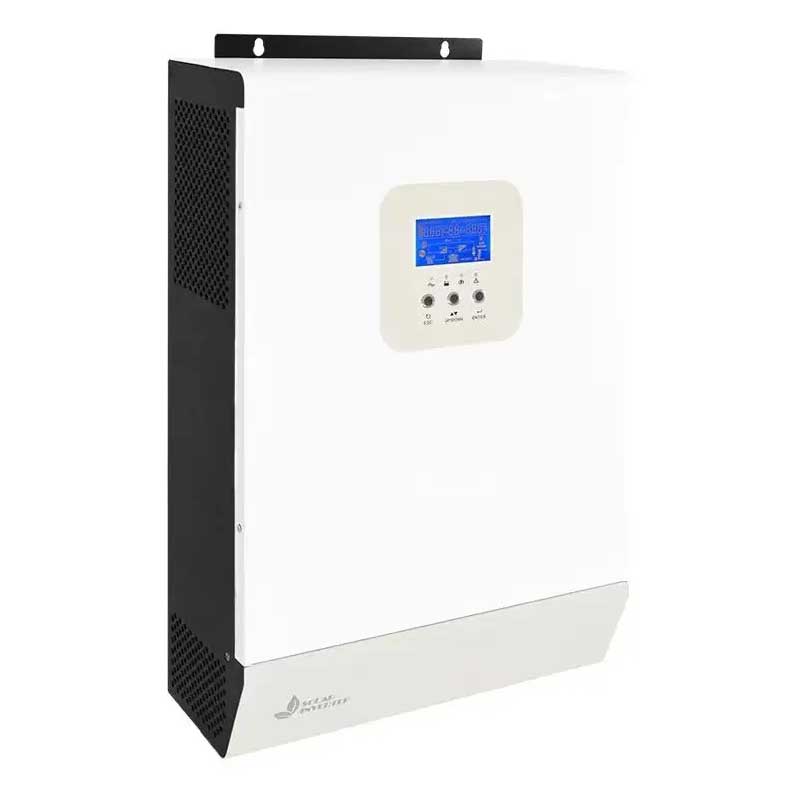
BARANA’s smart inverters convert DC power to AC power and optimize energy flow between panels, batteries, and the grid. Using machine learning algorithms, these inverters can predict usage patterns and adjust operations accordingly. For example, a homeowner in California reduced his electricity bill by 40% using our inverter’s Time-of-Use Optimization feature, which stores solar energy when electricity prices are low and releases it when prices are high. The system also provides real-time monitoring through a mobile app, giving homeowners complete control over their home solar system. At the same time, our inverters also support on-grid and off-grid modes, allowing homeowners to seamlessly switch between the two modes and maintain power supply without manual intervention during frequent power outages.

Seamless Installation, Easy Delivery

BARANA’s certified technicians handle everything from permits to final inspections. Our modular mounting system works on any roof type without requiring structural modifications. We installed low-profile panels in a historic Boston neighborhood that blend seamlessly with the slate roof. Thanks to pre-assembled components and drone-assisted surveying, the process took just 3 days. After installation, homeowners receive a personalized maintenance plan to keep the system running smoothly. BARANA’s installation team follows NEC standards and conducts thorough post-installation testing to ensure safety and compliance. This includes checking for proper grounding, verifying inverter settings, and securing all connections.

Ultimately

A complete home solar power system is more than just solar panels on your roof; it’s a custom solution that lets homeowners control their energy future. BARANA’s design, technology, and economics expertise ensure that each system is reliable, cost-effective, and sustainable.

How to build a resilient Off grid solar power system for a remote research station?

Remote research stations require an energy solution that is both self-sufficient and resilient. Far from traditional power grids, off grid solar power system are often the best, and sometimes the only, option for ensuring continuous, reliable power. At remote research stations, energy needs can vary from running sensitive equipment to powering communications systems and essential lab instruments, and systems must be robust enough to handle fluctuations while being energy efficient. Resilience in this context means more than just having a backup power source. It encompasses a complete design approach that includes redundancy, intelligent energy management, and regular monitoring to ensure the system continues operating optimally over time.

Evaluating the Energy Needs of a Research Station: The Basics of an Off Grid Solar Power System

Designing an off grid solar power system for a remote research station begins with an accurate energy audit. Facilities at research stations often have energy-intensive equipment—spectrometers, chillers, communications arrays—that require stable, uninterrupted power. For example, an Arctic climate station might require 50kWh/day of power to keep lab equipment, heating, and satellite uplinks running during the polar night.

BARANA’s approach combines load analysis and seasonal usage simulation to account for variables such as equipment duty cycles, extreme temperatures, and changes in sunlight. Using IoT-enabled meters, we can track real-time consumption patterns over 30 days to identify peak loads and standby power consumption. Engineers can use this data to determine the size of solar arrays, battery capacity, and redundancy planning in off grid solar power systems, ensuring the system withstands daily operations and extreme conditions.

Off-grid Home Solar System 2-2

Solar Panel Array Design in Off Grid Solar Power System

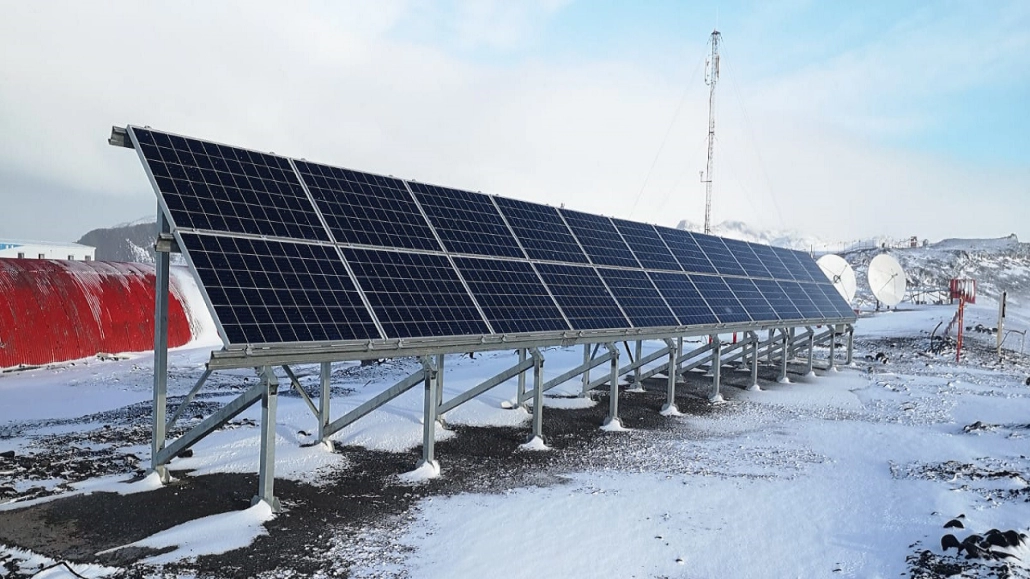
Remote research stations face unique problems and challenges: snow accumulation, dust storms, or low-angle sunlight. BARANA’s off-grid solar systems use tilt-adaptive, corrosion-resistant panels paired with bifacial modules to capture reflected light. In Antarctica, our bifacial panels produce 18% more energy in the summer by collecting light reflected from snow. In storm-prone regions, engineers mount panels on hurricane-grade trackers and store them horizontally during high winds. The modular design allows for rapidly replacing damaged units—which is critical when research stations are months away from supply lines. In addition, self-cleaning coatings can reduce dust-related efficiency losses by 40% in desert environments such as the Sahara.

Solar panels in Antarctica

Installation and Assembly Techniques

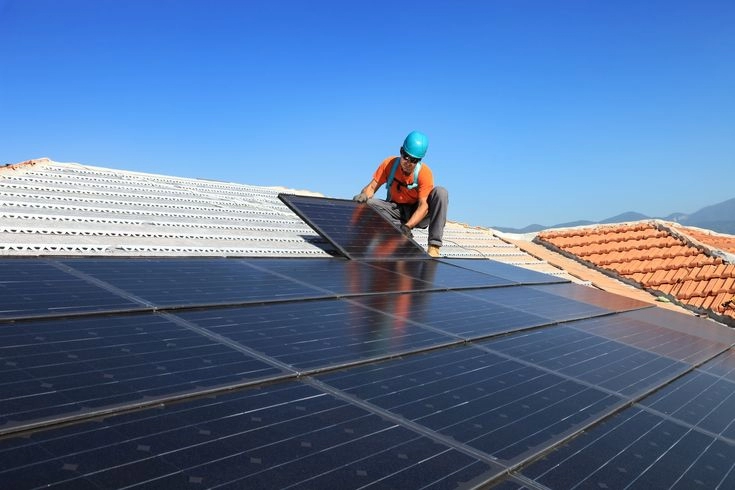
Installing a resilient off grid solar power system requires careful attention to detail during the installation and assembly phases. Even the best components will perform poorly if not installed correctly, especially at remote research stations with prevalent environmental challenges. When installing solar panels, the first step is to choose the correct mounting structure. Fixed-tilt mounts are a common choice for off grid solar systems, which is a simple and effective way to optimize the angle of the panels relative to the sun. However, in areas with significant seasonal changes, engineers use adjustable mounts to fine-tune the orientation of the panels throughout the year.

Once the mounting structure is in place, technicians precisely position the panels to minimize shading from nearby objects and maximize exposure to sunlight during peak hours. The process also involves securing the wiring and connections between the solar panels, charge controller, battery, and inverter. Technicians ensure proper grounding and use surge protection devices further to protect the system from lightning strikes or power surges.

Installation and Assembly Techniques 1

Maintenance, Monitoring, and Resilience Strategies

Once technicians install the off grid solar power system, they conduct ongoing maintenance and monitoring to ensure its long-term reliability and performance. Regular maintenance begins with routine inspections of the solar panels, wiring, and mounting structure. Dust, debris, or snow accumulation can significantly reduce panel efficiency, so regular cleaning is recommended. Maintenance plans should be adjusted to the site’s environmental conditions. A robust monitoring system is also essential. BARANA’s off-grid solar power system has sensors and smart controllers to track real-time power generation, battery charge levels, and overall system health. This continuous monitoring enables early detection of abnormalities and helps to take corrective measures promptly.

Ultimately

Building a resilient off grid solar power system for a remote research station requires more than solar panels and batteries. It also requires comprehensive planning for extreme environments, energy diversity, and intelligent controls. BARANA’s engineering solutions have been proven in deserts and ice caps, allowing scientists to focus on discovery without worrying about power issues.

How to solve the power fluctuation problem in On Grid Solar System?

A combination of external factors and internal inefficiencies often causes power fluctuations in the on grid solar system. Grid voltage variations, rapid changes in weather conditions, and sudden changes in load demand can all lead to inconsistent power output. In addition, issues related to inverter performance, improper wiring, or suboptimal system design can exacerbate these fluctuations. Understanding these challenges is the first step to implementing a robust solution. Our approach includes a detailed analysis of the system’s performance parameters and integration of advanced control technologies that help stabilize power delivery when external conditions change. In this article, we explore the multifaceted nature of power fluctuations in on grid solar systems and share the technical strategies BARANA has adopted to address these issues.

Causes of Power Fluctuations in on grid solar system

On grid solar systems are designed to deliver power directly to the utility grid, but their output can fluctuate due to sudden cloud cover, shadows, or equipment inefficiencies. These changes can destabilize the grid and cause voltage spikes or dips that can trigger protective outages. Internal factors also play a role. For example, the performance of the inverter is critical. If the inverter cannot operate at peak efficiency due to aging components, calibration issues, or software glitches, the system may experience power fluctuations. In addition, improper wiring or poor connections can cause resistive losses and voltage drops, further destabilizing the system. Another internal issue is dynamic load management within the facility. The on grid solar system may have difficulty maintaining consistent voltage levels if energy consumption suddenly surges. In addition, fluctuations in ambient temperature can affect the efficiency of solar panels and inverters, causing power fluctuations in output changes.

Causes of Power Fluctuations in on grid solar system

Smart Inverters: Stabilizing On grid solar systems

Conventional inverters convert DC to AC, but smart inverters can actively stabilize power flows. They can regulate voltage, adjust the output voltage to within ±2% of grid requirements even during rapid sun declines, detect grid frequency deviations and inject reactive power to balance the load. At the same time, slope control can limit power output changes to <10% per minute to prevent sudden surges. For example, after upgrading to BARANA inverters at a California solar park, grid instability events were reduced by 75%, maintaining seamless integration under partial shading conditions. In addition to these features, BARANA’s smart inverters are equipped with machine-learning algorithms that analyze historical data to predict and mitigate potential fluctuations. This predictive capability improvesgrid stability and extends inverter life by reducing thermal stress caused by frequent power adjustments.

Buffering with Energy Storage Systems

Energy storage systems can act as a shock absorber for fluctuations in on grid solar systems, storing excess energy and capturing excess solar energy during peak production periods for use during troughs. They can also provide instant power, discharging within 20 milliseconds to fill gaps caused by cloud cover. At the same time, optimizing grid interaction sells stored energy during high-price periods, improving return on investment.

BARANA’s energy storage systems also feature modular scalability, allowing users to expand storage capacity as energy demand grows. This mainly benefits commercial and industrial applications where energy needs vary greatly. In addition, intelligent charge controllers continuously monitor battery health and optimize charging and discharging cycles to maximize battery life. This ensures that the storage system remains reliable and cost-effective over the long term.

home-battery-storage-5

Dynamic Voltage Regulation in On grid Solar Systems

Voltage spikes generated by fast solar surges can damage grid equipment. BARANA’s Dynamic Voltage Controller automatically adjusts voltage levels in 0.5% increments via tap-changing transformers, injects reactive power to stabilize line voltage via static VAR compensators, and uses harmonic filters to eliminate waveform distortion caused by inverter switching.

BARANA’s DVC is also equipped with self-diagnostics that continuously monitor the health of the voltage regulation system. If any component shows signs of wear or failure, the system can alert maintenance teams before a failure occurs. This predictive maintenance feature not only reduces downtime but also reduces operating costs by avoiding expensive emergency repairs.

Employ Grid-Friendly Curtailment Strategies

When solar generation exceeds grid capacity, controlled curtailment prevents overloads. BARANA’s PowerFlow Manager enables preferential load dispatch, shifting excess energy to onsite storage or secondary loads. Gradually reduce output with soft ramp-downs instead of abrupt shutdowns. Perform revenue protection to redirect curtailed energy to hydrogen electrolyzers or other revenue sources.

PowerFlow Manager also includes demand response integration, allowing solar operators to participate in utility demand response programs. During periods of high grid demand, the system can automatically reduce output and sell curtailed energy back to the grid at a premium. This provides an additional revenue stream and helps stabilize the grid during peak demand.

Achieving Stable Power Output

Power fluctuations in on grid solar systems are not inevitable and can be addressed with innovative design and adaptive technology. From smart inverters to predictive analytics, BARANA’s holistic approach ensures solar farms become reliable, not burdensome, grid partners. Solar can dominate the energy mix by smoothing output and maximizing grid compatibility without compromising stability.

Why is your off grid home solar system draining its batteries so quickly?

Off grid home solar systems offer homeowners the promise of energy independence and sustainability. However, a common frustration among users is rapid battery drain, a problem that can compromise the efficiency and reliability of these systems. In many cases, batteries in off-grid home solar systems lose their charge faster than expected, leading to frequent power outages and higher maintenance costs for users. This article explores why off grid home solar system batteries drain quickly and how BARANA’s advanced solutions address these challenges to ensure long-lasting performance.

At the heart of this problem lies the complexity of balancing energy production, storage, and consumption. Off grid home solar systems rely on various interdependent components: solar panels capture energy, batteries store it, and inverters convert it into usable power. Any inefficiency or imbalance in these elements can cause batteries to drain prematurely. Factors such as improper system sizing, suboptimal load management, or environmental conditions can exacerbate the problem.

Identifying Common Causes of Rapid Battery Drain in Off Grid Home Solar System

The key first step in resolving battery drain issues is understanding the root cause. In an off grid home solar system, various factors can cause batteries to discharge faster than expected. One of the main reasons is the energy mismatch between production and consumption. Batteries quickly drain when more energy is drawn from them than the solar panels can produce. This is further exacerbated during periods of low sunlight when the reduced generation cannot meet the load requirements.

Another common cause is improper system design and sizing. Assume that the components of an off grid home solar system do not match correctly. In that case, energy loss can occur at multiple stages. Environmental factors are also a significant factor in the rapid drain of batteries. Extreme temperatures, especially high temperatures, can accelerate battery degradation, reduce charging efficiency, and even trigger thermal runaway in severe cases. Humidity and dust can affect the overall performance of the solar panel and battery connection, causing efficiency to drop further.

Innovative Solutions to Prevent Battery Drain in Off Grid Home Solar Systems

One of the cornerstone solutions we offer is using high-efficiency charge controllers that precisely manage the charge and discharge cycles of the battery. These controllers are carefully designed to ensure the battery is charged optimally, preventing overcharging and deep discharge, two common causes of accelerated battery degradation. In addition, our systems use intelligent inverters to maximize energy conversion efficiency and reduce losses during the power conversion process. By maintaining a balance between energy production and storage, BARANA’s off-grid home solar system ensures that the batteries are not overly stressed.

In addition, our innovative energy management software is designed to monitor real-time energy consumption and production. The software automatically adjusts load distribution, scheduling high-demand tasks during peak solar generation periods and even temporarily shedding non-essential loads during periods of low generation. This dynamic approach to energy management minimizes unnecessary battery drain and ensures that stored energy is used as efficiently as possible to avoid rapid battery drain.

solar inverter (3)

Managing Energy Consumption and Load Efficiency

Effective energy management is fundamental to maintaining battery health in an off grid home solar system. One of the most common reasons for rapid battery drain is inefficient load management when energy consumption patterns are inconsistent with the system’s energy production capabilities. In many cases, users may unknowingly run high-power appliances when the solar panels are not producing optimal energy. This mismatch causes the battery to be forced to deliver energy at a rate that exceeds its optimal discharge capacity, accelerating wear and shortening its overall lifespan.

BARANA’s off grid home solar systems are intelligently scheduled to improve load efficiency. Homeowners can take advantage of higher energy production during these times by shifting energy-intensive activities to peak sunlight hours. Intelligent energy management systems can monitor real-time consumption and generation data. These systems can automatically adjust loads or provide recommendations to homeowners, ensuring energy is optimized. By managing energy consumption this way, the system can prevent unnecessary battery drain and extend the battery storage life.

off grid solar power system 1-3

The Role of Battery Maintenance and Environmental Management

Even the most advanced off grid home solar systems can quickly deplete batteries if they are not properly maintained or are exposed to adverse environmental conditions. Regular battery maintenance is essential to ensure that the storage system operates at peak efficiency and that the batteries provide reliable performance over their expected lifespan.

One of the key aspects of battery maintenance is monitoring the state of charge and depth of discharge (DoD). Operating a battery at extreme levels will reduce overall capacity and shorten lifespan. BARANA recommends implementing a rigorous maintenance schedule that includes regular monitoring of these parameters using digital battery monitors. Such systems provide real-time data and alerts to ensure that the battery is not over-discharged or over-charged. In addition, climate control features and insulation measures are implemented to help maintain the battery’s optimal operating temperature. Regular cleaning and inspection of battery terminals and connections ensure all components are in optimal condition.

Future trends that will have a long-term impact on battery efficiency

Future trends in the solar product space include greater integration of artificial intelligence and machine learning into energy management systems. These technologies will enable more precise control of battery charging cycles, energy consumption patterns, and predictive maintenance programs. By analyzing large data sets generated by IoT sensors, AI-driven systems can optimize various aspects of energy flow.

Another promising development is the advancement of battery technology. As research continues, batteries with higher energy density, faster charging, and longer life are expected to emerge. These next-generation batteries will complement our existing systems and further alleviate the problem of rapid battery depletion. BARANA is committed to adopting and integrating these innovations to ensure they remain efficient and reliable.

Improving overall off grid solar system efficiency

Rapid battery depletion is a multifaceted challenge affected by energy mismatch, system design, environmental conditions, and component quality. BARANA’s technical expertise and innovative solutions address these challenges comprehensively, from optimizing energy consumption and implementing advanced monitoring and diagnostics to integrating state-of-the-art charge controllers and thermal management systems to maximize battery efficiency and improve overall system performance.

How does modular design allow you to easily expand your off grid home solar system?

As more homeowners look to achieve energy independence, reduce their electricity bills, and minimize their environmental impact, off grid solar systems are rising. However, a common concern when investing in such a system is whether the system can be adapted and expanded over time as energy needs grow. Modular design is a key feature of modern off grid home solar system, providing a flexible, cost-effective solution for homeowners who want to expand their solar capacity quickly. Modular design refers to the ability to add or remove system components as needed, making it easy to increase energy production without overhauling the entire system. BARANA’s off-grid home solar systems are designed with modularity, ensuring the system can evolve as energy needs change.

Off grid Home Solar System: What is Modular Design and Why Is It Important?

At its core, modular design is about creating systems with interchangeable components that can be expanded, upgraded, or adapted as needed. BARANA’s modular design redefines flexibility by treating a solar system like LEGO bricks—each component (panels, batteries, inverter) can be added, removed, or upgraded independently. In the context of off grid home solar systems, modularity means homeowners can start with a basic solar setup and add more solar panels, batteries, or other components as energy needs increase.

The importance of modular design lies in its flexibility and expandability. For example, a small solar system might initially power only a few appliances or lights in a cabin. Still, as the homeowner’s needs expand, they can add additional panels and storage without disrupting the existing system. This design allows homeowners to gradually build up energy capacity as needed, saving on initial investment costs while providing growth opportunities.

Off-grid Home Solar System 2-2

How does modular design make expansion easy?

One of the main benefits of modular design in off grid home solar systems is that it simplifies the expansion process. Rather than requiring a completely new installation or a significant overhaul, users can expand modular systems incrementally by adding one or more modules, such as solar panels or battery storage units. For example, homeowners can install solar panels to meet their current energy needs when starting with a basic off grid home solar system. As energy consumption increases, they can easily add more solar panels to the system to meet the increased demand. The integration process runs seamlessly because BARANA designs its modular off-grid home solar system components to work together efficiently and effectively.

Integrate Additional Solar Panels into the Existing Setup

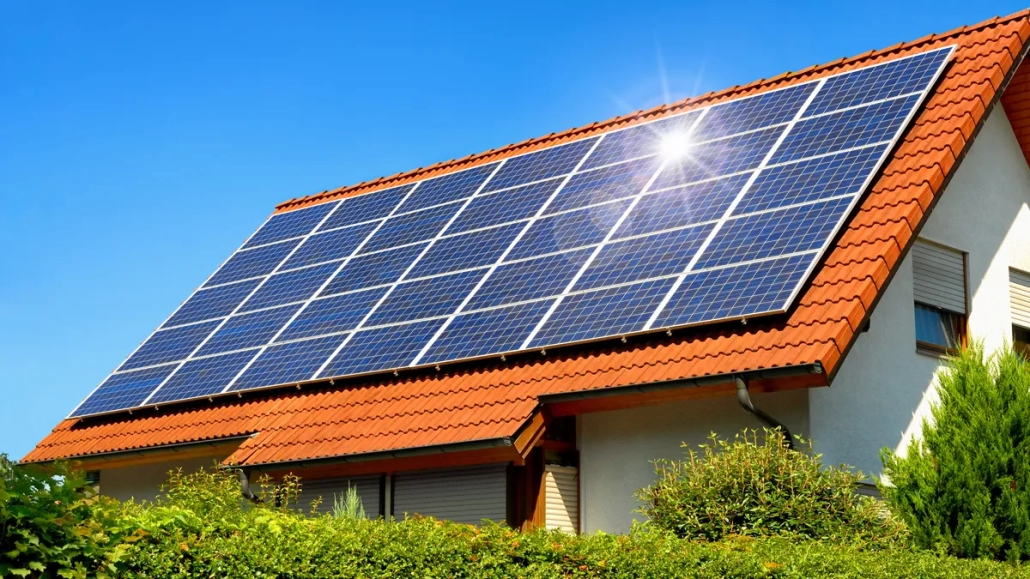
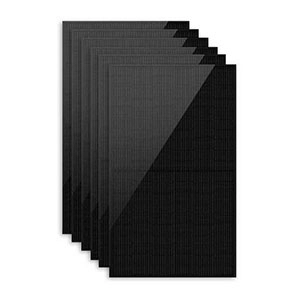
Adding additional solar panels to your off grid home solar system is one of the easiest ways to expand your energy capacity. BARANA designs its solar panels with a modular structure that allows users to add them easily to an existing setup. Each panel integrates seamlessly with the rest of the system, ensuring that the system effectively captures and stores the energy generated by the additional panels. These panels’ modular nature allows homeowners to increase their energy production gradually. Instead of purchasing many panels at once, individuals can start with a few panels and add more as their energy needs grow. This flexibility allows homeowners to keep costs low for the initial installation and gradually expand the system as their budget allows or energy needs increase.

Solar Panel 1

Modular Battery Storage for Seamless Energy Expansion

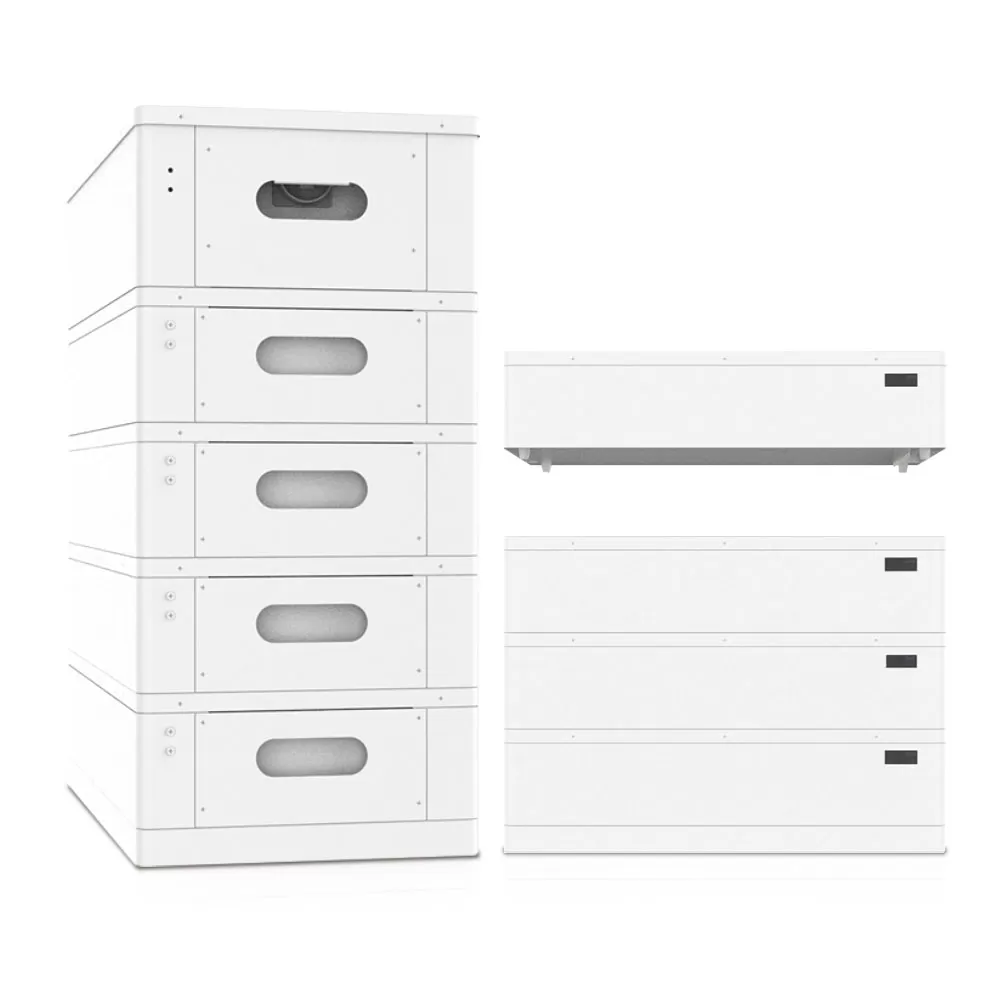
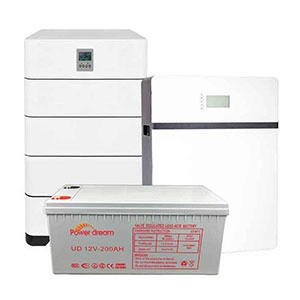
Another key aspect of modular design in off grid home solar systems is the ability to add modular battery storage. Solar Batteries play an essential role in off-grid solar systems because they store excess energy generated during the day, ensuring that users can use it at night or on cloudy days. As energy demand increases, so does the need for storage. BARANA’s modular battery storage solutions allow homeowners to expand their energy storage capacity over time without replacing existing batteries. Users can also add each battery unit to the system to provide additional storage, allowing them to customize the system to their specific needs. If homeowners want to increase their energy independence and ensure enough storage space for a larger home or more appliances, they can add more batteries.

Solar Battery 1

Off grid home solar system: modular design, energy-efficient, and cost-effective

One of the most significant advantages of the modular design of off grid home solar systems is its cost-effectiveness. Many homeowners are concerned about the upfront costs when installing a solar system. With a modular design, BARANA allows users to start with a smaller, more affordable setup and add components as needed or budgeted. This makes renewable energy accessible without a large initial investment.

Additionally, gradually expanding the system allows homeowners to avoid purchasing unnecessary components at the outset. By purchasing only the necessary components and progressively expanding the system, users can reduce costs and maximize their return on investment. Additionally, because the system is modular, homeowners can choose the most cost-effective and efficient components, ensuring that each addition delivers the most value in energy savings.

Advantages of modular design

The modular design offers significant advantages to homeowners seeking flexibility, expandability, and cost-effectiveness in their off grid solar systems. Modular designs ensure that solar systems can grow with the user’s energy needs by allowing homeowners to gradually expand their systems by adding solar panels, battery storage, or other components.

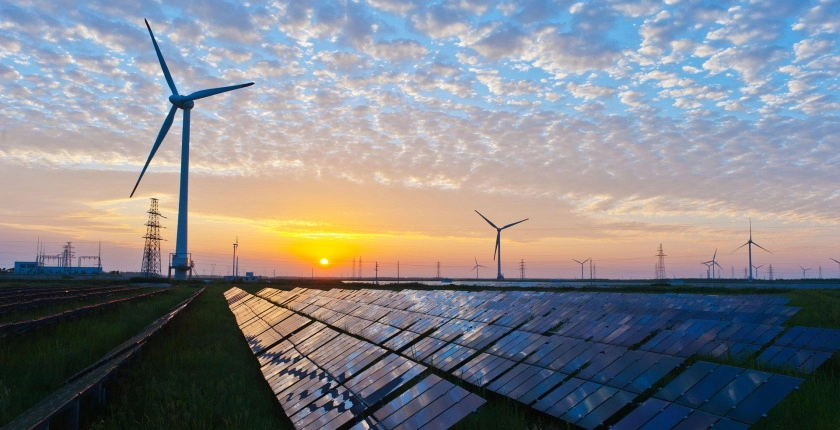
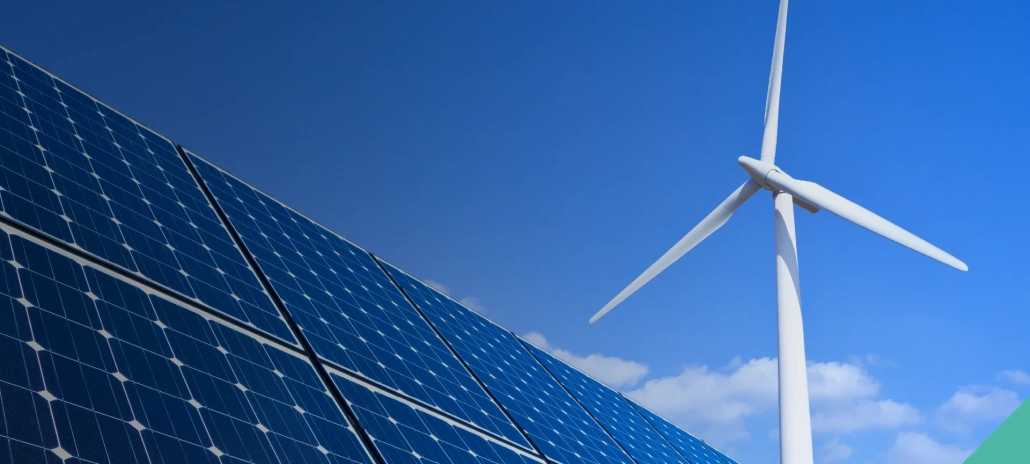
off grid solar power system kits combined with wind power to maximize off grid energy

The need for off grid power systems is surging, and traditional energy sources are expensive and unreliable in remote or rural areas with limited or no access to the grid. Off grid solar power system kits combined with wind power offer an innovative solution to this problem. Individuals and communities can create a reliable, efficient, and sustainable energy system by combining these two renewable energy sources. We will also show you how to integrate wind power with off grid solar power system kits to maximize off-grid energy and ensure a more stable and robust energy supply.

Off grid solar power system kits improve energy reliability with wind energy integration.

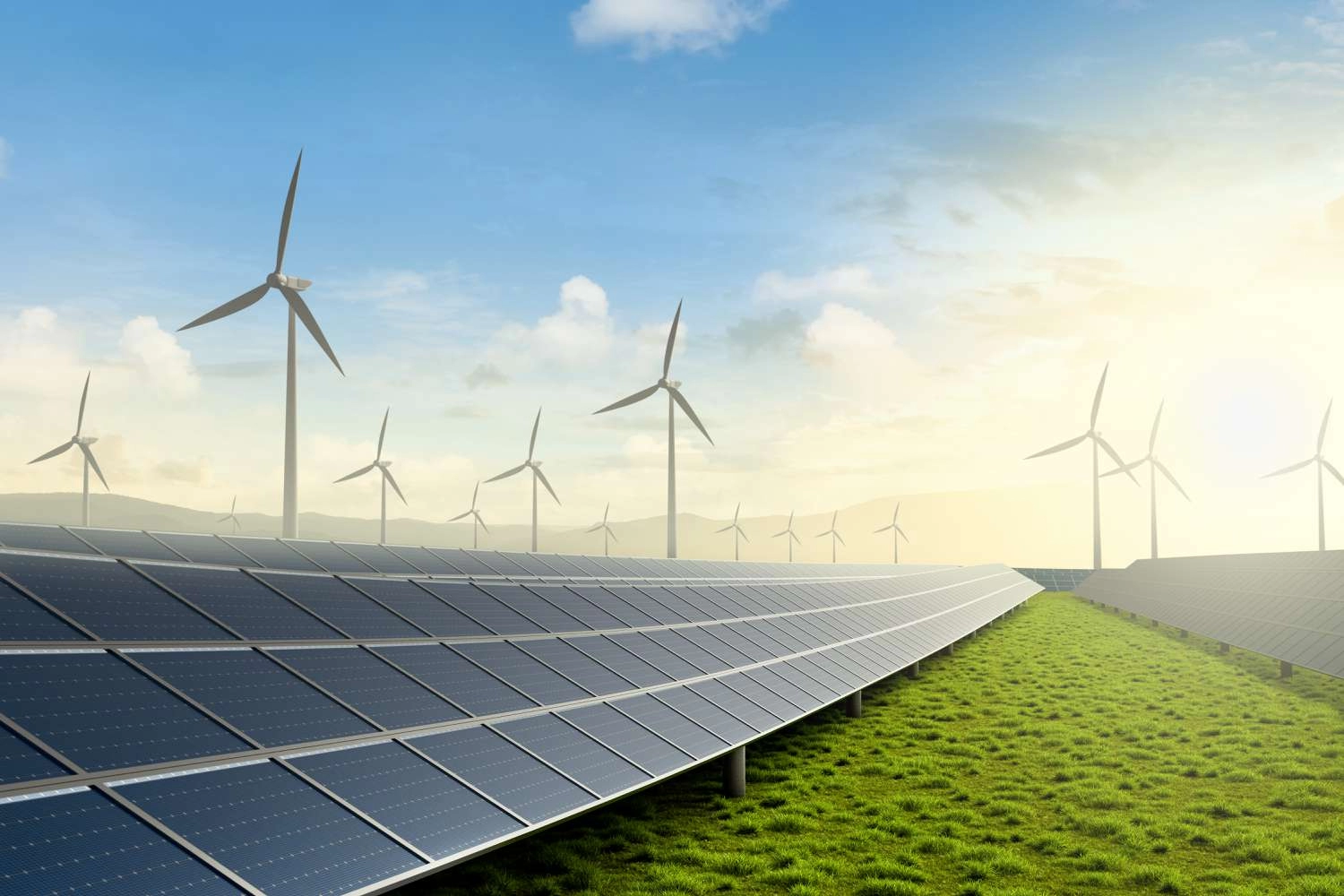
Modern off grid energy solutions require redundancy, and combining an off grid solar power system kit with a wind turbine creates a hybrid system that operates 24/7. Solar panels perform well during the day but do not produce any energy at night, while wind turbines generate electricity day and night when wind speeds exceed 6 mph.

BARANA’s field tests in Wyoming, USA, showed that pairing a 5kW solar kit with a 2kW wind turbine reduced generator dependency by 83% compared to a solar-only installation. This synergy is critical in areas with seasonal weather changes, with solar making up for calm summer days and wind making up for stormy winter days.

Off grid solar power system kits 1

Off grid solar power system kits can balance the intermittency of wind power

Wind power’s unpredictability—output fluctuates between 0% and 100% in a matter of minutes—poses challenges for stand-alone systems. Integrated off-grid solar power system kits stabilize this volatility: Solar provides a steady daytime output to offset low wind periods. In contrast, excess solar can charge batteries to cover windless nights, and bright inverters seamlessly blend the two energy sources. A 2023 Michigan Technological University study found that hybrid systems maintained 92% of steady power output, compared to 67% for wind-only setups. BARANA’s modular design allows users to start with a solar kit and add a wind turbine using shared infrastructure.

The benefits of integrating wind and solar as off grid energy sources

Combining an off grid solar power system kit with wind power offers various benefits for off-grid living. One of the main advantages is the increased reliability of the power system. By relying on wind and solar power, you can reduce the likelihood of a complete energy outage. This is especially important for critical applications such as off-grid homes, farms, or emergency preparedness.

Another significant benefit is the improvement in overall energy efficiency. When solar power generation is low, wind power can pick up the slack and vice versa. This ensures a more stable supply of electricity throughout the day and night. In addition, hybrid systems reduce reliance on fossil fuels or backup generators, making them more environmentally friendly. The combination of these two renewable energy sources provides an energy system that is both economical and environmentally friendly.

Off-grid solar power system kits3

Key Factors to Consider When Combining

While combining wind power with an off grid solar power system kit is very beneficial, several factors should be considered when designing and installing a hybrid system. The first thing to consider is location. The efficiency of wind and solar power depends mainly on the climate and geographic location of the installation site. Areas with plenty of sunlight are ideal for solar power, while places with steady winds are ideal for wind turbines. Next, the solar panels and wind turbines must be appropriately sized to meet your energy needs. A professional energy audit can help determine the best combination of these two energy sources. Additionally, proper installation of wind turbines and solar panels (integrated with battery storage systems) is critical to ensuring the smooth operation of the hybrid system.

Environmental and Economic Benefits of Combining the Two

Combining off grid solar power system kits with wind power improves energy efficiency and provides significant economic and environmental benefits. Integrating wind power can help reduce operating costs by reducing reliance on expensive fuel generators or the need to recharge batteries frequently. While the initial installation cost of a wind turbine may be higher than a solar-only system, the long-term savings in fuel and maintenance costs make it an affordable option. Combining these renewable energy sources can significantly reduce your carbon footprint from an environmental perspective. Both solar and wind power are clean, renewable resources that produce virtually no greenhouse gas emissions during operation.

Maximizing Off Grid Energy

Combining off grid solar power system kits with wind power is an effective strategy for maximizing off-grid energy. By leveraging the complementary strengths of solar and wind power, individuals and communities can create a reliable, sustainable energy system that meets their needs day and night. Whether you want to power a remote home or reduce your carbon footprint, integrating wind and solar power is an environmentally friendly and cost-effective way to achieve energy independence.

How BARANA’s Solar energy storage solution improves energy management in smart cities?

Cities worldwide are now transforming to smart cities powered by renewable energy, and energy storage is integral to this transformation. As cities seek to reduce their reliance on traditional power grids and improve energy efficiency, solar storage is vital in improving energy management. The Solar energy storage solution provided by BARANA provides an efficient, reliable and sustainable way to store and manage solar energy for smart cities. We will share how BARANA’s solar storage solution improves energy management in smart cities. From optimizing energy distribution to supporting sustainable development goals, the solution helps meet the growing demand for reliable renewable energy.

The role of solar storage in smart cities

Solar energy storage solutions are an essential part of smart city energy infrastructure. In a typical smart city setting, renewable energy sources such as solar energy generate energy and store it for later use. When insufficient sunlight or demand exceeds immediate production capacity, stored energy is essential to meet peak demand. As urban areas increasingly adopt solar energy, effectively managing this energy becomes a key challenge. BARANA’s solar storage solution integrates seamlessly with solar panels and smart grids, storing excess solar energy in batteries for future use. This integration improves energy security by providing a stable and reliable power supply to critical infrastructure, homes and businesses. Additionally, it helps reduce energy waste and ensures efficient use of renewable energy throughout the day, even when demand fluctuates.

The role of solar storage in smart cities

Environmental Benefits of Solar Energy Storage Solution

Solar energy storage can impact smart cities’ environmental impact. Traditional methods of energy production, such as fossil fuels, release harmful greenhouse gases that contribute to climate change. Solar energy, on the other hand, is clean and renewable, making it an ideal solution for reducing a city’s carbon footprint.

BARANA’s solar energy storage solutions help cities maximize the environmental benefits of solar energy by ensuring efficient energy use. By storing excess energy, cities can avoid wasting renewable energy that would otherwise go to waste if not immediately utilized. Instead, the system can use the energy later, reducing reliance on polluting fossil fuel power plants. Smart cities can significantly reduce their dependence on the grid and greenhouse gas emissions by adopting solar energy storage.

Environmental Benefits of Solar Storage Solutions

Optimizing Energy Management with Solar Energy Storage Solution

Efficient energy management is a fundamental component of any smart city. Traditional grid systems are often inefficient due to energy losses during transmission and distribution. In contrast, solar energy storage solutions provided by BARANA enable cities to store and use solar energy locally, minimizing these transmission losses and improving overall energy efficiency.

The combination of solar energy storage systems and smart grids ensures that energy is distributed based on real-time demand. During the day, excess solar energy generated by rooftops and solar farms can be stored in batteries. When demand peaks or solar generation drops, the stored energy is deployed to fill the gap, avoiding reliance on external energy sources or backup generators. Solar energy storage solutions can also help cities reduce waste using energy more efficiently.

10kW off grid home solar system 1-2

Supports smart grid integration and flexibility

Smart grids are integral to smart city functionality, enabling efficient energy management and distribution in urban areas. They use digital technology to monitor and control the flow of electricity from various sources, ensuring that supply meets demand in real-time. Solar energy storage solutions like those provided by BARANA complement smart grids by delivering dynamic, flexible energy that users can use when needed. Smart grids collect data from various energy sources, including solar panels, wind turbines, and batteries, and adjust energy distribution to optimize usage. When solar generation is high, smart grids can prioritize renewable energy. The grid can draw power from stored solar energy during low generation, ensuring a reliable and continuous electricity supply. The combination of the two creates a more resilient and responsive energy system.

Economic Benefits of Smart Cities

Solar energy storage solutions provide environmental and energy security benefits and significant economic advantages. By reducing reliance on the traditional grid, smart cities can reduce energy costs and save millions of dollars in electricity bills. In addition, by integrating renewable energy and reducing energy consumption, cities can attract businesses and residents who value sustainability and cost-effective living. Solar energy storage also allows cities to export excess energy to the grid during peak power generation periods to generate revenue.

The Future of Smart City Energy Management

Solar energy storage is essential to improving energy management in smart cities. BARANA’s innovative technology helps optimize energy use, reduce waste, support energy independence, and reduce costs for urban areas that pursue sustainability and energy efficiency. By combining solar energy storage solutions with smart grids, cities can ensure a more reliable, resilient and sustainable energy supply.

How to combine full home solar power systems with smart home technology?

Combining full home solar power systems and smart home technology is changing how we manage energy consumption and improve our living environment. As homeowners worldwide increasingly adopt sustainable energy solutions, combining solar with smart home automation is a more effective way to optimize energy efficiency, reduce costs, and promote a green future. This article will also share how to combine a whole-home solar system with smart home technology successfully. From energy management to automated appliances, we’ll dive into how this combination creates a connected system that provides enhanced convenience, sustainability, and control.

Consider Smart Compatibility When Designing a Full Home Solar Power Systems

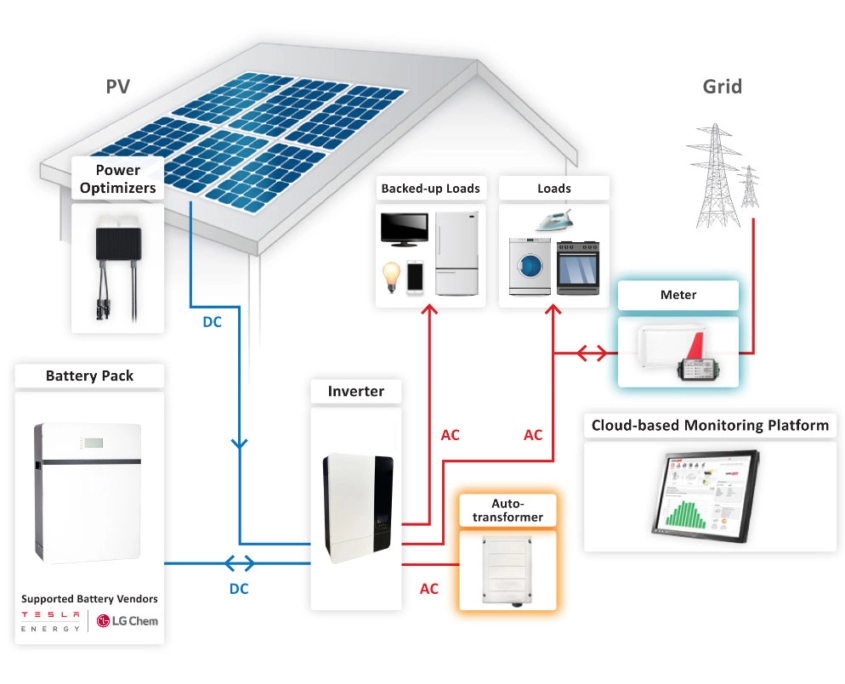
When planning a full home solar power system, prioritize components that integrate with smart home platforms. Start by installing a smart-ready solar inverter, which bridges solar panels and your home automation network. An inverter with Wi-Fi/Bluetooth connectivity allows remote monitoring via an app. Next, make sure your system includes smart meters and circuit-level energy monitors. These devices break down energy usage by appliance, allowing your smart home system to make data-driven decisions. For example, excess energy can automatically charge an electric vehicle or battery storage system during peak solar power generation instead of selling it back to the grid at a lower price.

10kW off grid home solar system 1-2

Synergy Between Full Home Solar Power Systems and Smart Home Technology

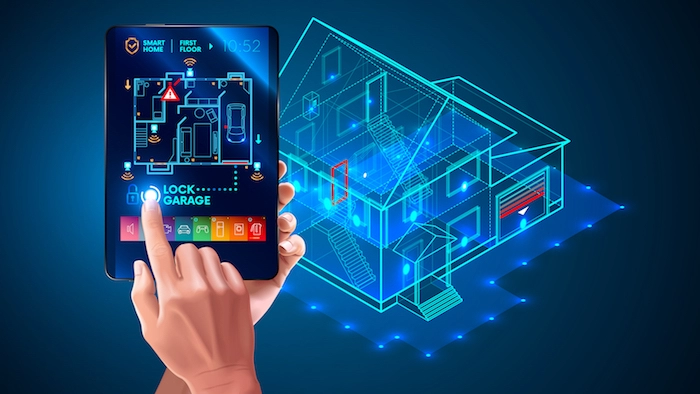
Full home solar power systems are no longer stand-alone energy solutions—they are evolving into innovative ecosystems. By combining solar technology with smart home devices, homeowners can optimize energy production, reduce waste, and achieve seamless automation. Solar panels generate clean energy, while smart home technology is the brain, analyzing usage patterns and automating energy distribution. Pairing a solar inverter with a smart energy monitor allows real-time energy production and consumption tracking. This synergy can reduce electricity bills and maximize the ROI of your solar investment. The key is choosing compatible technologies to communicate quickly to create a unified, energy-efficient home.

Smart Home Technology

How to Improve Energy Efficiency?

Smart home technology enables homeowners to remotely control various systems and appliances, creating a connected environment that improves convenience and efficiency. When combined with a whole-home solar system, smart home devices can provide more effective energy management by automatically controlling energy consumption based on real-time data.

For example, a smart thermostat can adjust the temperature of a home based on the time of day and the availability of solar energy, ensuring efficient energy use. Similarly, intelligent lighting systems can automatically turn off lights when not needed or adjust brightness based on natural light levels. By connecting a full home solar power system with innovative energy management tools, homeowners can reduce their carbon footprint and lower their electricity bills by optimizing solar power generation.

full home solar power systems 1-1

Automating Energy Storage and Consumption

Combining a full home solar power system with smart home technology can automatically manage energy storage and consumption. Smart devices can track the energy generated by solar panels throughout the day and, based on this data, decide when to store excess energy in batteries or send it back to the grid.

For example, if the solar panels generate more energy than the home needs, the system can automatically store the excess energy in the battery for later use. Conversely, if solar energy is insufficient to meet demand, the system can automatically draw energy from the battery or the grid to ensure an uninterrupted power supply. Intelligent energy management platforms can also prioritize using renewable energy and reduce dependence on non-renewable energy.

Improve home comfort and convenience through intelligent integration.

In addition to improving energy efficiency, full home solar power systems can be integrated with other smart devices to enhance home comfort and convenience. Smart home technology lets homeowners control energy-related functions such as lighting and temperature security, entertainment, and appliances from a single platform.

You can program your smart home system to adjust heating and cooling when you are away based on the availability of solar energy. During sunny hours, the system can use solar energy to power cooling equipment, ensuring that you use renewable energy to maintain the comfort of your home. Similarly, smart appliances such as refrigerators, washing machines, and dishwashers can operate when solar energy is available, reducing the demand for electricity during peak hours on the grid.

Create an efficient, connected energy home life.

Combining a full home solar power system with smart home technology can provide a comprehensive solution for homeowners who want to improve energy efficiency, reduce utility costs, and create a more sustainable living environment. By combining smart devices with solar power generation and storage, you can automate energy management, reduce your carbon footprint, and improve the comfort and convenience of your home.