Off grid solar system for winter use: Modular design to meet growing winter demands
For homes, remote cabins, and small communities relying on off grid solar systems, winter presents a rigorous test of system design, durability, and foresight. As a solar system manufacturer, we’ll show you how to cleverly apply modular design to solar panels, batteries, inverters, and control systems to meet increasing winter demands. Modular design is more than just a convenience; it’s a resilience strategy. It allows phased investment, reducing upfront risk; supports hot-swappable components, simplifying maintenance; and enables targeted upgrades rather than replacing the entire off grid solar system for winter use, improving life-cycle economics.
Off Grid Solar System for Winter Use: Solar Resources and Winter Irradiance
Designing any off grid solar system for winter use must begin with an accurate solar resource analysis. Winter irradiance varies depending on latitude, local climate, and site-specific shading. For example, in northern regions, shorter daylight hours and lower sun angles reduce total daily irradiance but often improve module performance per watt of incident power because cells operate more efficiently at lower temperatures. Therefore, historical solar irradiance data, local weather records, and site shading analysis should be used to estimate actual winter power generation.
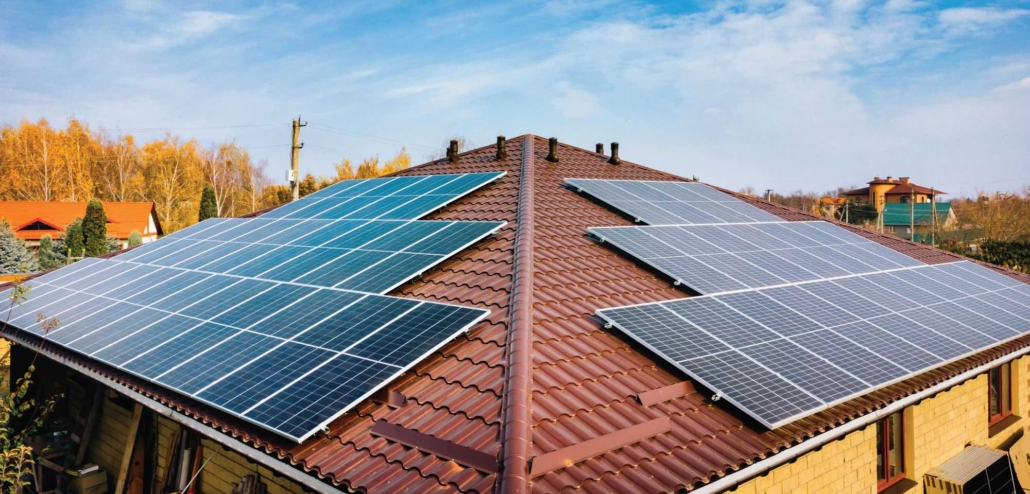
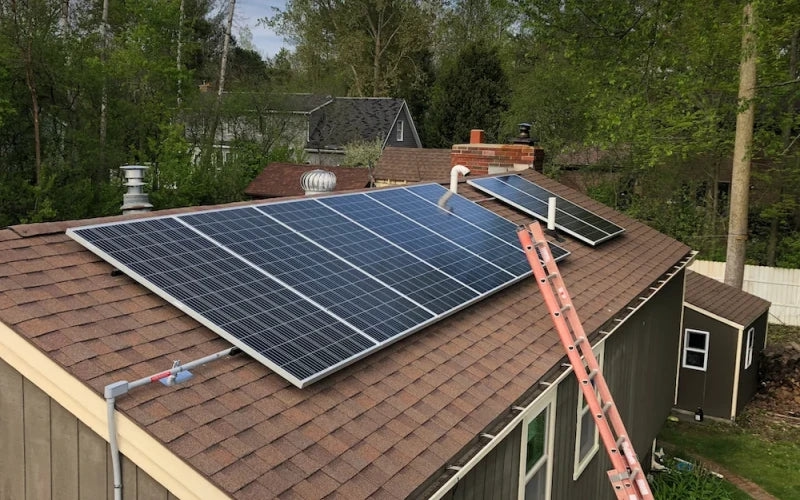
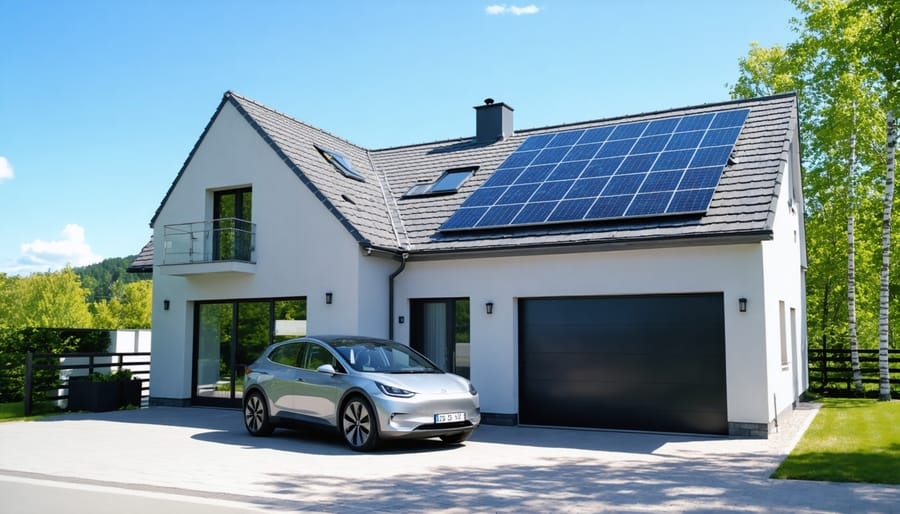
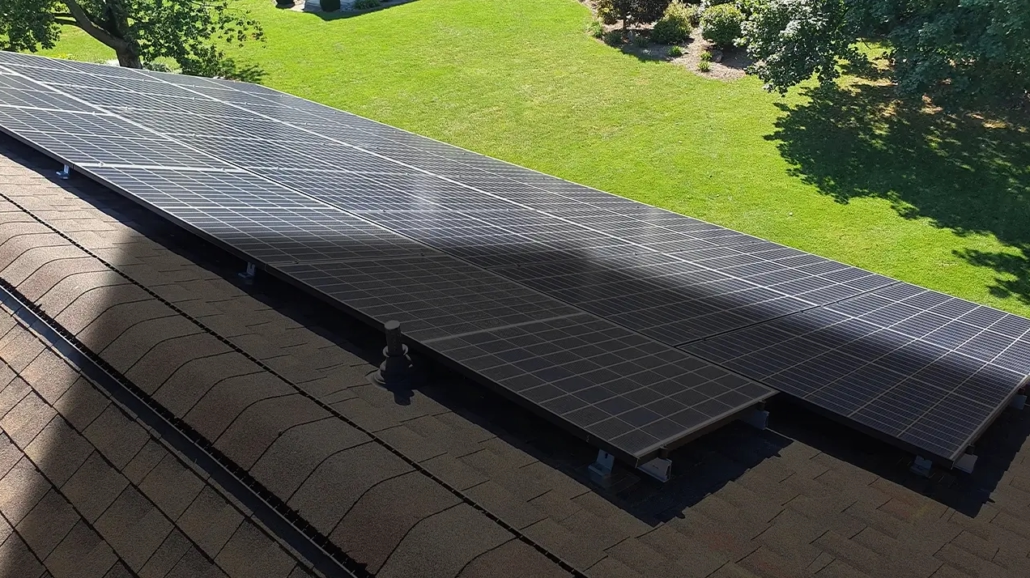
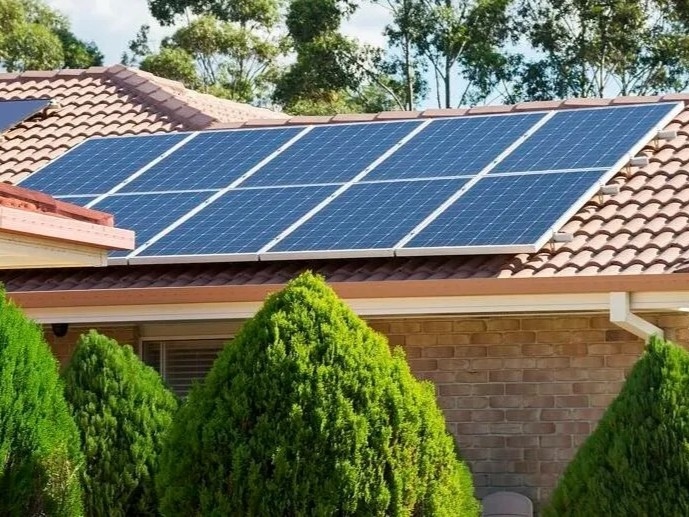
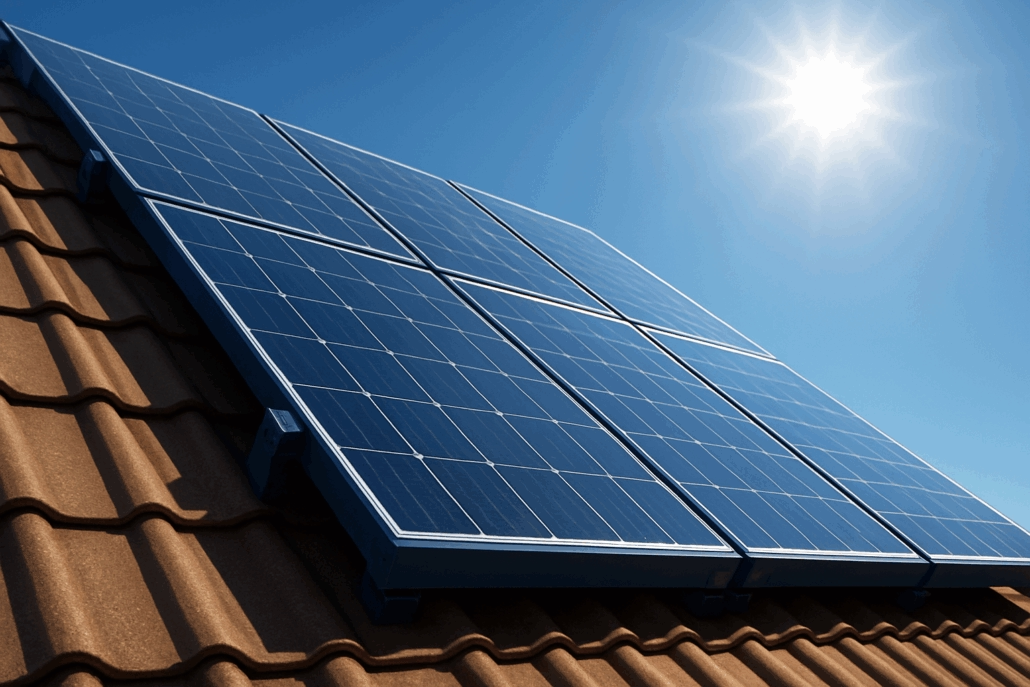
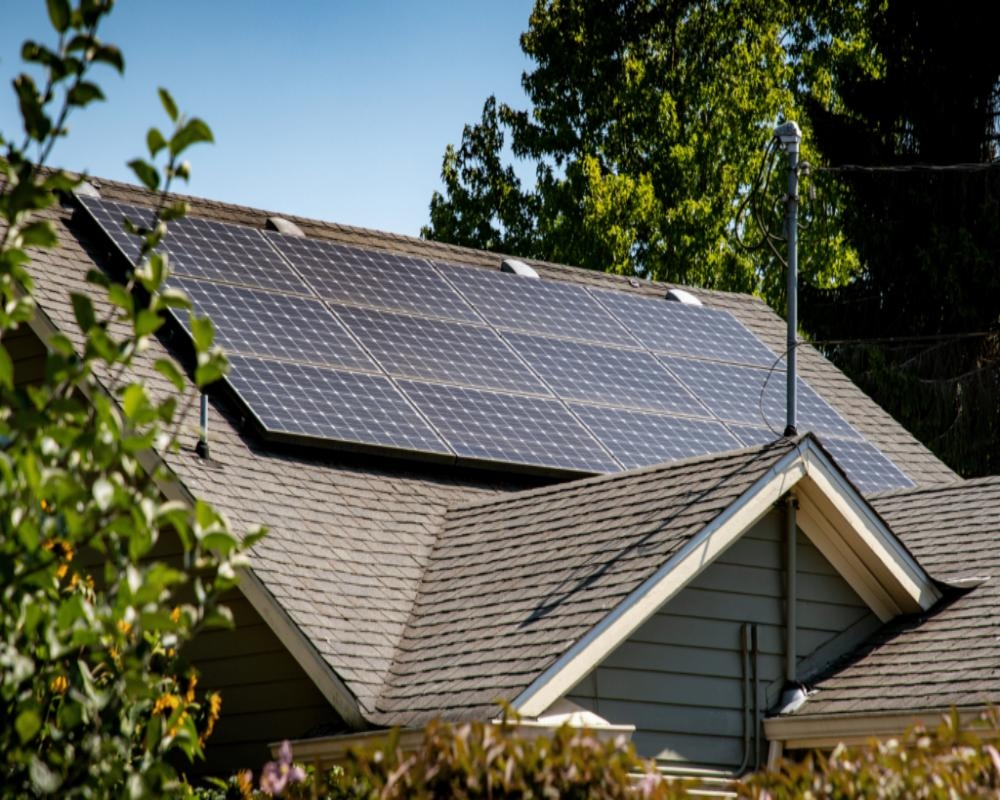
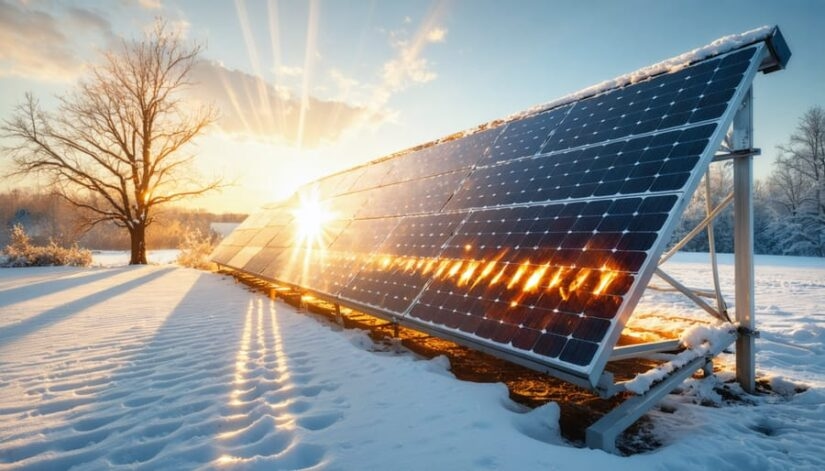
Next, consider the seasonal tilt effect. Adjusting the module tilt angle to a steeper angle for winter can significantly improve solar capture during shorter daylight hours. Design mounts that allow seasonal tilt-angle adjustments whenever possible, or choose ground-mounted arrays with a fixed tilt angle optimized for winter generation. For roof-mounted off grid solar home systems, consider adjustable mounts or microinverters to improve performance at low angles.
Off Grid Solar Systems for Winter Use: Modular PV Array and Component Selection Strategies
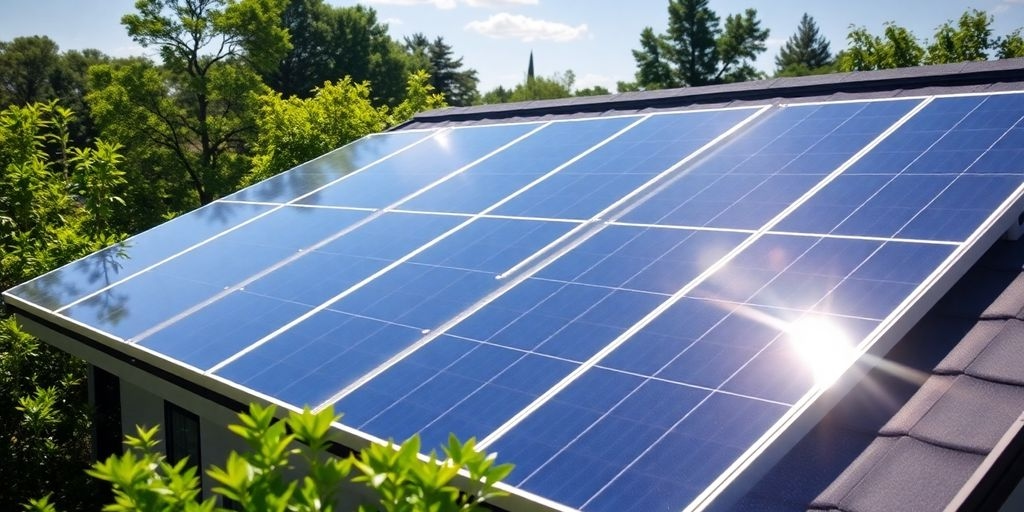
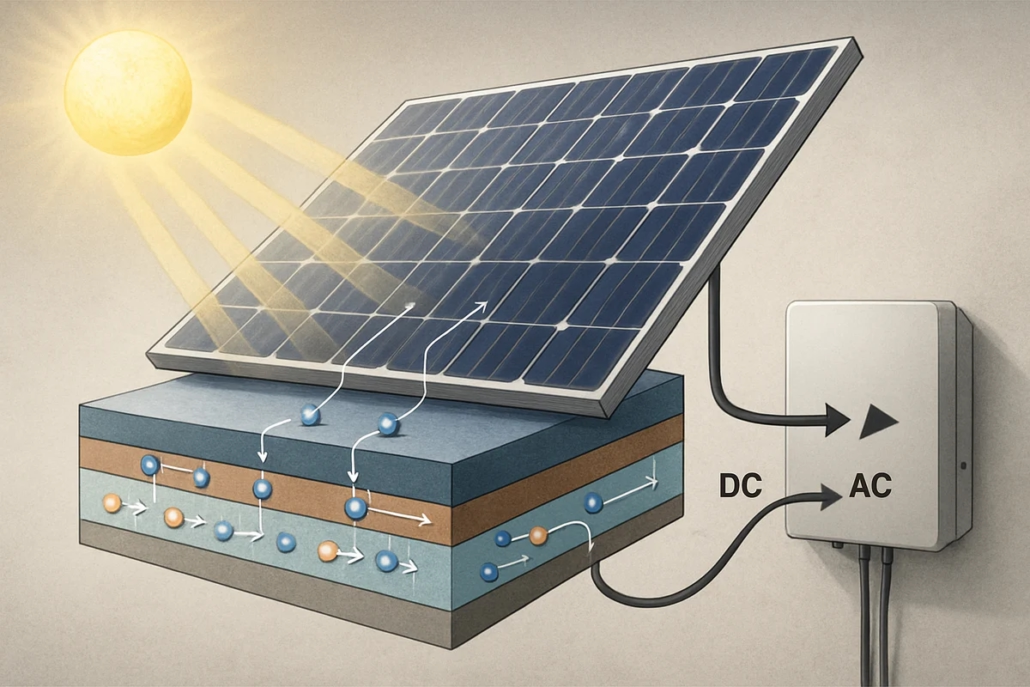
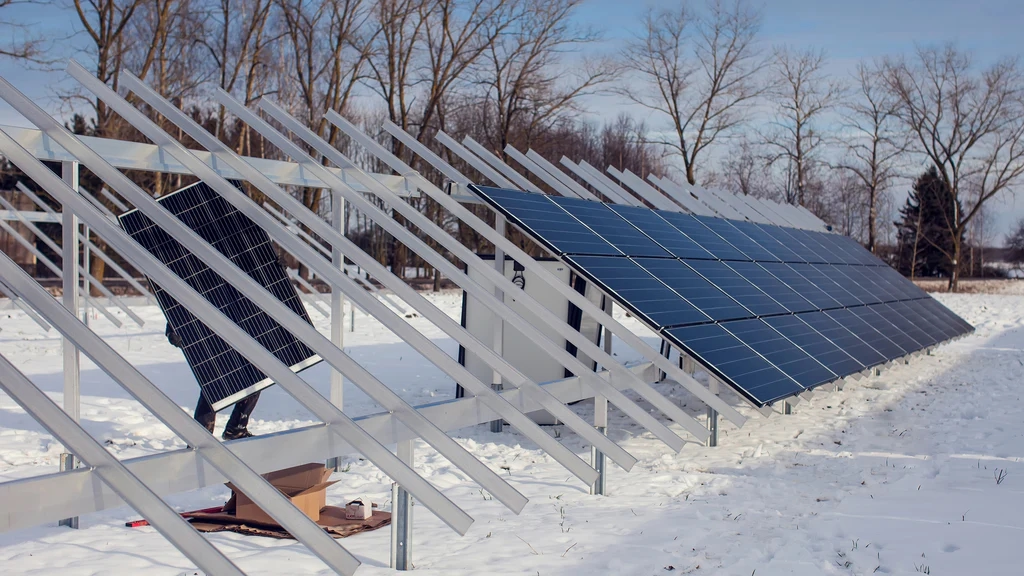
Selecting the right components and arranging a modular PV array is crucial for any off grid solar system for winter use. Therefore, we recommend choosing high-efficiency monocrystalline modules with excellent low-light performance and good temperature coefficients. In the long run, higher-efficiency modules increase power generation per unit area, which is especially important when roof or ground space is limited. The modular design of photovoltaic arrays allows engineers to use replaceable sub-arrays, or “strings,” so they can add or remove components without redesigning the entire system.
For example, the array can be built in modules of 2-4 components instead of one continuous large string. This provides flexibility in system operation—you can add components later to increase capacity, or isolate a string if it is damaged by snow or debris. Furthermore, modular design works seamlessly with module-level power electronics such as microinverters and DC optimizers. These devices reduce power losses caused by partial shading and enable each module to track its maximum power point independently.
Battery Strategy: Chemistry, Insulation, and Modular Energy Storage
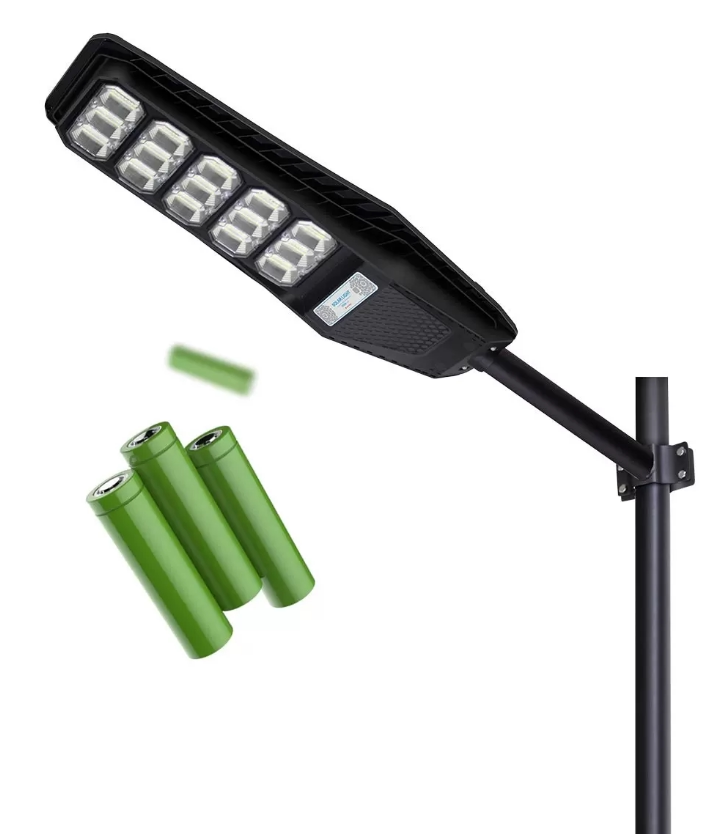
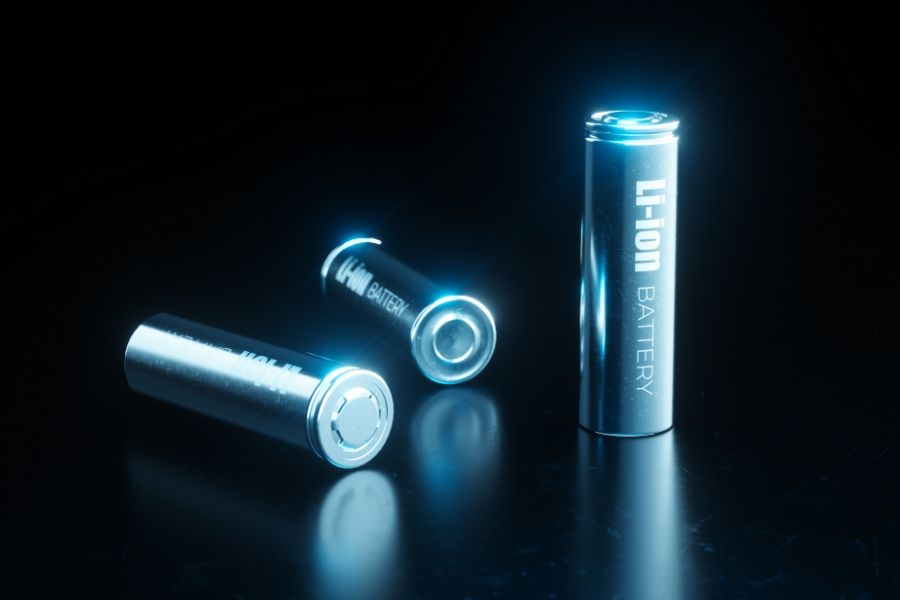
The performance of an off grid solar system in winter depends on its energy storage method. Batteries lose capacity and power in cold weather; therefore, you must choose an energy storage system that can maintain usable capacity and provide reliable power. The first step is choosing the right chemistry: Lithium iron phosphate (LiFePO4) batteries are becoming increasingly popular in off-grid home solar systems due to their long cycle life, high efficiency, and better cold-weather performance compared to some lead-acid batteries.
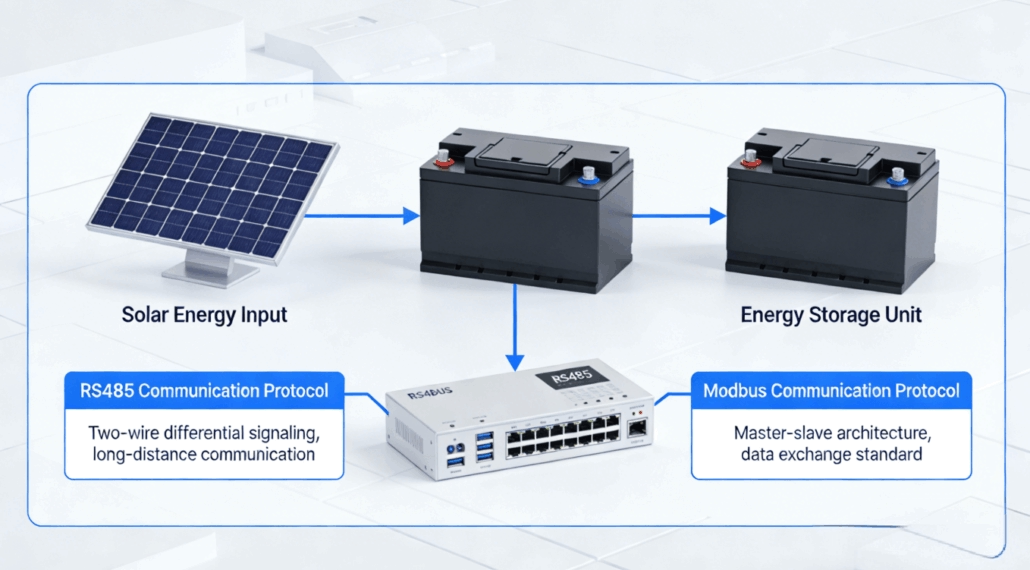
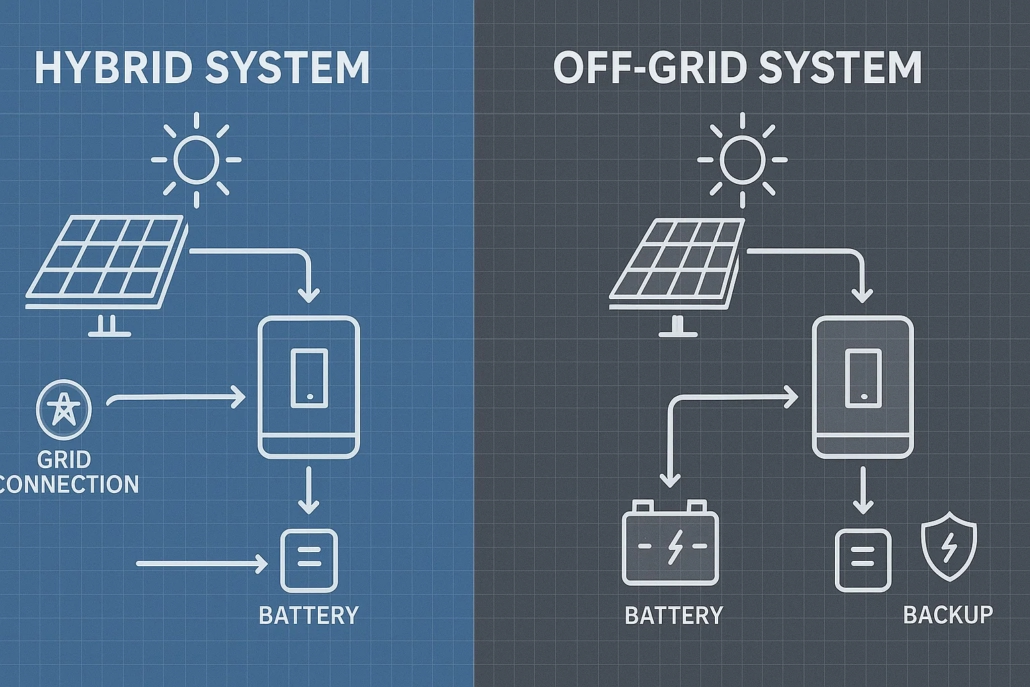
Modular battery packs offer several advantages. First, they allow for phased investment—starting with a smaller battery pack and expanding as needed. Second, modular systems provide redundancy: even if one module fails, the others can still maintain partial capacity. Third, modular design simplifies maintenance and replacement because technicians can service or upgrade individual modules without taking the entire system offline. For winter use, designers should combine modular batteries with insulated enclosures, thermostatically controlled heaters or heating elements, and an intelligent battery management system (BMS) that includes temperature sensors and charge/discharge control. Additionally, designers can consider a hybrid solution that combines battery storage with a backup generator or fuel cell to address prolonged periods of low sunlight.
Inverters, Charge Controllers, and System Electronics
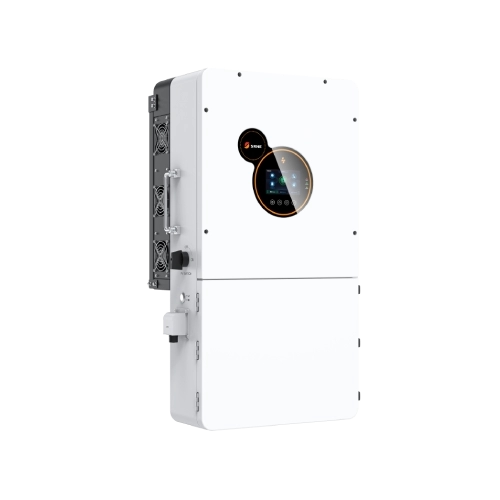
Power conversion and control electronics are core components of any off grid solar system for winter use. When choosing inverters and charge controllers, select models that are cold-weather resistant, can handle the maximum input power of the modular PV strings, and have sufficient capacity to meet peak load demands without frequent clipping. Use MPPT charge controllers; they offer superior efficiency in low light and varying light conditions, significantly improving energy utilization during winter months.
For modular off grid solar systems, choose inverter architectures that support parallel operation or have modular power stages. Power modules allow gradual capacity increases and provide redundancy: even if one inverter module fails, the others can continue powering critical loads. When integrating batteries, use inverter/chargers that can coordinate battery charging curves with the BMS; this prevents overcharging in cold temperatures and optimizes battery lifespan.
Best Practices for Winter Installation, Maintenance, and Snow Management
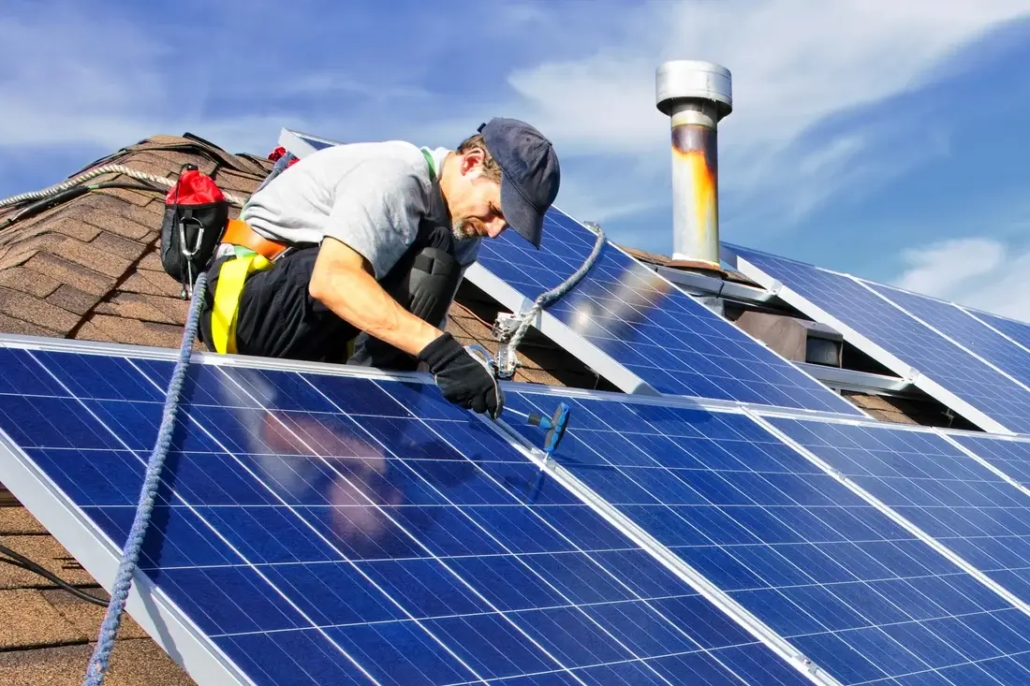
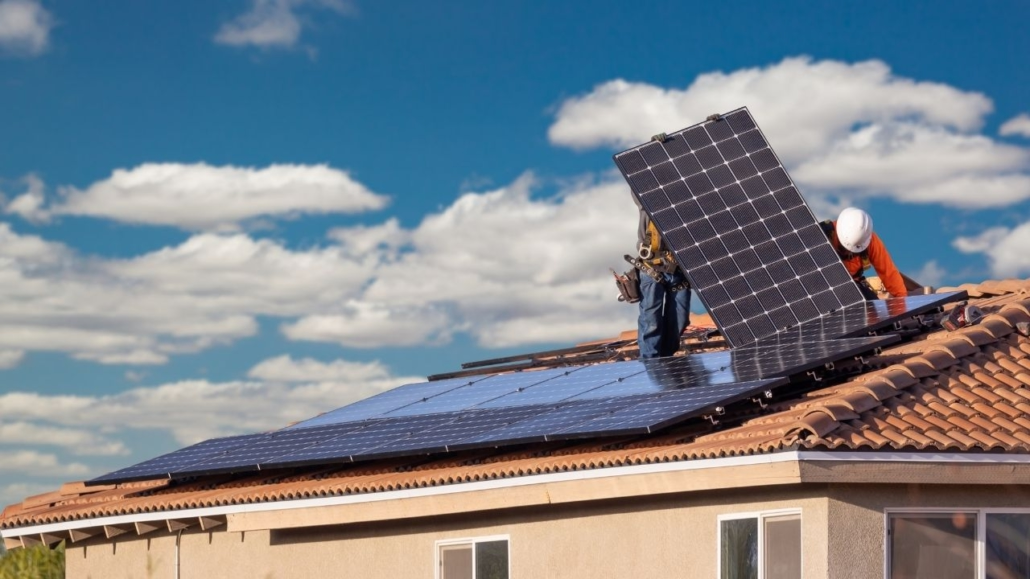
Installing an off grid solar system for winter use requires extra attention to initial construction and ongoing maintenance. First, site safety is paramount: control roof snow loads, ensure safe access for technicians, and adhere to building and electrical codes. Provide installers with winter-specific technical training, including installing snow guards, reinforcing mounting anchors, and using safe de-icing methods.
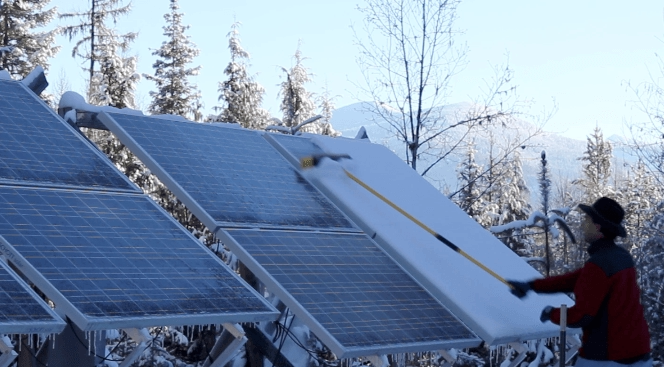
Heavy snow and dirt accumulation will reduce power generation; therefore, active and passive snow removal measures should be considered in the design. Passive snow-removal strategies include steeper tilt angles, smooth glass modules, and snow sheds. Active snow removal measures include manual snow removal, using heating cable systems in critical areas to melt snow, or even small robotic snowplows in commercial settings. However, active systems add complexity and energy consumption, so a cost-benefit analysis is necessary. For small off grid solar home systems, the most straightforward approach is to use a tilted, easily accessible mounting system and to perform regular manual cleaning after heavy snowfall. Maintenance includes regular inspections of wiring, connectors, and enclosures, especially after freeze-thaw cycles and storms, as these can damage seals.
Modular Design Ensures Long-Term Winter Power Capability
Designing an off grid solar system for winter use is not simply about adding more solar panels; it’s about building a resilient, modular energy architecture that can adapt to harsh seasonal conditions and growing demands. By combining a scalable off grid solar system layout with efficient PV modules, modular battery storage, intelligent inverters, and effective thermal and snow management strategies, users can maintain a stable power supply even on the shortest, coldest days of the year. The modular design of off-grid solar systems for winter use ensures long-term power during the winter months, maintaining a stable supply.