How to Install Solar Panel Mounting Brackets on Flat Roofs with Flashing?

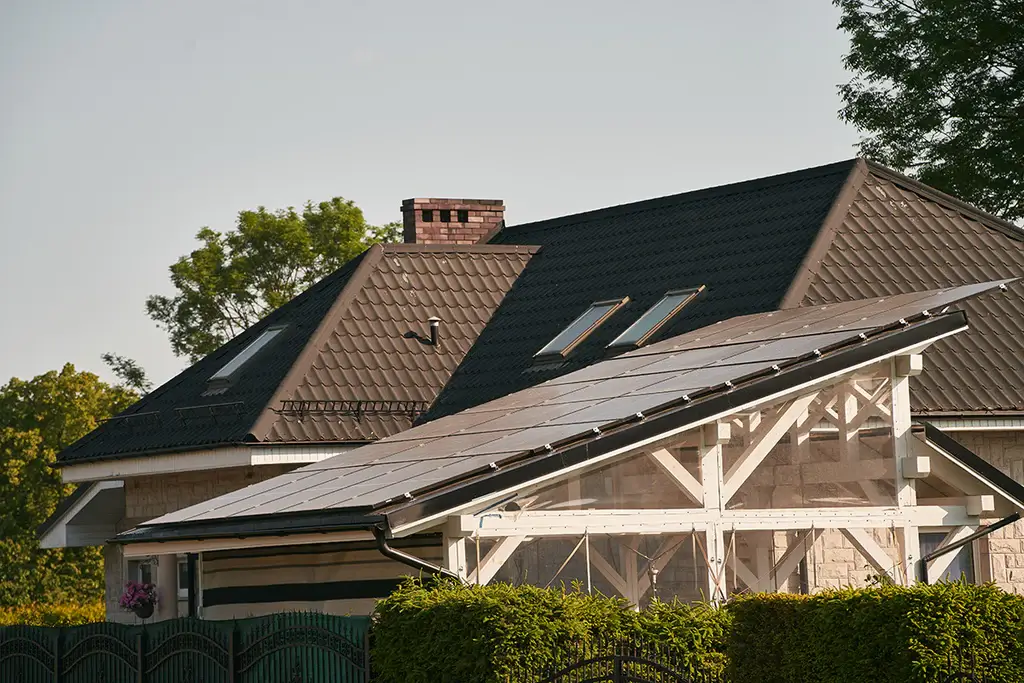
We have undertaken numerous solar panel mounting brackets on flat roofs, the most common type of rooftop renewable energy. Each installation on a different roof type involves connecting the solar panel mounts to the roof membrane and aligning them with existing membrane seams, using specialized tools, sealants, and materials from the solar panel kit to ensure a reliable, weatherproof installation in the harshest conditions.

Site Assessment and Planning for Solar Panel Mounting Brackets

Before touching any roofing materials, I conduct a comprehensive site assessment at the beginning of each project. First, the installer walks the roof to identify low spots where water may accumulate and uses a digital inclinometer to check the slope and membrane condition; then, the PV array layout is drawn and the CAD overlay is exported to a tablet to ensure that each row of solar panel mounting brackets is aligned with the roof seams and underlying structural supports. Existing roof penetrations, vents, HVAC outlets, and skylights are also located to avoid interfering with the placement of the mounts.

Next, technicians use a laser measurement tool to mark mount locations within ±1 cm accuracy and verify clearances from walls and equipment. Our installers will calculate wind and snow load requirements according to local building codes and adjust bracket spacing, ballast, or direct connection methods accordingly. Install each bracket securely on a solid, dry surface.

Site Assessment and Planning for Solar Panel Mounts

Select the type of solar panel mounting bracket and the waterproof material you prefer.

Suitable hardware can bring a lasting installation. I often use adjustable stainless steel solar panel mounting brackets, which are ideal for coastal wind areas and high snow loads. At the same time, the system pairs EPDM-lined waterproofing kits with roof membranes to achieve uniform, chemically compatible bonding. Before formal installation, we will evaluate the bracket foot design of each solar panel kit, using bolt-on connections in high-wind areas or non-penetrating ballast solutions to prevent roof warranty-prohibited penetration. Additionally, we will pre-cut and thermoform the flashing to match the installation location of each bracket, thereby reducing on-site manufacturing time and waste by ensuring a precise match between the bracket and flashing materials. Proper installation ensures a seamless, durable seal between the bracket and roof surface, extending the solar panel’s service life.

Roof Preparation and Membrane Protection

Once the materials are selected, we clean the membrane around each marked location using 100% isopropyl alcohol and a lint-free cloth to remove oil, dirt, and oxides. Afterwards, I remove loose debris with a soft-bristle brush and verify that the membrane has no punctures or seam separations. In addition, I apply a membrane-approved primer to each area to enhance the adhesion of the flashing tape or liquid flashing membrane. In high-traffic areas, I install silicone-coated sidewalk mats to prevent wear on the roof and reduce the risk of slips while working. Additionally, workers set up temporary sunshades as needed to prevent the sealant from curing too quickly in direct sunlight. By protecting the membrane and ensuring that the substrate is clean and primed, I lay the foundation for a strong, leak-proof flashing bond that will withstand years of thermal cycling and structural movement.
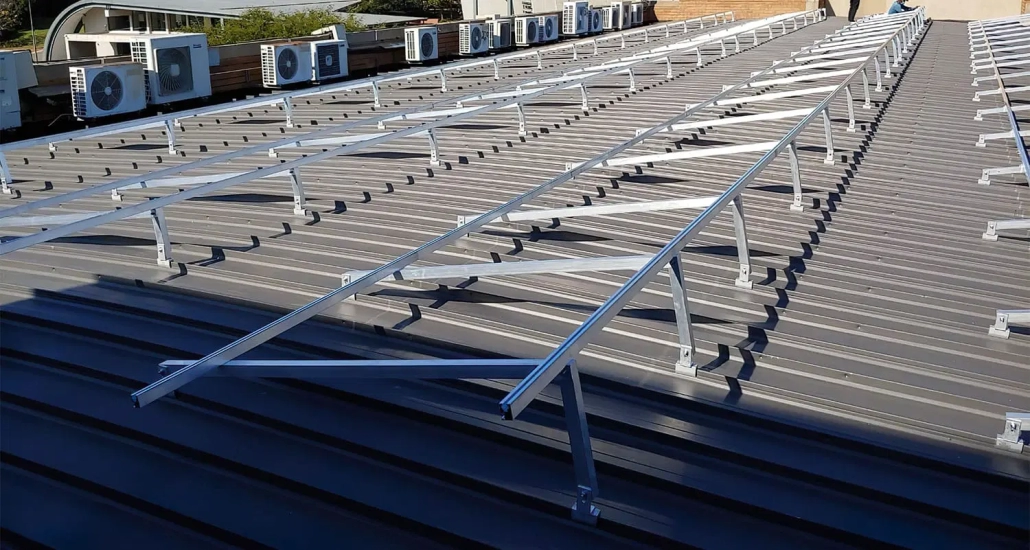
Solar Panel Mounting Brackets 1-2

Install Flashing and Baseboards

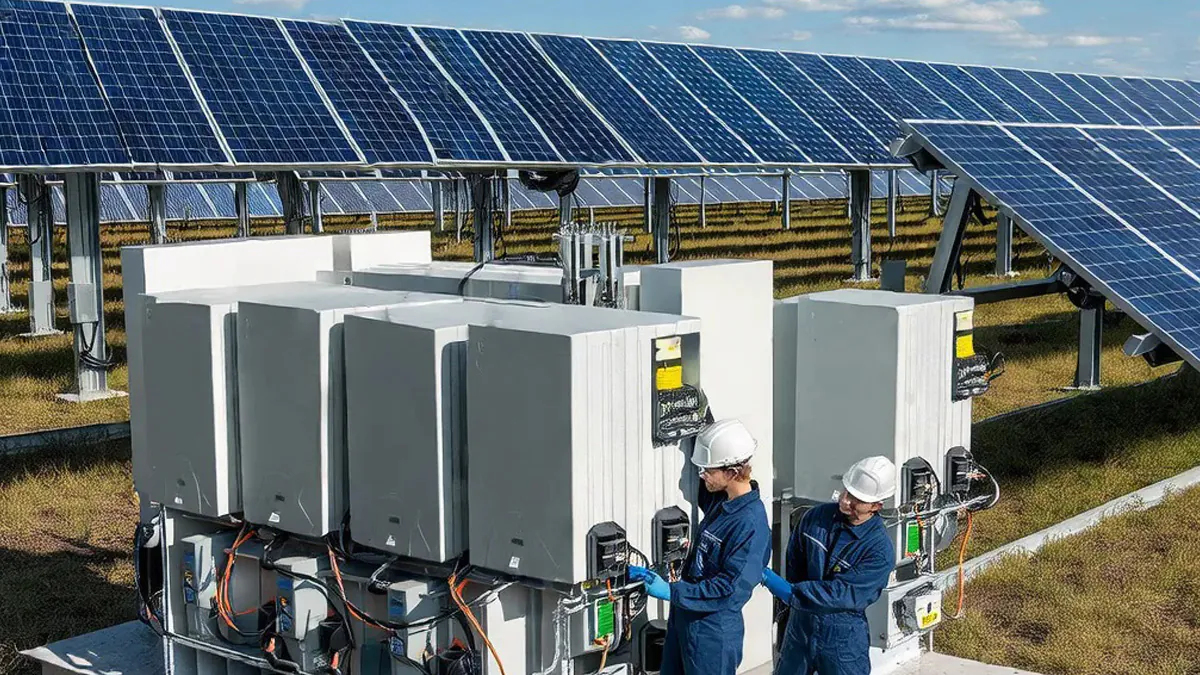
Installing flashing underneath each solar panel mounting bracket is key to a flashing design. At this stage, I carefully place the prefabricated flashing over the primed area, smoothing out bubbles and wrinkles with a weighted roller; I then glue or weld the flashing edges according to the membrane system’s specifications, using heat welding for TPO/PVC and industrial adhesives for EPDM. We also use stainless steel spacer fasteners to secure the bracket base through the flashing, ensuring a snug fit without over-torquing and deforming the membrane. Each fastener head is then back-sealed with a compatible butyl sealant to prevent capillary wicking. For some of the windier South American locations, I also apply a continuous coat of polyurethane sealant around the perimeter of the base for added redundancy. This creates a solid, impermeable barrier that protects the roof under the solar panels from moisture penetration and mechanical wear.

Securing the panels and adjusting the tilt

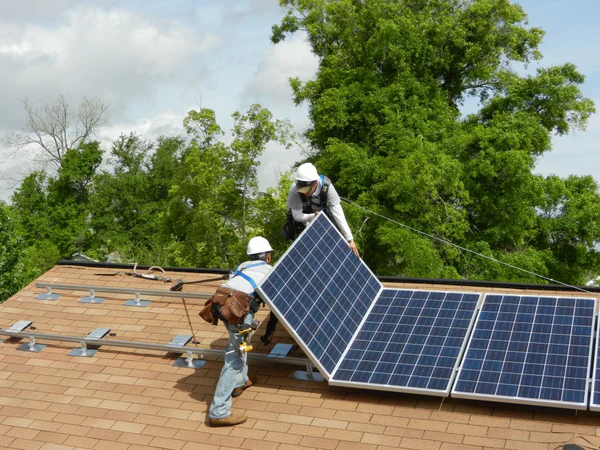
Once all bracket bases and flashings are in place, the rails and panel fixings begin. Installers snap the extruded aluminum rails into the bracket clamps and use a box level with a laser line to align them vertically. Then, they secure non-slip end stop clips and mid-span fasteners to block rail movement under wind loads. We install each solar panel using factory-supplied torque-controlled stainless steel clamps and neoprene washers to minimize micro-vibration and precisely achieve the specified clamping torque. Next, technicians adjust each bracket’s tilt angle using built-in slots and calibrated protractors, typically setting it between 10° and 15° for maximum annual energy output. Finally, I recheck all fasteners to ensure consistency and compliance with structural calculations and local building codes.

Final Inspection and Maintenance Tips for Solar Panel Mounting Brackets

After completing all installations, I will inspect each solar panel mounting bracket and flashing detail comprehensively to confirm their integrity. Finally, I will perform a water immersion test, gently spraying water on the panel array with a calibrated nozzle and monitoring the flashing interface for any signs of leakage. I will also verify the torque of all bolts and confirm the straightness of the track using multiple data points from laser line scanning.

At the same time, our installers will prepare a detailed handover report, including high-resolution photos and torque logs of each flashing. They will then guide customers through routine maintenance tasks, such as cleaning debris around the bracket base, conducting annual sealant inspections, and recording thermal anomalies through infrared scanning. By combining a meticulous final inspection with clear maintenance instructions, we ensure that every flat roof solar installation can withstand the test of various factors.

Careful and reliable completion of each installation

Before each installation, we assess the roof condition, select compatible brackets and waterproof membranes, prepare and apply the baseboard, and install and seal each baseboard with mechanical fasteners and high-performance sealants. We also install and align rails and modules, and perform a comprehensive final inspection. To ensure the flat roof solar array is durable, leak-free, improves power generation, and minimizes maintenance.

The most significant advantage of lithium ion solar batteries for large-scale energy storage

Lithium ion solar batteries convert solar energy into reliable, on-demand power for large-scale applications. They have a higher energy density per cubic meter than lead-acid batteries and flow batteries, significantly reducing the installation footprint. Lithium solar batteries have deep cycle durability, able to withstand thousands of cycles with minimal capacity decay, ensuring a service life of up to ten years. Fast response characteristics and intelligent management systems allow them to adjust output to meet grid demand in milliseconds to meet the needs of large-scale applications.

Higher energy density and faster efficiency of lithium ion solar batteries

The high energy density of lithium ion solar batteries can significantly reduce the site footprint of large-scale energy storage. For example, our 15kWh solar battery storage module has the same usable energy as 30kWh of traditional lead-acid batteries. It can be installed on rooftops, in containers, or existing equipment rooms. The battery racks are designed to maximize the efficiency of kilowatt-hours per cubic meter, reducing site costs by up to 40% compared to traditional systems. In addition, these high-energy-density modules streamline logistics, cut transportation and installation costs, and enable rapid deployment in space-constrained urban or rugged environments. This space efficiency is ideal for use in urban solar farms, electric vehicle charging centers, and large-scale users.

Higher energy density and faster efficiency of lithium ion solar batteries

Deep cycle durability, extended service life

Deep cycle durability enables lithium ion solar batteries to ensure stable capacity after thousands of cycles in large-scale energy storage. Therefore, we use lithium ion solar battery in our battery packs, which retain over 80% of rated capacity after 6,000 full cycles. This enables lithium-ion solar systems to reliably deliver peak shaving and frequency regulation for 10-15 years with minimal performance loss. It uses enhanced battery separators and advanced electrolyte formulations to resist degradation under high-rate discharge and ensure stable voltage curves during rapid cycles.

In addition, they can use the most advanced battery management system to balance battery voltage and temperature to prevent imbalances that lead to premature aging. This deep cycle toughness directly translates into lower levelized energy storage costs for utilities and commercial end users.

Bring fast response and grid stability

Lithium ion solar batteries have a fast response speed, which can be a good way to stabilize electricity and auxiliary services. The BMS detects frequency deviations within 10 milliseconds and dispatches corrective power accordingly. Therefore, our battery energy storage system provides synthetic inertia and frequency support for grids with high penetration of renewable energy. At the same time, combined with hybrid inverters, it can transition from idle to full discharge within 50 milliseconds, meeting the strict ERCOT and PJM interconnection requirements. This instantaneous power injection can smooth voltage sags and instantaneous power outages, thereby improving the overall power quality. Therefore, large-scale users and users in areas with extended power outages will use lithium ion solar batteries to start and smooth emergency loads during severe weather events or unexpected generator failures, thereby enhancing the resilience of the grid.

Bring fast response and grid stability

Modularity and Scalability of Lithium ion Solar Batteries

Scalability is another hallmark feature of lithium ion solar batteries, which can easily achieve modular and incremental capacity growth. First, you can deploy containerized 100 kWh modules interconnected by CAN bus and standardized DC bus; second, other modules can be snapped into existing racks and hot-swapped without shutting down the system. At the same time, our system architecture can be developed around plug-and-play power modules, ensuring that field expansion does not require downtime or complex rewiring. Standard communication protocols like Modbus and IEC 61850 enable seamless integration of new modules into SCADA systems. This modular scalability supports changing needs and maintains redundancy and system reliability throughout the installation.

Safety, thermal management, and reliability

The adoption of lithium solar batteries in large-scale applications also lies in their safety and reliability. Each battery string includes redundant temperature sensors and pressure relief vents, so the battery management system detects abnormalities and triggers a controlled shutdown to prevent thermal runaway. And it is also possible to specify the use of liquid cooling jackets or phase change heat sinks in high temperature environments to keep the battery temperature between 25°C and 45°C, thereby optimizing performance and service life. In addition, BARANA’s system complies with UL 1973, IEC 62619, and NFPA 855 standards, providing insurance-level safety for mission-critical deployments. This layered protection ensures operational continuity for utilities, data centers, and large-scale users, giving them peace of mind that lithium-ion solar cells deliver both performance and the highest safety standards.

The most significant advantages for large-scale applications

The most significant advantages of lithium ion solar batteries are their high energy density, deep cycle durability, fast response, modular scalability, and strong safety, which make them easily applicable in any large-scale scenario. With these advantages, users can reduce the total cost of ownership, obtain excellent power quality, and enhance energy resilience.

How do commercial battery storage systems improve power quality?

Power quality, defined by parameters such as voltage stability, frequency consistency, and waveform purity, is essential for sensitive equipment ranging from data centers to precision production lines. The main power quality challenges faced in the construction of commercial facilities can be improved by commercial battery storage systems, which can intercept voltage sags, absorb instantaneous spikes, and seamlessly reconnect to clean energy during grid disturbances. By combining advanced control algorithms with high-performance lithium-ion modules, our commercial energy storage systems can not only store power but also actively regulate the grid interface.

Commercial battery storage systems can perform voltage regulation and fluctuation smoothing.

One of the main functions of commercial battery energy storage systems is real-time voltage regulation. Industrial and commercial power grids often experience voltage fluctuations due to sudden load changes or long-distance transmission losses. For example, the startup of a large motor in a large device can cause a significant voltage drop, potentially endangering sensitive electronic equipment. Therefore, we deploy inverters with fast voltage control loops in our commercial storage systems to detect undervoltage or overvoltage conditions within milliseconds. Additionally, I will configure the inverter’s droop settings and voltage set points to match the equipment’s tolerance, ensuring smooth machine operation. At the same time, the battery’s bidirectional power flow capability compensates for line impedance effects, creating a quasi-ideal voltage source at the point of common coupling. This voltage smoothing capability extends equipment life and reduces downtime in any commercial energy storage system environment.

Commercial battery storage systems can perform voltage regulation and fluctuation smoothing.

Frequency Stabilization and Grid Support

In addition to voltage, commercial battery energy storage systems stabilize grid frequency, thereby improving power quality. The grid sustains 50/60 Hz frequency. Sudden wind turbine outages (10 MW+) or mass EV bus charging trigger imbalances that disrupt this stability. Commercial energy storage systems detect frequency drops through a phase-locked loop, which injects active power to suppress frequency drops. Additionally, you can program our energy management software to provide primary frequency response within 100 milliseconds, automatically replenishing the frequency reserve margin. In addition, our energy storage systems can participate in secondary frequency response, smoothing oscillations within seconds to minutes. Commercial energy storage systems can also act as fast-response virtual generators to support grid stability and prevent cascading blackouts.

Frequency stabilization and grid support

Harmonic Suppression and Waveform Improvement

Harmonic distortion is the non-sinusoidal waveform components generated by non-linear loads, which poses another threat to power quality. A commercial battery energy storage system equipped with advanced inverters can actively filter out these harmonics. For example, our inverters employ pulse width modulation strategies combined with digital signal processing to inject anti-harmonic currents, thereby eliminating 3rd, 5th, and higher-order harmonics. As a result, the waveform generated on the facility bus is very close to a pure sine wave. We can calibrate the inverter’s filter coefficients based on field harmonic sweeps to ensure that the total harmonic distortion remains below 3%, which is well below the IEEE 519 standard. By providing active power and power quality correction, commercial energy storage systems can deliver cleaner power, reduce overheating in inductive equipment, minimize nuisance trips, and enhance overall electrical system efficiency.

Commercial Battery Storage Systems Perform Reactive Power Compensation and Power Factor Correction

Commercial battery energy storage systems can provide or absorb reactive power independently of active power flow. In addition to active power services, our inverters can dynamically adjust their volt-ampere reactive output. As a result, they can correct lagging or leading power factor conditions at the point of common coupling. Setting the inverter to maintain a power factor of 0.98 or higher reduces utility bills and relieves transformer loads. Additionally, this reactive support helps stabilize grid voltage during peak demand, thereby preventing voltage collapse. Commercial energy storage systems can, therefore, act as both an energy buffer and a reactive power compensator, ensuring your facility consumes only the reactive power it needs, thereby improving efficiency and reducing electricity expenses.

Peak shaving, load leveling, and voltage sag prevention

In commercial facilities, peak demand charges typically account for a significant portion of the electricity cost. Commercial battery energy storage systems mitigate this problem by peak shaving and load leveling. However, without energy storage, a sudden increase in HVAC or process loads can trigger a network voltage sag. Therefore, the battery discharges to support the load, preventing voltage sags and equipment stress. Engineers write energy storage dispatch algorithms by analyzing historical load profiles, ensuring peak shaving aligns with utility price windows and grid stability events. Additionally, by keeping the load within a narrow range, the facility avoids excessive transformer magnetizing current and line losses. This dual functionality demonstrates the value of integrated commercial energy storage systems in modern energy strategies.

Enhanced Power Quality

Commercial battery energy storage systems enable multiple power quality improvements: fast voltage regulation, precise frequency stabilization, harmonic mitigation, reactive power compensation, and strategic peak regulation. Utilizing commercial energy storage systems that integrate smart inverters, energy management software, and powerful lithium-ion modules can improve your facility’s electrical performance. By adopting these technologies, businesses can achieve cleaner power, reduce operating costs, and enhance grid resiliency.

Solar energy storage solution at Amazon rainforest research station

When it comes to powering a research station in the Amazon rainforest, traditional diesel generators pose significant logistical challenges: fuel must be transported through dense jungle trails, noise pollution disturbs wildlife, and greenhouse gas emissions impact the environment. Therefore, we proposed a sustainable solar energy solution that combines photovoltaic (PV) arrays with battery energy storage to provide reliable, quiet power. Before determining the solar energy storage solution, we evaluated the critical loads of the research station, including data servers, lighting, and communication systems. We determined a solar system that can meet nighttime needs and intermittent sunlight during the rainy season.

Solar Energy Storage Solution: Designing PV and Battery Systems

When designing an efficient solar energy storage solution for the rainforest environment, we selected bifacial PV modules suitable for tropical climates due to their sturdy frames and high moisture resistance. For example, we installed 7 kW bifacial PV modules with anti-reflective coating to improve power generation in the morning and afternoon. In addition, we utilized LiFePO₄ battery packs. We equipped them with hybrid inverters featuring built-in MPPT controllers to maximize solar energy collection and enable seamless switching between PV, batteries, and backup generators. At the same time, the system will prioritize nighttime solar power discharge and only switch to generator power when battery charge drops below 20%. This rugged design ensures the power station remains operational even in prolonged monsoon conditions.

Solar Energy Storage Solution Designing PV and Battery Systems

How to cope with environmental challenges?

Deploying solar energy storage solutions in the Amazon rainforest means overcoming challenges such as extreme heat, humidity, and wildlife interference. Therefore, we installed the battery modules in an IP65-rated enclosure equipped with a climate control system to maintain an internal temperature between 20°C and 35°C, thereby optimizing performance. Workers coat all metal brackets and conduits with anti-corrosion coatings to prevent rust in humid environments. Additionally, we installed UV-resistant cable sheathing to avoid degradation from strong sunlight. At the same time, we route the lines away from wild animals to minimize the risk of bite damage. In addition, technicians must conduct weekly inspections of door seals, check for moisture infiltration, and verify sensor readings to ensure our sustainable solar energy solutions withstand the rainforest’s harsh environment.

How to cope with environmental challenges?

Real-time monitoring and energy management in solar energy storage solutions

A significant advantage of Power’s dream solar energy storage solutions is the ability to utilize energy management software. We deployed a cloud-based monitoring platform that provides real-time dashboards of PV generation, battery charge status, and load consumption. The monitoring system immediately alerts station managers if battery voltage drops below a critical threshold. As a result, they can remotely initiate load reduction protocols to protect power to essential systems. Additionally, automated demand response scripts adjust non-critical loads, such as laboratory equipment or air conditioners, based on predicted solar input. Additionally, the system can configure custom performance reports as needed and email them daily to the technical team, enabling data-driven adjustments.

Integration with local microgrids and backup power

To maximize resiliency, the solar energy storage solution can be seamlessly integrated with the research station’s microgrid architecture. We connected the inverters to the existing diesel generator sets through load-sharing controllers, ensuring smooth switching during extended periods of cloudiness. We synchronized the phase angles of the inverters and generators to prevent surges. Additionally, we can program the solar system to operate the generator sets at optimal load only when necessary, thereby reducing fuel consumption by up to 80% per year. The microgrid also scales easily; operators can add solar or battery capacity as the research station expands. Coordinated microgrid testing and balanced power flow enable seamless switching.

Integration with local microgrid and backup power at Amazon research station

Final commissioning, training and maintenance

The successful deployment of solar energy storage solutions requires not only hardware installation but also comprehensive commissioning, staff training, and preventive maintenance. After initial system testing, I was responsible for conducting training workshops for station technicians, covering routine inspections, troubleshooting and basic repairs. During commissioning, we conducted a full discharge test to verify the battery capacity. Following this, we provided a maintenance plan outlining monthly panel inspections, quarterly inverter firmware updates, and annual replacement of the cabinet’s HVAC unit air filters. The local team maintains a real-time digital maintenance log, ensuring transparency and accountability.

Bringing a sustainable energy supply to the Amazon Rainforest Research Station

The implementation of the solar energy storage solution at the Amazon Rainforest Research Station utilizes bifacial photovoltaics, lithium-iron-phosphate batteries, hybrid inverters, and anti-corrosion measures to construct a resilient and low-carbon power source. Additionally, remote monitoring and microgrid control enable 24/7 operation, minimizing the need for diesel backup power. For different users, we will provide customized solar energy solutions tailored to their specific needs, aiming to promote sustainability and enhance the efficiency of solar energy operations.

Off grid solar power kits vs. On grid systems: Which is best for remote areas?

In remote areas, where access to the public grid is impractical and expensive, off grid solar power kits are a more suitable energy solution. Unlike grid-connected systems that feed surplus electricity back to the grid, off grid solar power kits operate independently and rely on solar panels, batteries, and inverters to generate electricity. Among our customers, we also offer off grid solar system kits for homes in mountain communities and desert sites. Additionally, without the need for expensive trenching and line losses, they can also enhance energy independence and resilience during periods when the grid is unavailable.

Off grid solar power kits are more suitable for remote areas

For remote areas with limited or no access to the grid, off grid solar power kits can achieve energy independence and are more cost-effective than extending power lines to remote areas. First of all, a complete off grid solar power kit contains several key components that work together. Among them, solar panels capture sunlight, which solar charge controllers then regulate to charge deep-cycle battery banks safely. The MPPT controller can then optimize the output of the panels according to different lighting conditions. At the same time, lithium-ion batteries store energy for use at night or on cloudy days.

Finally, an off-grid inverter converts the stored DC power to AC for home use. In contrast, on grid systems typically do not use batteries but instead export excess power to the utility company in exchange for credits. When designing an off-grid home solar system for a remote location, I consider the load profile, peak demand, critical and non-critical loads, and run time to determine the appropriate battery size.

Off grid solar power kits are more suitable for remote areas

Hidden Costs and Complexities of Grid Connection in Remote Areas

While on grid systems offer convenience in urban settings, their feasibility drops dramatically in remote areas. The main obstacle is the high cost of “grid extension,” where utilities need to lay miles of transmission lines, poles, and transformers to cover a site or a small community. Additionally, this infrastructure is vulnerable to damage from weather, wildlife, or maintenance delays associated with its remote location. Therefore, even if it is technically possible, the upfront costs that customers pay for this extension can be prohibitive, often in the tens or even hundreds of thousands of dollars. Ongoing monthly bills also add to the lifetime costs. Therefore, traditional grid connection is not an economically sensible option for most remote homes, farms, research stations, or telecom sites.

On Grid systems are more advantageous for urban and suburban environments.

On grid systems are often more feasible and cost-effective in urban and suburban areas where utility service is reliable. By connecting solar panels and inverters directly to the grid, homeowners can offset their electricity costs through net metering or feed-in tariffs. At the same time, grid-tied systems avoid the upfront cost of batteries, and the installed price per watt is often 20-30% lower than off-grid kits. Additionally, urban rooftops and suburban backyards usually have stable infrastructure, making permitting and interconnection processes simpler. Because grid-tied inverters automatically synchronize with grid voltage and frequency, these systems can provide continuous power, drawing power from the grid when solar output is insufficient and exporting surplus power when generation exceeds consumption. Therefore, people often choose on grid solar systems in densely populated areas where utility connections are both economical and reliable.

Grid-tied systems are more advantageous for urban and suburban environments (1)

Off grid solar power kits Upfront costs and environmental considerations

While the upfront cost of an off grid home solar system can be two to three times higher than that of a grid-connected installation, the long-term savings can be considerable in remote areas. However, by eliminating monthly utility bills and avoiding hundreds of dollars per mile in transmission infrastructure costs, homeowners can typically recoup their investment in 7-10 years. Additionally, federal tax credits, state rebates, and rural energy grants can reduce net costs by up to 40%. From an environmental perspective, off grid solar power kits can significantly mitigate diesel generator run time, thereby minimizing fuel consumption by thousands of gallons and lowering carbon dioxide emissions by several tons per year. Additionally, quieter operation enhances the quality of life.

Remote Area Application Cases

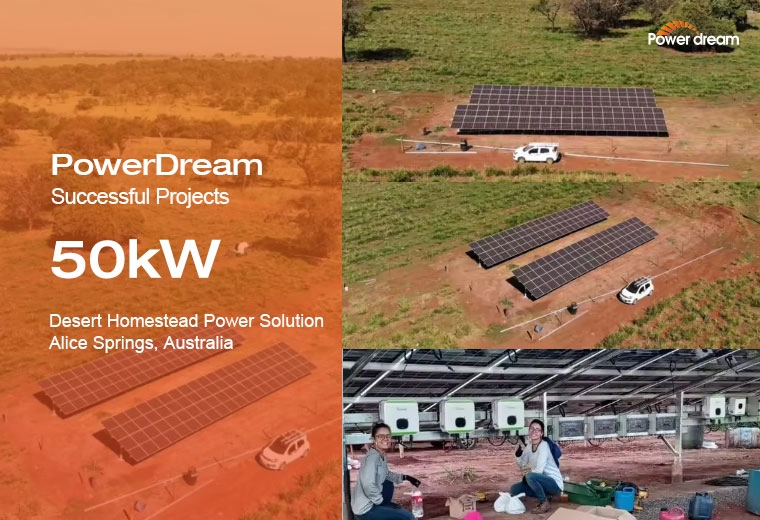
From desert areas to off-grid resorts, a variety of remote area off grid solar system kits have proven their value. For example, at a desert home in Australia, a 50 kW off-grid array is paired with a series of battery packs to power sensors, satellite uplinks, and living quarters year-round. The system provides 2 days of endurance at 90% depth of discharge. Additionally, the use of bifacial panels enhances winter power generation by capturing reflected sunlight. In the Australian outback, many ranchers have also deployed 3 kW off grid kits to run water pumps and lighting, thereby avoiding the expense of 50-mile transmission lines. These case studies show that in remote areas, off-grid solar power kits can not only meet energy needs but also promote economic development and environmental management in communities outside the coverage of traditional utilities.

Remote Area Application Cases

Best solar power systems for remote areas

In remote areas where utility grid extension is impractical or costly, off grid home solar systems can provide autonomy, resilience, and sustainability, albeit with higher initial investments and increased maintenance requirements. In contrast, in urban and suburban areas with reliable grids, grid-connected devices have lower upfront costs, simpler maintenance, and provide financial incentives through net metering. Therefore, off-grid home solar is more suitable for remote areas.

Solar energy inverter communication protocols: Wi-Fi, Ethernet, RS-485

In solar applications, solar energy inverter do much more than convert DC power to AC power. They also serve as a communications hub, reporting performance data and facilitating remote monitoring. To enable seamless data exchange, solar inverters typically support three protocols: Wi-Fi, Ethernet, and RS-485, each with its unique advantages for different installation environments and scalability needs. For example, Wi-Fi excels in residential environments with existing wireless networks, while Ethernet shines in commercial environments that require high data throughput. RS-485 is suitable for industrial automation, providing noise-resistant, long-distance communication in harsh electrical environments.

Wi-Fi Communication for Solar Energy Inverter

By plugging into your home or facility’s wireless network, solar inverters broadcast data such as instantaneous output power, accumulated kWh, and fault codes to smartphone apps and cloud platforms. This wireless approach eliminates the need for additional wiring, reducing installation time and cost. Additionally, Wi-Fi enables easy remote firmware updates, ensuring that your solar inverters are always up to date with optimized performance and security patches.

However, implementing Wi-Fi communication requires attention to network design. First, place the inverter within a strong signal range of your router or access point, ideally within 50 feet and unobstructed by metal enclosures that can attenuate wireless signals. Next, configure the solar inverter’s SSID and password through its onboard display or companion app to avoid configuration errors. If your site experiences frequent power outages, consider using a dual-band router or dedicated SSID for IoT devices to isolate solar inverter traffic from critical IT infrastructure.

Wi-Fi Communication for Solar Energy Inverter

Solar Energy Inverter Ethernet Connections for Reliable Data Transmission

For commercial and utility-scale solar inverters, Ethernet connectivity remains the gold standard for reliable, high-speed data transmission. By connecting the inverter’s RJ-45 port to a LAN, you can achieve deterministic communication, which is critical when monitoring multiple inverters or integrating them into a building management system. Ethernet supports large data packets, enabling the transmission of granular telemetry data, such as per-string current, temperature readings, and inverter status codes, with minimal packet loss.

Implementing Ethernet requires selecting industrial-grade cabling (Cat5e or Cat6) with shielded twisted-pair wires to minimize electrical interference, especially near high-voltage equipment. If the inverter is located outdoors, terminate the cable with a weatherproof RJ-45 connector. Then, assign static IP addresses within the network subnet to simplify device tracking and firewall configuration. Use a managed network switch that supports VLAN segmentation to separate solar inverter traffic from corporate data, thereby enhancing network security.

RS-485 protocol brings industrial-grade monitoring

When devices need to communicate over long distances in harsh electrical environments, solar power inverter networks are better suited to the RS-485 protocol. RS-485 uses differential signaling to maintain signal integrity at distances of up to 4,000 feet, making it ideal for utility-scale solar farms or distributed rooftop arrays spanning multiple buildings. Multiple inverters can share a single twisted-pair bus, with each device assigned a unique Modbus address to be polled by the master controller.

Typically, RS-485 is implemented using high-quality shielded twisted-pair cabling and 120 Ω termination resistors at both ends of the bus to prevent signal reflections. Next, configure each solar inverter’s Modbus settings, including parity and stop bits, to match your data logger or PLC master. Additionally, you can use fiber-optic RS-485 converters to isolate electrical noise from nearby inverters or combiner boxes. Deploying RS-485 provides a rugged, expandable communications backbone that resists electromagnetic interference common in PV environments.

Solar Inverters for Industrial Environments

Hybrid Communications Setups Combining Wi-Fi, Ethernet, and RS-485

Many smart solar power inverters integrate multiple communications protocols to leverage the strengths of each technology. For example, a rooftop solar array might utilize RS-485 for local communication, Ethernet for data aggregation at a local server, and Wi-Fi to broadcast the aggregated data to a cloud platform. The system collects detailed string-level data via RS-485, transmits it to an onsite SCADA system over Ethernet, and pushes selected KPIs to a remote dashboard using Wi-Fi.

When designing a hybrid solar inverter system, maintain precise network segmentation to avoid addressing conflicts or traffic bottlenecks. Use a protocol converter to convert RS-485 data to an Ethernet network for centralized monitoring. In addition, by configuring fallback paths for redundancy, you can ensure that you don’t miss any fault notifications. By integrating Wi-Fi, Ethernet, and RS-485, you can create a resilient communication architecture that adapts to various site constraints and monitoring objectives.

Network security and reliability considerations

As solar inverters become more intelligent and more connected, network security becomes a primary concern. An unsecured Wi-Fi network or default RS-485 credentials can leak performance data or, even worse, cause remote outages. To protect the solar inverter network, change all default passwords and restrict access via MAC address allowlisting on Wi-Fi routers. Also, subnet the solar inverter behind a firewall to allow only necessary ports for protocols such as Modbus-TCP (port 502) or HTTPS.

At the same time, network health monitoring can be performed using SNMP to track device uptime and port status on managed switches. Finally, regularly update the firmware of all inverter communication modules and apply available security patches. By combining strong protocol configuration with strict network security policies, you can ensure that solar inverters communicate reliably and securely.

Ultimately

Solar inverter communication protocols include Wi-Fi for residential and small commercial systems, Ethernet for LAN-based monitoring, and RS-485 for industrial-grade long-distance communication for large arrays. A hybrid setup combines these protocols to optimize performance while network security measures protect against evolving threats.

How to Maximize Self-Consumption with an solar on grid system?

When installing a solar on grid system, users typically reduce their reliance on the utility grid by generating and utilizing solar energy on-site as much as possible. Maximizing self-use with a solar on grid system can not only reduce electricity bills but also reduce grid pressure and support cleaner energy use. We need to adjust household energy demand in response to solar power generation and evaluate typical daily load patterns. This can be achieved by utilizing strategies such as smart inverters and energy management tools, which can increase self-use and provide better control over on grid solar systems.

Energy audit of solar on grid system for effective load adjustment

To maximize the self-use of solar on grid systems, conduct a comprehensive energy audit of your home or facility first. This reveals your electricity consumption and usage throughout the day, highlighting peak demand periods that may not align with the production curve of the solar array. For example, residential users often experience times when solar output is low or completely absent. By identifying high-energy-consuming appliances, you can plan targeted load shifts to reduce energy consumption.

Next, consider breaking down your electricity usage into critical loads and discretionary loads. Critical loads may have a higher priority than discretionary loads. By categorizing appliances, you can lay the foundation for intelligent scheduling, aligning electricity usage with the hours of sunshine. This ensures that the on grid solar system allows you to capture as much solar energy as possible every day.

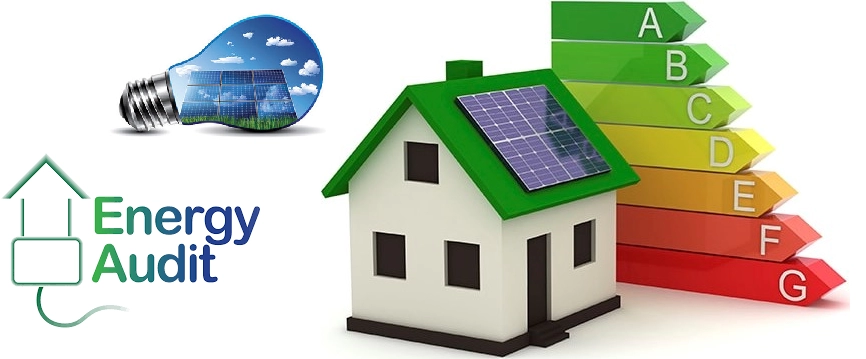
Energy audit

Implement load shifting and intelligent scheduling.

Once you understand the energy situation, you can implement a load-shifting strategy to align high-energy-consuming tasks with peak solar production. Load shifting means running a dishwasher, washing machine, or electric car charger during the midday hours when solar panels generate the most electricity. This process is simplified through smart home controllers and programmable timers that automatically start appliances when there is sufficient solar energy. Additionally, the inverters in our on grid solar systems often include built-in load management functions, allowing you to set priority scheduling for key equipment and avoid exporting excess energy at low feed-in tariffs, thereby improving on-site utilization. Additionally, if you use other energy storage systems, shifting loads can also reduce battery losses. By rearranging your home’s energy use, you can increase your self-use level and get a higher financial return on your solar investment.

Integrating battery storage in solar on grid system

Battery energy storage is integrated into solar on grid systems, which can further increase self-use by capturing excess solar energy during the day for use at night. Without a storage system, any excess power generated by your solar panels over your current needs may be delivered to the grid at a lower compensation rate. By selecting a battery bank of the right capacity based on your nighttime load profile, you can store excess power and use it during peak nighttime hours, effectively narrowing the gap between solar power generation and home demand. Our on grid solutions use lithium-ion batteries to enable hybrid operation in your inverter. As a result, you can gain greater energy independence and stabilize your electricity costs regardless of time-of-use electricity prices.

Integrating battery storage in solar on grid system

Leveraging smart inverters and energy management

Smart inverters play a key role in optimizing self-consumption in solar on grid systems. By maintaining communication between the solar array, battery energy storage system, and home energy management system, smart inverters can dynamically adjust power flow in real-time. For example, if clouds suddenly reduce panel output, the inverter can consume minimal grid power while signaling non-critical loads to delay activation. Additionally, the home energy management system dashboard provides actionable insights, displaying current solar power generation, battery charge status, and appliance-level power consumption, allowing you to override or fine-tune settings manually. Therefore, by leveraging the intelligence of inverters and energy management platforms, you can minimize grid input.

Monitoring, maintenance, and continuous optimization

Maintaining a high self-consumption rate requires continuous monitoring and regular system tuning. You can regularly check the performance data of the solar on grid system, track daily power generation compared to power consumption, and adjust the load plan according to the season when abnormal conditions are detected. For example, with shorter daylight hours in winter, you may need to change the operation time of the water heater or pool pump to maximize solar power generation. Operators must perform daily maintenance, including updating inverter firmware and verifying battery health via charging status logs. They can also configure automatic alerts to quickly address performance issues, shading, PV panel failures, or inverter faults.

Maximizing energy self-consumption

Maximizing self-consumption with solar on grid systems can begin with a detailed energy audit, followed by strategic load shifting, integrating battery energy storage systems, and utilizing smart inverters and energy management tools to their full potential. By aligning your home energy consumption with solar power generation, you can reduce your dependence on grid power, lower your electricity bills, and contribute to a cleaner energy ecosystem.

Off Grid Solution for different household energy needs

When selecting an off grid solution, consider the home’s daily and peak energy requirements. For a small cabin or studio apartment, a 3 kW off grid solar system is usually sufficient to meet basic power needs. A larger home with multiple refrigerators, well pumps, and electric water heaters may require a 5 kW, 6 kW, or higher off grid solar system. Therefore, we work with our clients to perform energy audits and calculate their total power consumption when recommending off-grid solutions. By doing this, you develop a load profile that identifies critical and non-critical loads, allowing you to size components in different off grid solutions accordingly.

Designing an off grid solution with a 3 kW off grid solar system

A 3 kW off grid solar system is a cost-effective entry-level solution for off-grid applications. In most cases, this system consists of 6* 550W monocrystalline solar panels and is paired with a 48-volt battery bank, providing two days of power. This allows a two-person family to pair a 3 kW solar array with a 48V lithium-ion battery bank for use on cloudy days without the need for a backup generator. Additionally, an integrated hybrid inverter/charger simplifies system architecture by combining MPPT charge regulation and grid-tied inverters into a single unit, thereby simplifying installation and reducing points of failure. Meanwhile, an integrated energy monitoring platform can help you track solar power generation, battery charge status, and individual appliance usage in real-time. We take these design factors into account to create off grid solutions that is flexible and easy for homeowners to use.

3 kW off grid solar system 1

Off-Grid Solution: 5 kW Off Grid Solar System

A 5 kW off grid solar system is an off grid solution for homes with modest energy needs, typically used to run central HVAC systems, multiple refrigerators, and home offices. To upgrade from a 3 kW system, you would install 10* 550W solar panels arranged to maximize sunlight while minimizing shading losses. Combined with eight 12 kWh battery packs, this configuration provides enough range to keep a family of four comfortable on cloudy days. Next, we program your well pump, water heater, or dishwasher to run during peak PV generation, allowing you to avoid deep discharges and reduce fuel consumption if you use a generator. Meanwhile, the installation pairs the rooftop panels with ground-mounted trackers, which can increase daily power generation by up to 25%, which is especially beneficial in seasonal climates.

Off-Grid Solution 5 kW Off-Grid Solar System

Expand to 6 kW Off Grid Solar Systems.

When home energy needs exceed 5 kW, a 6 kW or higher off grid solar system can be selected. A 6 kW off grid solar system typically includes twelve 550-watt solar panels and a 51.2V lithium battery to provide longer battery life and support larger loads.

At the same time, we install a split-phase inverter that allows you to seamlessly support 120 V and 240 V circuits, which is essential for powering central air conditioning, furnaces, or clothes dryers. By balancing the load on both phases, you can maintain stable voltage under high loads. Additionally, installing a backup generator with an automatic transfer switch can provide you with peace of mind during extended periods of cloudy weather or scheduled maintenance. With careful planning and component selection, a 6 kW off grid solar system can provide a complete, self-sufficient, and energy-secure home.

Expand to 6 kW Off Grid Solar Systems.

Integrate Sustainable Solar Solutions

In addition to solar panel arrays and battery banks, off grid solutions can also include sustainable solar solutions such as energy-efficient appliances, smart thermostats, and LED lighting. You can reduce the baseline load by replacing incandescent light bulbs with LED bulbs, allowing a smaller solar array to meet the same demand. Incorporating passive solar designs such as south-facing skylights or thermal mass floors can take advantage of natural heating and lighting, further reducing electrical loads. Additionally, installing a programmable thermostat ensures that the HVAC system is cycled only when necessary, smoothing the daily load profile and maintaining battery SOC. By combining an appropriately sized 3kW, 5kW, or 6kW off grid solar system with these sustainable strategies, homeowners can achieve a holistic, sustainable solar solution.

Off-grid Solutions for Different Homeowners

The design of an off grid solution depends on the system size, whether it is a 3kW, 5kW, or 6kW off-grid solar system, which ultimately depends on the energy situation. By conducting an energy audit, selecting the right components, and integrating sustainable solar solutions, you can achieve true energy independence with an off grid solution tailored to your home’s needs.

Troubleshooting 18Kw Off Grid Solar Kits Low Voltage Faults

18KW off grid solar kits are a sustainable solar energy solutions commonly used by users. Low-voltage faults that occur during use can interrupt power delivery, causing lights to flicker and electrical appliances to malfunction. First, recognize that low-voltage faults are often caused by a variety of factors, including battery charge status, line resistance, and environmental conditions. Second, realize that active troubleshooting relies on clear measurement practices, such as using a high-quality multimeter to record voltage readings under load. Finally, maintain the optimal performance of your 18kW off grid solar kits through a systematic approach.

Common causes of low voltage faults in 18 kW off grid solar kits

Homeowners often overlook simple problems such as loose connections or terminal corrosion. When checking the DC bus, pay attention to whether there is green or white residue, which indicates oxidation. Additionally, undersized cables may introduce excessive resistance, particularly in long-distance wiring from the solar array to the battery pack. Remember that voltage drop increases with cable length and cable specifications decrease.

Another common cause is the aging of the battery pack. Even sealed AGM or lithium batteries lose capacity over time, causing internal resistance to increase and reducing available voltage under load. In these solar energy solutions for homeowners, regular battery health checks can detect capacity decay before it causes failure. Finally, improperly setting up the inverter or charge controller can also cause the low-voltage cutoff to be triggered prematurely. By reviewing the system manually and adjusting parameters such as the low-voltage disconnect threshold, you can ensure that the equipment operates in harmony with the battery chemistry.

18Kw Off Grid Solar Kits 8-8

Diagnosing Battery Pack Problems in 18 kW Off-Grid Solar Kits

First, check the voltage of individual cells with a calibrated voltmeter. Unbalanced cells will pull down the voltage of the entire battery pack under load. Next, check the inter-cell connectors for signs of corrosion or loose joints. Even a single bad connection in a series battery pack can create resistance and cause your 18KW off grid solar kits to have Undervoltage errors during peak demand.

For lithium batteries, use the built-in charge status monitor or a USB-connected monitoring tool to verify battery balance. If an imbalance occurs, perform an equalization charge or controlled balance charge to restore uniform voltage levels. Finally, monitor battery temperature: Charging or discharging outside the 32–104°F (1-38°C) range reduces adequate capacity. By diagnosing and correcting these battery bank issues, you can strengthen the core of your sustainable solar solution.

solar-system-16

Check Inverter and Charge Controller Performance

Inverters and charge controllers are key components that regulate the conversion between DC and AC power, as well as the charging of batteries. First, review the error log on the inverter digital display or in a connected monitoring app. Low voltage alarms are often associated with sudden load peaks or inappropriate voltage setpoints. Adjust the low-voltage disconnect threshold within a safe range to prevent premature disconnection while minimizing the risk of deep discharge.

Next, verify the firmware version and update it if necessary. It is also essential to check that the MPPT settings of your charge controller match the specifications of the solar array. Mismatches can also cause undervoltage conditions during sunrise or cloudy days. By carefully checking the performance of the inverter and charge controller, you can ensure that your 18 kW off grid solar kit provides stable and reliable power.

Check the wiring and connections.

The integrity of the wiring determines whether the off grid system operates stably or experiences frequent low-voltage failures. The recommended systematic approach is to mark each cable run and then measure the voltage drop at different load levels. For example, a 2% voltage drop on a 48-volt bus at 100 amps is equivalent to a voltage loss of nearly 1 volt, which is enough to trigger an undervoltage alarm.

Additionally, apply an anti-oxidation compound to exposed copper connections to prevent corrosion, especially in humid environments. Don’t forget the AC wiring. Ensure that the neutral and hot wires share the same conduit, and eliminate ground loops to avoid stray voltages. By effectively checking the cables and connections, you can eradicate low-voltage faults.

Checking the wiring and connections of your off-grid solar system

Environmental and load factors that affect voltage stability

Environmental conditions and changing load profiles can also put a considerable strain. For example, extreme cold weather increases cable resistance and reduces battery efficiency, causing voltage sags under heavy loads. Conversely, high temperatures accelerate battery aging and can trigger the inverter’s thermal protection, causing the system to shut down temporarily and potentially result in a low-voltage fault. Therefore, we need to install temperature sensors near the battery and inverter and configure a monitoring system.

In addition, unpredictable load patterns may exceed the surge capacity of the inverter. Implement a load-shedding strategy: Prioritize critical circuits, such as cooling and lighting, to ensure your 18 kW off-grid solar kit maintains stable voltage across essential services, creating a more resilient and sustainable solar energy solutions.

Ensure long-term reliability and performance.

Maintaining long-term voltage stability requires a proactive and comprehensive approach to ensure stability. Schedule a quarterly inspection of your entire 18 kW off grid solar kit. Record detailed voltage readings under different load conditions and compare trends over time. And replace components that show signs of wear before they fail under load.

How to balance solar, batteries, and the grid in a hybrid solar system?

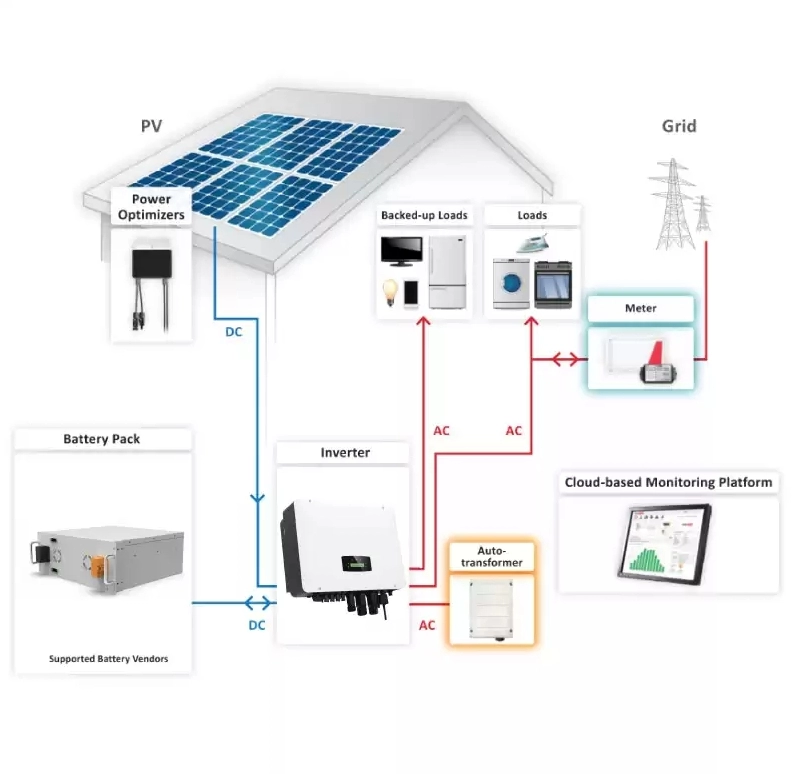
The hybrid solar system combines PV panels, battery storage, and grid connection to deliver reliable and efficient power around the clock. When the sun is shining, the system provides power first to the onsite loads, then to the battery, and finally to the grid. Conversely, at night or during extended periods of overcast, the system draws power from the battery and, if necessary, from the grid to meet demand. Balancing these three elements, solar generation, battery storage, and grid connection requires careful design and powerful hardware.

Considering Solar Generation and Load Matching for a Hybrid Solar System

In a hybrid solar system, onsite solar generation is always the preferred resource to meet load demand. This “solar first” approach minimizes reliance on the grid and maximizes the use of free, zero-emission energy. BARANA’s hybrid solar solutions utilize MPPT inverters to extract maximum power from PV panels, even in low-light or partially shaded conditions. In addition, real-time load sensing ensures that any excess sunlight is automatically used to charge the battery bank rather than being exported at a lower feed-in tariff. At the same time, critical loads such as refrigeration, lighting, and HVAC systems will be prioritized to ensure uninterrupted operation. As a result, you can reduce energy costs and greenhouse gas emissions while maximizing the value of your solar array.

Considering Solar Generation and Load Matching for Hybrid Solar Systems

Determine battery size for energy conversion and emergency backup

Battery capacity in a hybrid solar system has two main functions: time-shifting solar power and providing backup power during power outages. To determine the right capacity for you, we begin by analyzing your average daily electricity use, peak load, and required battery life. For example, a small commercial facility with a peak load of 20 kWh and a requirement for 12 hours of backup power needs at least 240 kWh of available energy storage plus a 20% safety margin, totaling approximately 288 kWh. LiFePO₄ batteries are often used in hybrid solar solutions because they have a long cycle life, a low self-discharge rate, and are stable over a wide range of temperatures. In combination with an intelligent charge controller, which manages the state of charge, depth of discharge, and thermal state, the hybrid solar system’s batteries remain healthy, ensuring reliable energy conversion and emergency backup power when needed.

solar energy inverter(1)

Intelligent Control Logic and Grid Interaction of Hybrid Solar System

The control logic of a hybrid solar system makes a decision every second on whether to use solar power, draw power from the battery, or import power from the grid. BARANA’s hybrid solar solution utilizes advanced energy management software that continuously monitors PV output, battery state of charge (SoC), real-time grid electricity prices, and user-defined priorities. During high-price periods, the system discharges battery power to minimize grid purchases; during low-price or off-peak periods, the system charges with excess solar power or cheap grid power. Additionally, participating in demand response programs enables the system to temporarily reduce its load or export stored power, earning additional revenue while supporting grid stability. This sophisticated scheduling mechanism ensures that your hybrid solar system operates at optimal economic efficiency without compromising reliability.

Integrating Weather and Load Forecasting

Weather variability poses a significant challenge to maintaining the balance of a hybrid solar system. To address this challenge, we integrate short-term solar irradiance forecasts and load forecasts using intelligence-driven algorithms. By analyzing historical generation and consumption patterns, as well as real-time weather data, the system can dynamically adjust charging and discharging schedules. For example, suppose the forecast predicts cloud cover for the afternoon. In that case, the controller will pre-charge the battery in the morning when there is plenty of sunshine to ensure sufficient power reserves. Conversely, on consecutive sunny days, it may limit battery cycling to maintain battery health. This proactive approach significantly improves energy production, extends component life, and ensures uninterrupted power supply even in rapidly changing weather conditions.

Integrating Weather and Load Forecasting

Ensure reliability through redundancy and maintenance.

The reliability of hybrid solar systems depends in part on hardware redundancy and careful maintenance. Our designs typically include dual inverters, parallel battery packs, and backup communication paths to ensure that single-point failures do not affect the entire system. At the same time, we advise our users to perform quarterly inspections to check the integrity of PV modules, the thermal performance of inverters, battery health indicators, and grid interconnection compliance. Through the remote monitoring platform, the system’s health status is tracked in real-time, triggering alarms when abnormal conditions, such as inverter derating or atypical SoC drift, occur. By combining redundancy with proactive maintenance protocols, you can ensure that your hybrid solar system can provide uninterrupted power even during component failures or extreme weather events.

Balancing solar energy, batteries and the grid brings warmer electricity.

To balance solar energy, batteries, and the grid in a hybrid solar system, we combine intelligent control logic, precise scale configuration, weather forecasting, hardware redundancy, and proactive maintenance to provide scalable designs for residential, commercial, and industrial applications. By prioritizing onsite solar energy, optimizing battery energy storage, dynamically interacting with the grid, and leveraging predictive algorithms, you can maximize the utilization of renewable energy, reduce utility costs, and improve the user experience.