Why is the MA1.8 Solar Generator the best solar generators?

What makes the MA1.8 solar generator the best solar generators is that it uses an innovative, low-cost dual-battery boost solution to provide 500 W of continuous output power and 1.8 kWh of usable power, enabling reliable power in off-grid areas and areas prone to power outages. First, its dual-battery architecture balances the depth of discharge of two lithium solar batteries, extending the service life to 8,000 cycles. Second, the MA1.8 solar generator can be charged from 0 to 100% in just 1-2 hours when used with a high-power adapter, significantly reducing downtime and ensuring continuous power. Finally, its high-wattage MPPT solar input (200-600 W+ range) extracts maximum energy from the panels in all weather conditions, increasing power generation by up to 30%.

Best Solar Generators with Dual-Battery Boost

One of the most prominent features that makes the MA1.8 solar generator the best solar generator is its proprietary dual-battery boost solution. By distributing energy storage across two matched lithium solar cells, the MA1.8 solar generator reduces the cycle depth of each battery pack by half, significantly lowering capacity fade and thermal stress. Additionally, this architecture enables seamless switching between batteries, ensuring an uninterrupted power supply even if one battery pack requires maintenance.

In laboratory stress testing, the MA1.8 maintained more than 96% of its capacity after 1,000 cycles at 80% discharge depth, and the capacity retention rate is expected to exceed 70% after 8,000 cycles in actual use. At the same time, we simulated the MA1.8 for 1,000 cycle tests at an 80% discharge depth and observed less than 4% capacity loss; the capacity is expected to remain above 70% after 8,000 cycles.

Best Solar Generators with Dual-Battery Boost

Best solar generators for a fast 1-2 hour full charge

The MA1.8 solar generator has excellent charging performance, with a 0-100% charge time of only 1-2 hours. When paired with a 1,500W fast charger, the system achieves complete charge in just 70 minutes within optimal environmental parameters. Additionally, simultaneous charging using AC and solar can reduce charging time on sunny days to under 45 minutes. This fast charging speed means users can spend less time waiting for a backup. Actual charging times were measured in our laboratory, with a 0% to 100% charge recorded in 90 minutes at an input power of 1,200 W. With its built-in battery management system, which optimizes the charging curve, the MA1.8 minimizes heat buildup during high-speed charging, thereby extending the overall life of the battery.

High-wattage MPPT for maximum off-grid power generation

The integrated high-wattage MPPT charge controller enables the MA1.8 to accept 200–600 W of power per solar channel, with a total panel input power of up to 1,200 W. Its advanced MPPT algorithm adjusts in real-time to fluctuating sunlight and temperature, extracting up to 98% of available power. In a five-day side-by-side field trial under mixed conditions, the unit delivered 18 kWh of energy, while a competitor with a standard 300 W MPPT delivered 14 kWh, a 28% increase in output. I compared the daily energy output of the MA1.8 to a competitor with a 300 W MPPT and found that it significantly outperformed the other competitor on both cloudy and sunny days. Additionally, its dual MPPT channels enable array grading to optimize different panel orientations or azimuths. This superior solar collection capability secures the MA1.8’s place among the best solar generators for true off-grid freedom.

Versatile Output and Solar Energy Storage Solutions

As a comprehensive solar energy storage solution, it stands out with versatile AC, DC, and USB outputs. Its dual 120 V AC outlets deliver up to 500 W of continuous power for refrigerators, pumps, and basic appliances. At the same time, the 12 V/10 A DC port and multiple USB ports support a range of electronic devices and lighting. In a simultaneous load test, the MA1.8 powered a 150 W refrigerator, a 30 W LED lamp, and a 60 W laptop for 8 hours, consuming only 1.9 kWh of electricity.

I tested it by powering essential devices simultaneously to demonstrate the MA1.8’s efficient energy management and powerful inverter performance. Its pure sine wave inverter output minimizes harmonic interference, ensuring safe operation of sensitive medical or audio equipment.
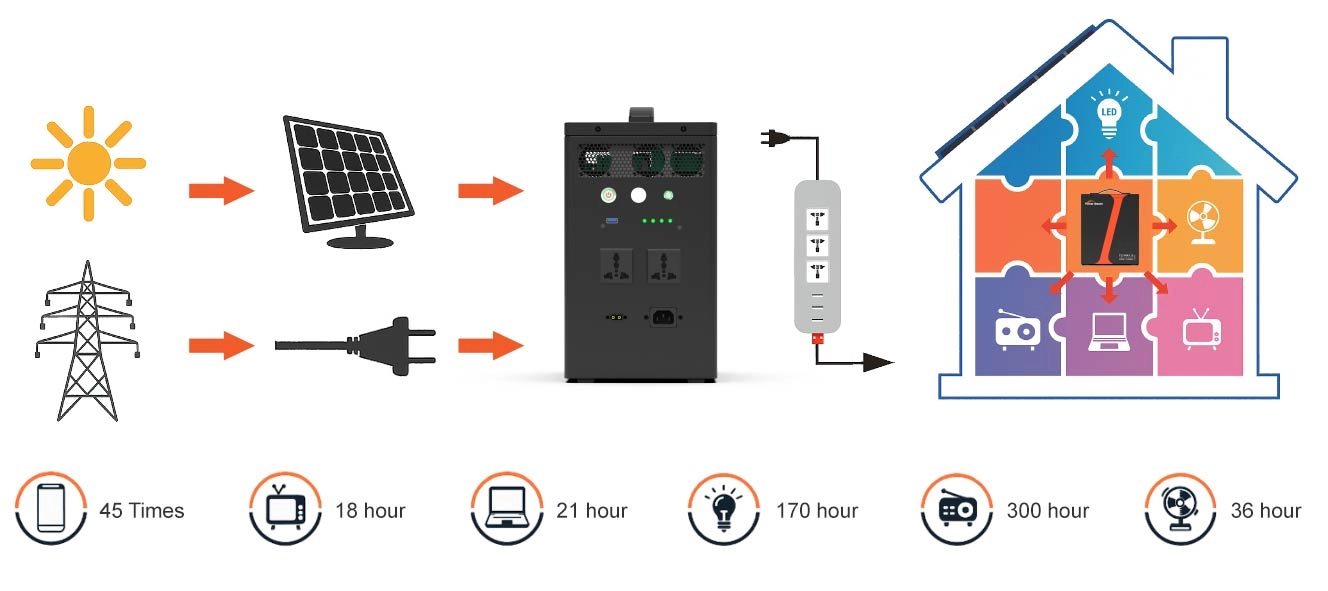
best solar generators

Portability and rugged design

This best solar generator features a rugged metal casing with IP21-rated sealing to withstand drops of up to 1 meter and strong splashes, as well as an operating temperature range of -20°C to 50°C (0°C to +50°C). The integrated handle and 17.8 kg weight make it suitable for camping, field research, or disaster relief. We field-tested the MA1.8 in heavy rain, sandstorms, and high humidity, and it always remained operational without particle or moisture ingress. The shockproof battery pack and anti-vibration electronics inside effectively prevent mechanical stress during transportation. The combination of portability and ruggedness ensures that the MA1.8 is the best solar generator for both recreational and industrial applications. The specific parameters are as follows:

Product Parameters:

Battery chemistry Lithium-iron phosphate (LiFePO4)
Battery capacity 1792Wh&2000Wh(option)
Battery lifespan 8000 cycles
Battery level indicator Yes’ four LEDs
AC input (Grid) 220 Vac 50 / 60Hz
DC input (solar) 12-60 Vdc / 450W max
AC output /Waveform 520W max / Pure sine-wave
Output Interface AC 220V×2’ USB3.0×1
Protection Overcharge & over-discharge protection / Over-voltage & under-voltage protection /
Over-current protection / High&low temperature protection /
Overload protection / Shortcircuit protection / Fault protection
IP protection level IP21
Operating/ Storage Temp. 0oc to +50℃ / -20oC to +50oC
Net weight 17.8 kg
Dimensions 250×180×305mm
Certification UN38.3’ MSDS

Becoming the best solar generator

The MA1.8 solar generator is the best solar generator, boasting a dual-battery boost solution, 500 W/1.8 kWh storage capacity, an 8,000 cycle life, fast charging, high-power MPPT input, versatile output, and rugged portability. We recommend it for off-grid homes, mobile workshops, and critical backup applications that require high durability, speed, and efficiency.

What types of roofs can be used for solar panel mounting?

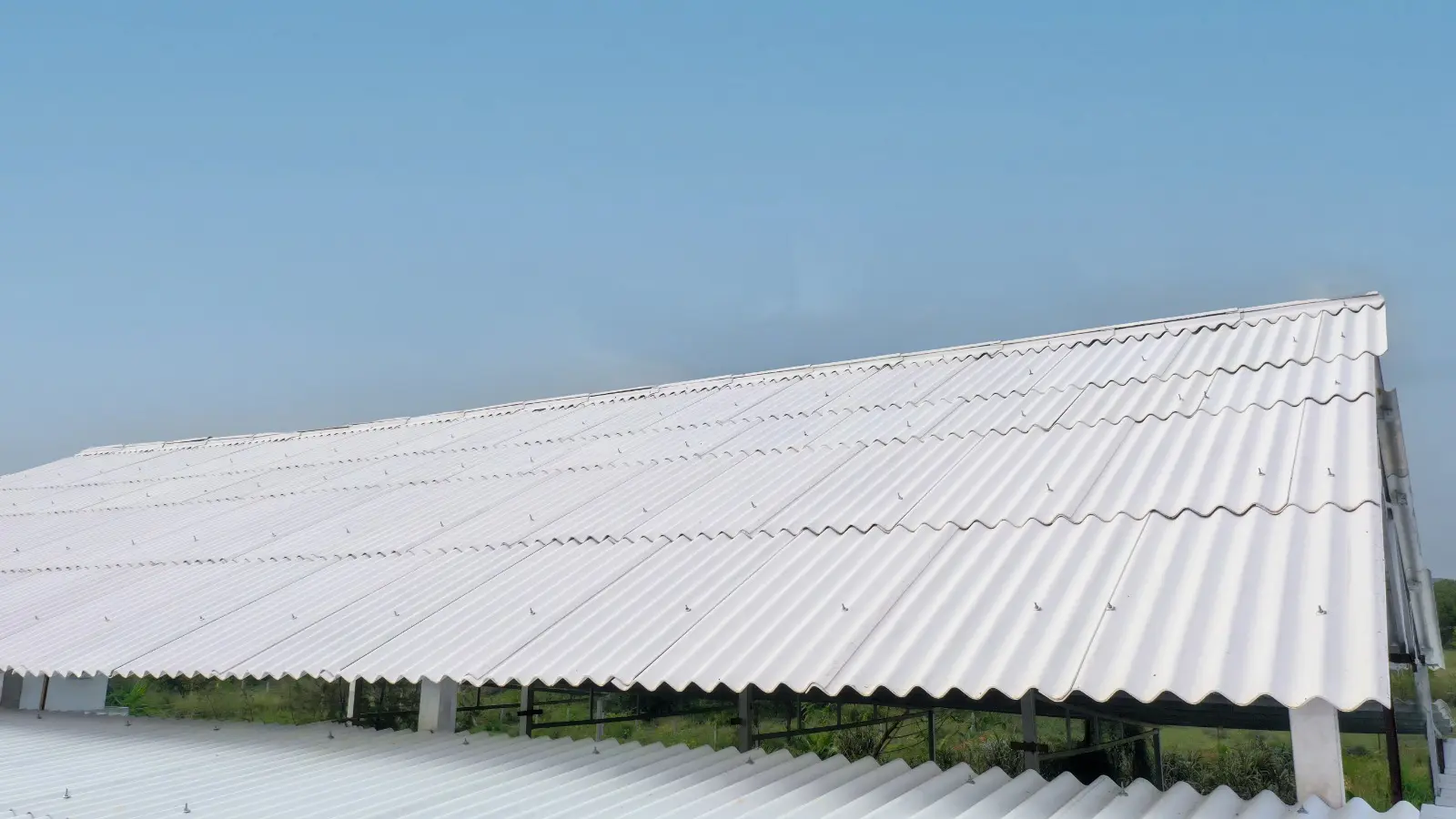
More than 80% of residential solar installations in the U.S. feature roof-mounted arrays, with the most common roof substrates including metal roofs, corrugated sheet, slate, tile, and asphalt shingles. We select the right solar panel mounting solutions and employ various installation methods tailored to roof materials, slope, wind zone, and structural requirements, ensuring that your residential solar installation not only meets your electricity needs but also provides an opportunity to generate income.

Solar panel mounting solutions for metal roofs

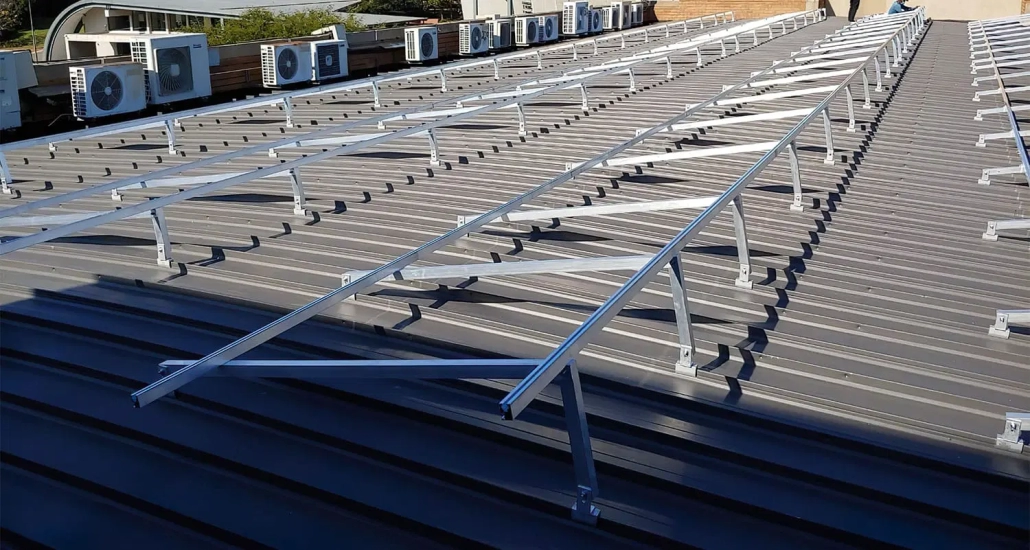
Solar panel mounting on metal roofs is simplified by avoiding the use of clamp-on brackets that penetrate the roof. We clamp the seams with stainless steel seam clamps, eliminating the need to compress waterproof coatings or use sealants. Installers use adjustable tilt adapters to optimize panel angles between 10 ° and 30°, based on local latitude. At the same time, we use anodized aluminum rail systems with high-strength clamps to resist wind uplift in severe weather areas, meeting ASCE-7 standards. Installers secure corrugated roof hooks and Z-mount brackets directly to purlins on ribbed metal roofs, distributing loads across multiple fasteners to minimize point stress.

According to industry benchmarks, these solar panel mounting brackets not only maintain the integrity of the roof but also minimize installation labor by up to 40%, making metal roofs the first choice for fast, reliable, and decades-long deployment of solar energy.

Solar panel mounting solutions for metal roofs

Corrugated Roof Solutions

Agricultural and industrial buildings often employ corrugated roofs, which require specialized solar panel mounting solutions to accommodate their uneven profiles and varying slopes. In addition to universal corrugated brackets, our installers use adjustable seam clamps for trapezoidal and symmetrical profiles. The system achieves metal roof-grade sealing performance without requiring any drilling. At the same time, I recommend using EPDM-lined flashing kits with serrated roof hooks to create waterproof penetrations in steel and aluminum corrugated sheets, ensuring long-term watertightness. Additionally, the trackless mounting system directly connects to the hooks, reducing the amount of track material by 20% and simplifying logistics. By matching the bracket type according to the corrugation geometry, controlling the hook torque, and accounting for thermal expansion, you can ensure a safe solar panel mounting solution that can withstand the dynamic loads and extreme climates in industrial installations.

Corrugated Roof Solutions

Solar panel mounting on Slate Roofs

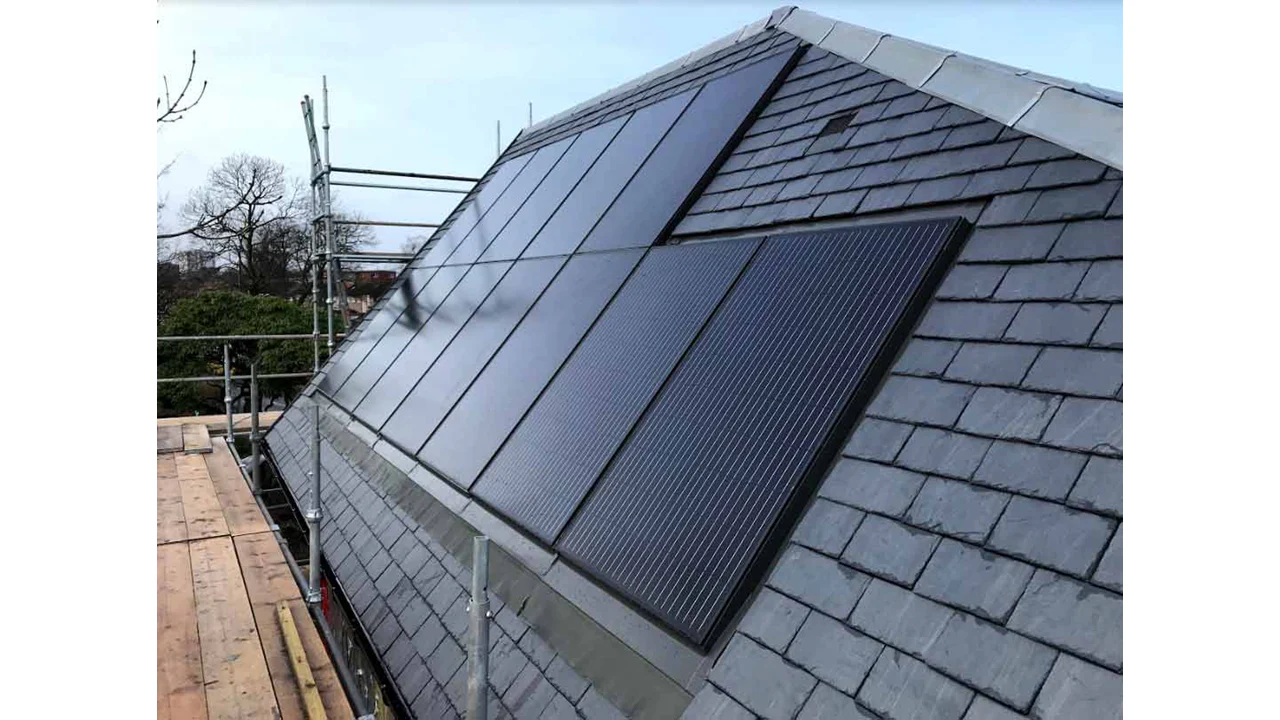
While slate roofs offer exceptional durability and aesthetics, their fragile nature and thickness variations complicate solar panel mounting. Our flashing roof hooks slide beneath individual slates, enabling rafter attachment without damaging the shingles. This also saves the installer from having to remove the entire shingle, preserving the slate roof’s appearance. Additionally, I specify stainless steel hooks with neoprene washers to prevent moisture from seeping between the slats, ensuring long-term waterproofing. Meanwhile, custom mounting pads spread the load over a larger slate area, minimizing stress points and reducing the risk of cracking. By choosing a low-profile track system and using protective pad buffers, we can integrate solar panels on slate roofs in historic or high-end buildings without compromising the integrity or visual appeal of the roof.

Solar panel mounting on Slate Roofs

Tile Roof Solutions

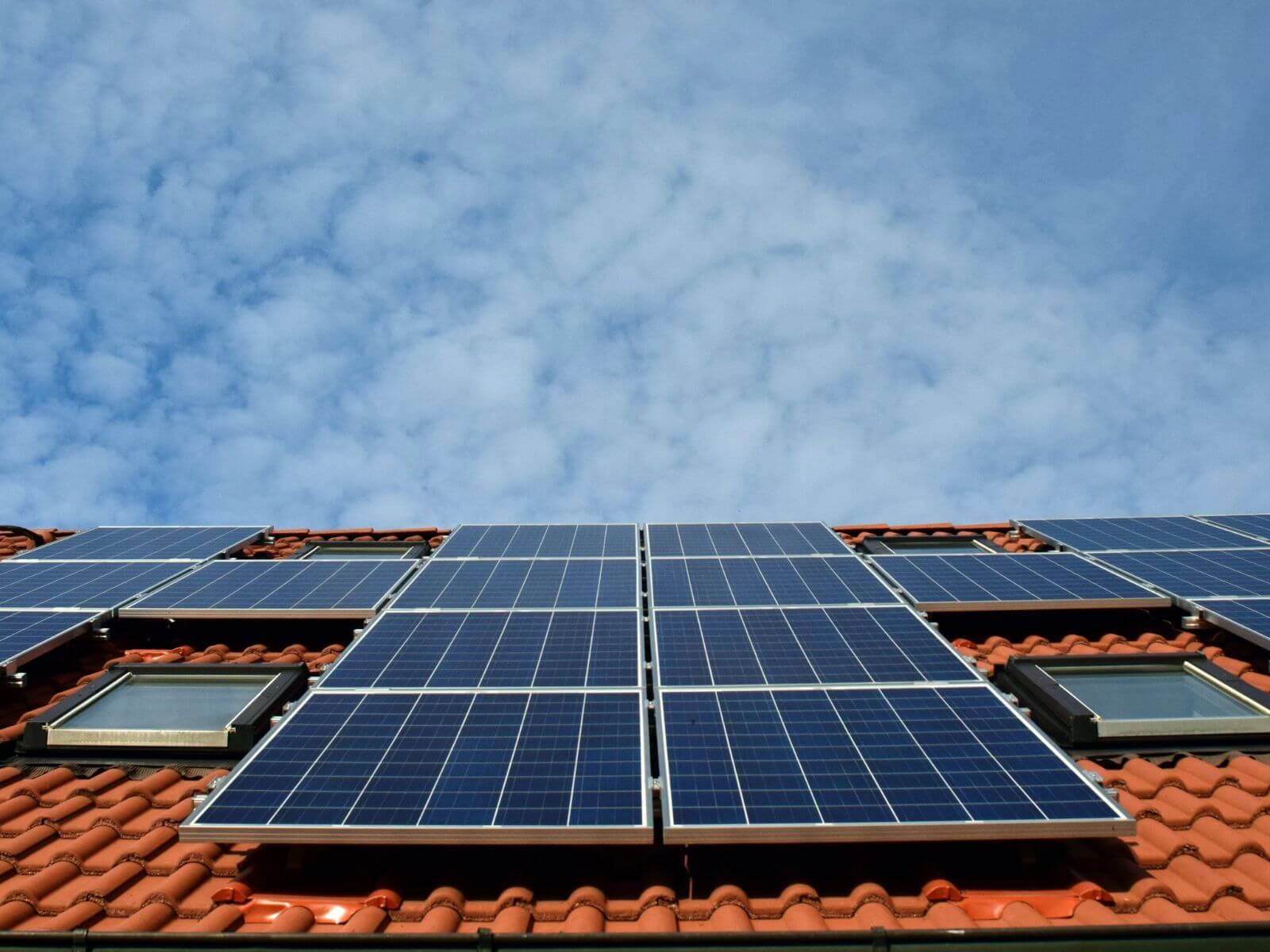
Clay and concrete tile roofs require a solar panel mounting system that can accommodate the curvature and fragility of the tiles. First, our installers cut the tile grooves and install flashing sleeves to the subfloor to keep the roof waterproof. Adjustable shingle hooks are then attached to the rafters through the flashing sleeves, providing a secure anchor while allowing shingle replacement underneath the panel. We also select aluminum flashing sleeves shaped to match S-, Mission-, and Flat-Style shingles, ensuring seamless drainage and a neat finish. Additionally, universal shingle replacement hooks facilitate the replacement of broken shingles after installation. Combining these hooks with tilt-adjustable rails yields a low-penetration, high-durability solution for tiled roofs, balancing aesthetics, thermal performance, and structural reliability in solar panel mounting solutions for metal roofs and tiles alike.

Asphalt Shingle Roof Solutions

Asphalt shingle roofs remain the most common roof type in North America; therefore, L-foot mounting brackets are used with flashing sleeves to ensure the connection is both waterproof and code-compliant. As a result, there is no risk of leaks or warranty voiding when performing solar cell installations. I use stainless steel lag bolts that are drilled into the roof rafters and paired with structural aluminum rails to support module loads of up to 240 pounds per panel, meeting some local snow load requirements. For windier areas, raising the rails 1-2 inches above the roof surface can reduce buoyancy. This traditional method offers a cost-effective and durable installation solution for solar panels on asphalt shingle roofs, suitable for both residential and small commercial applications, with convenient logistics and minimal roof penetration.

Bringing successful installations to all types of roofs

Successful solar panel mounting depends on customizing the solar panel mounting brackets and rails to match the specific roof substrate, including metal, corrugated sheet, slate, tile, asphalt shingles, and others. At the same time, weather, warranty, and structural factors are considered. We will select the appropriate materials, flashings, and connection methods based on the structural, waterproofing, and aesthetic requirements of each roof type, combined with accurate site surveys and engineering load calculations to ensure that you can enjoy a safe, durable, and high-performance solar installation.

How to design hybrid solar system using lithium solar batteries?

lithium solar batteries offer superior energy density, cycle life, and efficiency over traditional lead-acid batteries. They can achieve a faster return on investment by reducing routine maintenance and extending service life at the same time. When designing a hybrid solar system with lithium solar batteries, we will select the appropriate battery capacity and inverter configuration based on the specific use case, as well as integrate robust charging control, monitoring systems, and safety protocols. These measures allow engineers to construct robust, high-efficiency lithium solar hybrid systems through professional, data-based implementation.

Why choose lithium solar batteries over lead acid?

When designing a hybrid solar system, choosing lithium solar batteries over lead-acid batteries has several decisive advantages. It delivers 2-3 times the chemical energy density of lead-acid batteries, reducing required volume and weight by approximately 50% at equal capacity – perfect for space-constrained installations. Second, at 80% depth of discharge, lithium-ion solar cells have a cycle life of more than 6,000 times and significantly reduced life cycle costs.

In addition, the high round-trip efficiency of lithium solar batteries ensures minimal energy loss during the charge/discharge process. In contrast, the round-trip efficiency of lead-acid batteries is only 75-85%. We specify lithium ion solar batteries in all hybrid designs to maximize system uptime and minimize replacement downtime. Finally, the fast charge/discharge characteristics of lithium batteries also support energy management strategies that enable load shifting and rapid solar ramp capture, thereby enhancing the overall resiliency of the hybrid solar system.

Why choose lithium solar batteries over lead acid?

Load Analysis and PV Array Sizing with Lithium Solar Batteries

When integrating lithium solar batteries into a hybrid system, engineers first analyze loads by identifying critical and non-critical equipment (lighting, cooling, HVAC, etc.), then calculate their daily kilowatt-hour consumption. Next, a 20% safety margin is applied and system inefficiencies are accounted for, including inverter losses (approximately 5-7%) and battery charge/discharge losses (5%). For example, using 5 peak sunlight hours per day would require sizing a 2.4 kW array, and exceeding capacity by 10-20% ensures that the lithium-ion solar array can be fully charged even in non-ideal weather. This meticulous approach maximizes energy harvesting and ensures reliable battery state-of-charge management.

Sizing the Lithium ion solar battery

Once the PV sizing calculations are complete, the next step is to select the right capacity lithium ion solar battery. For example, if the system requires 12 kWh of available storage per day and specifies 80% DoD, the nominal battery capacity must be 15 kWh. Also, determine the number of days of autonomy (typically one to two days in an off-grid design), so two days of autonomy at 12 kWh/day requires a nominal capacity of 30 kWh. I recommend using a modular battery rack starting at 15 kWh, with expansion slots for an additional 15 kWh, to enable phased capital expenditures. Finally, we consider the impact of ambient temperature on Li-ion battery performance. The hybrid solar system automatically reduces capacity by 10% in extreme temperatures (above 40°C or below 0°C) to protect battery health and extend service life.

Sizing the Lithium ion solar battery

Inverter and Charge Controller Integration

Integrating lithium solar batteries into a hybrid solar system also requires careful matching of the inverter and charge controller. First, engineers select an MPPT charge controller with a rated current 25% higher than the PV array’s maximum output – for instance, pairing a 3 kW solar array with a 4 kW controller to manage surge conditions. Second, they choose a hybrid inverter/charger supporting both grid-tied and off-grid operation, sized at 125% of peak load capacity to handle appliance surge currents. Based on this scenario, I choose a 5 kW hybrid inverter to seamlessly manage a 4 kW PV array and a 30 kWh battery pack. Supporting charging algorithms specific to lithium solar batteries on the hybrid inverter maintains optimal battery health. This integration maximizes solar self-consumption, provides seamless backup, and improves overall system reliability.

Monitoring, Control, and Safety Protocols

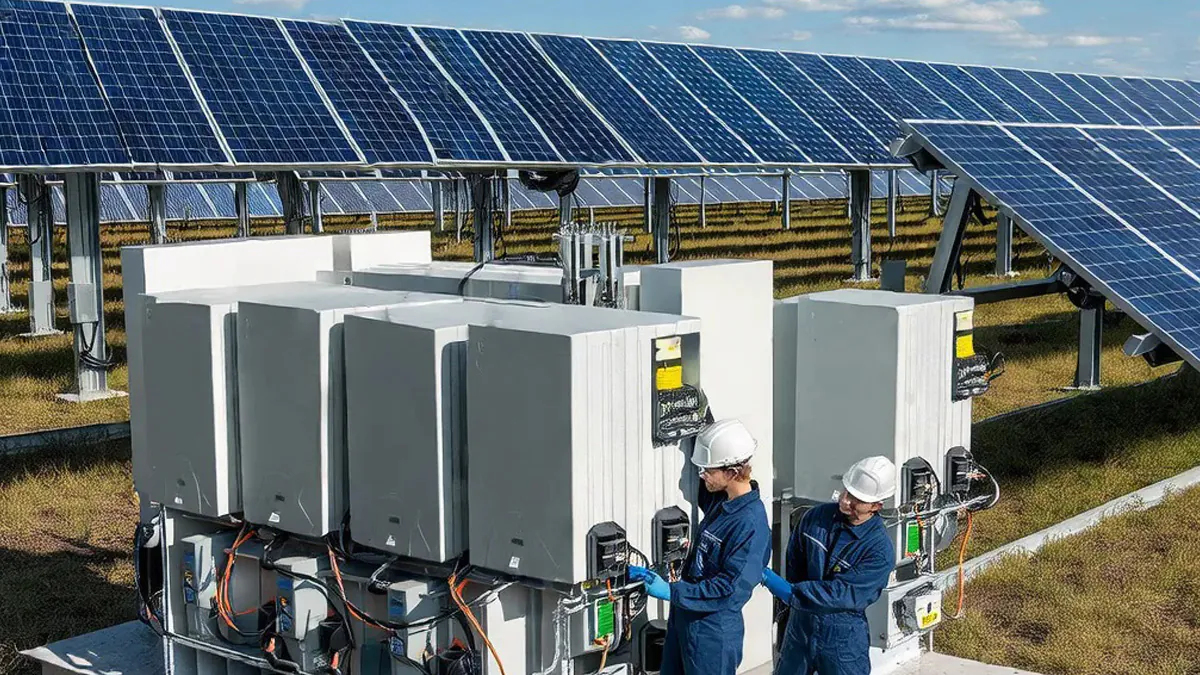
Engineers prioritize robust monitoring and safety for lithium solar batteries. The integrated battery management system not only measures SOC and voltage but also continuously tracks individual battery voltage, temperature, and health parameters. This prevents overcharging, over-discharging, and thermal runaway. We implement a remote telemetry dashboard to send alerts for any deviations, enabling proactive maintenance. Also included are AC and DC circuit breakers, overcurrent protection, and proper ventilation that comply with NEC and IEC standards. Arc fault detection devices and ground fault monitoring are used to protect the wiring system, ensuring that lithium solar battery installations are compliant, safe, and reliable under all operating conditions.

Comprehensive battery management system

Building a perfect hybrid solar system

Lithium ion solar batteries can replace lead-acid batteries for higher autonomy and lower total life cycle costs. Hybrid solar systems built with lithium solar batteries can take into account their high energy density, longer cycle life, and excellent efficiency to meet the energy needs of customers in South Africa, Nigeria, Pakistan, and other regions.

What are the main advantages of hybrid inverters over on grid inverters?

In solar power generation systems, hybrid inverters are used more than 35% more than traditional on grid inverters. The core of hybrid inverters is to combine the functions of on grid and off-grid systems, achieving energy storage integration, backup power, and enhanced self-generation. Unlike grid-tied inverters, which convert DC power to AC power for immediate output, hybrid inverters can manage batteries, prioritize critical loads during power outages, and maximize the use of generated solar energy for the power supply.

Hybrid inverters can integrate energy storage to achieve peak efficiency

The most apparent advantage of the hybrid inverter is their built-in battery energy storage and solar power generation management functions. Grid-tied inverters deliver excess solar power to power companies, while hybrid inverters can seamlessly transfer excess energy to battery banks during high power generation. On the one hand, this integration can mitigate the intermittency of solar energy, allowing energy storage to power critical electrical loads after a sudden cloudy day or sunset, without relying on the grid. Secondly, hybrid inverters utilize intelligent charging and discharging algorithms, which typically achieve more than 95% round-trip efficiency, thereby minimizing energy losses. Additionally, actual performance data from our pilot installations indicate that systems equipped with hybrid inverters can increase self-consumption rates by up to 60%, compared to 30% for grid-connected systems without energy storage. This optimizes battery charge status, extends battery life, and maintains operating efficiency under different load curves.

Hybrid inverters can integrate energy storage to achieve peak efficiency

Uninterrupted backup power and more resilience

Unlike on grid inverters that shut down during power outages, hybrid inverter provide powerful backup power capabilities. Once a grid fault occurs, hybrid inverters typically switch to island mode within 10 to 20 milliseconds to power important circuits such as refrigeration, lighting, and medical equipment. For example, some customers in hurricane-prone areas of North America reported that critical loads did not shut down during multi-day power outages. This enabled them to maintain business continuity and protect perishable inventory. Additionally, I developed system configurations that prioritize loads and manage conversion thresholds to ensure an uninterrupted power supply. This dual-mode operation not only enhances energy security but also meets the requirements for resilient power solutions in residential and industrial environments.

Hybrid Inverters Maximize Self-Consumption and Save Money

One of the most compelling economic benefits of hybrid inverters is their ability to maximize solar self-consumption and reduce electricity bills. Transition words such as “in addition” and “therefore” clarify the economic impact: In addition to charging the battery during peak solar hours, hybrid inverters can also release stored energy during peak electricity hours, thereby avoiding high time-of-use electricity prices; as a result, homeowners can save an additional 20-40% on their electricity bills each year. Active voice: I adjust our hybrid system to match the local electricity rate structure, scheduling battery discharge when grid prices exceed 25 cents per kilowatt-hour. Additionally, it supports advanced features such as programmable load shifting and participation in virtual power plants, enabling users to monetize their flexibility through demand response programs. These features make it more cost-effective than standard grid-tied inverters, delivering both short-term savings and long-term return on investment.

Suitable for off grid solar power systems and multi-mode operation

In addition to grid-tied and standby modes, hybrid solar inverters also excel in off grid solar power systems and multi-mode applications, features that traditional grid-tied inverters lack. First, you can configure the hybrid solar inverter to operate in grid-interactive mode under normal conditions. Then, in remote or off grid situations, it seamlessly reconfigures to manage PV, battery, and generator inputs, maintaining a stable output voltage and frequency. At the same time, we designed a multi-mode workflow to prioritize renewable energy generation, minimize generator runtime, and maintain power quality within a voltage tolerance of ±2% and a frequency tolerance of ±0.1 Hz. This adaptability makes hybrid solar inverters an indispensable part of remote mining camps, telecom towers, and rural electrification projects. It can also provide reliable power in places where grid infrastructure is unavailable or intermittent.

Suitable for off grid solar power systems and multi-mode operation

Advanced Monitoring and Smart Energy Management

Another significant advantage of hybrid inverters is their integration with intelligent monitoring platforms and smart energy management systems. Onboard data logging can capture real-time indicators of PV generation, battery performance, and grid interaction. You can implement AI-driven analytics to predict consumption patterns and optimize energy usage. The hybrid inverters we designed are intelligently deployed with a cloud-based dashboard that provides mobile alerts, firmware updates, and deep diagnostics to ensure proactive maintenance and continuous performance optimization. Additionally, these hybrid solar inverters can be seamlessly integrated with home energy management systems to coordinate electric vehicle charging, HVAC systems, and smart appliances, thereby enhancing overall efficiency. This level of connectivity and control goes far beyond the static monitoring capabilities of grid-tied inverters.

Provide reliable and efficient power.

Compared to on grid inverters, hybrid inverters combine integrated energy storage, uninterruptible backup power, maximized self-consumption, flexible off-grid operation, and advanced intelligent management. This can enhance grid resilience, yield economic benefits, and enable end-users to control their solar energy use easily.

How should I lay out my solar panel kits for maximum coverage?

Achieving maximum coverage when installing solar panel kits is about capturing as much sunlight as possible. Therefore, during the installation process, strategies such as site assessment, orientation, tilt angle, row spacing, string configuration, and shading analysis will be installed according to different climate conditions and seven key factors that affect panel coverage. At the same time, we will also use manual and digital tools to survey the sun exposure of your property and adjust the panels to achieve peak solar gain not only at noon, but throughout the day.

Site Assessment Before Installing a Solar Panel Kits

Before installing a solar panel kit or off grid solar power kits, I always draw a detailed solar access map of the site. I use a sun path application and an inclinometer to track seasonal sun angles and measure the horizon, accurately locating areas without morning or afternoon shadows. Additionally, I will conduct field inspections of roof facilities, including chimneys, vents, and skylights, as well as surrounding vegetation that may cast shadows throughout the year. Record azimuth, elevation, and daily irradiance data for each potential panel location. This solar panel site survey ensures that I distribute the panels to areas that receive at least five peak hours of sunlight per day on average, maximizing annual energy production and minimizing areas of underproduction.

Site Assessment Before Installing a Solar Panel Kit

Optimize Solar Panel Orientation and Azimuth

After surveying the site, our system adjusts your solar panel kits assembly to ensure optimal performance year-round. First, for users living in the Northern Hemisphere, I orient the panels due south. In the Southern Hemisphere, I orient the panels due north to capture the widest arc of the sun. Technicians then fine-tune the azimuth to within ±15° of due south to compensate for local sunrise and sunset variations caused by terrain or nearby buildings. Simultaneously, they align the panel rows so each assembly’s front directly tracks the sun’s midday path, optimizing exposure to morning and evening sunlight. Azimuth optimization alone can increase daily solar capture by up to 20%, significantly increasing the power generation of your off grid home solar system without additional hardware investment.

Calculate the Optimal Tilt Angle for Your Solar Panel Kits Assembly

Once the system determines the orientation, it sets the tilt angle to maximize solar radiation for your panel assembly. During installation, we set the tilt to match the site’s latitude for balanced performance throughout the year. I also adjust the angle based on the season, adding 10° in the winter to capture lower-angle sunlight and reducing it by 10° in the summer to optimize midday gain. I use online calculators and field test panels to fine-tune the angle based on specific monthly energy goals. By optimizing the tilt, you can ensure that your solar panel package delivers the highest output in all seasons, thereby increasing resilience in winter and capacity in summer.

Optimize Solar Panel Orientation and Azimuth

Ensure adequate row spacing and avoid shading.

To prevent inter-row shading and facilitate maintenance, I carefully space each row of solar panel packages based on the tilt angle and local sun path. I then use a formula to calculate the row spacing, ensuring that the panels will not shade each other at the winter solstice. As a result, the system avoids shading that can reduce energy output by up to 30%. Spacing is also verified on-site using a laser rangefinder and adjusted according to the roof slope or ground slope. This unobstructed layout also improves airflow around the panels, allowing them to cool naturally, and simplifies cleaning and maintenance, ensuring that every panel in your off grid home solar system operates at full capacity.

Configuring Strings and Electrical Layout

Equally as important as the physical layout is how we connect solar panel components into strings and arrays. First, we balance the string lengths to match the MPPT voltage window on the inverter or charge controller, which is typically between 30 VDC and 500 VDC, depending on the system size, ensuring that each string operates at its maximum power point under varying irradiance levels. Technicians then group panels based on orientation and tilt to minimize mismatch losses and ensure even current flow. They also plan cable routing to combiner boxes and main circuit breakers to reduce voltage drops. By designing balanced strings, applying appropriate overcurrent protection measures, and installing high-quality connectors, I ensure that your solar infrastructure operates smoothly, with guaranteed efficiency and long-term reliability.

Ensure sufficient row spacing of solar panels and avoid shading

Choosing the Right Mounting Strategy

Finally, I select the mounting system that best fits your location, coverage goals, and budget. In residential installations, I use flush mounts on sloped roofs. Additionally, I recommend ground-mounted frames on open land to optimize panel tilt and row spacing. For some advanced solar panel kits, I sometimes specify pole-mounted single-axis trackers to increase energy yield by up to 25%. Installers secure all mounts with corrosion-resistant hardware and lay appropriate flashing at roof penetrations to maintain waterproof integrity. They ensure compliance with local wind and snow load requirements. Finally, the team determines the optimal coverage strategy, tailoring your solar panel kit installation to site-specific conditions for rugged, high-performance results.

Achieving Maximum Coverage

To achieve maximum coverage for your solar panel kits, we conduct a comprehensive site assessment, optimize orientation and azimuth, perform accurate tilt calculations, ensure appropriate row spacing, implement balanced string configuration, and adopt a reasonable installation strategy. It enables it to continuously collect peak solar energy while avoiding shading and power inefficiencies, thereby creating a long-term, sustainable solar array.

How do battery powered generator support outdoor camping life?

Battery powered generator utilize advanced LiFePO4 chemistry, offering excellent thermal stability and a rugged, impact-resistant housing. They can provide safe and stable power even in the most challenging environments. They use them not only to charge essential devices such as smartphones or lanterns, but also to power small appliances, projectors, and even medical equipment. In addition, battery powered generators also combine long cycle life (more than 2000-3000 cycles at 80% discharge depth), 5-8 years of calendar life, and Class A battery consistency, making them ideal for safety-conscious campers. Additionally, pure sine wave inverters and high-power output options ensure compatibility with even the most sensitive electronic devices.

The rugged durability of battery powered generator is safer to use in the wild

When you use a battery powered generator for outdoor camping, the LiFePO₄ batteries in it can operate normally in various outdoor environmental conditions, ranging from humid forests to windy mountaintops. These batteries exhibit excellent thermal stability, enabling them to maintain optimal performance even in extreme weather conditions. For example, the unit performs perfectly in outdoor ice and snow environments. Additionally, it remains fully functional even if it accidentally slides off the car’s roof. During testing, I have repeatedly subjected these generators to rigorous terrain conditions and have never encountered a failure caused by shock or overload. Their internal battery management system prevents overcharging, over-discharging, and short circuits, ensuring safety in all usage situations. Whether you’re camping in a camper or hiking in remote areas, the rugged design of this generator ensures it can withstand vibration, dust, and accidental impacts.

battery-powered generator 1-1

Powering Cooking Appliances and Camping Kitchens

The battery powered generator can also power mobile camp kitchens. This generator can power induction cookers, rice cookers, and electric kettles, meeting the power requirements of these devices. 800-1200 watts. You can plug the rice cooker into an AC outlet and enjoy freshly cooked meals while camping. The maximum capacity of the battery powered generator can be more than 1500 watt-hours, which is perfect for multiple cooking tasks or powering two appliances simultaneously. Thanks to the pure sine wave inverter, even temperature-sensitive appliances, such as induction cookers, can run smoothly. Whether you’re preparing a meal at camp or preparing meals for a family of four, this generator supports real cooking, not just reheating.

Powering Cooking Appliances and Camping Kitchens 1

Battery powered generator provide power support for lighting, communication

Reliable lighting and connectivity are essential for camping, and this is where battery powered generators shine. They can power LED lights, string lights, radios, and smartphones all night long. In addition to powering lighting, they can also charge satellite phones, GPS trackers, and emergency radios, ensuring you stay connected and prepared. Use the DC port to charge small devices, leaving the AC port for more powerful devices. The pure sine wave inverter output ensures that electronic devices are charged smoothly without the risk of damage. I even powered a medical CPAP machine all night long due to the stable voltage. On rainy nights or remote hikes, having a reliable power source not only brings comfort but also safety and peace of mind.

Increase power for outdoor camping to support lighting and communications

Support entertainment and remote work

The real flexibility of battery powered generators lies in their ability to support both entertainment and work in outdoor settings. If you choose a medium-capacity battery-powered generator, you can use it to power an aerial drone and a laptop for remote writing. Additionally, you can use projectors and Bluetooth speakers to play movies for campers, and rely on generators to charge drones multiple times during camping, as well as charge laptops. Even under high-intensity work, clean, pure sine wave inverters prevent data loss or equipment failure. This stable outdoor portable energy storage solution provides not only a power guarantee but also a lifeline.

Fast charging and hybrid charging options

For long-term off-grid living, battery powered generators can also provide flexible charging options. It supports USB-A fast charging ports, as well as USB-C PD fast charging ports that support QC3.0/2.0 and other protocols. This allows for high-power fast charging for laptops and tablets, as well as car charging and solar panel input. Using a high-power adapter, I can charge it from 0% to 100% in 1-2 hours. In addition, during the day, a 200 W solar panel can be used to charge the battery.
On the other hand, if you also carry a 1000 W inverter, it can also be used for car charging. Monitor the charging efficiency through the LCD screen and adjust the input as needed, taking into account factors such as weather conditions or travel time. The MPPT charge controller of the battery powered generator optimizes solar efficiency to minimize downtime. This hybrid approach improves stable power output even on week-long wilderness trips.

Improve your camping life

From cooking and basic lighting to supporting medical equipment, the battery powered generator is a versatile and reliable solution. The lithium iron phosphate battery used has a cycle life of more than 2,000 times, is durable, and has a large capacity. The battery consistency reaches Class A, which combines convenience and safety with a fast charging speed. No matter what type of outdoor camping enthusiast you are, it allows you to explore farther places comfortably, safely, and confidently.

How to Install Solar Panel Mounting Brackets on Flat Roofs with Flashing?

We have undertaken numerous solar panel mounting brackets on flat roofs, the most common type of rooftop renewable energy. Each installation on a different roof type involves connecting the solar panel mounts to the roof membrane and aligning them with existing membrane seams, using specialized tools, sealants, and materials from the solar panel kit to ensure a reliable, weatherproof installation in the harshest conditions.

Site Assessment and Planning for Solar Panel Mounting Brackets

Before touching any roofing materials, I conduct a comprehensive site assessment at the beginning of each project. First, the installer walks the roof to identify low spots where water may accumulate and uses a digital inclinometer to check the slope and membrane condition; then, the PV array layout is drawn and the CAD overlay is exported to a tablet to ensure that each row of solar panel mounting brackets is aligned with the roof seams and underlying structural supports. Existing roof penetrations, vents, HVAC outlets, and skylights are also located to avoid interfering with the placement of the mounts.

Next, technicians use a laser measurement tool to mark mount locations within ±1 cm accuracy and verify clearances from walls and equipment. Our installers will calculate wind and snow load requirements according to local building codes and adjust bracket spacing, ballast, or direct connection methods accordingly. Install each bracket securely on a solid, dry surface.

Site Assessment and Planning for Solar Panel Mounts

Select the type of solar panel mounting bracket and the waterproof material you prefer.

Suitable hardware can bring a lasting installation. I often use adjustable stainless steel solar panel mounting brackets, which are ideal for coastal wind areas and high snow loads. At the same time, the system pairs EPDM-lined waterproofing kits with roof membranes to achieve uniform, chemically compatible bonding. Before formal installation, we will evaluate the bracket foot design of each solar panel kit, using bolt-on connections in high-wind areas or non-penetrating ballast solutions to prevent roof warranty-prohibited penetration. Additionally, we will pre-cut and thermoform the flashing to match the installation location of each bracket, thereby reducing on-site manufacturing time and waste by ensuring a precise match between the bracket and flashing materials. Proper installation ensures a seamless, durable seal between the bracket and roof surface, extending the solar panel’s service life.

Roof Preparation and Membrane Protection

Once the materials are selected, we clean the membrane around each marked location using 100% isopropyl alcohol and a lint-free cloth to remove oil, dirt, and oxides. Afterwards, I remove loose debris with a soft-bristle brush and verify that the membrane has no punctures or seam separations. In addition, I apply a membrane-approved primer to each area to enhance the adhesion of the flashing tape or liquid flashing membrane. In high-traffic areas, I install silicone-coated sidewalk mats to prevent wear on the roof and reduce the risk of slips while working. Additionally, workers set up temporary sunshades as needed to prevent the sealant from curing too quickly in direct sunlight. By protecting the membrane and ensuring that the substrate is clean and primed, I lay the foundation for a strong, leak-proof flashing bond that will withstand years of thermal cycling and structural movement.

Solar Panel Mounting Brackets 1-2

Install Flashing and Baseboards

Installing flashing underneath each solar panel mounting bracket is key to a flashing design. At this stage, I carefully place the prefabricated flashing over the primed area, smoothing out bubbles and wrinkles with a weighted roller; I then glue or weld the flashing edges according to the membrane system’s specifications, using heat welding for TPO/PVC and industrial adhesives for EPDM. We also use stainless steel spacer fasteners to secure the bracket base through the flashing, ensuring a snug fit without over-torquing and deforming the membrane. Each fastener head is then back-sealed with a compatible butyl sealant to prevent capillary wicking. For some of the windier South American locations, I also apply a continuous coat of polyurethane sealant around the perimeter of the base for added redundancy. This creates a solid, impermeable barrier that protects the roof under the solar panels from moisture penetration and mechanical wear.

Securing the panels and adjusting the tilt

Once all bracket bases and flashings are in place, the rails and panel fixings begin. Installers snap the extruded aluminum rails into the bracket clamps and use a box level with a laser line to align them vertically. Then, they secure non-slip end stop clips and mid-span fasteners to block rail movement under wind loads. We install each solar panel using factory-supplied torque-controlled stainless steel clamps and neoprene washers to minimize micro-vibration and precisely achieve the specified clamping torque. Next, technicians adjust each bracket’s tilt angle using built-in slots and calibrated protractors, typically setting it between 10° and 15° for maximum annual energy output. Finally, I recheck all fasteners to ensure consistency and compliance with structural calculations and local building codes.

Final Inspection and Maintenance Tips for Solar Panel Mounting Brackets

After completing all installations, I will inspect each solar panel mounting bracket and flashing detail comprehensively to confirm their integrity. Finally, I will perform a water immersion test, gently spraying water on the panel array with a calibrated nozzle and monitoring the flashing interface for any signs of leakage. I will also verify the torque of all bolts and confirm the straightness of the track using multiple data points from laser line scanning.

At the same time, our installers will prepare a detailed handover report, including high-resolution photos and torque logs of each flashing. They will then guide customers through routine maintenance tasks, such as cleaning debris around the bracket base, conducting annual sealant inspections, and recording thermal anomalies through infrared scanning. By combining a meticulous final inspection with clear maintenance instructions, we ensure that every flat roof solar installation can withstand the test of various factors.

Careful and reliable completion of each installation

Before each installation, we assess the roof condition, select compatible brackets and waterproof membranes, prepare and apply the baseboard, and install and seal each baseboard with mechanical fasteners and high-performance sealants. We also install and align rails and modules, and perform a comprehensive final inspection. To ensure the flat roof solar array is durable, leak-free, improves power generation, and minimizes maintenance.

The most significant advantage of lithium ion solar batteries for large-scale energy storage

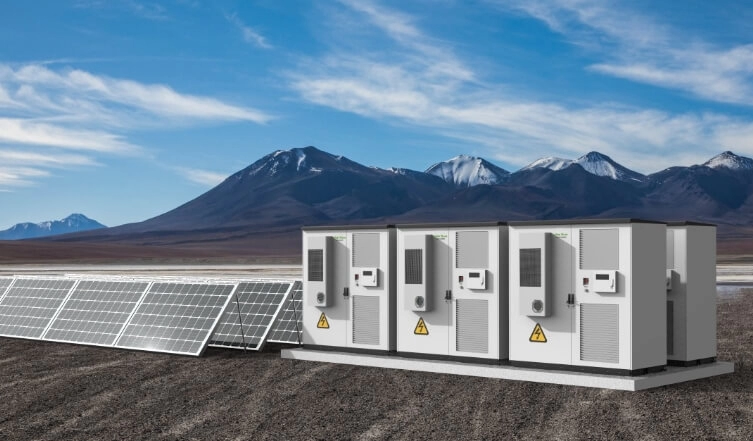
Lithium ion solar batteries convert solar energy into reliable, on-demand power for large-scale applications. They have a higher energy density per cubic meter than lead-acid batteries and flow batteries, significantly reducing the installation footprint. Lithium solar batteries have deep cycle durability, able to withstand thousands of cycles with minimal capacity decay, ensuring a service life of up to ten years. Fast response characteristics and intelligent management systems allow them to adjust output to meet grid demand in milliseconds to meet the needs of large-scale applications.

Higher energy density and faster efficiency of lithium ion solar batteries

The high energy density of lithium ion solar batteries can significantly reduce the site footprint of large-scale energy storage. For example, our 15kWh solar battery storage module has the same usable energy as 30kWh of traditional lead-acid batteries. It can be installed on rooftops, in containers, or existing equipment rooms. The battery racks are designed to maximize the efficiency of kilowatt-hours per cubic meter, reducing site costs by up to 40% compared to traditional systems. In addition, these high-energy-density modules streamline logistics, cut transportation and installation costs, and enable rapid deployment in space-constrained urban or rugged environments. This space efficiency is ideal for use in urban solar farms, electric vehicle charging centers, and large-scale users.

Higher energy density and faster efficiency of lithium ion solar batteries

Deep cycle durability, extended service life

Deep cycle durability enables lithium ion solar batteries to ensure stable capacity after thousands of cycles in large-scale energy storage. Therefore, we use lithium ion solar battery in our battery packs, which retain over 80% of rated capacity after 6,000 full cycles. This enables lithium-ion solar systems to reliably deliver peak shaving and frequency regulation for 10-15 years with minimal performance loss. It uses enhanced battery separators and advanced electrolyte formulations to resist degradation under high-rate discharge and ensure stable voltage curves during rapid cycles.

In addition, they can use the most advanced battery management system to balance battery voltage and temperature to prevent imbalances that lead to premature aging. This deep cycle toughness directly translates into lower levelized energy storage costs for utilities and commercial end users.

Bring fast response and grid stability

Lithium ion solar batteries have a fast response speed, which can be a good way to stabilize electricity and auxiliary services. The BMS detects frequency deviations within 10 milliseconds and dispatches corrective power accordingly. Therefore, our battery energy storage system provides synthetic inertia and frequency support for grids with high penetration of renewable energy. At the same time, combined with hybrid inverters, it can transition from idle to full discharge within 50 milliseconds, meeting the strict ERCOT and PJM interconnection requirements. This instantaneous power injection can smooth voltage sags and instantaneous power outages, thereby improving the overall power quality. Therefore, large-scale users and users in areas with extended power outages will use lithium ion solar batteries to start and smooth emergency loads during severe weather events or unexpected generator failures, thereby enhancing the resilience of the grid.

Bring fast response and grid stability

Modularity and Scalability of Lithium ion Solar Batteries

Scalability is another hallmark feature of lithium ion solar batteries, which can easily achieve modular and incremental capacity growth. First, you can deploy containerized 100 kWh modules interconnected by CAN bus and standardized DC bus; second, other modules can be snapped into existing racks and hot-swapped without shutting down the system. At the same time, our system architecture can be developed around plug-and-play power modules, ensuring that field expansion does not require downtime or complex rewiring. Standard communication protocols like Modbus and IEC 61850 enable seamless integration of new modules into SCADA systems. This modular scalability supports changing needs and maintains redundancy and system reliability throughout the installation.

Safety, thermal management, and reliability

The adoption of lithium solar batteries in large-scale applications also lies in their safety and reliability. Each battery string includes redundant temperature sensors and pressure relief vents, so the battery management system detects abnormalities and triggers a controlled shutdown to prevent thermal runaway. And it is also possible to specify the use of liquid cooling jackets or phase change heat sinks in high temperature environments to keep the battery temperature between 25°C and 45°C, thereby optimizing performance and service life. In addition, BARANA’s system complies with UL 1973, IEC 62619, and NFPA 855 standards, providing insurance-level safety for mission-critical deployments. This layered protection ensures operational continuity for utilities, data centers, and large-scale users, giving them peace of mind that lithium-ion solar cells deliver both performance and the highest safety standards.

The most significant advantages for large-scale applications

The most significant advantages of lithium ion solar batteries are their high energy density, deep cycle durability, fast response, modular scalability, and strong safety, which make them easily applicable in any large-scale scenario. With these advantages, users can reduce the total cost of ownership, obtain excellent power quality, and enhance energy resilience.

How do commercial battery storage systems improve power quality?

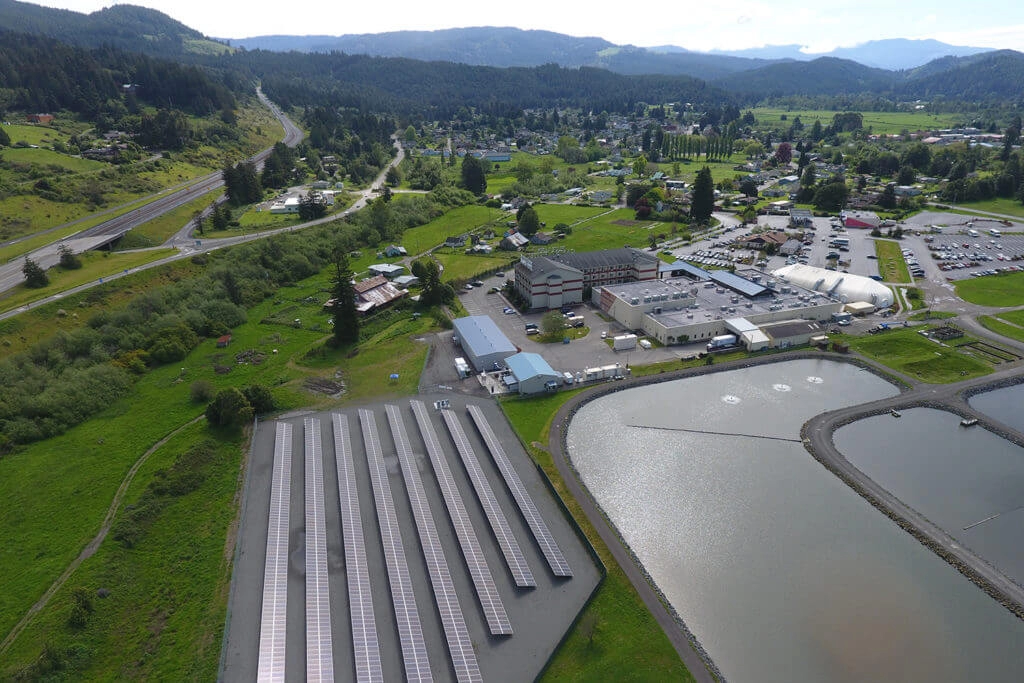
Power quality, defined by parameters such as voltage stability, frequency consistency, and waveform purity, is essential for sensitive equipment ranging from data centers to precision production lines. The main power quality challenges faced in the construction of commercial facilities can be improved by commercial battery storage systems, which can intercept voltage sags, absorb instantaneous spikes, and seamlessly reconnect to clean energy during grid disturbances. By combining advanced control algorithms with high-performance lithium-ion modules, our commercial energy storage systems can not only store power but also actively regulate the grid interface.

Commercial battery storage systems can perform voltage regulation and fluctuation smoothing.

One of the main functions of commercial battery energy storage systems is real-time voltage regulation. Industrial and commercial power grids often experience voltage fluctuations due to sudden load changes or long-distance transmission losses. For example, the startup of a large motor in a large device can cause a significant voltage drop, potentially endangering sensitive electronic equipment. Therefore, we deploy inverters with fast voltage control loops in our commercial storage systems to detect undervoltage or overvoltage conditions within milliseconds. Additionally, I will configure the inverter’s droop settings and voltage set points to match the equipment’s tolerance, ensuring smooth machine operation. At the same time, the battery’s bidirectional power flow capability compensates for line impedance effects, creating a quasi-ideal voltage source at the point of common coupling. This voltage smoothing capability extends equipment life and reduces downtime in any commercial energy storage system environment.

Commercial battery storage systems can perform voltage regulation and fluctuation smoothing.

Frequency Stabilization and Grid Support

In addition to voltage, commercial battery energy storage systems stabilize grid frequency, thereby improving power quality. The grid sustains 50/60 Hz frequency. Sudden wind turbine outages (10 MW+) or mass EV bus charging trigger imbalances that disrupt this stability. Commercial energy storage systems detect frequency drops through a phase-locked loop, which injects active power to suppress frequency drops. Additionally, you can program our energy management software to provide primary frequency response within 100 milliseconds, automatically replenishing the frequency reserve margin. In addition, our energy storage systems can participate in secondary frequency response, smoothing oscillations within seconds to minutes. Commercial energy storage systems can also act as fast-response virtual generators to support grid stability and prevent cascading blackouts.

Frequency stabilization and grid support

Harmonic Suppression and Waveform Improvement

Harmonic distortion is the non-sinusoidal waveform components generated by non-linear loads, which poses another threat to power quality. A commercial battery energy storage system equipped with advanced inverters can actively filter out these harmonics. For example, our inverters employ pulse width modulation strategies combined with digital signal processing to inject anti-harmonic currents, thereby eliminating 3rd, 5th, and higher-order harmonics. As a result, the waveform generated on the facility bus is very close to a pure sine wave. We can calibrate the inverter’s filter coefficients based on field harmonic sweeps to ensure that the total harmonic distortion remains below 3%, which is well below the IEEE 519 standard. By providing active power and power quality correction, commercial energy storage systems can deliver cleaner power, reduce overheating in inductive equipment, minimize nuisance trips, and enhance overall electrical system efficiency.

Commercial Battery Storage Systems Perform Reactive Power Compensation and Power Factor Correction

Commercial battery energy storage systems can provide or absorb reactive power independently of active power flow. In addition to active power services, our inverters can dynamically adjust their volt-ampere reactive output. As a result, they can correct lagging or leading power factor conditions at the point of common coupling. Setting the inverter to maintain a power factor of 0.98 or higher reduces utility bills and relieves transformer loads. Additionally, this reactive support helps stabilize grid voltage during peak demand, thereby preventing voltage collapse. Commercial energy storage systems can, therefore, act as both an energy buffer and a reactive power compensator, ensuring your facility consumes only the reactive power it needs, thereby improving efficiency and reducing electricity expenses.

Peak shaving, load leveling, and voltage sag prevention

In commercial facilities, peak demand charges typically account for a significant portion of the electricity cost. Commercial battery energy storage systems mitigate this problem by peak shaving and load leveling. However, without energy storage, a sudden increase in HVAC or process loads can trigger a network voltage sag. Therefore, the battery discharges to support the load, preventing voltage sags and equipment stress. Engineers write energy storage dispatch algorithms by analyzing historical load profiles, ensuring peak shaving aligns with utility price windows and grid stability events. Additionally, by keeping the load within a narrow range, the facility avoids excessive transformer magnetizing current and line losses. This dual functionality demonstrates the value of integrated commercial energy storage systems in modern energy strategies.

Enhanced Power Quality

Commercial battery energy storage systems enable multiple power quality improvements: fast voltage regulation, precise frequency stabilization, harmonic mitigation, reactive power compensation, and strategic peak regulation. Utilizing commercial energy storage systems that integrate smart inverters, energy management software, and powerful lithium-ion modules can improve your facility’s electrical performance. By adopting these technologies, businesses can achieve cleaner power, reduce operating costs, and enhance grid resiliency.

Solar energy storage solution at Amazon rainforest research station

When it comes to powering a research station in the Amazon rainforest, traditional diesel generators pose significant logistical challenges: fuel must be transported through dense jungle trails, noise pollution disturbs wildlife, and greenhouse gas emissions impact the environment. Therefore, we proposed a sustainable solar energy solution that combines photovoltaic (PV) arrays with battery energy storage to provide reliable, quiet power. Before determining the solar energy storage solution, we evaluated the critical loads of the research station, including data servers, lighting, and communication systems. We determined a solar system that can meet nighttime needs and intermittent sunlight during the rainy season.

Solar Energy Storage Solution: Designing PV and Battery Systems

When designing an efficient solar energy storage solution for the rainforest environment, we selected bifacial PV modules suitable for tropical climates due to their sturdy frames and high moisture resistance. For example, we installed 7 kW bifacial PV modules with anti-reflective coating to improve power generation in the morning and afternoon. In addition, we utilized LiFePO₄ battery packs. We equipped them with hybrid inverters featuring built-in MPPT controllers to maximize solar energy collection and enable seamless switching between PV, batteries, and backup generators. At the same time, the system will prioritize nighttime solar power discharge and only switch to generator power when battery charge drops below 20%. This rugged design ensures the power station remains operational even in prolonged monsoon conditions.

Solar Energy Storage Solution Designing PV and Battery Systems

How to cope with environmental challenges?

Deploying solar energy storage solutions in the Amazon rainforest means overcoming challenges such as extreme heat, humidity, and wildlife interference. Therefore, we installed the battery modules in an IP65-rated enclosure equipped with a climate control system to maintain an internal temperature between 20°C and 35°C, thereby optimizing performance. Workers coat all metal brackets and conduits with anti-corrosion coatings to prevent rust in humid environments. Additionally, we installed UV-resistant cable sheathing to avoid degradation from strong sunlight. At the same time, we route the lines away from wild animals to minimize the risk of bite damage. In addition, technicians must conduct weekly inspections of door seals, check for moisture infiltration, and verify sensor readings to ensure our sustainable solar energy solutions withstand the rainforest’s harsh environment.

How to cope with environmental challenges?

Real-time monitoring and energy management in solar energy storage solutions

A significant advantage of Power’s dream solar energy storage solutions is the ability to utilize energy management software. We deployed a cloud-based monitoring platform that provides real-time dashboards of PV generation, battery charge status, and load consumption. The monitoring system immediately alerts station managers if battery voltage drops below a critical threshold. As a result, they can remotely initiate load reduction protocols to protect power to essential systems. Additionally, automated demand response scripts adjust non-critical loads, such as laboratory equipment or air conditioners, based on predicted solar input. Additionally, the system can configure custom performance reports as needed and email them daily to the technical team, enabling data-driven adjustments.

Integration with local microgrids and backup power

To maximize resiliency, the solar energy storage solution can be seamlessly integrated with the research station’s microgrid architecture. We connected the inverters to the existing diesel generator sets through load-sharing controllers, ensuring smooth switching during extended periods of cloudiness. We synchronized the phase angles of the inverters and generators to prevent surges. Additionally, we can program the solar system to operate the generator sets at optimal load only when necessary, thereby reducing fuel consumption by up to 80% per year. The microgrid also scales easily; operators can add solar or battery capacity as the research station expands. Coordinated microgrid testing and balanced power flow enable seamless switching.

Integration with local microgrid and backup power at Amazon research station

Final commissioning, training and maintenance

The successful deployment of solar energy storage solutions requires not only hardware installation but also comprehensive commissioning, staff training, and preventive maintenance. After initial system testing, I was responsible for conducting training workshops for station technicians, covering routine inspections, troubleshooting and basic repairs. During commissioning, we conducted a full discharge test to verify the battery capacity. Following this, we provided a maintenance plan outlining monthly panel inspections, quarterly inverter firmware updates, and annual replacement of the cabinet’s HVAC unit air filters. The local team maintains a real-time digital maintenance log, ensuring transparency and accountability.

Bringing a sustainable energy supply to the Amazon Rainforest Research Station

The implementation of the solar energy storage solution at the Amazon Rainforest Research Station utilizes bifacial photovoltaics, lithium-iron-phosphate batteries, hybrid inverters, and anti-corrosion measures to construct a resilient and low-carbon power source. Additionally, remote monitoring and microgrid control enable 24/7 operation, minimizing the need for diesel backup power. For different users, we will provide customized solar energy solutions tailored to their specific needs, aiming to promote sustainability and enhance the efficiency of solar energy operations.