How to determine an off grid solution for a four-bedroom home?

On average, a medium-sized four-bedroom US home consumes 30 to 50 kWh of electricity per day, with more specific figures depending on home size, climate zone, appliance efficiency, and occupant behavior. To accurately estimate your daily electrical load, an energy audit is performed: list all major appliances, record their power, and record typical hours of use. This data forms the basis of an off grid solution, identifying peak demand periods and total daily electricity use. With an accurate kWh estimate, we can specify the solar array’s size, the batteries’ storage capacity, the power rating of the inverters, and the backup generation options needed to maintain reliable power when the sun is not shining.

Calculating Solar Array Requirements for Off Grid Solution

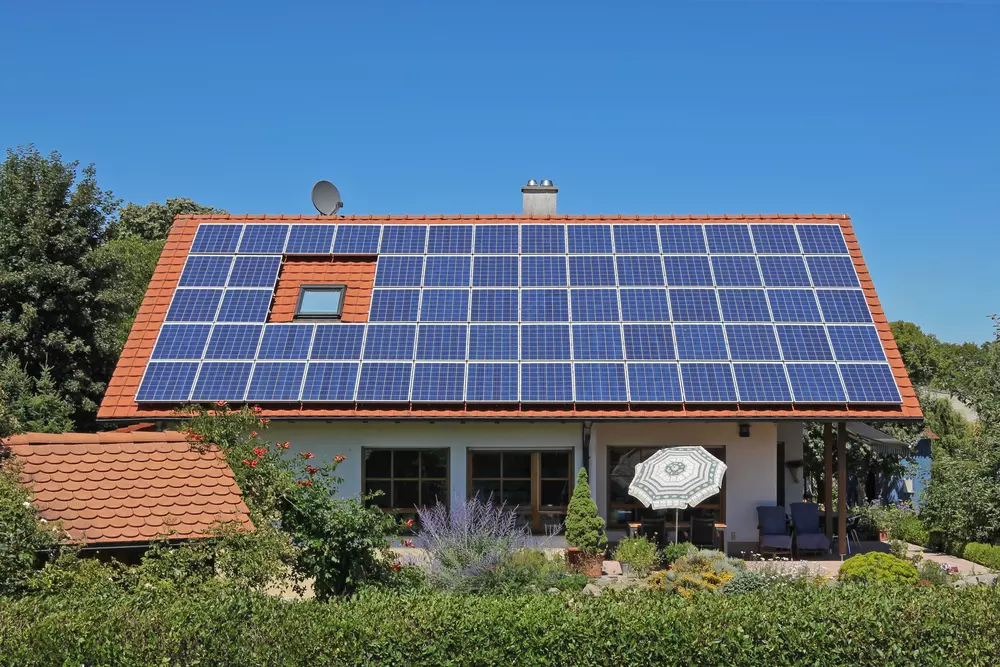
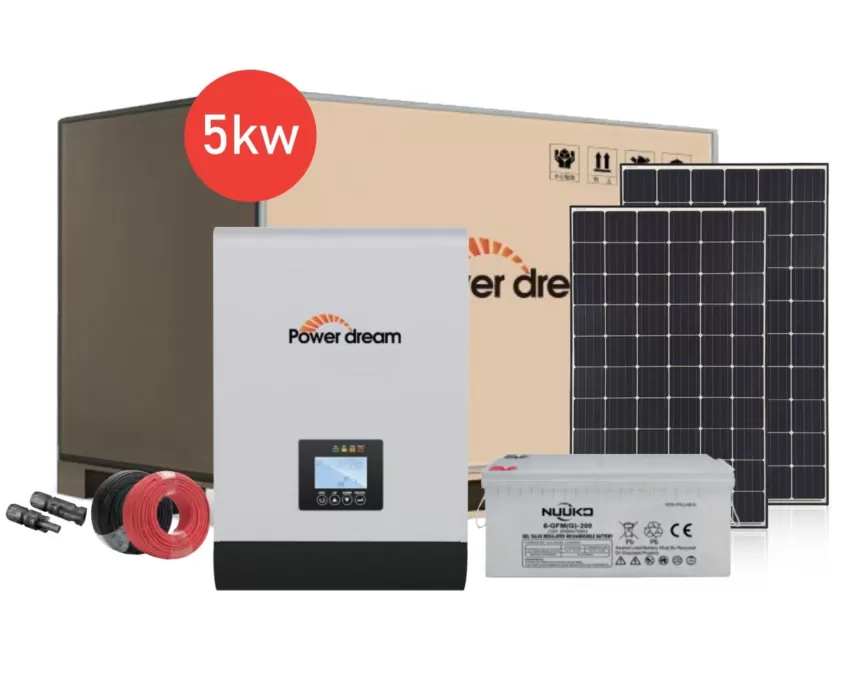
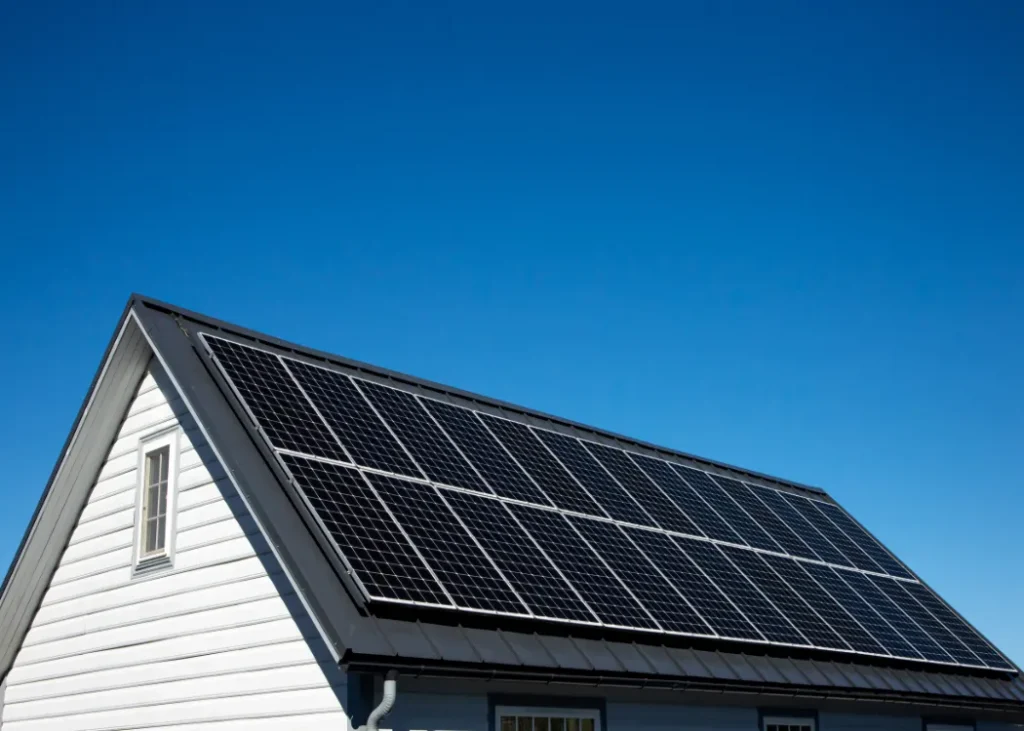
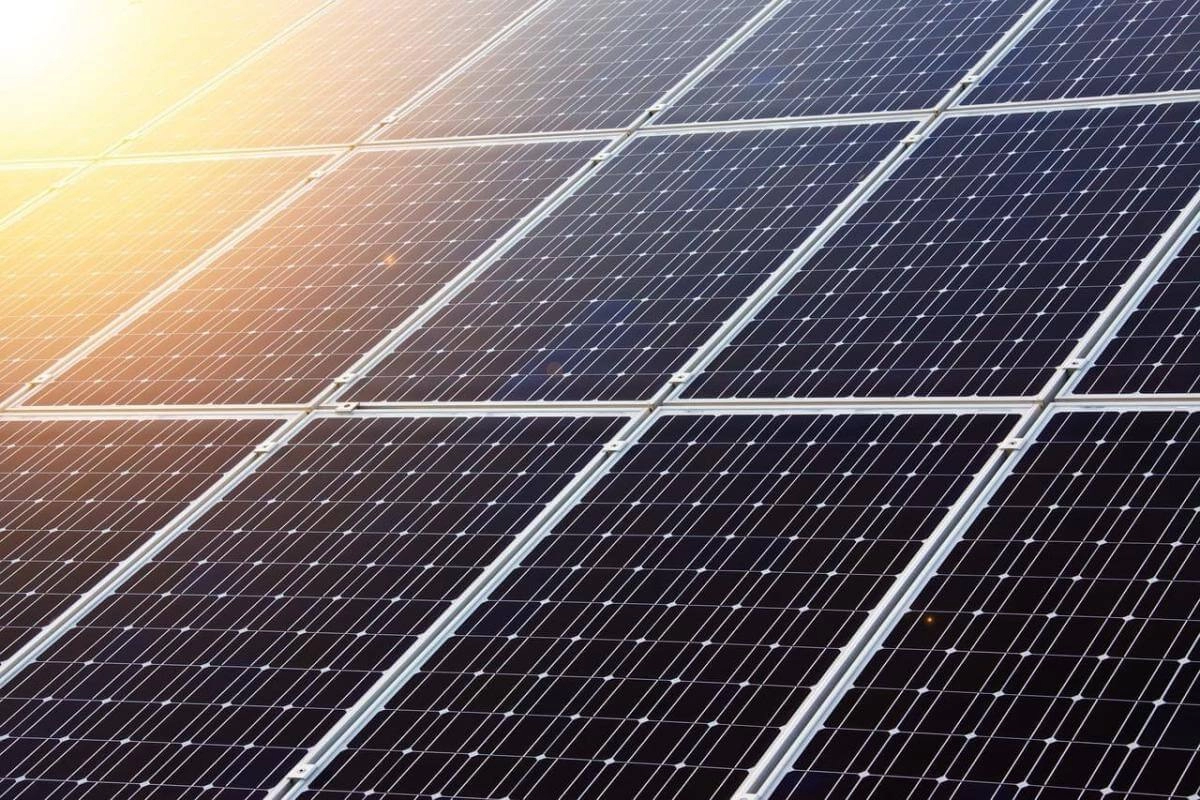
Once daily energy consumption is determined, the next step in an off grid solution is to size the PV array. Suppose your four-bedroom home requires 40 kWh of electricity per day. In an area that averages 5 hours of peak sunshine daily, you’ll need a solar PV system of at least 8 kW to generate enough power. The solar off grid kits provided in BARANA’s off-grid solutions are modular, ranging from 5 kW to 60 kW, to accommodate different electricity consumption levels and geographical conditions. Considering system losses, inverter inefficiency, line losses, etc., we recommend adding an excess factor of about 20% to adjust the array power to about 10 kW. In addition, the high efficiency of solar modules and durable, weather-resistant frames ensure reliable power generation for decades.
Calculating Solar Array Requirements for Off-Grid Solutions

Compatibility of inverters and charge controllers in off grid solution

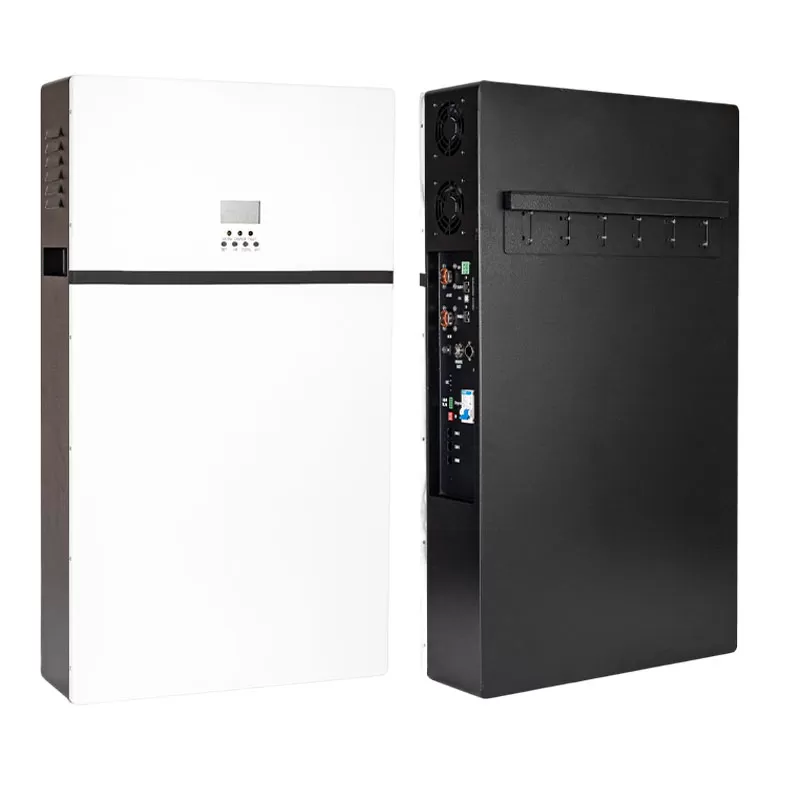
One of the key components in the off grid solution is the solar array. For a four-bedroom house with a daily electricity demand of 40 kWh, BARANA recommends a battery capacity of at least 80 kWh to achieve two days of endurance. LiFePO₄ batteries are favored for their high discharge depth of up to 90%, long life of 3,000-5,000 cycles and excellent safety. With an 80 kWh LiFePO₄ battery pack, homeowners can regularly discharge the capacity to 20% without affecting the battery’s health. Meanwhile, BARANA’s off-grid solution kit integrates a battery management system (BMS) that monitors battery balance, temperature, and charging rate to optimize performance and extend life. Adding proper battery sizing and management ensures that your four-bedroom home enjoys uninterrupted power even during periods of low solar input for multiple consecutive days.
home-battery-storage-5

Compatibility of inverters and charge controllers

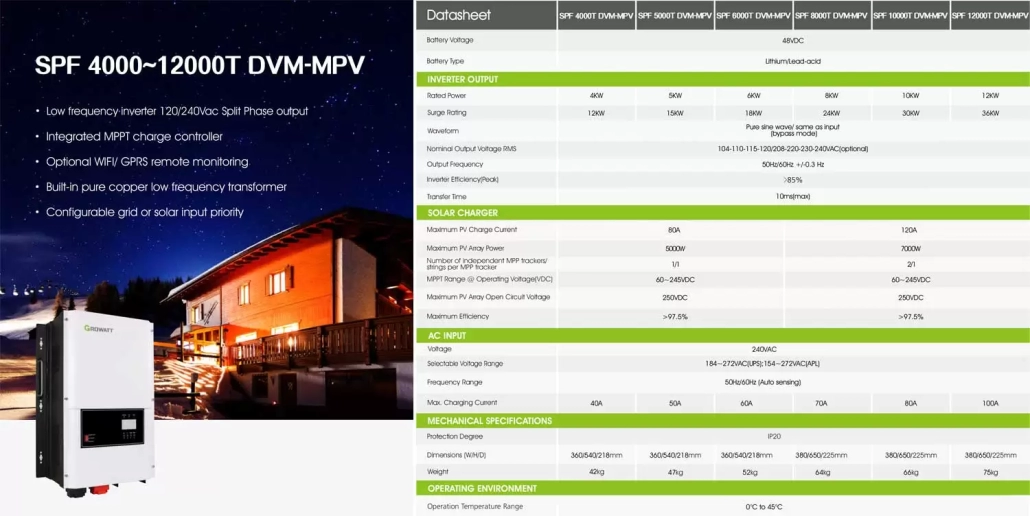
In off grid solutions, power conversion and control devices must be matched with solar arrays and battery systems to provide stable, clean power to household loads. BARANA’s off grid solutions use hybrid inverters (such as the MIN2500~6000 TL-X, MIN7000~10000 TL-X series) that combine MPP charge controllers with grid-tied inverter functions. For 8–10 kW solar arrays, we recommend an 8 kW inverter with an output of 120–240 VAC, three-phase support, and up to 95% efficiency. The integrated MPPT charge controller, rated at 60 A or higher, ensures optimal solar harvesting by dynamically adjusting voltage and current. By selecting an inverter and charge controller designed for compatibility, you can back off your off-grid solution with reliable power delivery, protecting sensitive electronics and maintaining home comfort.
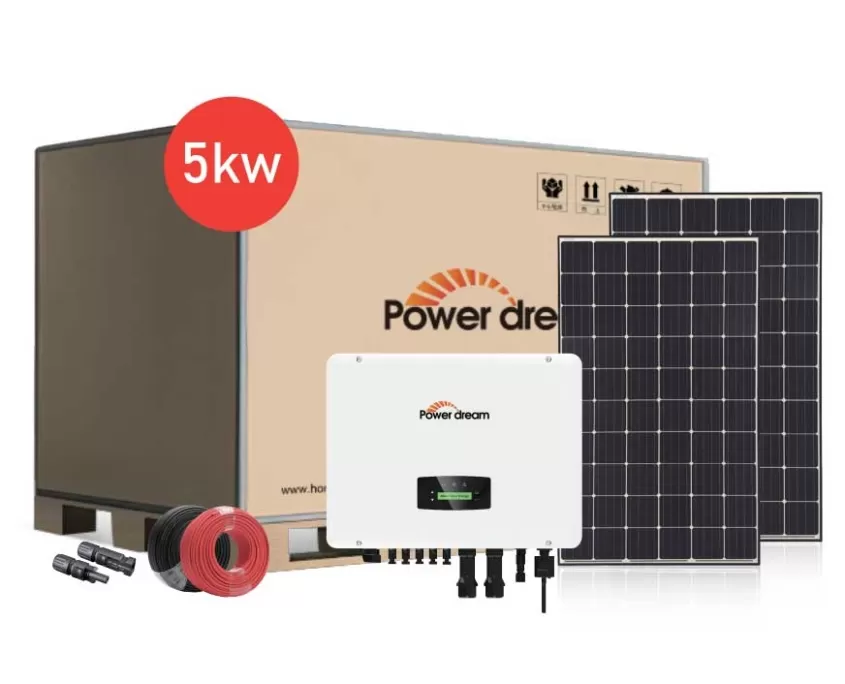
On Grid Solar System 5-6

Backup Generation and System Redundancy

Even the most robust off grid solutions benefit from supplemental backup generation to handle extreme weather or extended periods of low sunlight. BARANA has an optional 5-8 kW diesel generator that charges the battery bank and directly powers critical loads when solar output is insufficient. The hybrid inverter integrates a smart transfer switch and an automatic start-stop controller that manages the generator’s operation, starting only when the battery charge falls below a preset threshold. This feature avoids deep discharge, extends battery life, and reduces generator run time, saving fuel and maintenance costs. In addition, the off-grid solution architecture supports multiple generators operating in parallel for larger homes or higher loads, ensuring that a four-bedroom home can remain powered in any situation.

Energy Efficiency and Load Management

An effective off grid solution goes beyond hardware; it incorporates energy-saving measures and load management strategies. We recommend that the owner of the four-bedroom home upgrade to LED lighting, energy-efficient appliances, and high-efficiency heat pumps to reduce baseline energy consumption, resulting in an expected 20% to 30% reduction in daily electricity use. At the same time, incorporating programmable thermostats, smart plugs, and timed load controllers can shift non-critical loads to peak solar generation times, minimizing battery cycling. Demand response integration can automatically shed loads for more advanced setups when battery power is low, preserving power for critical circuits such as cooling, security, and lighting. Owners can optimise system size and reduce capital expenditures on oversized hardware by combining energy-saving practices with smart off-grid solution controls.

Achieving Reliable Energy Independence for a Four-Bedroom Home

When designing an off grid solution for a four-bedroom home, we perform detailed load analysis, precise system sizing, and integrate high-performance components. BARANA’s off grid system solutions range from 5 kW to 60 kW off-grid solar systems, 40-100 kWh LiFePO₄ battery packs, to hybrid inverters with integrated MPP and generator support, providing scalable, reliable power to meet residential needs. Combined with renewable energy, energy storage, backup, and energy efficiency measures, off-grid solutions can enable homeowners to achieve true energy independence.
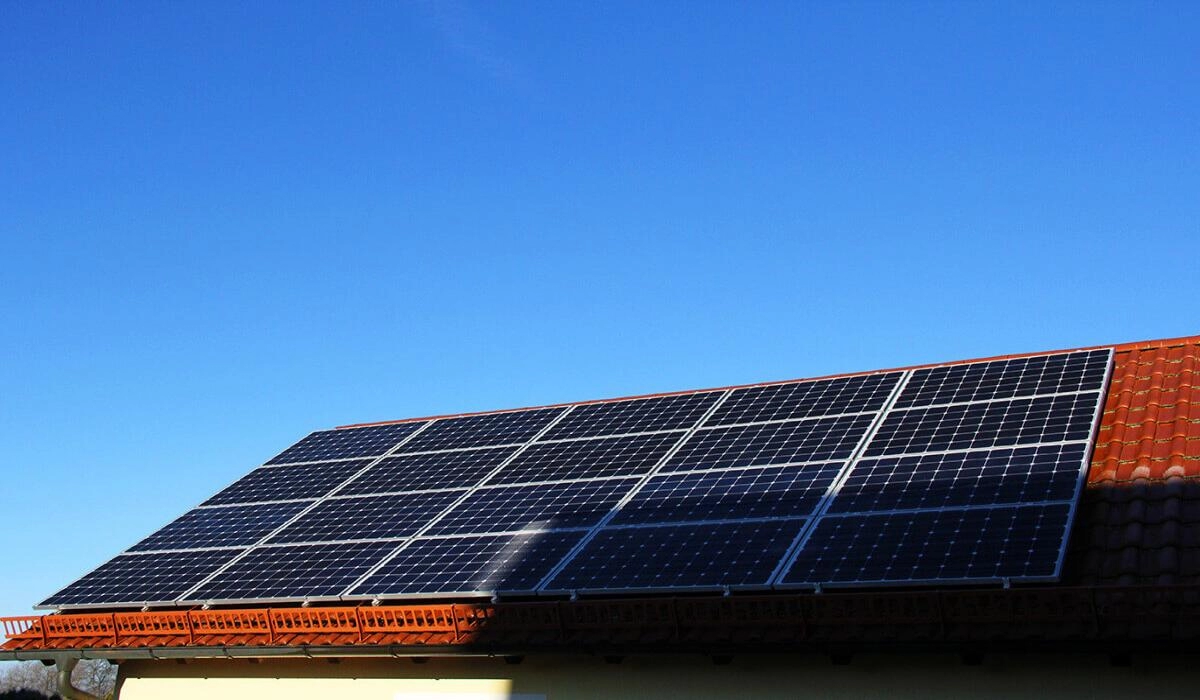
How to avoid module mismatch in On Grid Solar Systems?

Module mismatch in on grid solar systems refers to PV modules in the exact string exhibiting different electrical characteristics, resulting in poor on grid system performance. In daily use, even minor differences between solar modules can result in a 5-15% reduction in string output, reducing the return on investment and the overall performance ratio. Therefore, we need to find the root causes of module mismatch, such as cell tolerance, temperature gradient, contamination differences, and aging effects, and adopt effective strategies to avoid and mitigate the effects of mismatch.

On Grid Solar Systems: accurate module selection

Avoiding module mismatch starts at the production plant and continues throughout installation. The on grid solar systems provided by BARANA use a strict module selection protocol to ensure that each solar module meets strict electrical specifications: Vmp, Imp, and Pmp must be within ±2% of the nameplate value. At the same time, the modules are grouped by electrical grade and divided into matched strings to reduce differences and avoid the worst-performing module from dragging down the performance of the entire string. In addition, selecting modules from the same production batch can minimize coefficient differences caused by slight manufacturing fluctuations. By adopting uniform components, system designers can standardize on grid solar systems and minimize string-level mismatch losses.

Optimal on grid solar system layout and shading management

Even perfectly matched components can have performance differences due to environmental factors. In on grid solar systems, uneven shading caused by nearby trees, rooftop shades, or seasonal sun angles can cause local mismatches within strings. Our system designers avoid this by performing detailed site assessments and 3D shading simulations to place components on unobstructed roof sections or ground-mounted frames. If shading is unavoidable, we divide the array into multiple strings connected to an independent inverter to ensure that shaded components do not affect performance in full-sun areas. At the same time, system designers add power optimizers at the component level to decouple individual PV outputs, allowing each solar panel to operate at its maximum power point and collect maximum energy even when part of the component is shaded.

on grid solar system layout and shading management(1)

Temperature uniformity and thermal mismatch mitigation

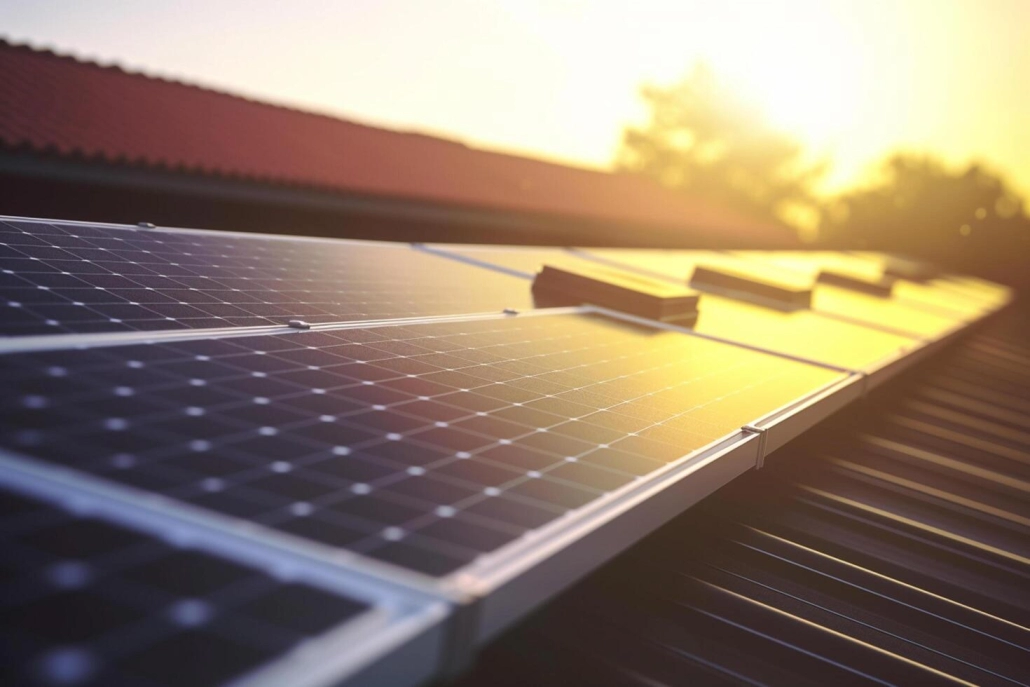
Temperature variations in PV installations can cause another mismatch: on grid solar system components operate at higher temperatures, reducing voltage and power. In on grid solar systems, uneven airflow, differences in roof materials, or the module’s distance from heat sources like HVAC units or chimneys can cause hot spots. Therefore, we recommend leaving enough air gaps under the modules during installation and choosing modules with low temperature coefficients, such as -0.30%/°C, to solve the thermal mismatch problem. We integrate active cooling solutions for large-scale commercial installations, adding thermal conductive backplane designs or reflective coatings to keep the module temperature uniform. These measures maintain the uniformity of the string electrical characteristics, thereby optimizing the system’s power generation under different environmental conditions.

On Grid solar system components operate at higher temperatures

Using Technology for Mismatch Compensation

While prevention is essential, we must take measures corresponding to the situation. BARANA’s on grid solar system utilizes advanced equipment, including microinverters and module-level power optimizers, to decouple the power output of each panel from the string. Microinverters convert DC power to AC power at the panel connection, allowing each module to operate independently at its peak voltage and current. At the same time, we will use power optimizers in conjunction with central inverters to perform similar MPPT functions at the module level, combining optimized outputs into a single AC power source. These technologies eliminate module mismatch losses, even under complex shading or pollution conditions. Compared to traditional string inverters, the system increases the total energy collection by 10–25%.

Regular maintenance and pollution management

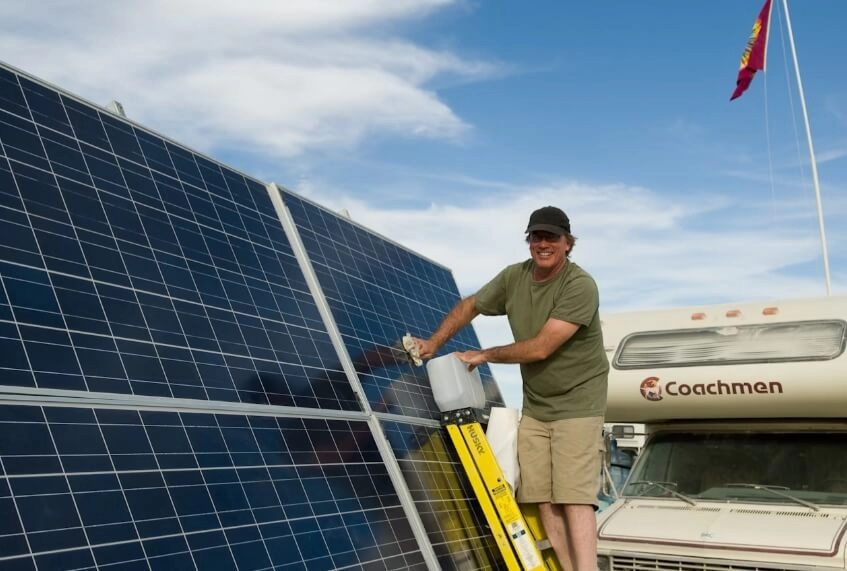
Any solar energy system requires some maintenance to maintain performance, because over time, dirt, dust, pollen, and bird droppings accumulate on the surface of these components, causing uneven shading and accelerating the mismatch of on grid solar systems. BARANA’s recommended maintenance plan includes regular thermal inspections to detect poorly performing components. Regular panel cleaning with deionized water and a soft brush can reduce pollution losses by up to 20%. In arid environments, anti-fouling hydrophobic coatings can keep components clean between maintenance cycles. In addition, if conditions permit, proprietary monitoring software can flag deviations in component-level voltage and current, triggering automatic alarms for targeted cleaning.

Regular maintenance and pollution management of grid-connected solar system components

Ensuring long-term stable performance and reliability of solar energy systems

Module mismatch constantly threatens the efficiency and viability of on grid solar energy systems. Still, these losses can be minimized through careful planning, precise component selection, and targeted application of technology. Our holistic approach, with ongoing maintenance and performance monitoring, ensures that every kilowatt of power generated translates into real economic and environmental benefits.

Why are lithium batteries important for 8kw Off Grid Solar System?

8kw off grid solar systems are suitable for small and medium-sized families, remote cabins and small businesses, providing them with reliable, self-sufficient power support. One of the cores of its operation is the lithium battery configured in the 8kw off grid solar system, which can store solar energy generated during peak hours during the day for use at night or during long cloudy days. Unlike traditional lead-acid batteries, lithium technology provides higher energy density, longer cycle life and greater depth of discharge. All of these are key factors in maximizing the return on investment of 8kw off-grid solar systems. At the same time, lithium batteries can operate efficiently over a wider temperature range, maintain a stable voltage under load, and support faster charging and discharging speeds, ensuring that power is available when demand surges.

Providing excellent energy density for 8kw off grid solar system

One of the main advantages of using lithium batteries in 8kw off grid solar systems is their excellent energy density. LiFePO₄ or NMC batteries have an energy density of up to 250 Wh/kg, while lead-acid batteries have an energy density of only 40-50 Wh/kg. This means that a 10 kWh lithium battery pack takes up significantly less space and weighs less, making it ideal for residential installations or space-constrained machine rooms. For example, European alpine huts and urban rooftop PV systems benefit from their smaller footprint, making them easier to integrate into existing buildings. The compactness of lithium batteries also simplifies transportation and installation in remote areas, reducing labour and logistics costs. Therefore, an 8kw off-grid solar system equipped with lithium battery energy storage can save valuable living or storage space while maintaining high capacity.

Providing excellent energy density for 8kw off grid solar system


Extending the cycle life of off grid solar systems and reducing life cycle costs

When we design 8kw off grid solar systems, we consider that the total life cycle cost is often more important than the initial purchase capital. The cycle life of lithium batteries at 80% depth of discharge exceeds 5,000 full cycles, while most deep-cycle lead-acid batteries will degrade after only 500-800 cycles at 50% DoD. Over a 15-year service life, the lithium battery pack can easily outperform many lead-acid lithium batteries, saving battery procurement and disposal costs. Additionally, lithium batteries require minimal maintenance – no watering or equalization fees – which further reduces residential user overhead.

In harsh environments, the resiliency and reliability of lithium batteries minimize generator run time and provide stable power delivery. Considering reduced downtime and increased energy availability, the total cost of ownership of an 8kw off-grid solar system equipped with lithium batteries is significantly lower.

Deep discharge depth for maximum usable capacity

Energy storage efficiency is measured not only by total capacity, but also by the percentage of capacity you can safely use. Lithium batteries for 8kw off-grid solar systems can typically support 80-100% depth of discharge without noticeable performance degradation. This deeper discharge capability means that a 10 kWh lithium battery pack can effectively provide 8-10kWh of usable power. In fact, a home relying on an 8kW off-grid solar system can power basic loads (lighting, cooling, water pumps) for longer periods of time during long cloudy days. At the same time, the battery management system ensures that the batteries remain balanced during deep cycling, preventing capacity loss and guaranteeing predictable performance over thousands of cycles.

Deep discharge depth for maximum usable capacity

High charge/discharge efficiency and fast response for 8kw off grid solar systems

In off grid solar systems of any size, every percentage point of efficiency improvement translates into more usable energy and reduced system size requirements. Lithium batteries have a round-trip efficiency of 95% or higher, compared to 80-85% for lead-acid batteries. This means less solar generation is needed to offset losses. This high efficiency reduces the required panel array size and shortens the payback period. In addition, lithium chemistry supports high charge and discharge rates (C-rates), which can quickly charge and instantly supply power during peak sunlight hours to support high starting loads, such as central heating systems. This fast response maintains voltage stability in off-grid conditions, preventing voltage sag when large inductive loads start.

Enhanced safety and thermal management

Safety is critical in any energy storage solution. Lithium batteries significantly reduce the risk of thermal runaway with superior thermal stability and chemical safety. These batteries can withstand higher operating temperatures and prevent overcharging. In contrast, the integrated battery management system continuously monitors key parameters, voltage, temperature, and SOC, providing overcurrent protection, cell balancing, and automatic power-off functions. In tropical or desert locations, a robust thermal management strategy ensures that the battery in an 8kW off-grid solar system operates within an optimal temperature range. This level of safety and monitoring gives installers and end users peace of mind from extreme environments and electrical faults, while also meeting stringent UL and IEC safety standards.

Lithium Batteries: A Key Factor in Reliable Off-Grid Solar Systems

Lithium batteries are key to any high-performance off-grid solar system. Because of their high energy density, longer cycle life to deep discharge depth, excellent efficiency, strong safety features and modular scalability, they directly address the core problems of off grid power supply. By leveraging lithium technology, end users in regions such as South America and Europe can enjoy reliable, cost-effective and environmentally friendly electricity.

How do solar flood lights solve the garden lighting problem in landscapes?

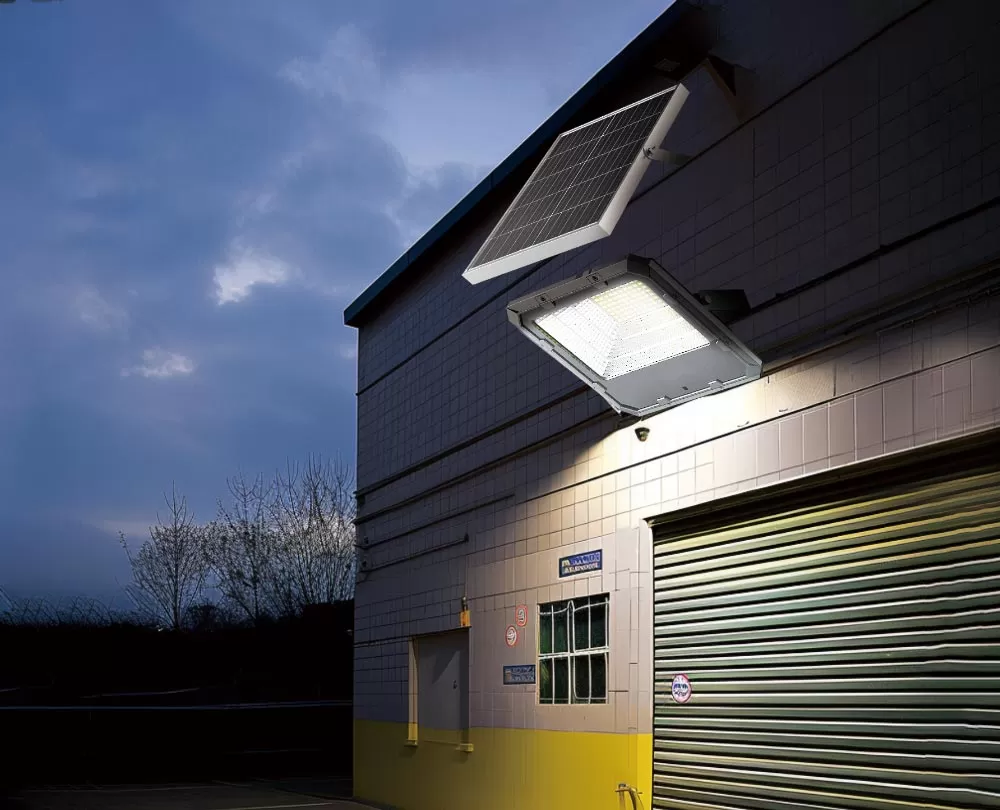
Garden landscape lighting often faces uneven lighting, high installation costs, and limited power access. Traditional wired systems require trenching, pipe running, and wiring, which not only increases design difficulty but also increases project budgets. The popular solar flood lights can utilize renewable energy, simplify installation, and enhance the garden atmosphere. Garden solar flood lights integrate photovoltaic panels, efficient LED arrays, and intelligent control functions to meet all aspects of garden lighting without needing an external power grid. Whether in an urban backyard or a large estate in South America, it can provide reliable, environmentally friendly lighting for landscapes of all sizes.

Solar flood lights bring energy independence and cost savings for landscape lighting.

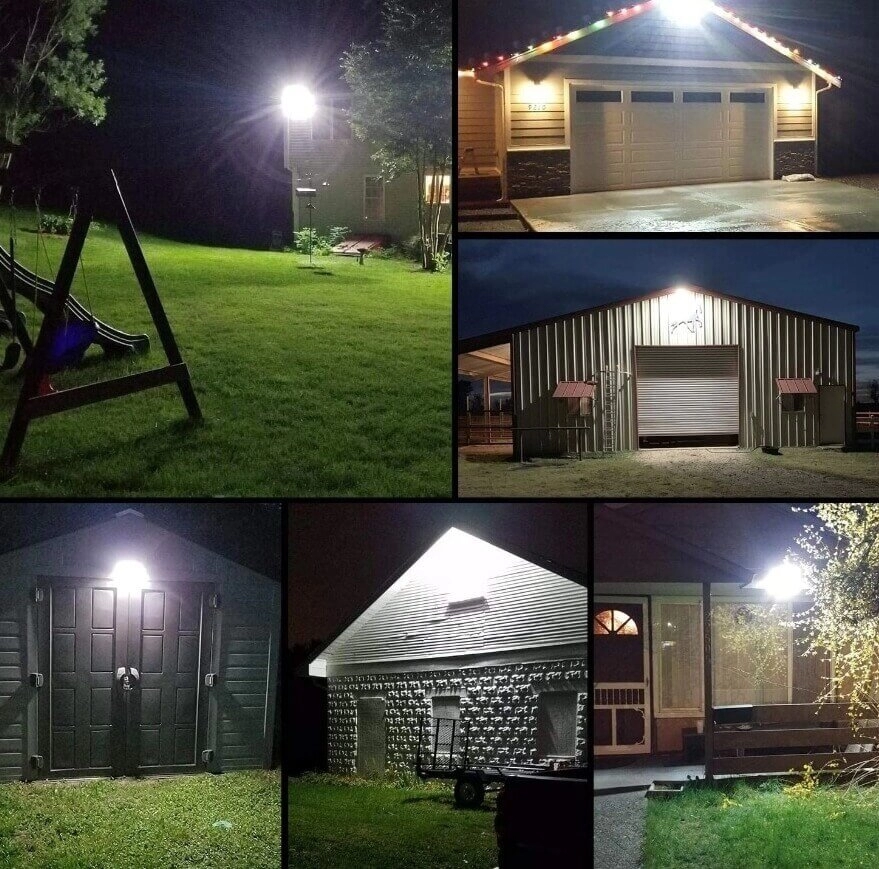
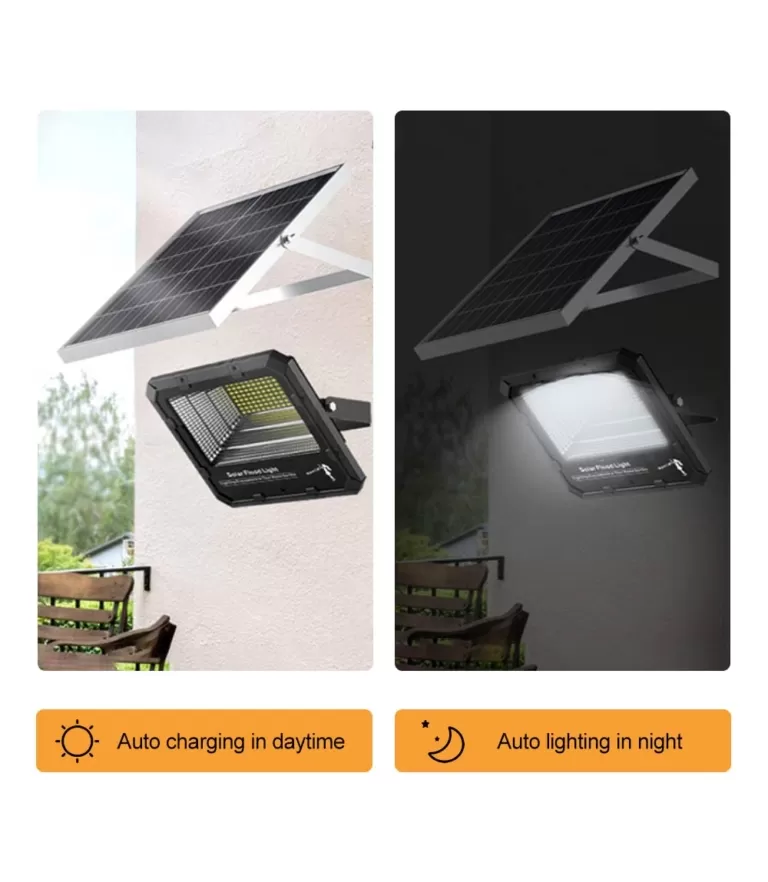
One of the main advantages of solar flood lights is their energy independence. By converting sunlight into stored electricity, these solar flood lights can save money on monthly electricity bills and reduce the carbon footprint. For homeowners living in the sunny savannah of Brazil or high-altitude villas in Argentina, this means consistent garden lighting without worrying about rising electricity bills or power outages. In addition, compared with traditional systems, no trenching or wiring is required, which can reduce upfront installation costs by up to 50%. In addition, the LED solar flood lights provided by BARANA use high-efficiency solar panels to provide 8-12 hours of uninterrupted lighting per charge. This combination ensures the garden landscape remains beautifully illuminated from dusk to late at night, even in areas with changeable weather.
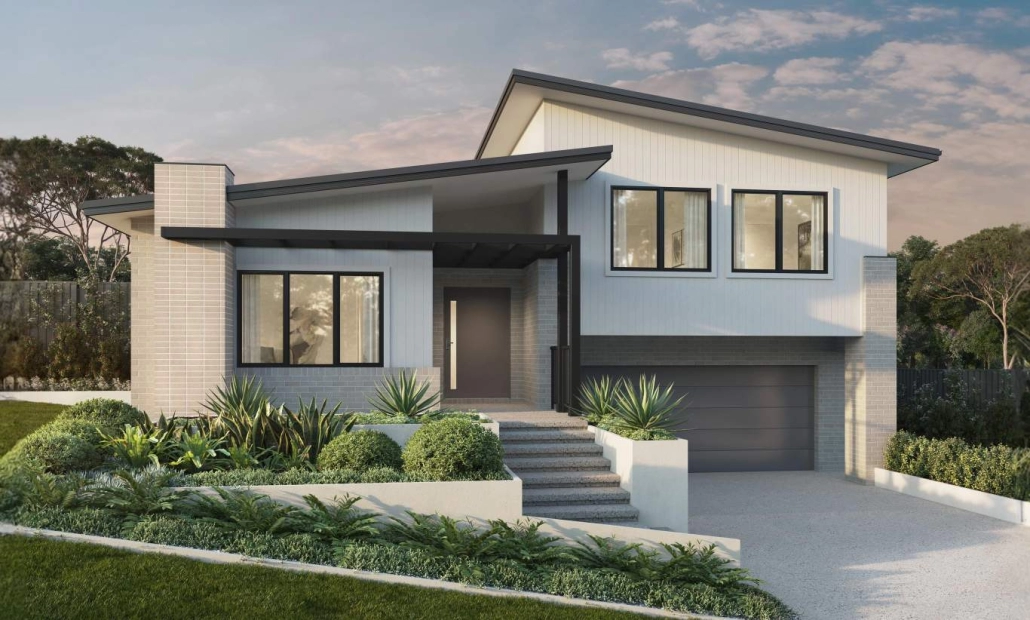
solar floodlights for landscape lighting 2

Easy to install and flexible placement in the garden

Due to the limitations of wired connections, gardeners and landscape designers often have difficulty placing lights where they are most needed. Each unit of the solar flood light operates independently and only requires a sturdy ground stake or pole stand, without the need for an electrician. Even if you are in the seaside area of ​​Chile or a mountain cabin in Peru, installers can quickly adjust the position of the lights to accommodate seasonal plants or new landscape features. At the same time, BARANA’s solar outdoor flood lights are equipped with adjustable brackets, allowing users to tilt the panel to the best sunlight angle and accurately aim the beam. The plug-and-play design is combined with wireless connection options that enable multi-unit synchronization. In addition, modular expansion kits can seamlessly add additional lights as the landscape changes so that consistent lighting can be maintained.

Easy to install and flexible placement in the garden

Durability and weather resistance for all climates

Outdoor environments expose lighting fixtures to rain and moisture. BARANA builds its solar flood lights with an IP67-rated housing and aluminum alloy, ensuring corrosion and water resistance. They continue to operate seamlessly even in monsoon rains and intense UV exposure. The included anti-glare tempered glass lens and powder-coated finish withstand physical impacts and prevent fading. These durable features ensure a more than five years of reliable service life, reducing maintenance costs and minimizing downtime even in the harshest environments. In addition, the manufacturer conformally coats the internal electronic components to prevent moisture intrusion, while the heat sink maintains a stable operating temperature under direct sunlight.

Smart Control and Motion Sensing for Solar Flood lights

The solar flood light for garden security integrates smart motion sensors that detect human or animal movement within a 120° field of view and a range of 30 feet (about 9 meters). Once triggered, the light brightness reaches 2000 lumens, deterring potential intruders and guiding homeowners to safe passage. The integrated automatic brightness sensing function optimizes lighting according to environmental conditions and activates the light at sunset. Additionally, programmable timers and remote app control allow for customizable light schedules. In suburban South American homes, these LED solar flood lights combine energy-efficient lighting with responsive safety features, giving residents peace of mind without ongoing energy costs.

Smart Control

Enhance landscape design with color and effects.

Beyond functional lighting, BARANA’s solar flood lights enhance the garden’s beauty with a wide range of color and effect options through a customizable approach. Multiple color combinations are possible with RGBW LED arrays, perfect for accenting tropical foliage in a Brazilian patio or adding soft, warm tones to Chilean patio sculptures. Dynamic mode brings light effects to outdoor gatherings. This creative flexibility transforms an ordinary garden into an immersive landscape, demonstrating the power of modern solar floodlights to blend form, function, and festive ambience. Customizable beam angles and lens accessories further enable precise light shaping.

Reliable, eco-friendly garden lighting

Solar floodlights solve garden lighting challenges with energy independence, cost savings, and installation flexibility without compromising durability or design potential. BARANA’s complete line of solar floodlights ensures optimal lighting for landscapes in South America and beyond. By leveraging advanced solar and lighting technologies, homeowners and landscape professionals can create safer, more beautiful outdoor environments that embody sustainability and innovation.

How to optimize battery discharge depth in an off grid home solar system?

At its core, an off-grid home solar system relies on battery storage to provide power during periods of low or no sunlight. To maintain battery health and maximize system life, you must learn to manage the battery’s depth of discharge (DoD). Frequent over-discharging of batteries shortens cycle life, while under-utilizing capacity results in expensive storage resources not being fully utilized. Optimizing DoD balances energy availability and battery life to ensure consistent performance in a remote home, cabin, or eco-friendly home. Effective DoD management starts with understanding the home’s energy demand profile, which typically includes daily electricity usage patterns, peak loads (e.g., HVAC, water pumps), and seasonal variations.

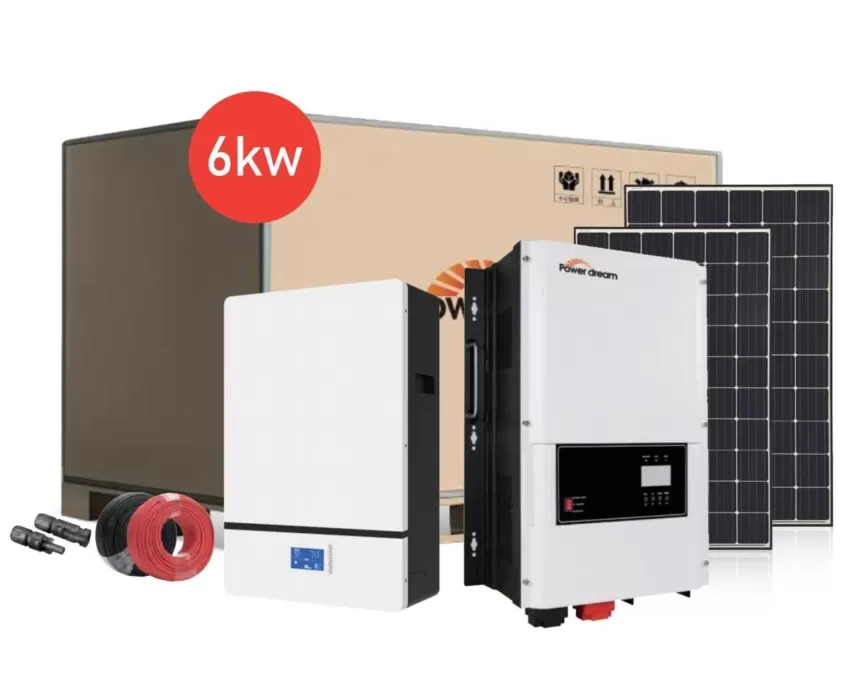
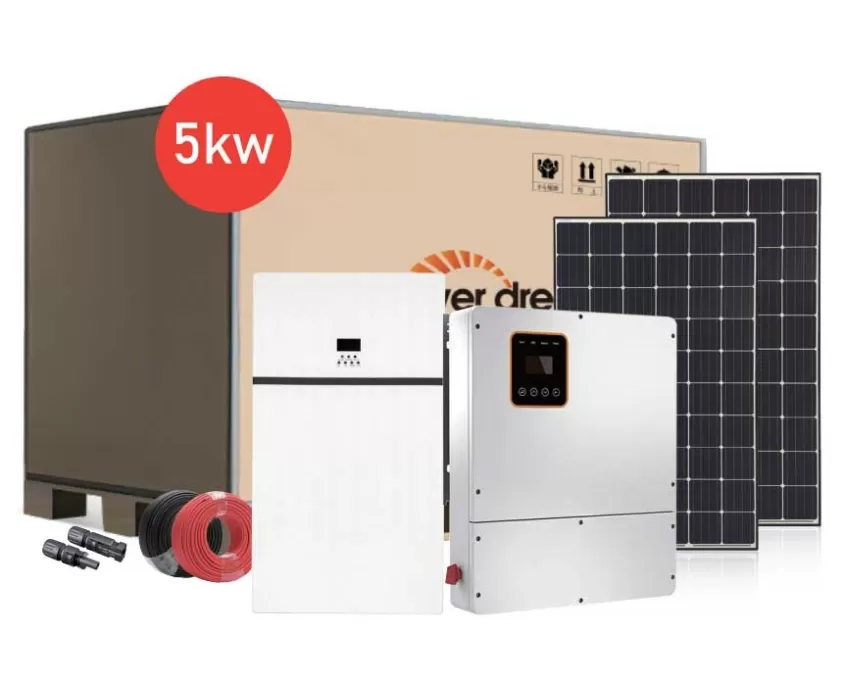
In a typical off-grid home solar system, an off-grid solar system with 3 kW to 6 kW of PV capacity can store 10 kWh to 30 kWh of usable energy. Setting a target DoD between 50% and 80% maintains battery health while providing reliable power.

Depth of Discharge and Battery Life in Off Grid Home Solar System

Depth of discharge directly affects the cycle life of batteries in off grid home solar systems. For example, lead-acid batteries can cycle 500-800 times at a 50% depth of discharge, while lithium-ion batteries can cycle 2,000-5,000 times at a similar depth of discharge. Exceeding the recommended depth of discharge (e.g., discharging a lead-acid battery below 20% of the state of charge (SoC)) greatly accelerates sulfation and capacity loss. Conversely, limiting discharge to 30-50% of SoC can extend cycle life but requires a larger battery pack to meet energy demands.

Monitoring depth of discharge (DoD) requires accurately estimating the state of charge through voltage readings, coulomb counting, or a battery management system. A BMS with a reliable SoC algorithm can help maintain DoD within a safe range and dynamically adjust charge/discharge thresholds. By calibrating DoD targets based on local climate conditions, off-grid home solar systems can avoid deep discharges in inclement weather while maximizing available energy storage under optimal conditions.

off grid home solar system 8-6

Optimizing DoD in a 3kW Off Grid Home Solar System

A 3kW off grid home solar system is typically suitable for small loads such as lighting, small appliances, and electronics in a small home or weekend cabin. The battery capacity available for this configuration ranges from 5 kWh. To optimize the discharge time, the following can be done:

Set conservative DoD limits: For lead-acid battery packs, aim for 40–50% DoD to maintain cycle life; for lithium battery packs, 60–70% is feasible.

Load management: Low-power LED lighting and energy-efficient appliances can be installed to smooth out peaks and reduce the depth of discharge per cycle.

Programmable charge controller: An MPPT controller with a programmable SoC cutoff can also configure early cutoff at the DoD limit to prevent excessive discharge.

Backup generation: Integrate a small or solar generator as a fault protection device. Automatic start-up during low battery SoC prevents deep discharge, thereby maintaining the health of the off-grid home solar system.

Seasonal Adjustment: Lower the target DoD to 30-40% in the winter to account for reduced solar generation and prevent over-consumption during cloudy days.

Fine-tune DoD in a 5kW System

A 5 kW off grid home solar system can serve a suburban or rural home with moderate loads such as refrigeration, power tools, water heaters, and HVAC systems. The battery typically provides 5-10 kWh of energy storage in this case. To optimize discharge time, do the following:

Tiered DoD Strategy: Implement diurnal DoD thresholds: This can be 70% in the summer and 50% in the winter to accommodate solar variations.

Diversify Storage: Pair a lead-acid battery bank with a lithium battery buffer. Using a lithium battery bank in high-depth-of-discharge situations can extend the life of the lead-acid battery.

Smart Inverter and BMS Integration: Inverters with built-in BMS communication capabilities can also be used. Real-time SoC data allows the system to limit non-essential loads when approaching DoD limits.

Load Prioritization: Categorize circuits. When the battery reaches 60% charge, the system cuts off non-critical loads, thus maintaining critical operations and preventing deep discharge.

Predictive maintenance: Analyze historical DoD trends using data logging. If the system is frequently below the target SoD, adjust the operating strategy.

off-grid-solar-system

Managing DoD in a 6kW off grid solar system

The 6kW off grid solar system suits small and medium-sized homes with high energy demand. The available capacity of such battery banks is 10- 15 kWh. Key optimization measures include:

High-performance lithium-ion batteries: Considering high-load cycles, invest in LiFePO₄ or NMC chemistries with a recommended dose of 80%, providing more than 3,000 cycles.

Energy Management System (EMS): An integrated EMS that coordinates solar production, battery scheduling, and generator backup optimizes DoD in real time.

Planned load shifting: Use smart timers to run high-energy-consuming appliances during peak solar production to minimize battery discharge.

Redundant safety cutoffs: Set multiple SoC thresholds, such as an 80% discharge depth alarm and a 90% critical cutoff. When critical limits are approached, the generator is triggered to start automatically.

In an extensive 6kW off-grid home solar system, these measures enable safe deep cycling of the battery without sacrificing reliability or accelerating wear, ensuring continuous power even under strong seasonal demand.

6kw Off Grid Solar System 1

Optimizing the system with some practical tips

In addition to system-specific strategies, there are some practical tips that can improve the optimization of the size of all off grid home solar systems. You can maintain the battery temperature between 18–25°C to maximize available capacity and ensure consistent DoD performance. Meanwhile, technicians regularly perform discharge tests to verify battery capacity and recalibrate the SoC algorithm for accurate DoD measurement. Beyond this, battery packs can be designed with scalable capacity. Adding parallel modules can maintain conservative DoD targets even as load increases. Engineers or operators can leverage IoT-enabled BMS platforms to remotely alert to battery imbalance, voltage drift, or temperature spikes and prevent accidental deep discharge.

Balancing performance and longevity

Optimizing battery discharge depth in off-grid home solar systems is a multifaceted task that requires integrating accurate discharge depth monitoring, and we provide targeted energy management strategies for 3 kW, 5 kW, and 6 kW off-grid solar systems commonly chosen by small residential users. By setting appropriate discharge depth thresholds, configuring smart charge controllers and BMS, and implementing load transfer and environmental controls, homeowners can maximize available energy without affecting battery life.

Hybrid solar systems for homes with unstable grid power

For homeowners in areas with frequent power outages or voltage fluctuations, hybrid solar systems offer the perfect blend of reliability, efficiency, and energy independence. Unlike traditional grid-tied systems that shut down during power outages, hybrid solar systems integrate solar panels, battery storage, and grid connection to ensure a seamless power supply. At the same time, they combine grid-tied and off-grid capabilities to ensure that homeowners can continue to have power even when the grid is out. Unlike traditional rooftop solar installations that require grid power or pure off-grid systems that require large battery banks, hybrid solar solutions can intelligently switch between solar power generation, battery storage, and utility power.
Hybrid Solar Systems: Combining Solar PV and Battery Storage to Cope with Grid Instability

The heart of the hybrid solar system is the synergy between PV panels and battery storage. For homes with unstable grid power, it is crucial to properly select the capacity of the PV array and battery bank. The panel’s capacity must not only meet the daily power demand but also be able to charge the battery during a power outage. For example, in an area where the average household uses 30 kWh of electricity per day, a 6 kW PV array paired with a 10 kWh lithium-ion battery pack can provide a reliable buffer for hours of power outages.

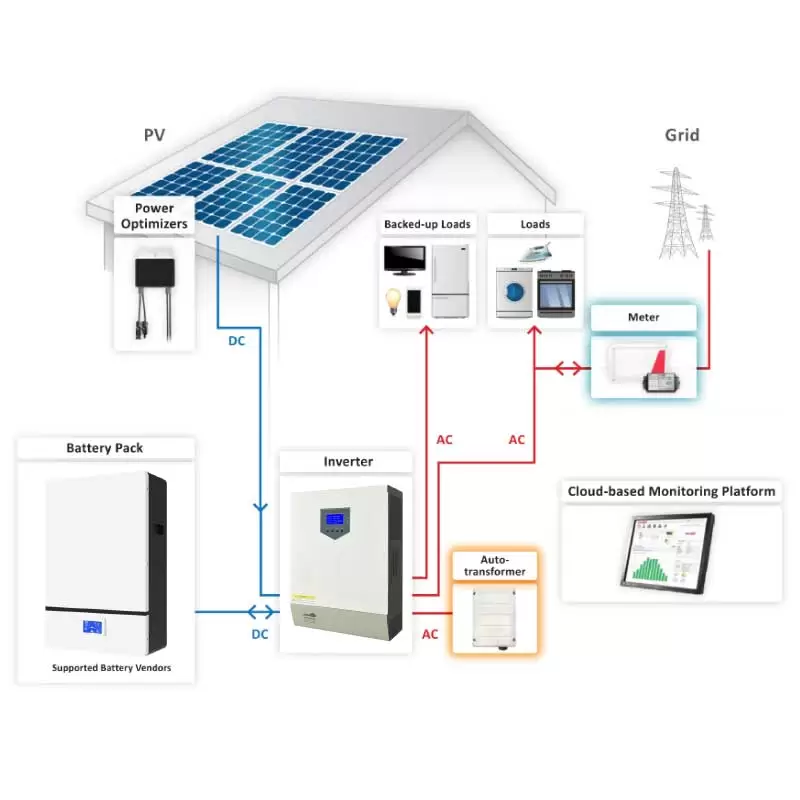
The hybrid inverter acts as the central brain, managing the energy flow from the PV, battery, and grid. When the grid voltage drops below an acceptable threshold, the inverter switches to off-grid mode in milliseconds, preventing interruptions. When solar generation resumes or the grid power stabilizes, the system returns to grid-connected mode, maintaining the battery at its optimal charge level. This flexible architecture makes hybrid solar systems ideal for households that need both energy independence and the ability to export excess solar power to the utility during regular operation.

Solar PV and Battery Storage to Cope with Grid Instability

Hybrid Solar Systems: Smart Inverter Management for Power Fluctuations

In an environment with unstable grids, the success of hybrid solar systems depends largely on advanced inverter management. Hybrid inverters provide real-time voltage and frequency monitoring, enabling them to detect even minor grid fluctuations and switch operating modes accordingly. They use algorithms to prioritize critical loads and ensure they still receive power during outages. The system can temporarily shut down non-critical circuits to conserve battery capacity.

In addition, many hybrid inverters offer configurable time-of-day optimization settings. During peak grid hours, the inverter can draw power from the battery instead of purchasing expensive electricity. It can be done during off-peak hours or when solar output is highest. This intelligent load shifting prevents power outages and reduces monthly electricity bills.

Choosing the Right Components for Homes with Unstable Power

Customizing a residential hybrid solar system requires careful component sizing based on the home’s power usage and outage patterns. First, determine daily power usage, peak demand, and critical and non-critical loads. Next, choose the typical length and frequency of power outages—whether daily brownouts or multi-hour blackouts—and select a battery bank that can cover those periods.

The sizing of the PV array should consider local solar radiation and rooftop restrictions to ensure that enough energy is generated to meet daily loads and charge the battery. We recommend that the array size be 1.5 to 2 times the daily power usage to account for battery charging and system losses. Finally, the manufacturer must rate the hybrid inverter for the home’s peak load—typically 5–10 kW for an average home—and ensure it is compatible with the battery’s voltage.

house-solar-system

Maximizing Energy Security with Grid-Tie and Standby Modes

One of the most compelling advantages of a hybrid solar system for homes with unstable grid power is its dual-mode operation. Under normal conditions, the system operates in grid-tie mode, feeding excess solar power back to the grid and drawing from the grid when solar output is insufficient. When a grid failure occurs, the system switches to standby mode, isolating the home from the grid and powering its circuits directly from the solar panels and batteries.

To maximize energy security, homeowners can pre-program critical circuits to remain operational during a power outage while suspending deferrable loads such as pool pumps or electric vehicle chargers. Some more advanced hybrid solar systems also support load alerts, which inform homeowners via smartphone apps of the length of standby and backup power and prompt manual load adjustments when needed. This intelligent orchestration mechanism ensures that even prolonged power outages are minimized and essential functions remain uninterrupted.

The Future of Energy in Unstable Grid Areas

With energy costs rising and grid reliability declining, hybrid solar systems are becoming necessary for modern homes. They provide uninterrupted power, lower electricity bills, and support sustainable energy use—all with minimal maintenance. This technology ensures comfort, safety, and long-term savings for homes prone to power outages. By combining solar generation, battery storage, and intelligent grid integration, hybrid solar systems represent an energy solution for areas with unstable power supplies.

Ultimately

In areas where grid reliability is critical, hybrid solar systems offer a cost-effective and resilient energy security option for homes with unstable grid power. By intelligently combining solar PV generation, battery storage, and grid interaction, these systems provide seamless backup during power outages, optimize energy costs during normal conditions, and reduce carbon footprint. Key features such as advanced hybrid inverters, precise module sizing, dual-mode operation, and comprehensive monitoring ensure homeowners enjoy reliable power 24/7.

How important are solar energy storage solutions to customers in the Middle East?

In the Middle East, demand for solar energy storage solutions continues to grow steadily, driven by environmental and economic factors. With abundant sunshine, solar energy has become an attractive alternative to meet the region’s energy needs. In energy-demanding areas such as the Middle East, especially during the hot summer months, solar energy storage solutions offer significant advantages, enabling energy independence, reducing reliance on traditional grid systems, and mitigating the impact of power outages. This article will explore why solar energy storage solutions are so important to customers in the Middle East and why users in the region are more inclined to adopt such technologies.

Economic Benefits of Solar Energy Storage Solutions for the Middle East

One of the main drivers for adopting solar energy storage solutions in the Middle East is the potential for significant cost savings. Due to the intense summer heat, the region consumes much energy, and air conditioning is a major component of electricity bills. The solar energy storage solution enables users in the Middle East to store electricity during the peak of solar power generation during the day so that it can be used at night when the grid demand is high.

For customers in the Middle East, investing in a solar energy storage solution can reduce reliance on the national grid, thereby gradually reducing the cost of electricity. In addition, governments in the region are providing incentives for installing solar systems and energy storage solutions, further enhancing their economic appeal. These incentives, combined with the falling cost of solar technology, have made solar an increasingly viable and attractive option for homes and businesses in the Middle East.

Economic Benefits of Solar Energy Storage Solutions for the Middle East

Reduce Grid Dependence with Solar Energy Storage Solutions

In many countries in the Middle East, people are highly dependent on the national grid. In some areas, the grid infrastructure can be unstable or overwhelmed during peak electricity demand. This can lead to power outages or voltage fluctuations that disrupt daily life and affect business operations. The solar energy storage solution can provide energy independence, allowing users in these areas to rely on their stored solar energy during grid outages or peak electricity demand.

For Middle Eastern customers, storing solar energy and reducing reliance on the grid, especially in areas where energy outages are more common, can provide peace of mind. At the same time, with growing energy demand due to population growth and industrial development, using solar energy storage solution can ensure a stable and uninterrupted power supply, making these solar energy systems a vital part of the energy infrastructure in these regions.

Reduce Grid Dependence with Solar Energy Storage Solutions

Importance for Residential Users in the Middle East

For residents in the Middle East, the importance of solar energy storage solution lies in their ability to provide a reliable and uninterrupted power supply. In many parts of the Middle East, grid instability and power outages can disrupt daily life. Solar storage solutions offer a way to store energy for later use, ensuring that homes can be powered even when the grid fails. As the region’s summer heat sets in, demand for cooling systems peaks, putting pressure on the grid. By incorporating solar energy storage solutions into their homes, residents in the Middle East can reduce their reliance on the grid during peak hours and more efficiently manage their energy use. The Solar energy storage solution can help homeowners lower their electricity bills, allowing them to rely on their solar power during peak energy demand.

Importance of Solar Energy Storage Solutions for Residential Users in the Middle East

Importance for Middle Eastern Businesses

The business sector in the Middle East is also benefiting from the solar energy storage solution. For businesses, solar energy storage systems effectively reduce operating costs and ensure energy security. Many companies rely heavily on electricity to operate, especially energy-intensive industries like manufacturing, retail, and hospitality. By integrating a solar energy storage solution, businesses can generate, store, and use their electricity during peak electricity demand, reducing their reliance on the grid and electricity costs. In addition to the economic benefits, businesses that adopt solar energy storage solutions also demonstrate their commitment to sustainability. With increasing pressure from governments and consumers for businesses to adopt environmentally friendly practices, renewable energy solutions such as solar can enhance a company’s reputation and attract environmentally conscious customers.

Appeal from Technological Advances

Advances in solar technology, especially solar energy storage solutions, have significantly improved efficiency, cost-effectiveness and accessibility. Over the past few years, the price of batteries and energy storage systems has dropped dramatically, making solar storage solutions more affordable for consumers in the Middle East. Modern solar systems are more efficient and store larger amounts of energy. They are equipped with innovative features such as remote monitoring and management, giving users more control over their energy use. In addition, many solar energy storage solution now come with hybrid systems that can integrate seamlessly with the local grid. This allows users to optimize their energy storage utilization, deliver excess power back to the grid and receive compensation. The development of more advanced, convenient and cost-effective solar storage solutions has made it easier for Middle Eastern customers to adopt this technology.

Importance to the Middle East’s Future

Solar energy storage solutions are undoubtedly vital to Middle Eastern customers. They provide many benefits, including energy independence, cost savings and sustainable development. For residential and commercial users, these solutions allow them to harness the sun’s energy, store excess energy, and reduce reliance on unreliable grid systems.

How much energy can solar on grid systems be expected to generate for a home?

When you consider installing solar on grid systems at home, you will want to assess how much electricity you can expect to generate. This question depends on factors such as location, rooftop orientation, panel efficiency, and system size. Therefore, you need to understand the multiple factors that affect energy production and how they combine to estimate the power generation of a home solar on grid system, from geographic location and solar irradiance to the quality of solar panels and installation details. In this guide, we will dive into these factors and guide you through estimating the power generation potential of a home on grid system.

The role of solar on grid systems installation location and solar irradiance

One of the most critical factors affecting the power generation of a solar on grid system is geographic location, especially solar irradiance. Solar irradiance refers to the amount of sunlight a specific area receives over a certain period. It is usually measured in kWh/m²/day. Regions with higher solar irradiance, such as those near the equator or areas with less cloud cover, will naturally produce more power from solar panels.

The southern United States, such as California, Arizona, and Texas, have higher solar irradiance than northern states or cloudy areas. Knowing the specific irradiance at your location helps determine how much electricity a solar grid-tied system can generate. On average, a 5-kW solar on grid system in areas with high solar irradiance can generate about 20 kWh daily. The same system in regions with lower irradiance can generate about 12 kWh per day.

installation location and solar irradiance(1)

Calculating Panel Efficiency and Output

Solar panel efficiency is also key in determining how much electricity a solar on grid system can generate. Solar panels convert sunlight into electricity through photovoltaic cells, and their efficiency determines how much sunlight is converted into usable energy. Most modern residential solar panels have 15% and 20% efficiency ratings. The higher the efficiency, the more electricity a system can generate from the same amount of sunlight.

Under the same conditions, an efficient 300-watt solar panel will generate more electricity than a 250-watt panel. The total power generation of a solar on grid system depends on the number of solar panels installed and the size of the system. A 5-kW solar on grid system typically requires about 10 to 15 solar panels. Under optimal conditions, the system can generate 12,000 to 20,000 kWh of electricity annually. However, the efficiency of the solar panels, along with other factors such as shading and mounting angle, also determine how much power a system can generate.

The impact of the orientation and angle of a solar grid-connected system on the roof

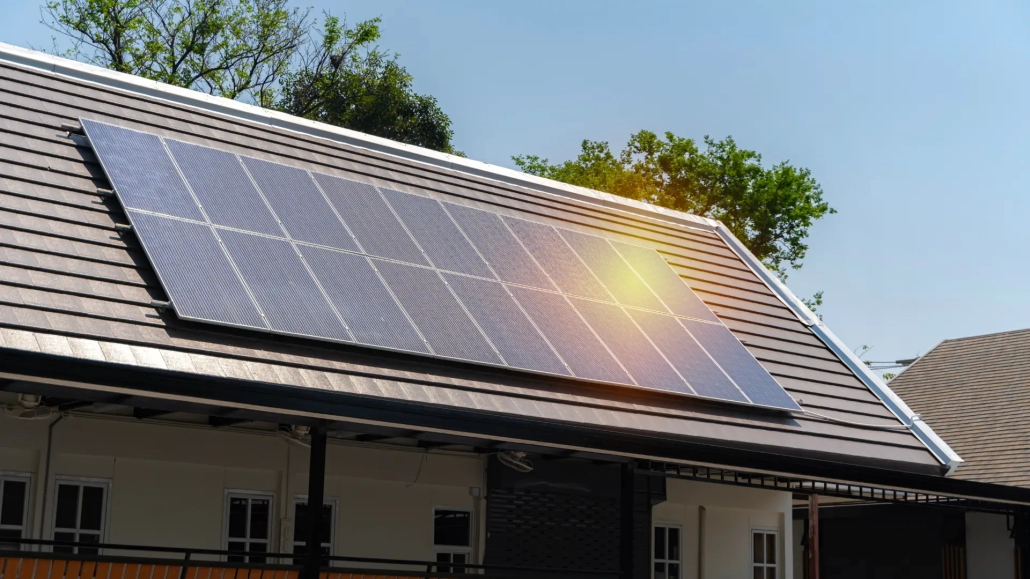
The orientation and angle of a solar on grid system can significantly impact the amount of power it can generate. Solar panels should face due south to capture the most direct sunlight throughout the day. The angle at which you mount the panels also affects the amount of sunlight they absorb. Panels tilted at the optimal angle for your location will absorb sunlight more efficiently, especially during peak solar radiation hours. If your roof faces west or east instead of south, you can still generate power, but efficiency will not peak. An optimized system should have a tilt angle consistent with your local latitude. Additionally, rooftop obstructions such as chimneys, vents, or trees can cast shadows on solar panels, reducing efficiency.

The impact of the orientation and angle of a solar grid-connected system on the roof(1)

Consider seasonal changes

Seasonal changes in the length of sunshine and weather conditions significantly impact the amount of power solar on grid systems can generate. In areas with distinct seasons, power generation will vary throughout the year. In the summer, solar panels generate more power when the sun is higher and daylight hours are longer. Conversely, in winter, the lower sun and shorter daylight hours generate less power. Snow cover can also affect panel performance in regions with cold winters, either by completely covering the panels or reflecting more sunlight onto them. A typical residential solar grid-tied system generates 25-30% more power in the summer than in the winter.

Storage and backup considerations for energy optimization

While solar on grid systems are designed to deliver excess power to the grid, some homeowners choose to add energy storage solutions, such as batteries, to store power for later use. This is especially useful at night or on cloudy days when solar generation is low. Storage systems can help ensure the home is powered even when the solar on grid systems are not actively generating power.

During periods of low solar generation, batteries allow you to draw power from stored energy, reducing your reliance on grid power and increasing energy independence. However, it is essential to consider the additional costs and complexities of battery storage systems. A typical solar grid-tied system with battery storage can increase energy self-sufficiency by up to 50%, ensuring that your home uses more of the power it generates rather than sending it back to the grid.

Maximizing Energy Production

The amount of electricity solar on grid systems can generate for a home depends on various factors, including location, system size, panel efficiency, rooftop orientation, and seasonal conditions. Understanding these factors is critical for homeowners looking to accurately estimate their solar energy potential. With the proper setup, a solar on grid system can meet your home’s energy needs, lower your carbon footprint, and deliver long-term savings.

How to plan a on grid solar system for a split-level home?

A comprehensive home energy consumption assessment is performed when planning an on grid solar system for a split-level home. Split-level homes often have dispersed floor space, multiple thermostat zones, and varying electrical loads. Next, a room-by-room review is conducted. Each floor’s area and usage patterns are determined: main living areas, bedrooms, and basement. Plans such as electric vehicle charging, home office expansion, or heat pump installation are also considered. These will affect the size of your home’s on grid solar system. The Energy Modeling Tool’s System Advisor model also simulates how the array will offset your energy consumption under local solar irradiation conditions. With an accurate analysis of daily and seasonal loads, you can specify a solar array capacity that reliably meets the needs of your split-level home.

On grid solar system: site analysis for multi-story roofs

Roof slopes may face different directions on different floors, affecting solar panels’ orientation and shading. First, the technician performs a detailed roof assessment by measuring the surface area of each roof plane, recording the slope angle, and identifying obstructions such as dormer windows, chimneys, or overhanging trees. Also, pay attention to shading on upper and lower roofs in the early morning and evening.

After collecting site data, the installer divides the rooftop into multiple zones. South-facing rooftops typically have the highest output, while east- and west-facing rooftops can supplement morning or afternoon loads. We consider installing distributed arrays on multiple roof levels for split-level homes to maximize energy capture efficiency and aesthetics. To ensure the structural integrity of each roof zone, the rafters and decking are verified to support the weight of the solar panels and mounting system.

split-level home

On grid solar system panel layout design for split-level roof orientation

Optimizing solar panel location is key to maximizing system performance for split-level homes. In an on grid solar system tailored for multi-plane roofs, the installer must balance panel efficiency, aesthetics, and string configuration. First, consider south-facing solar panels because they reach peak power generation between 10 a.m. and 2 p.m. Then, add east—and west-facing arrays to smooth the daily output curve and capture low-angle sunlight during the morning and evening peaks.

Designers keep the string length consistent for each MPPT input on the inverter when designing a residential solar panel array. Avoid mixing solar panels from different roof planes in the exact string, as shading from one panel can reduce the output of the entire string. Installers can use separate MPPT channels or microinverters/power optimizers to minimize mismatch losses. Finally, consider future expandability: leave space on the south-facing roof for additional panels, ensuring your On grid solar system for residential use can scale if your energy needs grow.

Grid-tied solar system panel layout design for split-level roof orientation

Inverter Sizing and System Component Balance

For a split-level home using 25-50 kWh per day, a single-phase inverter rated between 8 kW and 12 kW is usually sufficient. However, if you’re generating more than 10 kW or your split-level design requires multiple panel orientations, you’ll want to consider a multi-MPPT or three-phase inverter to efficiently handle the different string inputs. Inverter efficiency ratings above 97% minimize conversion losses, ensuring your residential on grid solar system captures as much solar energy as possible.

In addition to installing the inverter, engineers typically integrate combiner boxes with built-in DC fuses to simplify string management. Furthermore, they select conduit solutions that comply with rapid shutdown standards to ensure the system meets NEC 2017/2020 safety regulations. Properly sized AC and DC circuit breakers protect the inverter and grid connection, and low-iron aluminum mounting systems are corrosion-resistant and durable, which is critical for segmented rooftop installations. By carefully sizing the inverter and BoS components, you can ensure that your residential split-level solar installation is safe, reliable, and compliant.

Power Integration and Utility Interconnection

For split-level homes, installers set the main service disconnect switch near the solar inverter and distribution board during installation to simplify interconnection. The utility company installs bidirectional or smart meters as needed to enable the Net Energy Metering (NEM) function, which compensates for excess production. In states without NEM, installers configure the inverter’s output limit according to local regulations to prevent grid line overloading.

IEEE 1547 and UL 1741 SA standards cover anti-islanding protection, voltage and frequency ride-through, and power factor control. We submit detailed single-line diagrams and equipment specification sheets to the utility for permit-to-operate (PTO) approval at installation, reducing interconnection delays and ensuring your split-level residential solar installation stays on schedule.

Performance Monitoring and Maintenance Strategy

Maximizing the life and efficiency of your on grid solar systems requires a proactive monitoring and maintenance plan. A real-time monitoring platform can track panel string voltage, inverter status, and generation trends.

Rooftop installations can be challenging for split-level homes. Choosing a module-level microinverter or optimizer allows remote diagnostics of individual solar panels, reducing the need for rooftop inspections. We recommend a semi-annual visual inspection for debris accumulation, roof fastener integrity, and new tree growth. Clean the panels with a soft brush and deionized water to maintain optimal performance, especially in dusty or pollen-prone areas.

Building a Split-Level House for Future-Proof Sustainability

Designing an on grid solar system for a split-level house requires a comprehensive approach: accurate energy analysis, detailed site assessment, optimized panel layout, precise inverters, and more combine to create a system that not only meets your current energy needs but also accommodates future growth.

How to choose the right off grid solar kit for your energy-hungry home?

High-energy homes (generally those with electric heating, air conditioning, major appliances, and numerous electronic devices) often use more than 30 kWh daily. When choosing an off-grid solar kit, first compile 12 months of your electric bills to determine average and peak monthly electricity use. Next, do an appliance inventory: record the power ratings of your HVAC system, water heater, refrigerator, lighting, and entertainment equipment. Also consider seasonal variations, such as heating and cooling loads, that can double your electricity use during peak summer and winter.

Once you have a complete energy picture, calculate your daily kilowatt-hour (kWh) needs. Conservatively, a home using 45 kWh of electricity per day would require a system capacity of approximately 55 kWh per day, assuming an average of 4 hours of peak sunlight per day. This initial calculation recommends an 18Kw off grid solar kit, which combines ample battery storage with an efficient inverter to meet high daily demand while ensuring continuous, reliable power delivery.

Off grid solar kit for high-energy homes

For homes with high energy demands, the 18kW off grid solar kit is a balanced solution that combines powerful power generation with ample energy storage. At the heart of its configuration is the SPF 18000T DVM-MPV inverter, which is designed to handle peak loads up to 18kW while providing seamless off-grid functionality. The solar inverter’s dual-mode design supports AC coupling for grid-connected flexibility and DC coupling for pure off-grid flexibility.

In addition, 36 550W monocrystalline solar panels are included, which can generate a total of 19.8kW of DC power under standard test conditions. The panel layout considers derating factors in actual applications, such as temperature coefficient, pollution, and inverter efficiency, ensuring that the system always reaches the 18kW output target during peak sunshine hours. They can match the MPPT input voltage range of the solar inverter, allowing for flexible array design and simplified wiring.

off grid solar kit 3-2

The core component of the off grid solar kit: SPF 18000T DVM-MPV inverter

As the core component of the off grid solar kit, the SPF 18000T DVM-MPV inverter has an 18 kW continuous rated output power and up to 30 kW surge capacity to accommodate high-drain loads without compromising stability. Its MPV function seamlessly switches between solar, battery, and backup generator inputs to ensure uninterrupted power even during extended cloudy days.

The SPF 18000T model also integrates an advanced battery charging algorithm that supports lead-acid and lithium batteries and features programmable bulk, absorption, and float charge stages to maximize battery life. Its user-friendly touchscreen interface and remote monitoring capabilities allow homeowners and technicians to monitor system performance in real-time and adjust settings based on changes in usage patterns or seasonal conditions.

SPF 18000T DVM-MPV inverter 4-2

Power Generation with 36×550W Monocrystalline Solar Panels

The 18 kW off grid solar kit deploys 36 panels rated at 550 watts, with a total array capacity of up to 19.8 kW. Monocrystalline panels are the industry standard for high efficiency and space-constrained installations, converting up to 22% of sunlight into electricity under optimal conditions. Their uniform black appearance also appeals to homeowners seeking a low-profile and aesthetically pleasing rooftop solution.

When you install solar panels in a section that avoids trees or chimneys, bifacial solar panels can increase power generation by capturing reflected light from the roof surface. Still, you need to choose the installation height and reflective ground material. In addition, you should choose solar panels with a stable temperature coefficient (usually about -0.35%/°C) to reduce performance losses on hot summer days.

Monocrystalline-solar-panels

Use 2×48V 19.2 kWh lithium batteries to store energy.

Off grid solar kits must be equipped with a powerful energy storage system to cope with the power demand during the non-sunny period. High-demand homes require ample battery capacity, and the 2×48 V 19.2 kWh lithium battery configuration has a total energy storage capacity of up to 38.4 kWh, enabling your system to power essential loads at night or in bad weather, thereby meeting the daily electricity needs of energy-intensive homes.

LiFePO₄ batteries have a deep cycle life, typically exceeding 4,000 cycles at 80% depth of discharge, extremely low maintenance costs, and superior safety compared to lead-acid batteries. At the same time, the 48 V system voltage is perfectly matched to the DC-DC stage of the SPF 18000T inverter, thereby reducing conversion losses. Their integrated robust BMS further protects the battery from overcharge, over-discharge, and extreme temperatures, ensuring the long-term reliability of your off-grid solar kit deployment.

Integrate balance of system components for optimal performance.

In addition to solar panels, inverters, and batteries, a complete off-grid solar kit also requires BoS components to ensure safe, efficient, and compliant operation. These key BoS components include:

  • Solar charge controller: While the SPF 18000T has integrated charge control, larger arrays may benefit from a dedicated MPPT charge controller specifically for the battery array.
  • AC and DC circuit breakers: Convenient for maintenance and emergency shutdown.
  • Combination boxes and fuses: Proper overcurrent protection and string-combining devices protect wires and panels from faults.
  • Monitoring hardware: Data loggers and communication modules enable real-time system diagnostics via smartphone or web portal.

Ultimately, you can create a safe and efficient solar off-grid system by combining these off-grid solar kit components with well-designed best practices.

Improving off grid solar systems for high-energy-consuming homes

When choosing the right off grid solar kit for high-energy-consuming homes, we take into account accurately assessing energy needs, designing around the 18kW off-grid solar kit framework, using SPF 18000T DVM-MPV inverters, 36 550W monocrystalline silicon panels, and 2 48V 19.2kWh lithium batteries, and integrating comprehensive BoS components. This configuration provides reliable power generation, sufficient energy storage, and seamless operation in weather conditions.