How to ensure that solar flood light maintain performance on rainy days?

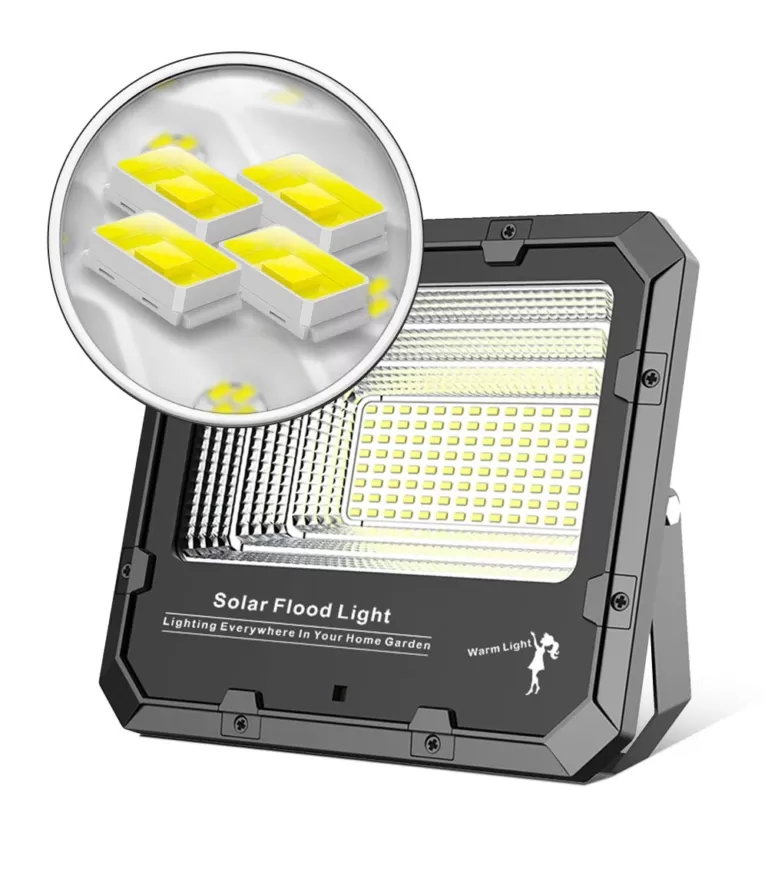
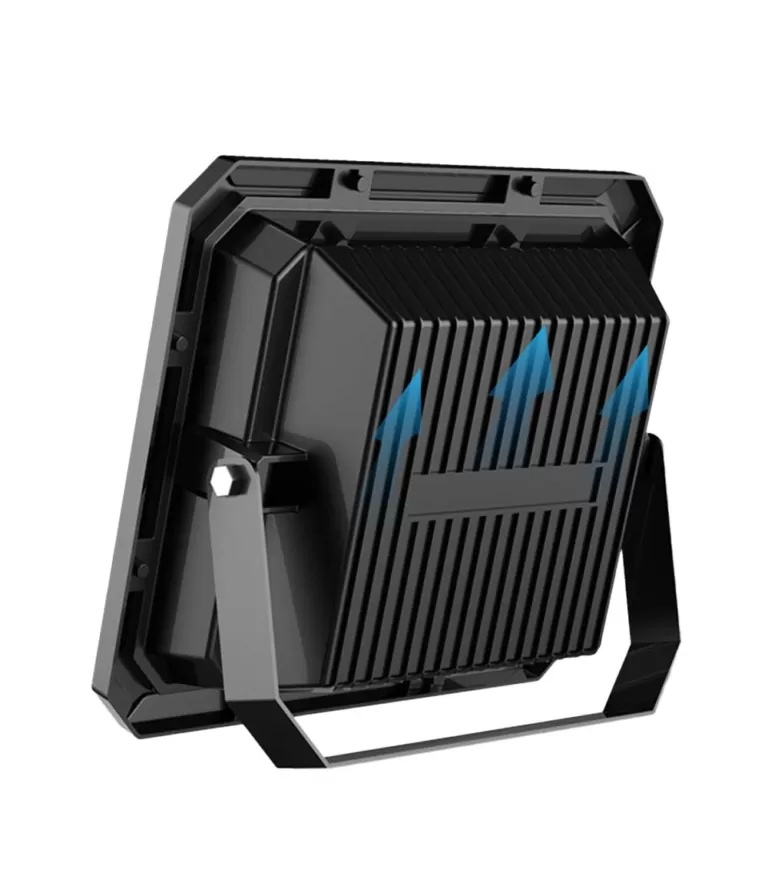
To ensure the solar flood light can be used normally on rainy days and maintain reliable performance, we have added an integrated, thickened aluminum alloy shell. Unlike thin metal shells that are easily deformed or rusted, this reinforced alloy can maintain its integrity in heavy rain or humid environments. In addition, the protective coating covering all external surfaces creates an additional barrier to effectively resist water droplets, salt spray and air pollutants, ensuring that your LED solar flood light can continue to work reliably in the harshest environments. This combination of thickened aluminum and special weatherproof coating can effectively prevent water from penetrating through fine cracks or paint damage. Therefore, solar flood lights can not only withstand long periods of rainy weather but also operate outdoors for an extended period.

The solar flood light has an IP65 waterproof rating, providing comprehensive protection

Power Dream designed its solar flood light to achieve an IP65 protection rating, fully sealing it to make it dustproof and capable of withstanding water from any direction. Meanwhile, silicone gaskets around all cable joints and access panels in the supplied mounting accessories provide a waterproof seal to prevent moisture infiltration during prolonged rainstorms and remain operational even when tested with high-pressure hoses for maintenance cleaning. IP65 significantly reduces the likelihood of short circuits, circuit board corrosion, or aging of optical components, which are standard failure modes in solar floodlights with lower levels of water intrusion protection. As a result, you can enjoy uninterrupted lighting performance regardless of seasonal rainfall.
Earth-light-details

High-efficiency monocrystalline panels for solar flood light

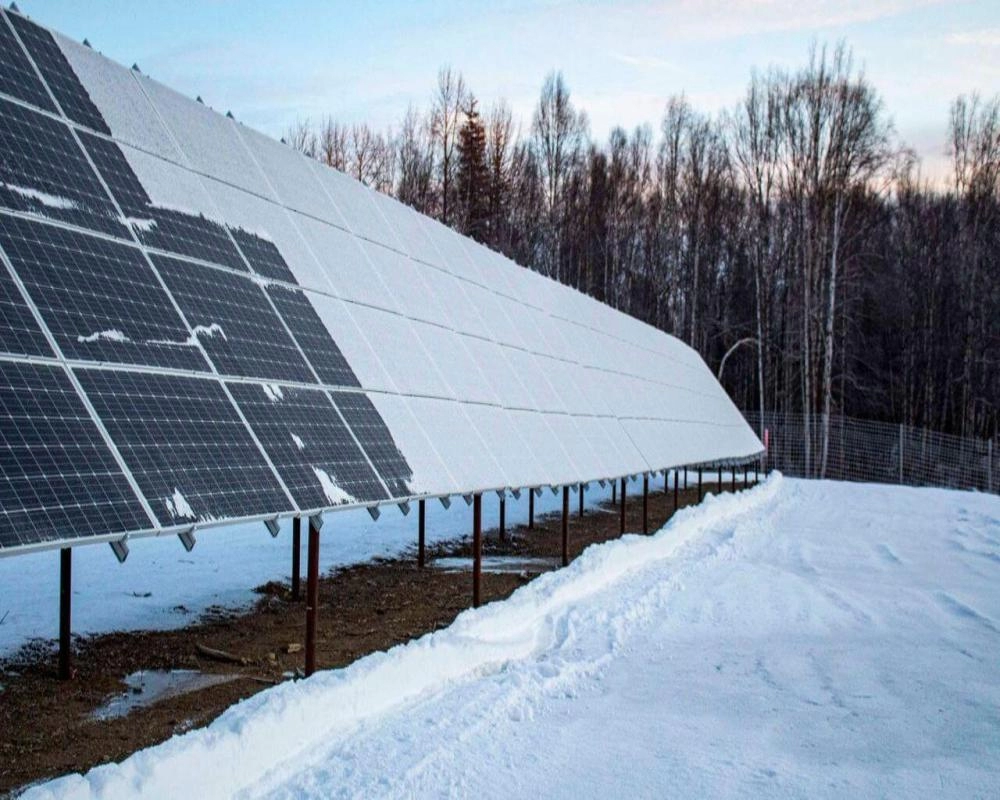
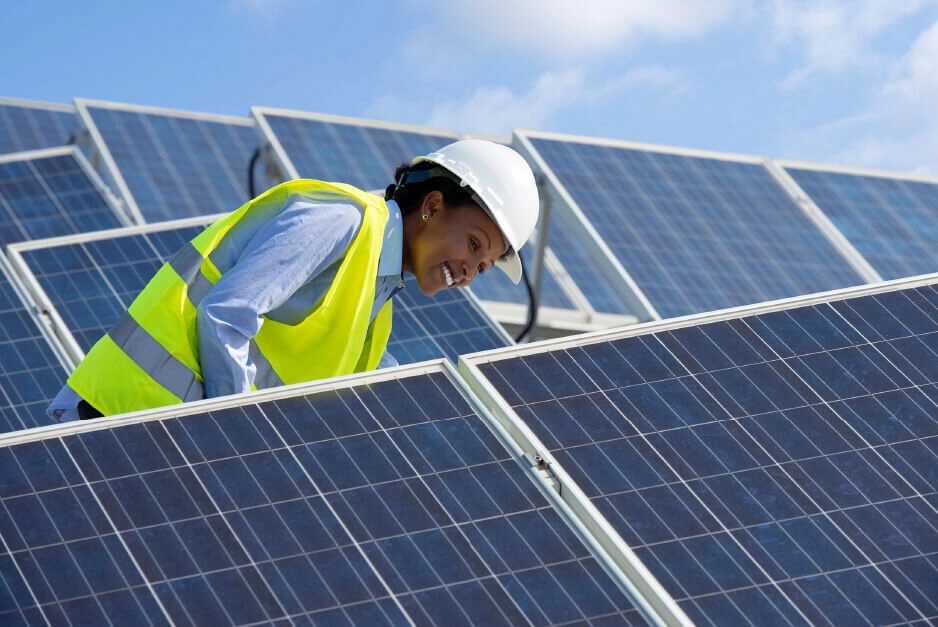
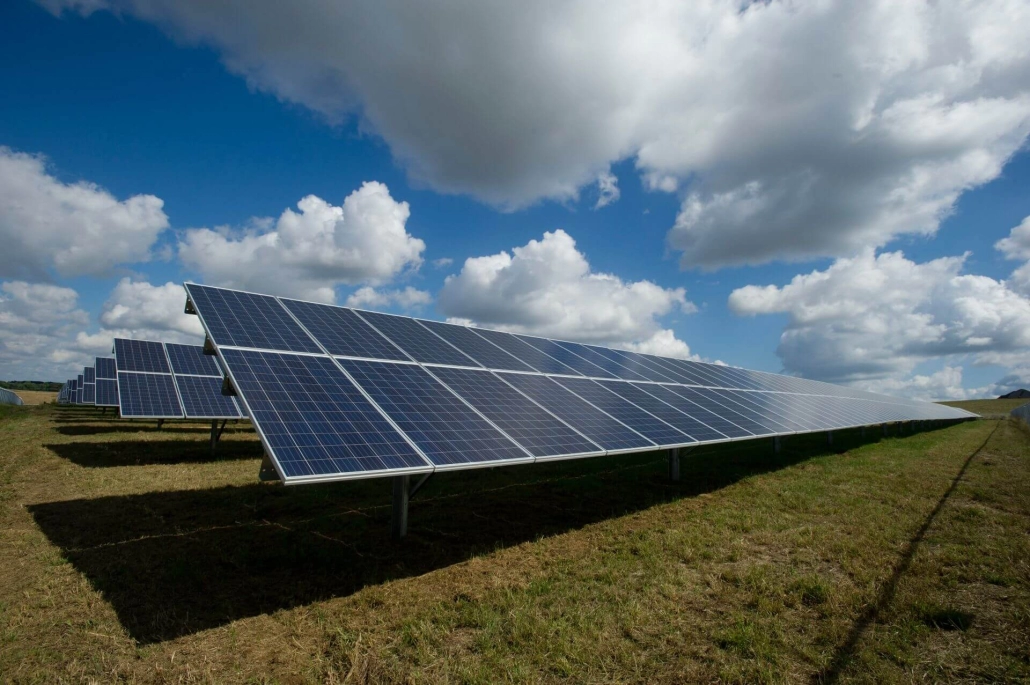
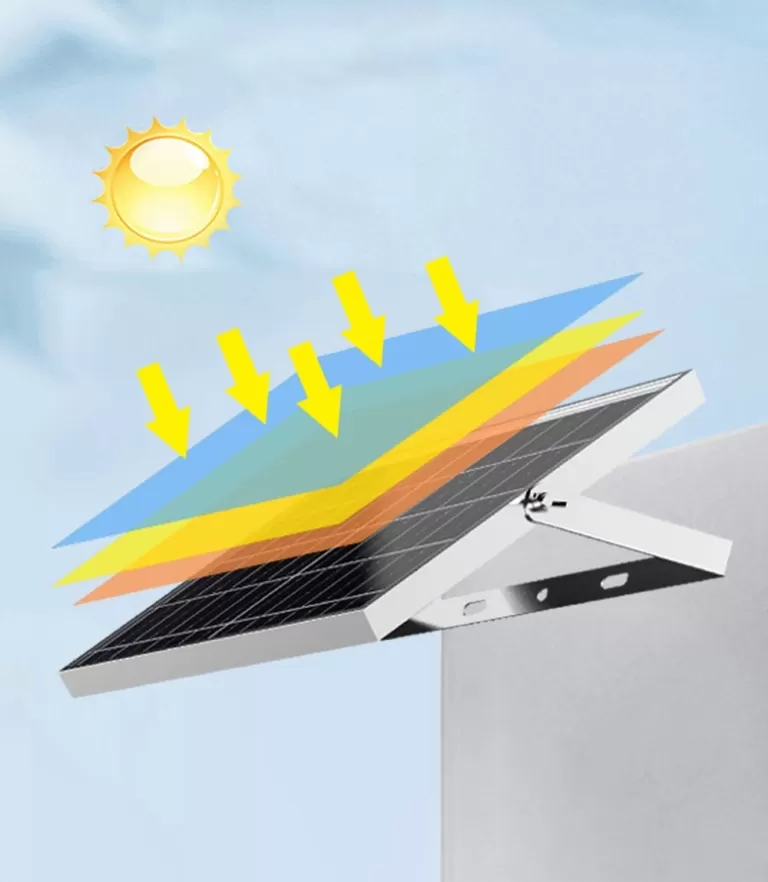
To ensure reliability in rainy conditions, we utilize high-efficiency monocrystalline solar panels, which enable the capture of sunlight even on cloudy and rainy days. With a conversion rate of over 22%, these premium solar panels can extract more energy from direct and diffuse light and can stably charge the battery even under low irradiance conditions. Their multi-cell structure minimizes resistance and enhances performance in shaded conditions. Furthermore, we equip these monocrystalline panels with a tempered glass surface and coat them with an anti-reflective and hydrophobic layer. These anti-reflective layers ensure maximum light absorption at all times. So, whether the sun shines or light rain falls, your solar flood light can fully charge and operate reliably in rainy weather when it receives just 4–6 hours of accumulated sunlight.
High-efficiency monocrystalline panels for solar flood light

Intelligent charge controller with MPPT technology

In rainy weather, efficient energy conversion requires not only high-quality solar panels but also intelligent power management. We integrate an MPPT charge controller into each solar flood light, which continuously adjusts the operating voltage of the solar panel to obtain the highest possible current under varying light levels. Additionally, the MPPT controller safeguards the battery against overcharge, over-discharge, and reverse current. These common problems will shorten the battery life in humid environments. By dynamically adapting to changing weather and load conditions, the LED solar flood light ensures efficient operation and conserves stored energy.

Deep cycle lithium iron phosphate battery, durable even on rainy days

Designers select lithium iron phosphate batteries because these batteries offer excellent cycle life, low self-discharge rate, and inherent thermal stability. Unlike flooded lead-acid or gel batteries, LiFePO₄ chemistry resists capacity loss in high humidity and temperature, ensuring your luminaire retains more than 80% of its original capacity after thousands of cycles. To further protect the battery compartment, an IP65-rated waterproof seal and gasket enclosure prevent external rain or condensation from seeping into the battery compartment. This ensures that the LED solar flood light remains powered and bright, even during rainy days, providing continuous lighting when you need it most.

Adaptive lighting modes and motion sensors

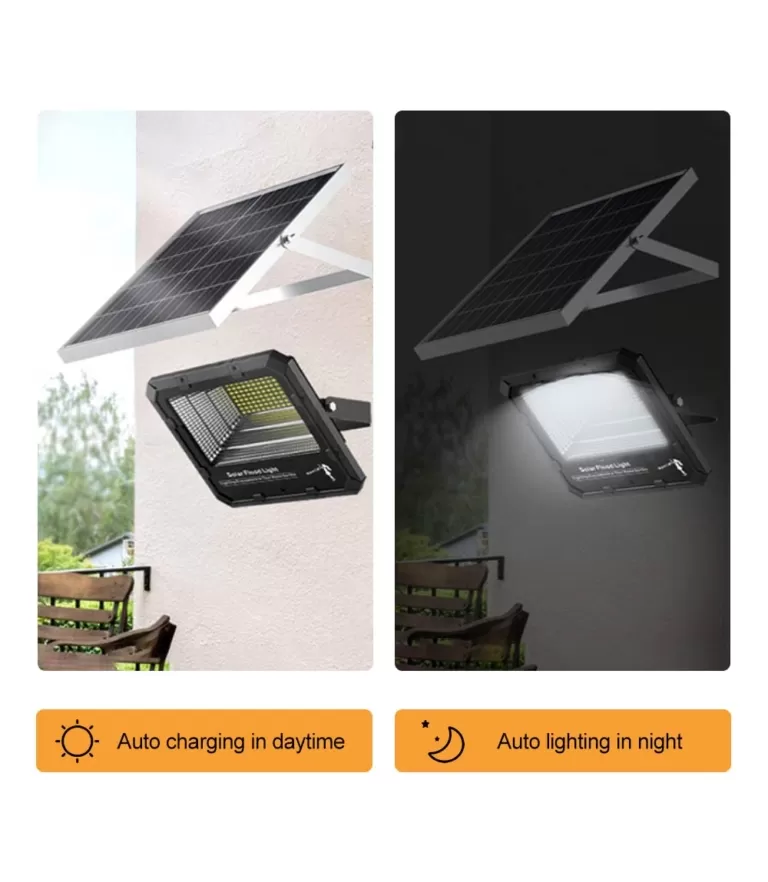
The solar flood light features adaptive lighting modes that balance visibility with energy savings. For example, in a constant “dusk to dawn” mode, the luminaire maintains 30% brightness and increases to 100% only when it detects motion. Alternatively, a custom schedule allows for operation at 50% output at dusk, thereby reducing power consumption during long, cloudy days. Motion-sensing lighting not only enhances security by startling intruders but also ensures that solar floodlights conserve battery power during periods of inactivity. The system can also intelligently manage output based on environmental cues and motion to maximize runtime on rainy days, ensuring it maintains lighting during extended periods of cloudy weather.

Reliable performance even on rainy days

By integrating rugged aluminum alloy housing with a protective coating, an IP65 waterproof rating, high-efficiency monocrystalline silicon solar panels, and durable lithium-iron-phosphate batteries, solar floodlights can maintain reliable performance even on rainy days. With our planning and professional engineering design, you can illuminate your outdoor space when you need it most.
How to choose a on grid solar system for high humidity areas?

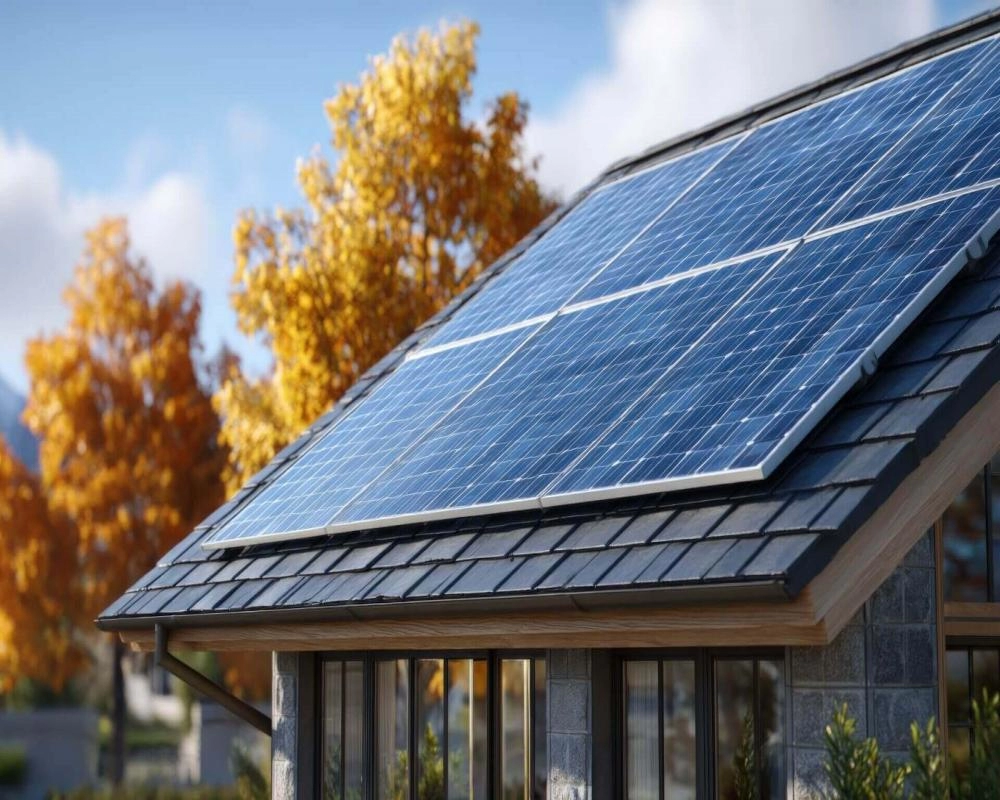
We begin by assessing site-specific humidity levels, rainfall patterns, and environments with high salt content. Next, our engineering team integrates specialized components into the design of each solar on grid system. By combining rigorous environmental analysis and targeted component selection, we ensure that your on grid solar system will deliver reliable and efficient performance year after year, even in conditions of 90% relative humidity and frequent rainstorms.

In addition, we go beyond hardware and conduct site audits, identify microclimates, monitor ambient humidity with on-site sensors, and recommend tailored maintenance plans. For example, coastal facilities near saltwater areas require additional anti-salt spray coatings and sacrificial anodes on metal structures. Inland tropical regions, by contrast, face severe fungal growth, which can affect the output of components. Therefore, hydrophobic glass coatings and automatic irrigation systems are included in on grid solar system solutions to minimize contamination.

Weather-resistant PV modules in on grid solar system

The on grid solar system modules we select have all passed extended damp heat testing and meet IEC 61215 and IEC 61730 standards, demonstrating excellent resistance to wet heat stratification and corrosion. Additionally, hydrophobic anti-reflective glass coatings are utilized in on grid solar systems to repel water, inhibit algae growth, and facilitate self-cleaning during heavy rainfall. For coastal areas, we offer assemblies with marine-grade anodized frames and stainless steel mounting hardware to resist salt spray and rust.

In addition, we also provide redundant battery interconnection schemes, such as half-cut batteries with five to nine busbars, to ensure that microcracks or moisture intrusion will not significantly reduce the output power. These advanced battery architectures can distribute current more evenly, thereby improving reliability under thermal cycling and high humidity conditions.

Weather-resistant PV modules in on grid solar system(1)

IP-rated inverters and electronics

To protect power conversion equipment from moisture and improve the stability of on grid solar systems, we use string and central inverters with IP65 or higher protection levels to seal sensitive electronic components and prevent water jets, dust and insects. In addition, we specify PCBs with conformal coatings within the inverter chassis to prevent short circuits caused by condensation. For larger installations, hybrid inverters integrate surge protection on both the DC and AC sides. We equip them with industrial-grade metal oxide varistors (MOVs) and gas discharge tubes (GDTs) and test these components for high humidity stress. We also install stainless steel ventilation shutters on the inverter cabinets to prevent water from entering directly when dissipating heat. In addition, these cabinets are installed on elevated tilted bases to avoid water accumulation during heavy rain or flooding.

solar energy inverter(1)

Balance of System Components in an On-Grid Solar System

In addition to the modules and inverters, the balance of system (BOS) components in on grid solar systems are also selected. These include UV-resistant, double-insulated solar cables with cross-linked polyethylene (XLPE) outer sheaths, which resist water absorption and microbial attack. We equip these cables with IP68-rated MC4 EVO2 connectors, which utilize EPDM sealing gaskets to maintain a waterproof interface even under continuous submersion. For junction boxes and combiner boxes, we specify polycarbonate or glass-reinforced nylon enclosures that exceed UL 94 V-0 flame retardancy ratings and are less likely to yellow or become brittle in humid environments. Engineers make all fasteners from 316 stainless steel or Grade A zinc-nickel alloy to suit chloride-rich environments. Where applicable, they apply dielectric grease inside the connector body to prevent further moisture intrusion.

Engineered Mounting Structures for Humid Climates

When designing on grid solar systems for humid locations, we consider environments with high humidity and high salt air. Our team simulates wind and rain, salt deposition rates, and temperature gradients to design the appropriate mounting system. For pitched roof installations, we use aluminum rails with thick anodized or fluoropolymer powder coatings to resist blistering and corrosion for decades. For flat commercial roofs, we utilize ballasted systems featuring stainless steel ballast trays and EPDM interface pads to prevent membrane damage and moisture retention. When doing large ground-mounted arrays, we use pile or screw-anchor foundations that provide ten years of protection from soil moisture. Additionally, designers employ a drip edge and tilted rail design to divert water away from the back of the module, thereby reducing moisture retention.

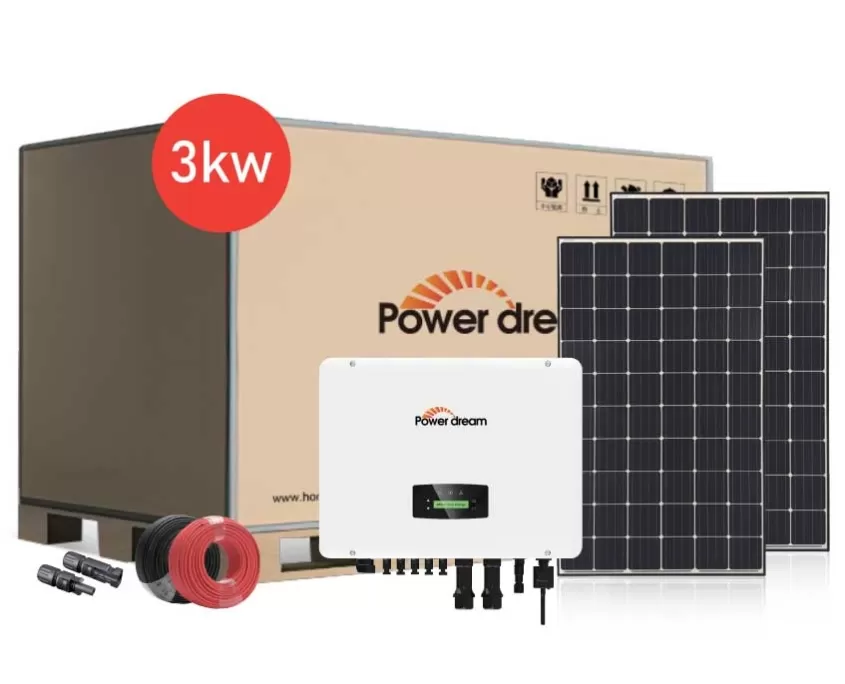
3KW On Grid Solar System 1

Proactive maintenance and real-time monitoring

In humid environments, we recommend conducting a semi-annual on-site inspection, which includes visual inspection, ultrasonic bolt torque inspection, and infrared thermal imaging inspection, to detect hot spots in connectors and busbars. At the same time, you can use a low-wear deionized water sprayer to remove mold or pollen without damaging the hydrophobic coating. Remote monitoring allows BARANA’s support engineers to analyze environmental sensor data to fine-tune system parameters. This intelligent integration of maintenance best practices and real-time diagnostics ensures that grid-connected solar systems continue to operate at optimal efficiency and safety, even in the wettest locations.

Bringing grid-connected system solutions to high-humidity areas

When deploying durable, high-performance on grid solar systems in high-humidity areas, we utilize panels that have undergone extensive testing and feature moisture-proof coatings, IP-rated inverters, and anodized aluminum rails, drip edges, and other engineered components. And carry out proactive maintenance and real-time monitoring to confidently use solar on grid systems in humid climates.

What can commercial storage system bring to commercial industrial applications?

The commercial storage system can seamlessly integrate smart energy storage with existing power infrastructure. These systems enable companies to utilize and store excess energy, deploying it efficiently when needed. Therefore, commercial energy storage systems not only enhance operational resilience but also significantly reduce energy costs. Commercial industrial applications often have to deal with energy fluctuations, peak demand electricity charges, and potential grid instability. In this case, commercial energy storage systems can capture surplus energy during low-demand periods or peak solar radiation and then release this stored energy during high-demand periods or peak electricity rates. Therefore, it can help companies reduce their dependence on the grid, increase self-use rates, and optimize overall energy utilization.

Intelligent Energy Storage and Optimization of Commercial Storage System

The intelligent energy storage capabilities of commercial storage systems enable companies to capture and utilize energy in a way that significantly optimizes its deployment. By leveraging predictive analytics and historical usage data, these systems can determine the best time to charge or discharge the battery, ensuring maximum efficiency and cost-effectiveness. In this way, commercial energy storage systems transform intermittent renewable energy sources, such as solar photovoltaics, into reliable, dispatchable resources to support peak energy demand and reduce the impact of fluctuating electricity prices.

When solar panels generate more electricity than the facility consumes, the system transfers the excess power to commercial storage system for later use. This time-of-day shifting capability enables companies to minimise their grid input during peak demand hours, when electricity prices are highest. In addition to cost optimization, innovative storage solutions enhance operational continuity and stability. For industrial processes that require stable power, commercial storage systems can provide seamless backup power during grid failures.

Intelligence designed for maximum savings

The commercial storage system can enhance grid stability and reliability

In addition to energy optimization, commercial storage systems can enhance grid stability and improve reliability for commercial and industrial applications. As utilities face increasing pressure from the integration of renewable energy, extreme weather events, and changing load patterns, companies can utilize their energy storage assets to support grid resilience proactively.

Peak shaving is one of the main ways commercial energy storage systems enhance grid stability. During peak electricity demand hours, industrial users can tap into battery reserves instead of importing expensive peak grid power. By smoothing the load curve, energy storage systems can help utilities maintain voltage stability and reduce the risk of local brownouts or blackouts.

Another key capability is load balancing, where commercial storage systems continuously monitor energy consumption patterns and automatically discharge during instantaneous load peaks to ensure that the grid’s power consumption remains within contracted limits. This practice minimizes transmission losses, reduces power infrastructure losses, and improves the overall system efficiency.

Seamless installation and integration

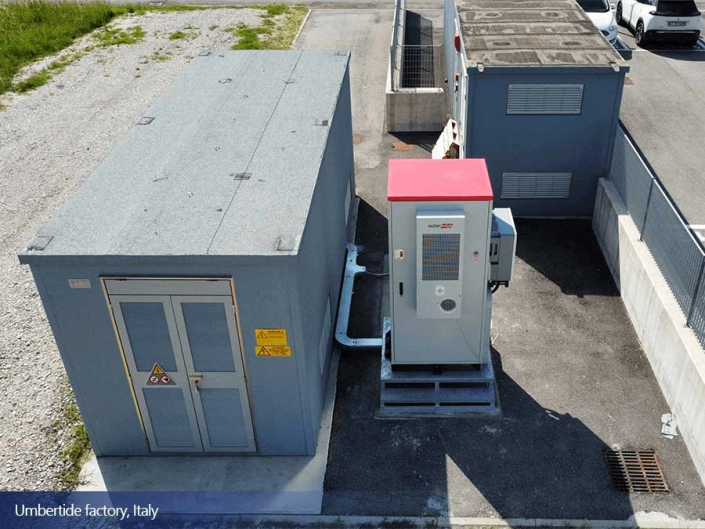
First, a significant advantage of the commercial storage system is its flexibility, both for indoor and outdoor use. PowerDream’s energy storage cabinets are NEMA or IP-rated and designed to withstand environmental stresses, including extreme temperatures, humidity, dust, and precipitation. For indoor installations, the same pre-assembled units can be loaded into standard electrical rooms, requiring minimal space.

Second, commercial storage system come with pre-configured wiring harnesses and fluid connections, which significantly reduces installation time. Typically, the commissioning of a stand-alone energy storage cabinet can be completed in a few hours, as installers only need to bolt the rack, connect AC/DC cables, and perform a final safety check.

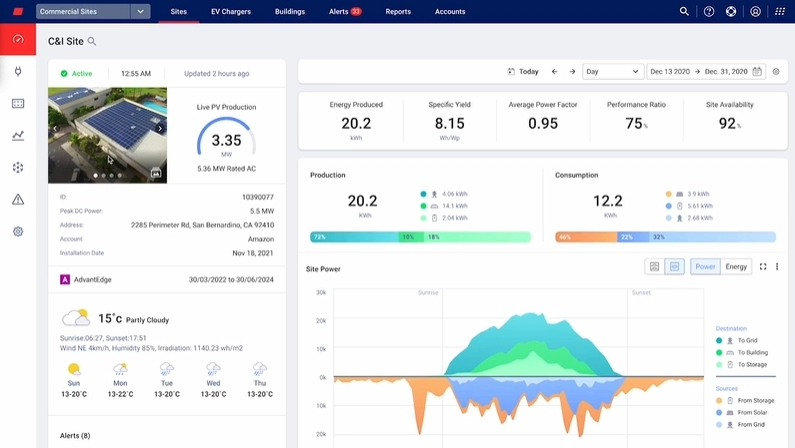
In addition, seamless integration with the SolarEdge photovoltaic ecosystem further simplifies deployment. If the facility already has a PV array based on SolarEdge inverters, integrating a PowerDream commercial storage system will be simple. With SolarEdge’s remote setup assistant, installed inverters, energy storage units, and smart meters can be automatically detected, and optimal operating parameters can then be configured through a unified dashboard for greener energy.

Seamless setup and integration

Bringing higher safety and active monitoring

PowerDream’s commercial storage system integrates multi-sensor safety features designed to detect flooding, overheating, and other potential hazards, ensuring the safety of personnel and equipment. Combined with the advanced active monitoring capabilities provided by SolarEdge ONE for commercial and industrial (C&I) software, these systems enable real-time monitoring to facilitate proactive maintenance and minimize downtime. With high-precision thermal sensors distributed on each battery module and power electronic component, when the sensor detects that the temperature exceeds the safety threshold, the system will automatically initiate an active cooling program, starting the built-in fan or opening the shutters to dissipate heat.

Additionally, liquid detection sensors are integrated at the bottom of the cabinet and near the cable entry to detect any signs of flooding, such as coolant leaks or water intrusion from environmental sources. At the same time, with SolarEdge ONE for C&I software, users can view real-time indicators, including charge status (SoC), charge and discharge rates, historical cycle data, and event logs, through a web-based dashboard or mobile application, allowing them to detect problems promptly and minimize downtime.

Bringing higher energy independence and resilience

By intelligently storing excess solar power generation, optimizing energy utilization, and enhancing grid stability, these systems can help companies significantly reduce operating costs, improve resilience, and achieve sustainable development. Combined with the active monitoring capabilities of SolarEdge ONE for C&I software, it provides industrial and commercial users with real-time insights and predictive maintenance capabilities, helping companies achieve higher energy independence and resilience.

Why Panel Efficiency Matters in an Off Grid Solar Power System?

In an off grid solar power system, panel efficiency determines overall performance and reliability. Whether you are using solar power for a remote off-grid cabin or installing energy storage for a residential solar system on a rural homestead, the efficiency of the PV panels will directly affect the amount of electricity you can get from limited sunlight. High-efficiency solar panels can convert a greater proportion of incident sunlight into usable electricity, thereby minimizing the floor space required for a given power output. This is particularly important in off-grid solar power systems, where space, budget and maintenance are often significant constraints when installing or purchasing.

High-efficiency solar panels can reduce the installation space required.

One of the primary reasons why panel efficiency plays a crucial role in off grid solar power systems is that users typically have limited installation area. Most off-grid users usually lack spacious rooftop or ground installation space. High-efficiency panels can have a conversion rate of more than 20%, allowing system designers to install fewer modules while achieving the same power generation as larger, less efficient arrays. For example, a 5 kW demand might require 20 250 W panels with 16% efficiency but only 17 295 W panels with 20% efficiency. This space-saving advantage not only reduces construction and installation costs but also often simplifies the permitting and zoning approval process. By optimizing module selection for maximum wattage per square foot, off-grid homeowners can ensure their off-grid solar power system fits on a moderate-sized cabin roof or small ground-mounted array without sacrificing power generation.

High-efficiency solar panels can reduce installation space

Boosting off grid solar power system performance in suboptimal conditions

Off-grid facilities often encounter less-than-ideal lighting conditions, such as partial shade from surrounding trees, low-angle sunlight in the early morning and late evening, and seasonal climate fluctuations. High-efficiency solar panels often use advanced cell technologies, such as passivated emitter rear cells, bifacial designs, or heterojunction contacts, which perform better in low-light or diffuse irradiation environments. For an off grid cabin nestled in the forest, these panels can generate 10-15% more power than traditional modules on cloudy days or in winter. Additionally, some high-efficiency modules feature half-cut cells or multi-busbar configurations, which reduce resistive losses and improve performance in partially shaded conditions. When every kilowatt-hour counts, the higher energy yield of high-efficiency panels ensures that off-grid solar power systems remain efficient year-round, reducing reliance on backup generators and extending limited sunshine hours into usable power.

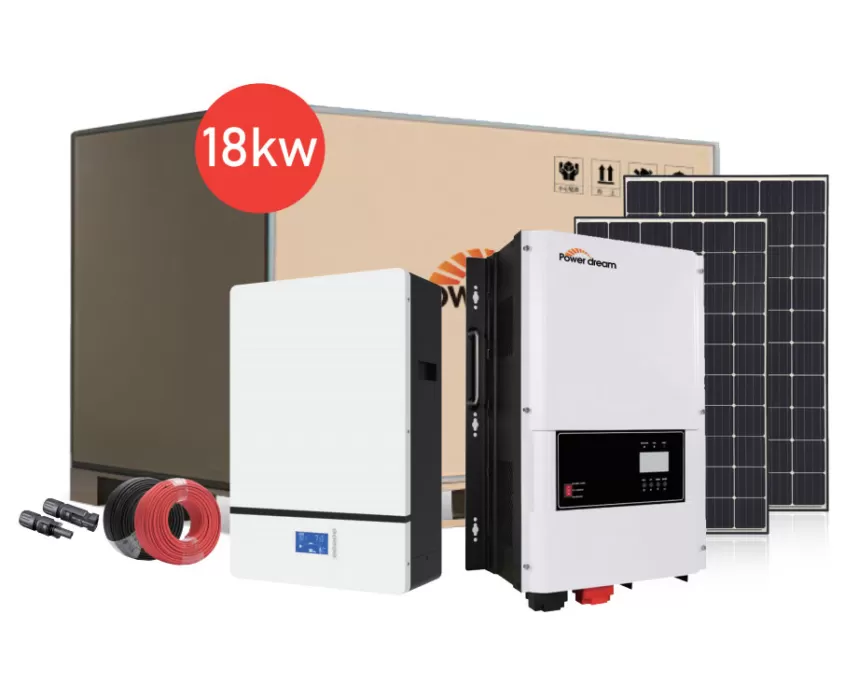
18Kw Off Grid Solar Kits

Reduced battery and energy storage size

High-efficiency solar panels benefit not only power generation but also storage requirements. In off grid solar power systems, the battery bank is sized to accommodate expected energy shortages, typically during nighttime or extended periods of low solar generation. By maximizing daily energy collection with high-efficiency modules, homeowners can reduce the size of the battery bank without compromising autonomy. For example, assume a home consumes 10 kWh per day and relies on 5 kWh of stored energy. A 300 W panel system with 20% efficiency might produce 4 kWh per day and require a 12 kWh battery bank to ensure three days of autonomy.

If a 350 W high-efficiency panel with 22% efficiency is used, the daily power generation can increase to 4.7 kWh, so a 10 kWh battery bank can meet the same load. When the battery capacity is reduced, it also means lower upfront costs, less maintenance and longer battery life, which are also key factors in energy storage for residential solar systems.

For the long-term value of off grid solar power systems

High-efficiency panels are generally more expensive than standard modules. When evaluating the life cycle economics of off grid solar power systems, the initial investment typically pays off over time. First, reducing the number of panels and the smaller mounting structure can lower system balance costs, including rack hardware, wiring, and labor. Second, fewer modules simplify installation and maintenance, reducing ongoing operating expenses. Third, increased energy production can speed up the payback period, especially when supplementing electricity with propane generators or alternative fuels. By producing more kilowatt-hours of electricity per watt of installed capacity, high-efficiency panels can give you better value per dollar. Finally, many high-quality modules come with multi-year performance warranties, enabling off-grid solar power systems to continue meeting energy needs reliably.

For the long-term value of off grid solar power systems

Integration with Intelligent Inverters and Controllers

Off grid solar power systems can be further optimized by pairing high-efficiency panels with advanced inverters and charge controllers. Modern MPPT charge controllers can dynamically adjust their operating voltage to extract maximum power from high-efficiency modules, especially in conditions of poor irradiance or partial shading. For energy storage in residential solar systems, these controllers ensure that the battery receives the highest possible charge, minimizing generator run time and preventing deep discharge. Additionally, innovative inverter technology leverages the higher panel voltage and optimized current input provided by high-efficiency panels. This system-level synergy maximizes energy throughput, reduces losses, and maintains a stable DC bus voltage, resulting in a balanced off grid solar power system that delivers peak performance even under varying load profiles.

Bringing reliable off grid power generation systems

In off grid solar power generation systems, panel efficiency is a key driver of overall system success, affecting space requirements, energy output, battery size, economic feasibility, reliability, and integration with other power electronics. High-efficiency battery modules—despite their typically higher initial cost—offer significant long-term benefits, including reduced land or roof footprint, improved low-light performance, minimized battery pack size, and long-term operational resilience of off grid solar power generation systems.

How can off-grid home solar systems support off-grid living in Switzerland?

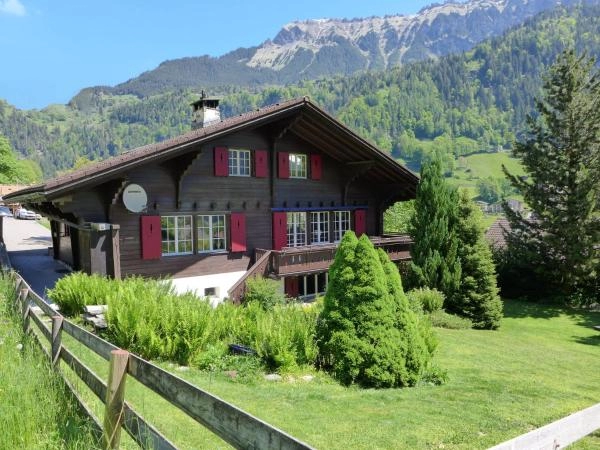
Switzerland’s mountainous terrain and dispersed Alpine communities make it difficult to have a reliable electricity supply. As a result, off-grid home solar systems offer a sustainable solution for their chalets in areas where laying public lines is costly and environmentally damaging. By leveraging high-efficiency photovoltaic panels, lithium-ion battery packs, and intelligent energy management, off-grid solar installations can provide reliable power for lighting, heating, circulation pumps, refrigeration systems, and even small workshops. Among the clients we have worked with, we designed and commissioned a 35 kW off-grid home solar system for a chalet in the Interlaken Alps, demonstrating how these systems can provide year-round autonomy.

Conducting Site Assessments and Precise Energy Analysis

Before installing an off-grid home solar system, we conduct a comprehensive site assessment and energy configuration tailored to the unique conditions of the Interlaken Alps. Engineers perform solar irradiance measurements, evaluate the best panel orientation on south-facing slopes, and simulate seasonal shading from surrounding peaks. They develop detailed load profiles that account for variations such as winter heating peaks. The 35 kW off-grid home solar system chosen, which consists of 120 monocrystalline silicon panels, generates an average of 120 kWh of electricity per day in the summer, tapering to 40 kWh during the shortest days of winter. Coupled with a 200 kWh lithium battery bank, this configuration ensures that the basic system can continue to operate even during multiple days of cloudy weather.

Interlaken Alps Off-Grid Cabin

Off-grid home solar system Powerful battery storage and dynamic energy management

At the heart of the off-grid home solar system is the energy storage and management architecture. They utilize modular lithium-iron-phosphate batteries, rated for 4,000 cycles. They are housed in a climate-controlled cabinet, while the inverter and charger coordinate the flow of power. First, they deliver solar energy to the home loads, then charge the batteries, and finally start the propane generator only when the charge is below 20% after a prolonged period of low light. Advanced features such as demand-based load shedding and time-of-use scheduling optimize appliance operation during peak solar hours. Real-time monitoring through a secure web portal and mobile app provides in-depth insights into generation, consumption, and storage status. These features maximize self-use electricity, extend battery life, and maintain seamless operation, which are the hallmarks of a high-performance, off-grid home solar system.

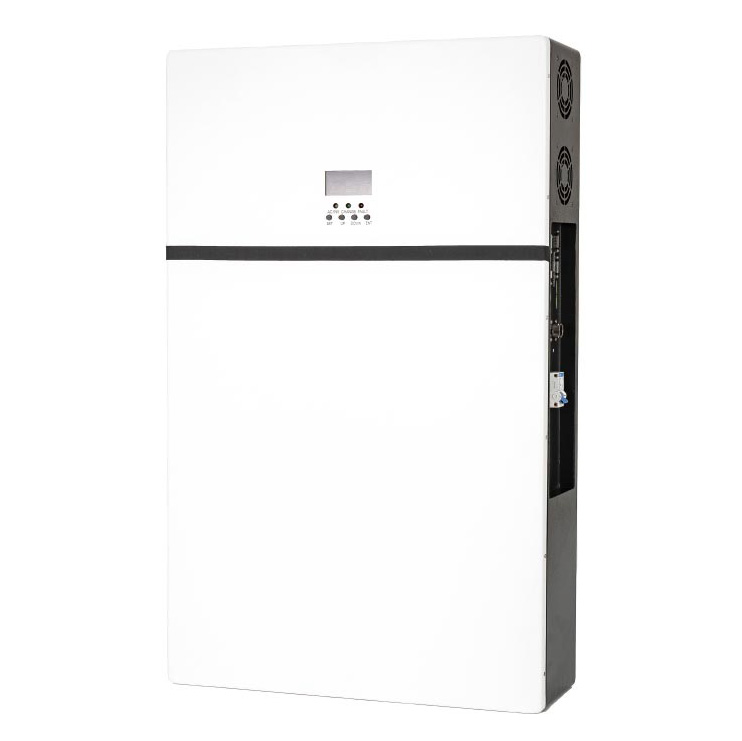
100Ah Solar Battery Storage: Instant Savings, Grab Now.

100Ah Solar Battery Storage: Instant Savings, Grab Now.

Component Selection and Durability in Cold Climates

Operating in the Swiss Alpine environment, off-grid home solar systems must be able to withstand extreme cold, heavy snow, and strong winds. For users in the region, we use panels with enhanced low-light performance and anti-snow coating and install them on 35° tilt brackets to naturally shed snow. At the same time, inverters with integrated heaters and batteries with built-in thermal management maintain optimal performance even in temperatures as low as -20°C. Additionally, all cables and connectors in the off-grid solar system kit comply with UV and sub-zero temperature standards, and the mounting hardware meets the 5 kPa snow load standard specified in IEC 62548. The electrical component housing is IP66-rated to prevent moisture intrusion. This ensures that the off-grid home solar system remains reliable and efficient, regardless of the extreme weather in the Alps, and provides uninterrupted power when it is most needed.

Component Selection and Durability for Off-Grid Solar Systems in Cold Climates(1)

Off-grid home solar systems seamlessly integrate with auxiliary power.

Auxiliary generators provide critical backup power during extended periods of low sunlight. BARANA’s 35 kW Swiss unit integrates the generator via the inverter’s automatic transfer switch, enabling seamless switchover when battery reserves fall below a predetermined threshold. Programmable load-shedding logic prioritizes critical circuits while deferring non-critical loads to periods of excess solar or generator power. Automatic startup and shutdown sequences minimize manual intervention, resulting in a reduction of more than 30% in generator run time. By coordinating renewable and conventional power sources, off-grid home solar systems combine environmental sustainability with practical reliability, ensuring these remote cabins stay warm, lit, and connected even on the darkest winter days.

Proactive maintenance, monitoring, and support

Maintaining the optimal performance of an off-grid home solar system requires proactive maintenance and ongoing monitoring. This includes quarterly remote system diagnostics, semi-annual panel integrity and mounting hardware checks, and annual battery health assessments. KPIs are recorded using a cloud-based monitoring platform, including daily solar power generation, battery cycle count, and generator run time. In addition, predictive analytics can detect battery capacity decline or inverter inefficiency before it becomes critical, triggering preventive maintenance. By performing firmware updates and component replacements, you can minimize downtime. With a strong support ecosystem, you can ensure that off-grid home solar systems remain resilient and fully operational, even in the most remote alpine areas.

Providing off-grid solutions that combine comfort and independence

The 35 kW off-grid home solar system installed at the Interlaken Alps hut enables off-grid living in the Alps. For any region, we will provide solar system solutions that combine comfort and independence through careful site assessment and deployment of high-capacity battery energy storage systems equipped with intelligent energy management.

Solar Flood light vs. Traditional LED Flood light: Which One Wins?

As outdoor lighting becomes more critical for security, sports, and landscaping, homeowners, businesses, and municipalities weigh upfront costs, energy efficiency, installation complexity, and long-term operating costs before selecting the ideal solar flood light solution. Solar floodlights integrate monocrystalline solar panels, intelligent PWM charge controllers, and long-life lithium batteries to power high-brightness LED lamp beads, which have a luminous efficiency up to 30% higher than standard lamps. In contrast, traditional LED flood lights rely on grid power, static output settings, and often cumbersome external wiring.

Energy and Luminous Efficiency of Solar Flood light

At the heart of solar flood lights lies a self-sufficient energy system in which monocrystalline silicon solar panels convert sunlight into electricity with a conversion efficiency of more than 20% and charge the built-in lithium battery through an intelligent PWM charge controller to maximize battery life. The system stores electricity and then powers high-brightness LED lamp beads, which designers carefully optimize to achieve the best lumen-per-watt performance. As a result, solar floodlights can be up to 30% brighter than conventional LED flood lights of the same wattage without drawing power from the grid. Traditional flood of LED lights, while efficient, still consume municipal electricity, resulting in higher monthly electricity bills and increased carbon emissions. Additionally, without solar integration, conventional fixtures cannot operate off-grid or during power outages, limiting their utility.

Energy and Luminous Efficiency of Solar Flood light

Installation Complexity and Upfront Costs

Installation considerations can greatly influence a user’s decision when choosing between solar flood lights and traditional LED flood lights. Traditional LED fixtures typically require conduit, junction boxes, and connections to the main electrical panel, which means paying an electrician, trenching or overhead wiring, and possible building code inspections. In contrast, users set up solar flood lights by simply mounting the solar panel in a sunny location and installing the light head where light is needed, making the system essentially plug-and-play. They don’t need to trench, wire, or connect to the grid. While the upfront cost of high-capacity monocrystalline panels, lithium batteries, and smart controllers in a solar installation may be higher than a basic LED flood light, the total installation cost is usually on par with or better than solar due to the elimination of labor and materials required for grid interconnection.

Adaptability, control, and smart features of solar flood lights

One of the great advantages of solar flood lights is their dynamic control capabilities. Among them, the PWM charge controller enables the luminaire to automatically adjust the LED output based on ambient light and battery charge status, ensuring continuous lighting on cloudy days while avoiding unnecessary battery loss. We integrate photocells and programmable timers in solar flood lights into fixtures to fine-tune performance, dimming the lights when traffic is light or increasing brightness when motion is detected. Traditional LED flood lights, unless paired with an external controller, usually run at a fixed brightness from dusk to dawn, wasting power and increasing electricity bills. The smart energy management features of solar floodlights not only extend battery life but also provide customizable lighting configurations to suit the safety or aesthetic requirements of specific sites.

Smart Control

Reliability and Maintenance Requirements

Reliability and ease of maintenance are critical for both solar and traditional LED flood lights. High-quality solar flood light systems feature IP65 or higher-rated enclosures, corrosion-resistant aluminum housings, and tempered glass to protect components from rain, dust, and vandalism. We rate the lithium batteries for over 2,000 charge and discharge cycles, ensuring a lifespan of several years with minimal capacity loss. PWM controllers manage the charge and discharge rates, preventing overcharging or deep discharge, thereby reducing the risk of battery failure. Routine maintenance typically includes annual cleaning of the solar panels and regular checks of battery health. In contrast, traditional LED flood lights rely on stable grid power but may require regular replacement of bulbs and ballasts, inspection of wiring, and necessary weatherproofing of junction boxes. Given the lifespan of the components and very low maintenance costs, solar floodlights generally have higher overall reliability, especially in off-grid applications.

Environmental Impact and Sustainability

An often overlooked but critical point of comparison between solar and traditional LED flood lights is the environmental footprint. Manufacturers can produce solar flood lights using increasingly recyclable materials, such as aluminum housings and recyclable lithium batteries. These lights operate with zero carbon emissions and rely on renewable solar energy. Over a 10-year lifecycle, a single solar light can offset more than two metric tons of CO2 emissions compared to grid-powered alternatives. Traditional LED flood lights, while more energy-efficient than incandescent or metal halide lamps, still draw power from a fossil fuel-based grid, which contributes to greenhouse gas emissions. Meanwhile, the ecological cost of trenching or laying wires for users in remote areas can be very high. But by adopting solar floodlights, you can demonstrate your commitment to sustainable development.

Solar floodlights have better long-term value.

When solar flood lights are compared to traditional LED flood lights, solar flood lights win in many ways: energy efficiency, autonomous operation, simplified installation, dynamic control features, and a significantly lower environmental footprint make solar flood lights a long-term value, especially in off-grid, remote areas, or projects focused on sustainability.

What are the on grid solar system features that homeowners value most?

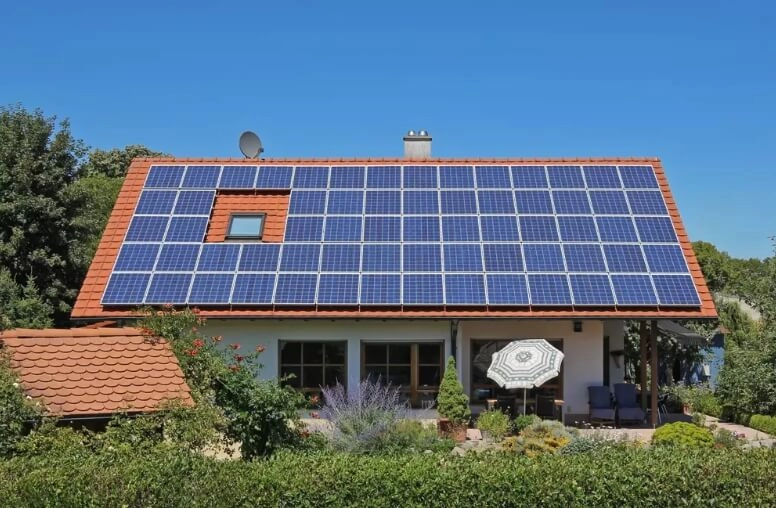
When considering a residential on grid solar system, homeowners weigh various factors beyond having solar panels on their roofs. An efficient on grid solar system for residential use must deliver tangible benefits, including reliable energy supply, return on investment, seamless integration with existing electric infrastructure, and minimal maintenance. It also needs to fit the homeowner’s lifestyle preferences, among other things. Here are a few of the most important residential grid-tied solar system features that make the best solar systems stand out and deliver peace of mind, affordability, and environmental stewardship.

Net Metering and Electricity Bill Reduction for on grid solar system

The most compelling reason for homeowners to invest in a on grid solar system is to reduce their electricity bills significantly. Net metering arrangements allow excess electricity generated during peak hours of sunlight to flow back to the utility grid for credits at or near retail prices. When solar panels are not generating enough electricity, homeowners can draw power from the grid and offset it against accumulated credits. An effective on grid solar system for residential use can maximize this benefit by optimizing the orientation and tilt of solar panels, sizing the system to fit household consumption patterns, and integrating innovative metering technology to track real-time energy flows.

By precisely balancing power generation and consumption, homeowners can reduce net energy costs by 50% to 90%, shortening the payback period to five to seven years in most regions, such as South America. For many, net metering cuts monthly bills and protects against future electricity price increases.

Net Metering and Electricity Bill Reduction for on grid solar system

Intelligent Inverters and Performance Monitoring for on grid solar system

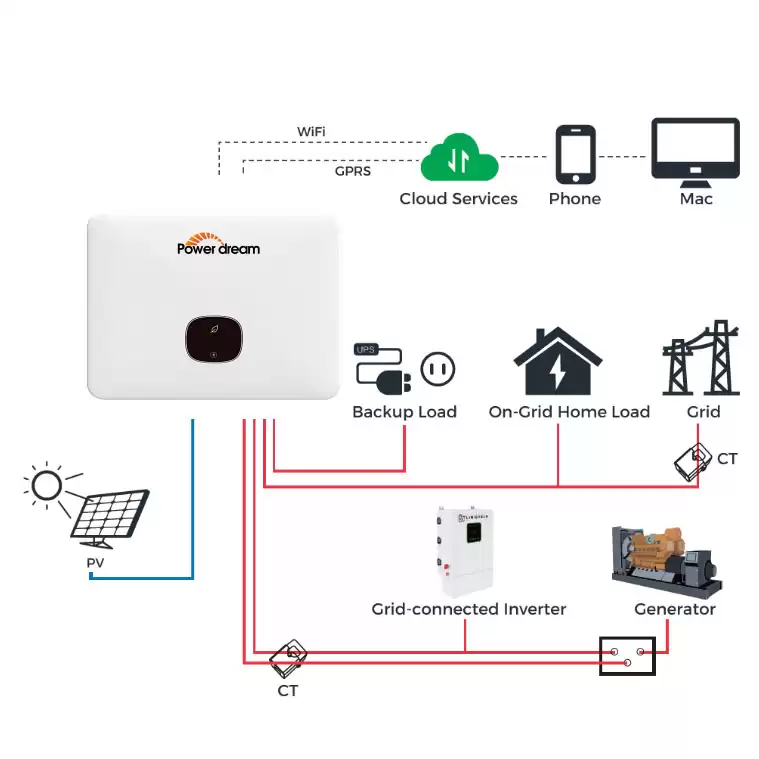
A on grid solar system is incomplete without an intelligent inverter and a powerful performance monitoring platform. Intelligent inverters convert the DC power from solar panels to grid-compatible AC power while providing grid support functions such as reactive power compensation, frequency regulation, and islanding protection. Homeowners value these advanced features because they maintain grid stability and help qualify for utility rebate programs. In addition, integrated monitoring dashboards can provide real-time data on system output, panel-level performance, and historical energy savings. Fault detection alerts, predictive maintenance notifications, and performance benchmarking against expected benefits enable homeowners to promptly troubleshoot shading issues, panel contamination, or inverter anomalies. Homeowners can ensure peak operating efficiency and maximize energy collection by choosing a on grid solar system for residential use with a intelligent inverter and comprehensive monitoring capabilities.

20kw-solar-system-2

Durability and Low Maintenance Requirements

Long life and minimal maintenance are critical for homeowners who choose an on grid solar system. Quality solar panels can come with a multi-year performance warranty that guarantees at least 80% of rated power output. Components such as inverters, racks, and wiring must withstand extreme temperatures, high wind loads, and occasional hail. BARANA equips its residential on grid solar systems with corrosion-resistant aluminum frames, wire management systems with UV-resistant sheathing, and modular microinverters that simplify maintenance by isolating problems at the panel level. Routine maintenance typically includes semi-annual visual inspections and occasional panel cleanings, which homeowners can manage or include in a low-cost service contract. On grid solar system for residential uses minimize downtime and maintenance expenses by prioritizing durable materials, strong warranties, and panel-level monitoring, ensuring stable performance and reliable energy production for decades.

Simplified Installation and Grid Integration

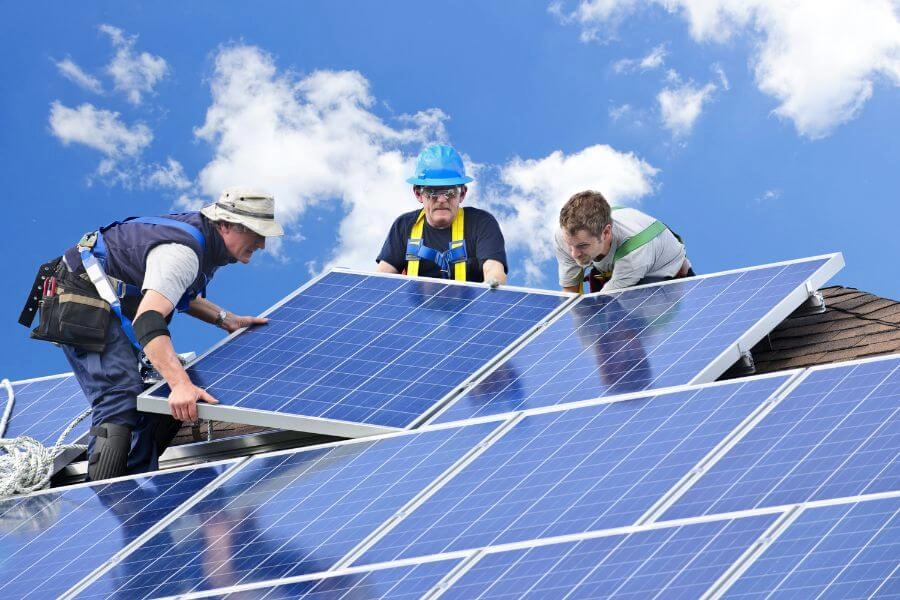
Homeowners value a seamless installation process and the confidence that their on grid solar system will integrate smoothly with local utility infrastructure. Our professional installers conduct a comprehensive site assessment, including a roof structure assessment, shading analysis via a solar pathfinder, and an interconnection feasibility study to design a system that complies with each rooftop and community regulations. Once permits are obtained, our team completes electrical upgrades, panel installation, inverter setup, and meter installation for 5-7 kW residential systems in a minimal amount of time. Local authorities then conduct a final inspection and sign a utility interconnection agreement to ensure the system is safely connected to the grid.

Simplified Installation and Grid Integration

Scalability, Future Expansion, and Environmental Impact

The flexibility to expand capacity is a significant feature homeowners appreciate about on grid solar systems. You can start with a core 5 kW on grid solar system and integrate future additions such as solar carports, ground mounts, or battery storage by pre-designing the switchboard, conduit routing, and inverter capacity. This scalability supports changing home energy needs, including EV charging or home automation systems. In addition, homeowners are increasingly looking to the environmental credentials of solar installations: dual-axis tracking options, bifacial panels that capture reflected light and integration with RECs enhance sustainability. Meanwhile, on-grid solar systems for residential uses that support modular expansion and meet green building certifications enable homeowners to continually reduce their carbon footprint and contribute to broader climate goals.

Homeowner-centric features

Features that homeowners of on grid solar systems value include net metering, smart inverters with real-time monitoring, durability and low maintenance, streamlined installation, and grid compatibility. These features can reduce energy bills, increase property value, and reduce carbon footprint.

How can sustainable solar energy solutions address energy security?

Sustainable solar energy solutions can diversify the energy mix and reduce reliance on centralized fossil fuel generation. By integrating distributed PV arrays on rooftops, carports, and community solar farms, regions worldwide can mitigate large-scale power outages caused by grid failures, extreme weather, or fuel supply disruptions. And some advanced sustainable solar energy solutions can also use smart inverters, dynamic voltage reactive power control, and real-time monitoring to provide grid support functions such as voltage regulation, reactive power compensation, and frequency stabilization. At the same time, the decentralized architecture in sustainable solar solutions relieves the pressure on aging transmission infrastructure and suppresses peak demand pressure by smoothing power supply fluctuations.

Achieving energy independence in remote areas through sustainable solar energy solutions

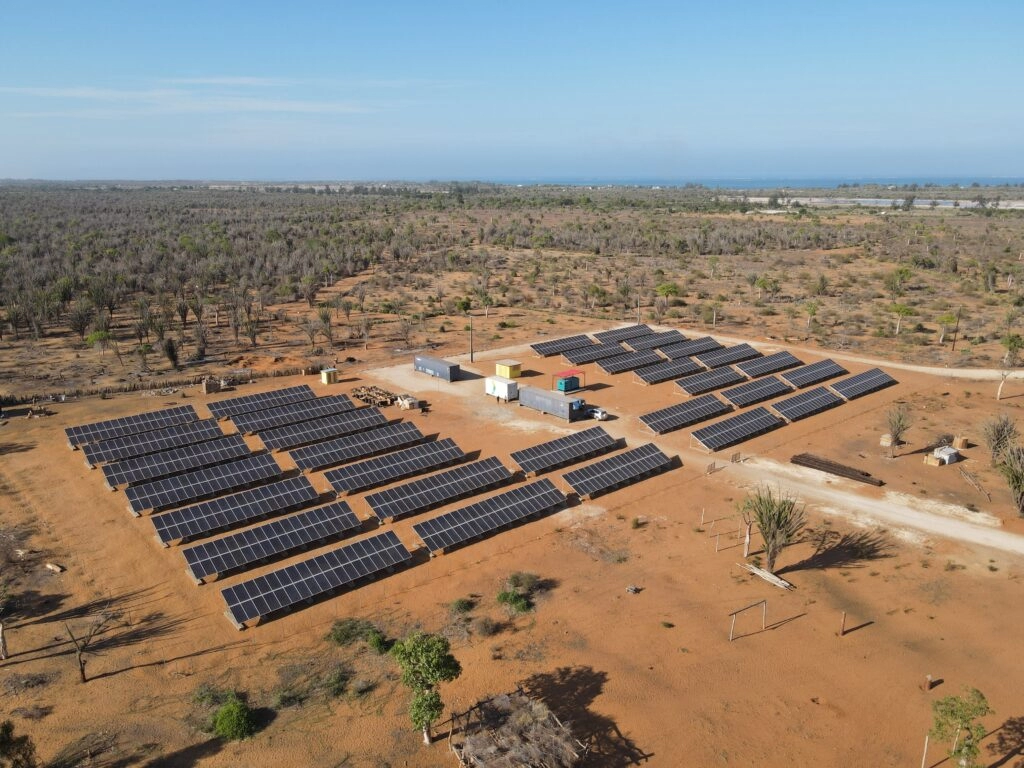
In some remote areas of the Middle East and Africa, it is often difficult to afford the high fuel transportation costs and maintenance. These microgrids are costly and unreliable and rely on diesel power generation. Then, in sustainable solar solutions, especially solar + energy storage microgrids, these energy vulnerabilities are addressed by replacing or supplementing diesel generators with PV arrays and modular battery systems. PV panels can capture the abundant sunlight in remote areas, while lithium-ion batteries can store excess energy at night or in bad weather. Intelligent controllers can manage the charge and discharge cycle, optimize the state of charge, and extend the battery life through thermal management and balanced battery charging. The result is a powerful off-grid power system capable of providing continuous power for telecommunications, pumping, refrigeration, and community lighting.

Achieving energy independence in remote areas through sustainable solar energy solutions

Reduce the impact of fuel price fluctuations

Energy security is closely related to price stability. Traditional power plants using natural gas, coal, or diesel are vulnerable to unpredictable market fluctuations such as geopolitics, supply chain disruptions, or regulatory changes. The use of a sustainable solar energy solution can hedge against such fluctuations. After installation, the marginal cost of generating electricity from solar arrays is almost zero, effectively decoupling electricity bills from volatile fossil fuel prices. Some companies and utilities can sign long-term power purchase agreements with fixed and transparent rates, allowing for better budgeting and financial forecasting.

In addition, the advantages of time-of-use electricity prices can be taken advantage of. During the peak solar energy period during the day, solar energy systems can offset the high electricity prices during peak hours, while stored solar energy can be released during the more expensive night hours, for large commercial and industrial consumers, predictable electricity expenditures, higher profit margins, and the ability to pass on cost savings to end users.

Indirectly enhance national security with sustainable solar energy solutions

Solar-rich countries can use sustainable solar energy solutions to reduce their dependence on imported fuels, indirectly enhancing strategic autonomy and national security. From PV manufacturing and inverter assembly to installation and maintenance, local companies can create jobs, promote technology transfer, and reduce vulnerability to global supply disruptions. At the same time, solar parks and regional microgrid construction programs supported by some governments can support critical defense infrastructure, telecommunications hubs, and emergency shelters, ensuring uninterrupted operation even in geopolitical tensions. In addition, responders or military personnel can quickly deploy portable solar trailers and inflatable photovoltaic modules to disaster areas or forward bases to provide instant power for communications, medical facilities, and field operations.

Indirectly enhance national security with sustainable solar solutions

Promote grid modernization and digitization.

Some digital platforms, automatic distribution management systems, and the transition to sustainable solar solutions have promoted the overall grid modernization. Solar inverters with communication protocols enable real-time data exchange, remote diagnostics, and wireless firmware updates. These capabilities enable utilities to perform predictive maintenance on substations and feeders, detect anomalies such as phase imbalance or voltage sag, and dynamically balance loads between feeders to avoid overloads. In addition, distribution networks based on real-time solar generation data can enhance planning and scenario analysis for future solar and storage deployments. In summary, sustainable solar energy solution help build a smarter, more adaptable grid resilient to physical and cyber threats, improving energy security and operational efficiency.

Promote Economic Growth and Sustainable Development

In addition to technical and security benefits, sustainable solar solution promote sustainable economic growth and community development. Lower electricity costs in the industrial, agricultural, and commercial sectors can attract new investments and support energy-intensive manufacturing processes. In rural areas, solar irrigation and cold storage facilities can increase agricultural productivity and reduce post-harvest losses, contributing to food security. In addition, revenue streams from solar power generation can provide funding for local infrastructure projects, schools, and health clinics.

A Holistic Approach to Energy Security

Sustainable solar energy solutions offer a multifaceted approach to enhancing energy security and strategic resilience. Decentralizing power generation through distributed photovoltaic arrays, combining solar with battery storage systems, and modernizing the grid through digital control can reduce the risks associated with centralized infrastructure, fuel price fluctuations, and supply chain disruptions while bringing reliable electricity to remote areas.

Why do some commercial users need a large-capacity solar energy inverter?

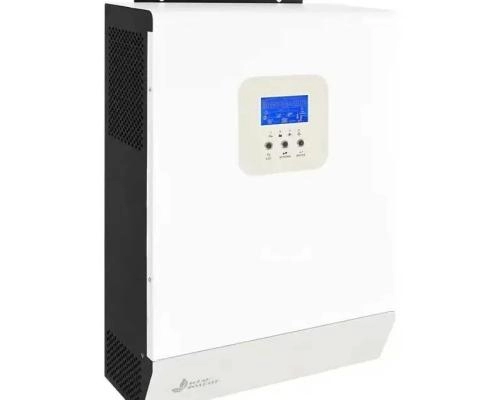
In a solar energy inverter, the MPPT function can optimize energy harvesting from PV panels. The MPPT algorithm continuously adjusts the input voltage to the inverter to maintain the PV array at a voltage and current combination that produces peak power output. However, not all MPPT implementations are the same. The MPPT tracking speed of a solar inverter determines how quickly it reacts to environmental changes. According to BARANA’s extensive research, faster MPPT convergence times can increase annual energy production by 3% to 5% compared to slower inverters that track in seconds. This difference can bring significant economic benefits to large-scale and commercial PV installations.

Solar Energy Inverter MPPT Tracking Speed ​​Under Dynamic Irradiance

Solar irradiance fluctuates constantly due to passing clouds, particles in the air, and changes in the sun’s angle. A solar inverter equipped with a slow MPPT algorithm may deviate from the true maximum power point for a considerable period of time after an irradiance change, resulting in energy loss. In contrast, fast-tracking MPPT algorithms can detect and adjust to new peak power points in tens of milliseconds or less, ensuring that the PV array operates at nearly constant optimal power output. Our field test data shows that systems using inverters with MPPT speeds less than 50 milliseconds in areas with variable weather patterns can more effectively compensate for lost power generation than devices with tracking speeds over 500 milliseconds. These high-speed MPPT solar energy inverter provide superior overall performance by capturing the majority of power fluctuations.

Mitigating the “Cloud Edge” Effect for Solar Energy Inverter

The “Cloud Edge” effect is when the edge of a moving cloud passes over a solar array, causing a rapid rise or fall in irradiance. These transient events create brief peaks in power that slower MPPT systems cannot capture. Solar inverters with high-speed MPPT can take advantage of these fleeting power peaks by instantly re-adjusting to the new maximum power point. According to BARANA’s comparative analysis, solar energy inverters with fast MPPT speeds can utilize up to 25% to 30% more power during cloud edge events than traditional MPPT solutions. This capability is particularly important for large solar farms or commercial rooftops, where even a small increase in the efficiency of each panel can translate into significant annual power generation gains.

Mitigating the “Cloud Edge” Effect for Solar energy Inverters

Handling Partial Shading with Multiple Trackers

Partial shading during use can lead to performance mismatches in different parts of the PV array. To address this, solar energy inverters are often designed with multiple MPPT channels, allowing each string of panels to operate at its maximum power point. The MPPT tracking speed of a solar inverter with dual or quad MPPT inputs determines how effectively it can adapt to dynamic shading patterns throughout the day. For PV systems prone to intermittent shading, we recommend using inverters with at least two independent MPPT trackers that converge at speeds below 100 milliseconds. This configuration can isolate shaded PV strings and optimize fully illuminated ones, preventing a single shaded PV string from dragging down the output of the entire PV array.

Handling Partial Shading with Multiple Solar energy Inverter Trackers

Impact on efficiency improvement and return rate

The increased power generation brought by faster MPPT can directly translate into higher financial returns. For a 500 kW commercial PV system, if equipped with a solar inverter with fast MPPT, annual power generation can increase by 2%, equivalent to tens of thousands of additional kWh of electricity, equivalent to a large amount of electricity bill savings or feed-in tariff subsidies. More economic models show that choosing an inverter with top MPPT performance can shorten the system investment payback period by 6 to 12 months, depending on the local sunshine intensity and electricity price structure.

Generally speaking, over a 25-year life cycle, the additional power generation brought by fast MPPT can account for 5% to 10% of the total system output. Therefore, giving priority to solar energy inverter with excellent MPPT tracking speed is not only a technical decision, but also a choice that can improve the long-term profitability of solar projects.

Integration with Monitoring Systems

Fast MPPT maximizes its benefits when combined with comprehensive monitoring and control. Solar inverter with fast MPPT tracking speeds also typically offer high-resolution data logging, capturing voltage, current, and power profiles at sub-second intervals. Integrating these solar inverters into building management systems or IoT-enabled energy dashboards enables facility managers to correlate MPPT performance with weather data, maintenance schedules, and complementary systems such as battery storage or demand response. This holistic approach enables commercial operators to fine-tune inverter settings and ensure their solar inverter systems always operate at peak efficiency under all operating conditions.

Prioritize MPPT Speed

The MPPT tracking speed of a solar energy inverter is a key factor in determining the overall performance of a PV system, especially in environments with highly variable light and frequent shade changes. Faster MPPT inverters can capture transient power peaks, reduce cloud-edge losses, and optimize partially shaded arrays, significantly increasing annual energy production. These efficiency gains directly shorten payback times and enhance the stability and predictability of power generation from different solar systems.

Five major issues facing urban residents when installing off grid home solar system

Different issues and adjustments exist when installing off grid home solar systems in densely populated environments compared to rural or suburban areas. Urban residents face limited roof space, shading from adjacent high-rise buildings, strict permitting processes, and complex grid interconnection regulations. In addition, urban homes often require high-energy density home applications and home systems to accommodate modern lifestyles, including electric HVAC systems, smart home systems, and electric vehicle chargers, which are all issues faced by urban residents in different regions when installing an off grid home solar system. At the same time, some users must maintain aesthetics and structural integrity. BARANA combines years of experience in solar product solutions to solve these city-specific challenges.

Space and Rooftop Limitations When Installing Off Grid Home Solar System

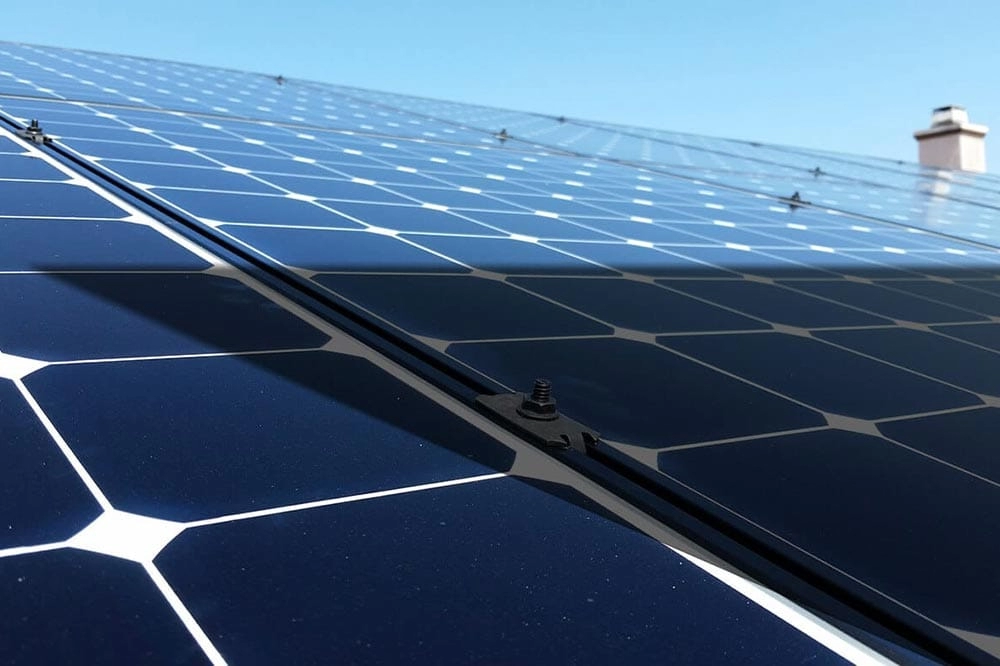
One of the biggest obstacles facing urban residents is limited roof space. The roofs of high-rise apartments and townhouses are often small and irregularly shaped, which makes it difficult to install a comprehensive off grid home solar system. Urban buildings in many areas have rooftop facilities such as heating, ventilation, air conditioning, etc., further reducing the available panel installation area. To overcome these limitations, BARANA offers high-efficiency, premium monocrystalline panels with power densities exceeding 450 W per module, requiring fewer panels to achieve a given capacity. Our flexible thin-film modules can conform to curved surfaces and integrate into balcony railings for attic or balcony installations.

Additionally, during the installation process, we conduct a structural survey of the house to confirm the roof’s load-bearing capacity, so that we can recommend a lightweight mounting system to minimize the added weight. At the same time, our engineers can maximize the array orientation and tilt in a small space, ensuring the best energy output in a limited space.

Space and Rooftop Limitations When Installing Off-Grid Home Solar Systems

Shading and Performance Optimization for Off Grid Home Solar System

Neighboring skyscrapers, rooftop HVAC units, and urban foliage can significantly reduce the output of solar panels. In an off grid home solar system, even partial shading of a single panel string can reduce overall system efficiency by up to 30%. BARANA combats shading losses with modular microinverters and optimizers, which separate the performance of each panel to achieve independent MPPT. Combined with advanced predictive analytics, we optimize panel placement to avoid hot spots and maximize daily kWh production. In addition, our dynamic EPS monitors array performance in real time and issues alerts when unexpected shading or contamination occurs. This comprehensive shading management strategy ensures your off-grid home solar system operates consistently and efficiently even in the most obstructed urban environments.

Shading and Performance Optimization for Off-Grid Home Solar Systems

Permitting Process and Regulatory Compliance

City building codes, fire department regulations, and utility interconnection rules can be cumbersome for urban solar users. The permitting process for off grid home solar systems is often months long and requires structural engineering stamps, roof load certifications, and detailed electrical schematics. BARANA’s services include dedicated regulatory experts who manage all permitting tasks on behalf of homeowners, from digitally submitting permit packages to responding to municipal inquiries and coordinating site inspections. We compile comprehensive documentation, including solar utilization studies, UL-listed equipment datasheets, and single-line wiring diagrams, streamlining the approval process for building and zoning departments. At the same time, our team ensures full compliance with NEC Article 690 for photovoltaic installations and local fire code requirements for rapid shutdown. By navigating these complex regulatory issues, we expedited the project, reduced administrative costs, and obtained the necessary approvals for each off grid home solar system user.

Energy Storage and Backup Power Needs

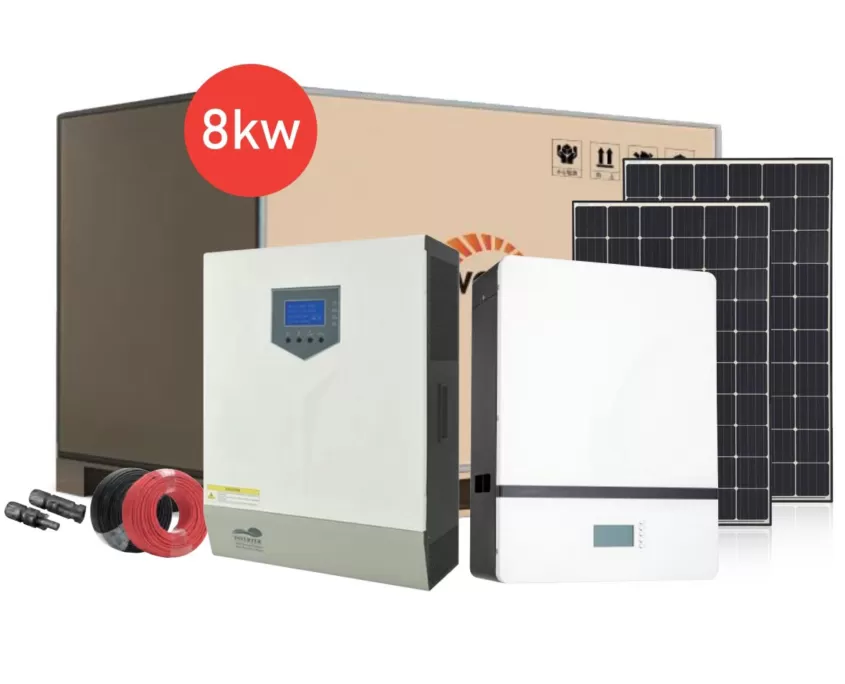
Urban homes often rely on high-energy-consuming appliances, such as central air conditioners, refrigerators, medical equipment, and electric vehicle chargers. These require a strong energy storage strategy in off grid home solar systems. BARANA’s off-grid solar kits use modular lithium-ion battery packs and off grid solar systems covering different kW, such as 3 kW, 5 kW, 6 kW, 10 kW, etc., to match the daily load curve and the required number of operating days. At the same time, the integrated solar inverter intelligently manages the charge/discharge cycle, battery health, and optional backup generator start-up. The smart EMS provides real-time load monitoring and prioritizes critical circuits for low power generation. By designing off-grid home solar systems with these advanced energy storage and control features, we can ensure continuous and reliable power for urban residents, avoid power outages, and reduce dependence on noisy, polluting portable generators.

8kw Off Grid Solar System 6-3

Aesthetic Integration and Community Acceptance

In some high-profile urban neighborhoods and historic districts, maintaining architectural harmony and minimizing visual impact is also a major installation challenge. HOAs and conservation boards will resist unsightly PV arrays. BARANA solves aesthetic issues by providing low-profile, all-black PV panels and custom-framed, architecturally integrated PV solutions that blend seamlessly with roof materials, exterior walls, or balcony railings. Hidden wiring channels, color-matched conduit, and recessed junction boxes further reduce visual clutter. In addition, our design process includes high-fidelity renderings and on-site models to collect community feedback and obtain approval. We will always put excellent design and performance first to ensure that each off grid home solar system will enhance rather than detract from the urban streetscape, thereby improving community acceptance and increasing property values.

Solving the Challenges of Installing Off Grid Solar Systems in Cities

Installation in urban environments faces space constraints, complex shading issues, regulatory barriers, energy storage requirements, and more. BARANA will use cutting-edge PV technology, module-level electronics, modular energy storage systems, and streamlined permitting services to provide city residents with tailored off-grid solar system energy solutions.