How to adapt solar energy storage solution to seasonal changes?

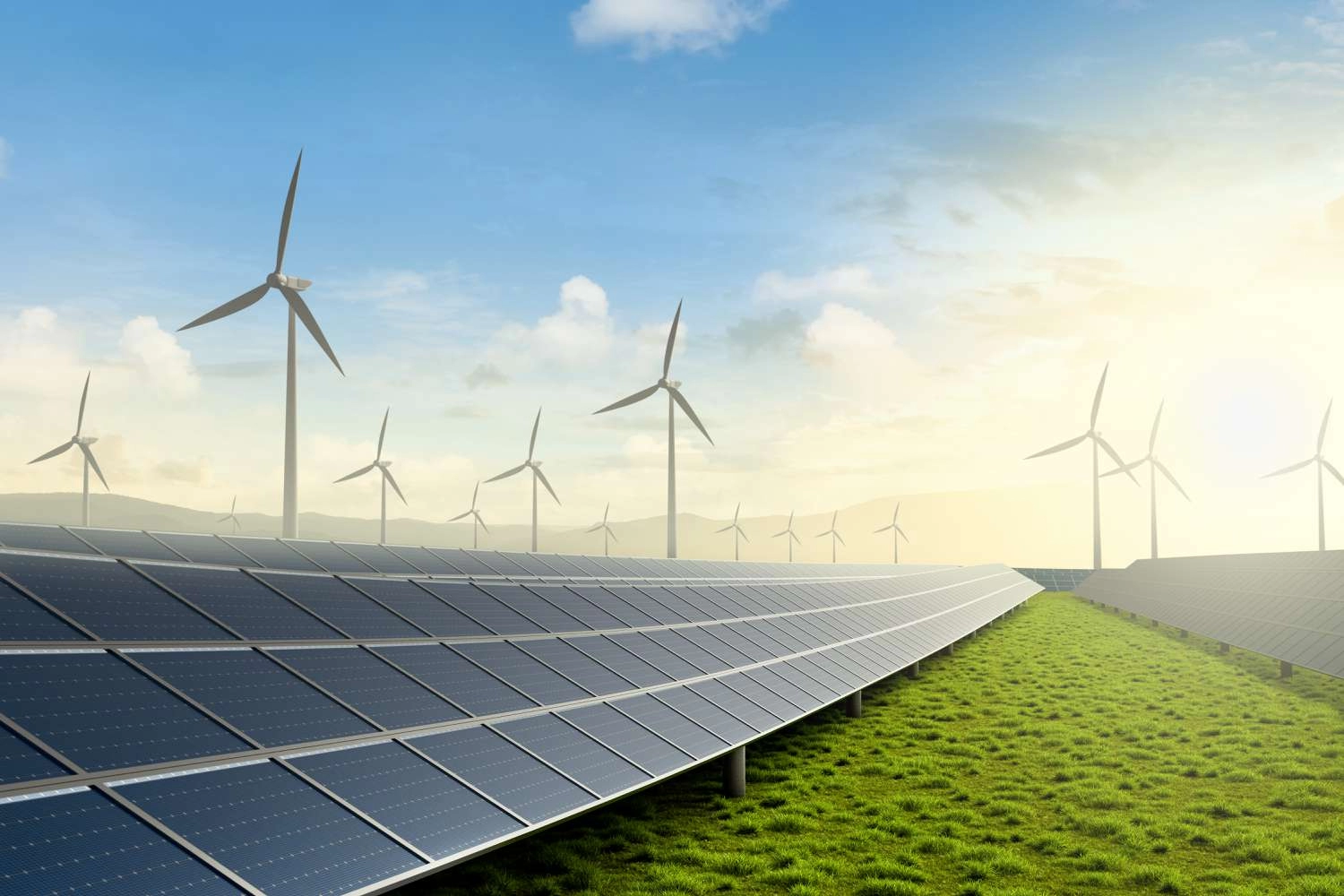
Seasonal changes—from sweltering summers to snow-covered winters—present unique challenges for solar energy storage solution. Whether compensating for shorter winter days or managing excess summer production, BARANA’s adaptive technology ensures year-round efficiency. This article explores viable strategies for optimizing solar storage solutions across seasons, leveraging BARANA’s expertise in innovative battery management, predictive analytics, and climate-responsive design.

Solar Energy Storage Solution for Winter Recovery

Winter’s reduced daylight and cooler temperatures require specialized adaptations:

  • Battery Preheat System: BARANA’s lithium-ion batteries self-heat at <5°C, maintaining 95% efficiency, compared to 70% for standard systems.
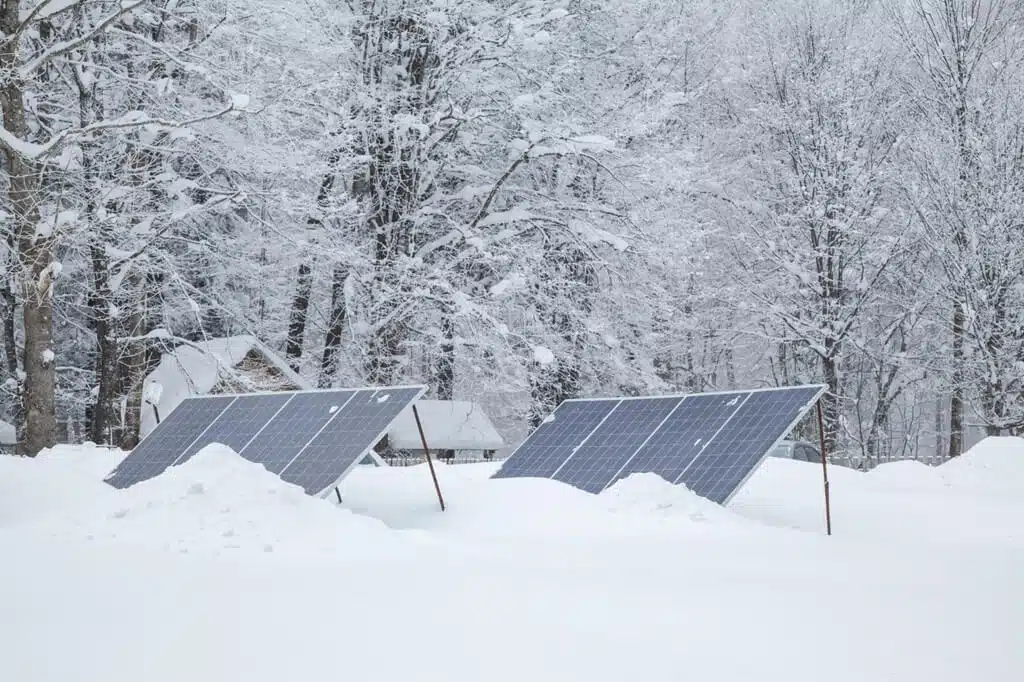
  • Snow Protection: Tilt-adjustable panels remove snow 3x faster, paired with a storage buffer for cloudy days.
  • Load Shifting: Prioritize critical circuits (heaters, lights) during periods of low generation.

A Canadian farm using BARANA’s winter optimization solution has maintained 80% of its winter production despite a 40% reduction in daylight hours. In addition to these technical features, BARANA’s solar offering includes remote monitoring capabilities that allow homeowners to track performance and make adjustments from anywhere. This ensures an uninterrupted energy supply even in the harshest winter conditions.
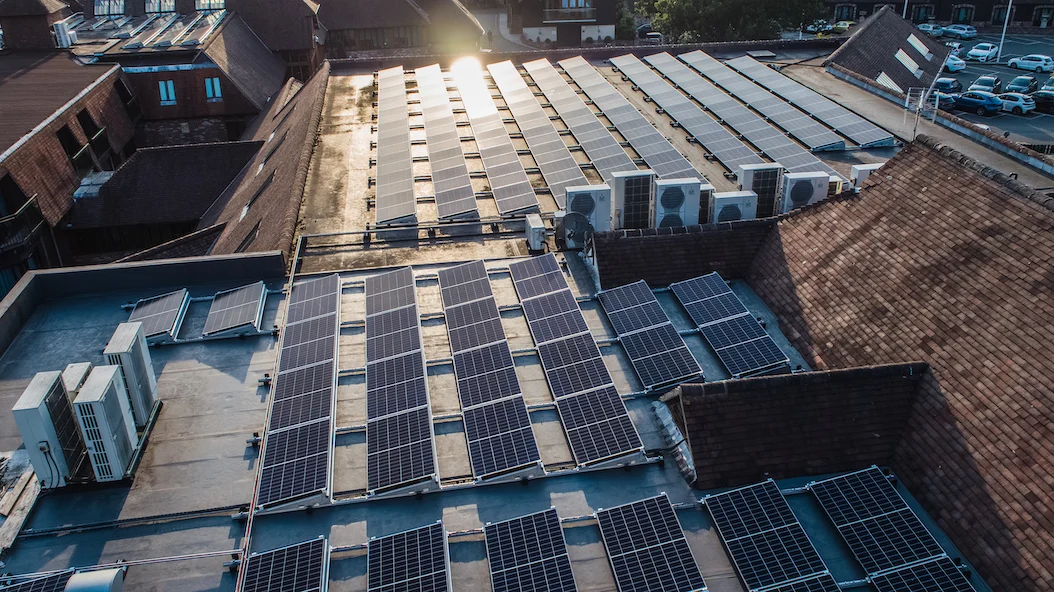
Solar Energy Storage Solution for Winter Recovery

Solar Energy Storage Solution for Summer Peak Management

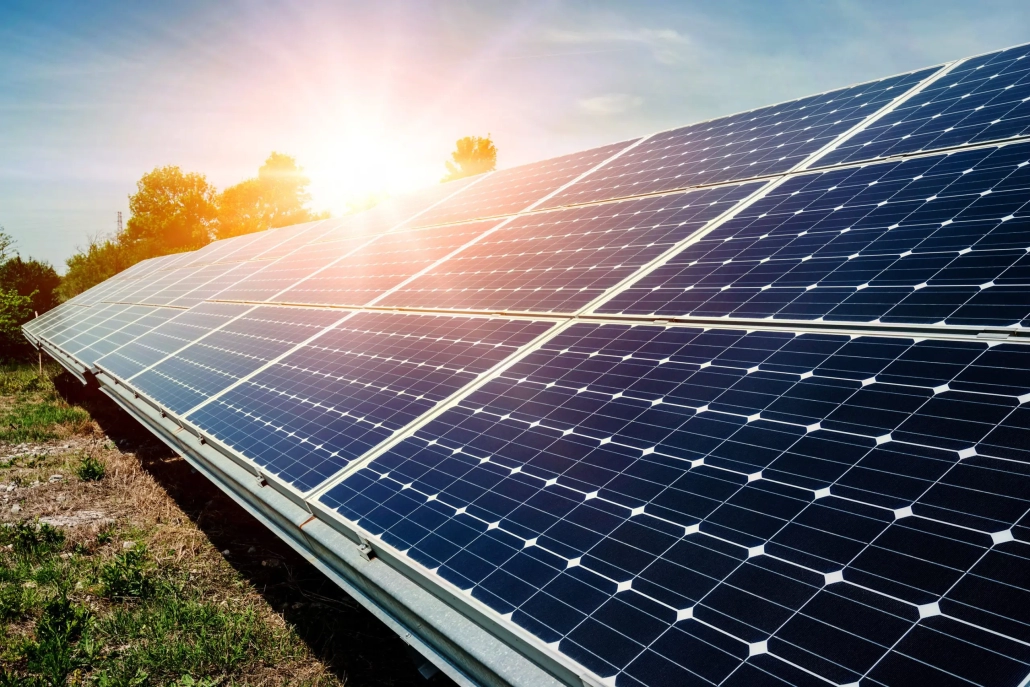
Summer’s abundant energy requires intelligent surplus energy handling, with dynamic export throttling to the grid in the face of excess production to prevent grid overload penalties. If thermal degradation occurs, battery phase change cooling extends service life by 20%. In the face of summer evenings, usually peak electricity consumption, the time-shifted discharge algorithm in the solar solution can reduce grid peak power consumption by 35%. At the same time, BARANA’s system also includes advanced analytics that predict peak production times, allowing homeowners to store excess energy efficiently. This reduces dependence on the grid and maximizes the use of solar energy during high-demand periods.
Solar Energy Storage Solution for Summer Peak Management

How do we optimize adjustments during the rainy season?

Waterproof systems are needed during the rainy season, and BARANA’s solar panels use a hydrophobic panel coating that can reduce output losses to 8%, compared to 22% during heavy rain. At the same time, the flood-proof casing used in the solar energy storage battery is IP68-rated and can be submerged for 72 hours at 1.5 meters underwater. In some countries in the monsoon belt, BARANA’s system has an uptime of 91%, while competitors have an uptime of 63%. In addition to these features, BARANA designs its system to withstand extreme weather conditions, ensuring reliable performance even during the long rainy season. The company’s commitment to durability and resilience means homeowners can trust that their solar system will perform consistently.
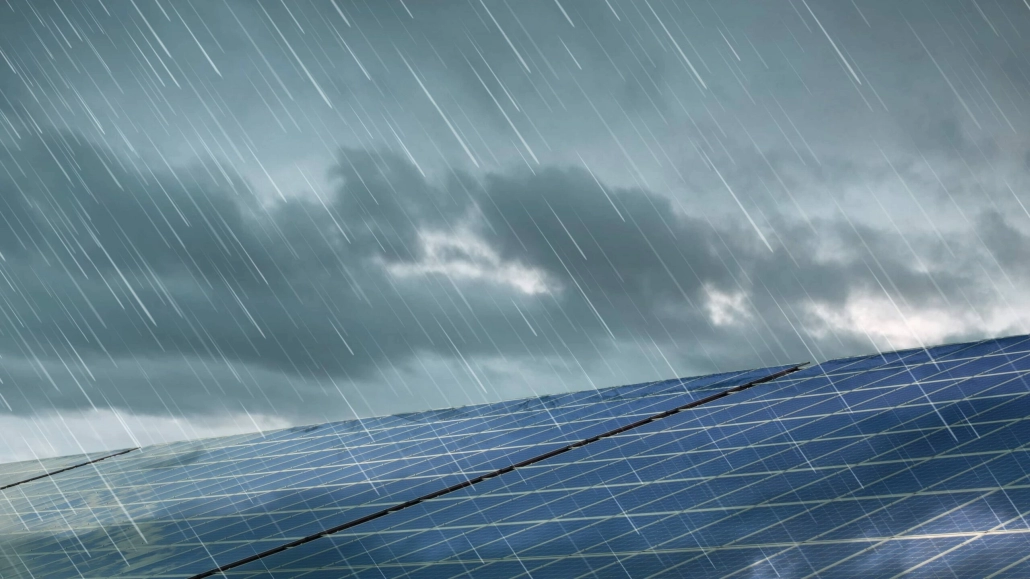
How to optimize solar storage solutions during the rainy season

Customizing battery technology for seasonal needs

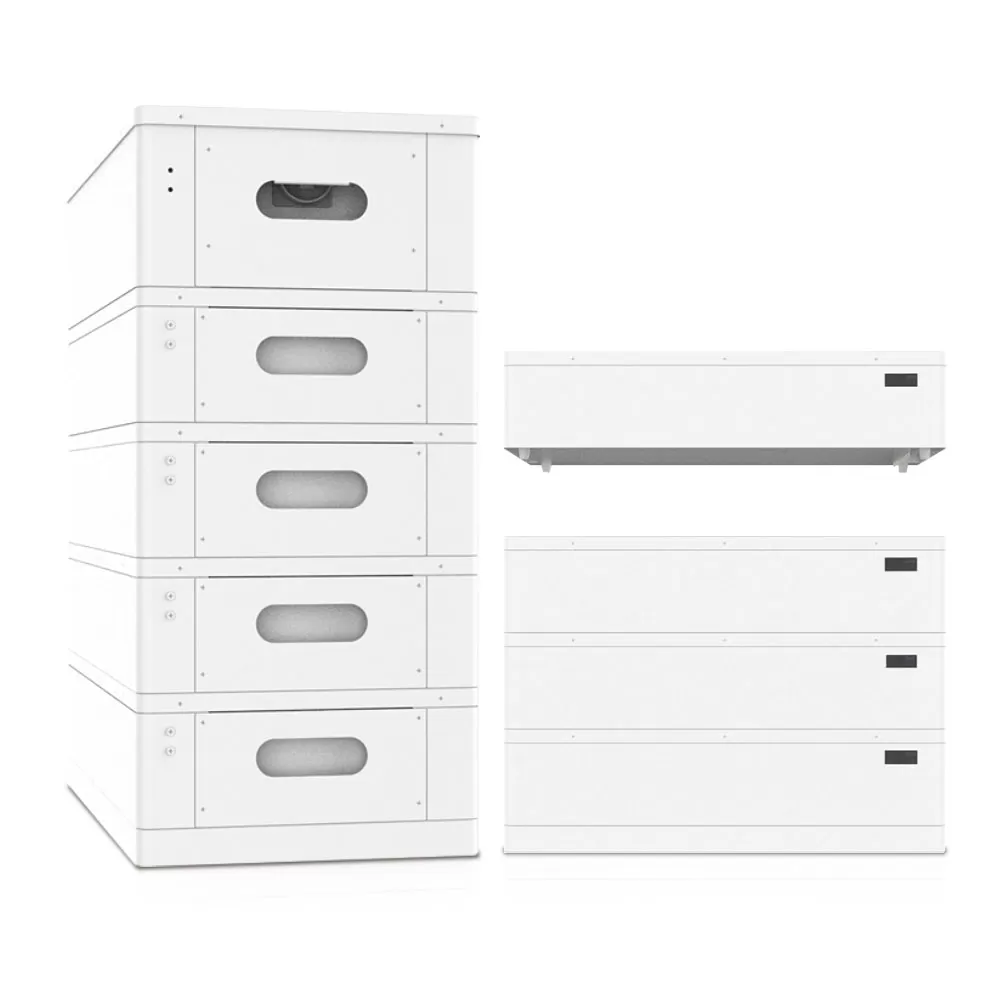
At the heart of any solar storage solution is battery technology, which is critical to determining the overall performance and adaptability of the system. Different battery chemistries have unique advantages in energy density, charge and discharge efficiency, and thermal stability. Lithium-ion batteries are known for their high energy density and efficiency, which make them ideal for handling energy surges during sunny periods. However, they are sensitive to extreme temperatures, so BARANA employs thermal management strategies to protect them during colder months. In contrast, alternative chemistries such as lead-acid or flow batteries may be more resilient in cold environments but not offer the same efficiency levels during peak production.

Thermal management is a key component in adapting battery performance to seasonal variations. BARANA’s solar storage solutions include integrated heating and cooling elements that regulate the temperature of the battery modules, ensuring they operate within an optimal range.

Integration with Renewable Energy Management Systems

Adapting solar storage solutions to seasonal variations also involves integrating a broader renewable energy management system. BARANA’s approach to solar energy storage solutions includes powerful integration with innovative grid technologies, demand response systems, and renewable energy management platforms. Renewable energy management systems provide a centralized platform for monitoring, controlling, and optimizing the performance of solar storage solutions. Integration with these systems enables real-time data exchange between solar panels, storage units, and end-user applications. This holistic approach synchronizes the entire renewable energy system, allowing for effective load balancing and efficient energy distribution.

For example, when solar generation is high in the summer, the integrated system can prioritize charging the storage unit and distribute excess energy to the grid or high-demand areas. Conversely, in the winter, the system can shift its focus to conserving energy and prioritizing critical loads.

Flexible adjustment based on seasonal changes

To better cope with seasonal changes, BARANA adjusts the solar storage solution for regional variations. It integrates advanced battery technology and predictive software to ensure reliable performance, whether monsoon rain or midnight sun. By treating seasons as variables rather than obstacles, we enable homeowners to get the most energy value from solar energy 365 days a year.
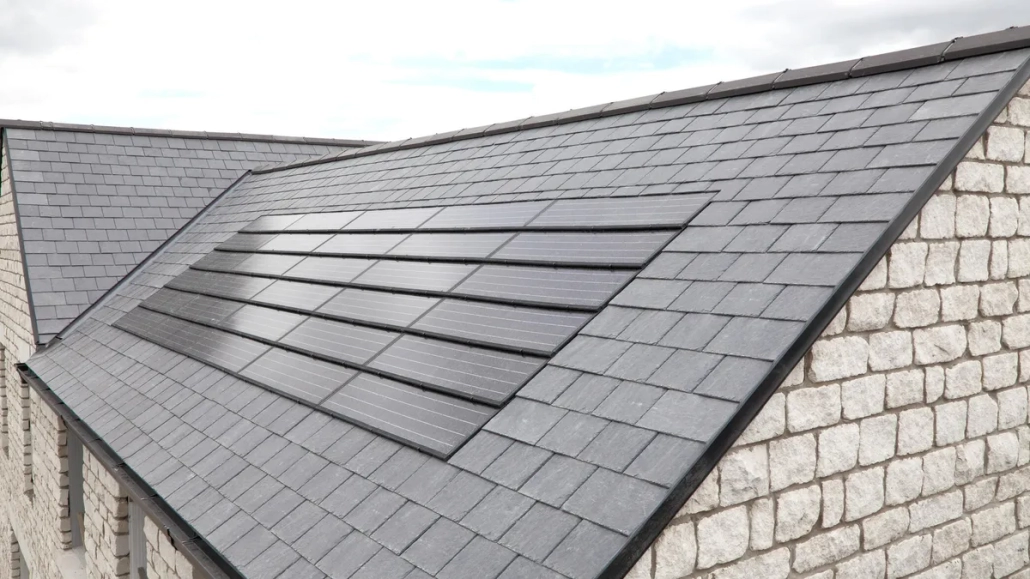
How do different roof types impact a solar energy solutions for homeowners?

For homeowners choosing a solar solution, the roof is more than just a mounting surface; it’s a critical factor influencing efficiency, cost, and long-term performance. Each roof type presents unique challenges for solar installation, from asphalt shingles to metal sheets. This guide, combined with BARANA’s insights into custom solar design, shows how several common roof types impact solar energy solutions for homeowners.

The choice of roof type can significantly impact the feasibility and effectiveness of a solar solution. Factors such as roof slope, material durability, and structural integrity are key in determining the best solar setup. BARANA’s approach ensures that each installation is tailored to the homeowner’s specific roof type, maximizing energy output while minimizing potential issues.

Solar energy solutions for homeowners: Asphalt Shingle Roofs

Asphalt shingles dominate 80% of residential roofs in the U.S. due to their affordable price and ease of installation. For solar energy solutions for homeowners on this roof, solar panels are clipped directly onto the shingles without penetrating the roof. And, of course, BARANA’s modular panels can be easily removed/reinstalled. No need to worry about replacing shingles every 20-30 years. However, older or worn shingles may need reinforcement. BARANA’s thermal imaging surveys can prevent 92% of warranty claims related to roof stress by identifying weak spots before installation. In addition, asphalt shingles are relatively easy to repair or replace, making them a flexible option for solar installations.

Asphalt Shingle Roofs

Solar energy solutions for homeowners: Metal Roofs

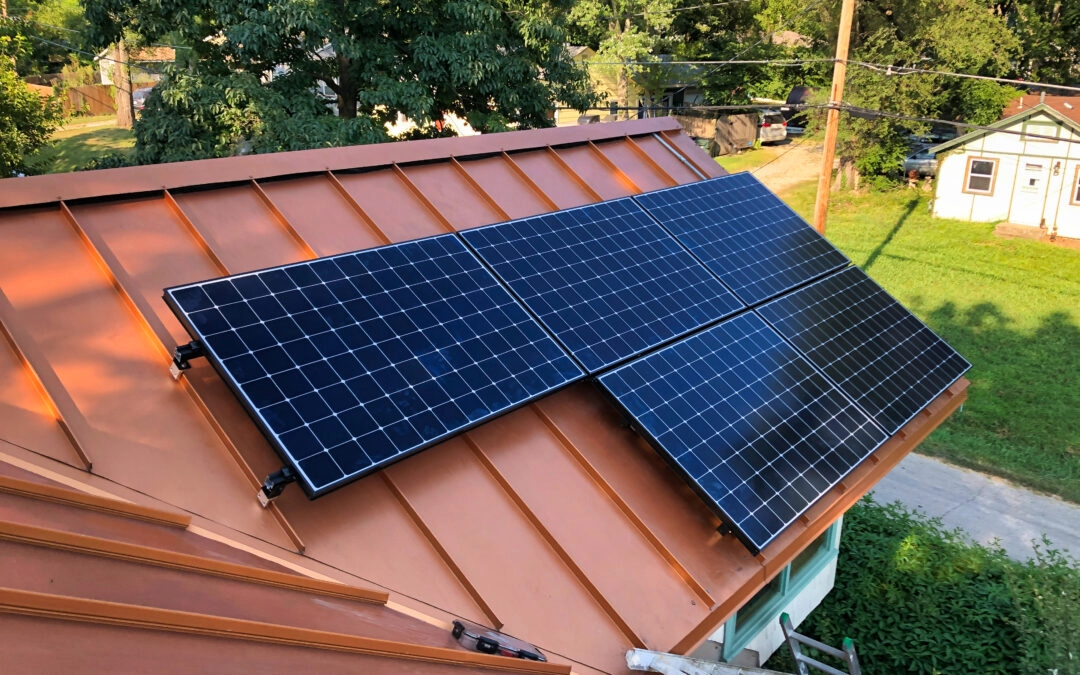
Metal roofs are growing 8% per year in the U.S., which is good for solar but requires a specialized approach:

Mount Brackets: BARANA uses rubber gasket brackets to prevent electrochemical corrosion.

Snow Removal: Metal-pitched roofs above 35° may require snow guards to protect panels.

Energy Reflectivity: Cool roofs can increase panel efficiency by 4-6% by reducing ambient heat.

A cabin in Colorado with a standing seam metal roof achieved a 22% annual energy surplus using BARANA’s aerodynamic, low-profile brackets. Metal roofs are highly durable and last decades, making them an excellent long-term investment in a homeowner’s solar solution. Their reflective properties also help keep homes cooler, which reduces overall energy consumption.

Metal Roofs

Commercial Flat Roofs

Commercial flat roofs are typical on urban rowhouses and allow for creative homeowner solar solutions:

Tilt Optimization: Using a 10°–30° mount on this type of roof can increase output by 18% compared to a flush mount.

Weight Distribution: BARANA’s water-filled ballast blocks eliminate roof penetrations.

A Brooklyn brownstone uses BARANA’s tilt-adjustable system to combat winter shading from neighboring buildings, saving thousands of dollars annually. Flat roofs offer flexibility in panel placement for optimal sun exposure. However, they require careful planning to ensure proper drainage and weight distribution. BARANA’s mounting solutions address these challenges, providing homeowners with an efficient and reliable homeowner solar solution.

Commercial Flat Roofs

The Impact of Roof Slope and Orientation

In addition to a few common roof types, roof slope, and orientation can directly impact a homeowner’s solar solution’s performance. Roof slope determines how much sunlight the solar panels receive throughout the day, and flat roofs may perform well in areas with abundant sun exposure, such as southern Europe or parts of the United States.

Orientation is another critical factor that homeowners must consider when planning a solar installation. Ideally, solar panels should face due south in the northern hemisphere to capture the maximum amount of sunlight. In Europe, building designs and roof orientations can vary widely. For example, an east—or west-facing roof may produce higher energy in the morning or evening but lower overall production compared to a south-facing installation. However, adjustments such as tilting the panels or using microinverters can help reduce these losses.

In addition, the pitch and orientation of the roof can also impact. Steep roofs may require a specialized mounting system that conforms to the roof angle, while flat roofs may use a combination of ballasted mounts and adjustable mounts to optimize the panel tilt. The system may also perform poorly if it does not match the roof characteristics. By analyzing these factors, BARANA’s installers can tailor solar energy solutions for homeowners for homeowners in different regions.

Solar Technology Advancements and System Optimization

Advanced components such as high-efficiency solar panels, smart inverters, and intelligent monitoring systems are at the heart of solar energy solutions for homeowners. These technologies ensure solar systems are optimized for various roof types, improving performance and reliability in different environmental conditions.

Developing high-efficiency photovoltaic panels allows them to perform well even in low-light conditions, which is particularly important in Europe, where sunlight intensity varies significantly throughout the year. These systems are combined with intelligent inverters to provide stable, high-quality energy output while minimizing energy losses. In addition to hardware improvements, innovative mounting techniques and customizable mounting solutions allow solar systems to adapt to various roof types.

Meeting Different Roof Types

Roof type is not a barrier to a homeowner’s solar solution but is a design parameter. BARANA’s years of experience share multiple factors (materials, slope, age, load capacity, etc.) that help provide solar plans for homeowners more accurately. Whether retrofitting a historic slate roof or optimizing a suburban asphalt setting, the right approach can transform a roof into a lasting energy asset.

How can we help European users through customized off grid solar power system kits?

Europe’s shift toward renewable energy in recent years has accelerated the need for local users to have sustainable solutions that enable homeowners to reduce their reliance on traditional power grids. Off grid solar power system kits offer those seeking energy independence in remote cabins or suburban homes a practical and environmentally friendly solar solution. Of course, standardized solar off grid kits are difficult to apply to a region as diverse as Europe, where climate, energy needs, and architectural styles vary greatly. When working with European customers, customized off grid solar power system kits are specially designed to meet European lifestyles, priorities, and environmental conditions. This ensures that each system is fully functional and seamlessly integrated into local users’ daily lives, providing long-term solar value and sustainability.

Why does Europe need customized off-grid solar power system kits?

Different climates, regulations, and consumer behaviors influence Europe’s energy landscape. Nordic countries have long and dark winters, while southern Europe has abundant sunshine all year round. Urban homeowners may prioritize compact systems, while rural users need sturdy installations for larger houses. Standardized off grid solar power system kits often fail to address these differences, resulting in inefficiency or poor performance. Customization optimizes the system for local weather patterns, energy consumption habits, and space constraints. For example, a residential user in Norway may require high-capacity batteries and snow-proof solar panels. At the same time, a villa in Spain benefits from high-efficiency modules to cope with the intense summer heat. BARANA’s customized approach bridges these gaps, ensuring that each system meets its environment’s and users’ specific needs. In addition to technical specifications, designers consider cultural preferences to achieve an aesthetically pleasing architectural design.

Snow and ice weather in Europe

Addressing Europe’s Unique Energy Consumption Patterns

European homes exhibit unique energy usage trends influenced by culture, infrastructure, and sustainability goals. Germans prioritize energy efficiency and often pair solar systems with heat pumps, while off grid homes in Italy may focus on powering irrigation systems or outdoor kitchens. Understanding these patterns is critical to designing an off grid solar system package that fits into everyday life. BARANA conducts energy audits to identify peak usage times, essential appliances, and backup requirements. For a home in France, this may mean prioritizing cooling and heating, while an environmentally conscious homeowner in Sweden may emphasize electric vehicle charging compatibility. Customization ensures that the system is fully functional and adaptable to changing needs, whether they are adding smart home devices or expanding living space. At the same time, BARANA’s system is designed with scalability in mind, allowing users to expand energy capacity as needs grow.

Key Components of Off-Grid Solar Power System Kits

Custom-designed off grid solar power system kit depends on 3 core components: solar panels, batteries, and inverters. However, these components’ quality, size, and integration determine success. European users often require corrosion-resistant panels for coastal areas or low-temperature-resistant batteries for high mountain areas. BARANA customizes each component according to regional needs – using monocrystalline panels in cloudy climates and lithium-ion batteries in cold weather to extend battery life. In addition, smart inverters with energy monitoring capabilities allow users to track usage and adjust habits. BARANA has created a powerful and intuitive kit for European homeowners by balancing high-performance components and user-friendly features. In addition to essential functions, engineers can integrate advanced technologies, such as micro-inverters and hybrid systems that combine solar with wind or generator backup power to increase reliability.

off grid home solar system 2-1

Aesthetic and functional design in custom design

Europeans value designs that blend seamlessly with their surroundings, whether a historic villa or a modern, minimalist home. An overly industrial-looking solar off grid kit can clash with the architectural aesthetic, hindering adoption. BARANA addresses this by offering solar panels and modular battery units that can be discreetly installed in a basement or garden shed. Color options and finishes allow the system to fit in with traditional or contemporary styles, with matte black panels or blue housings. Functionality is enhanced by tilt-adjustable stands that maximize sunlight, and silent inverters ensure noise-free operation. By fusing form and function, BARANA’s kits appeal to design-conscious Europeans without compromising performance. Aesthetics aside,

Navigate the European regulatory landscape.

Europe’s complex web of energy regulations and certifications can be overwhelming for homeowners. For example, Germany’s DIN standards and the European Union’s CE mark require strict compliance with safety and interoperability. BARANA simplifies this process by pre-certifying all off grid solar power system kits to meet regional standards, ensuring hassle-free installation and compliance with legal regulations. Additionally, we provide guidance on local incentives, such as Spain’s subsidies for renewable energy adoption or Finland’s tax breaks for off-grid systems. Our kits include documentation to facilitate permitting and obtaining green energy grants, allowing users to deal with government agencies confidently. In addition to meeting compliance, BARANA stays abreast of changing regulations to ensure our systems meet the latest standards.

Empowering European residential users through tailor-made solutions

Customized off grid solar power system kits bridge the gap between generic products and unique user needs. By prioritizing flexibility, aesthetics, and performance, we empower homeowners to take control of their energy lives, one tailor-made kit at a time. Whether in a Nordic forest or a sun-drenched Mediterranean village, BARANA ensures your off-grid system is flexible and works.

Why are homeowners in North America switching to solar flood light?

Rising energy costs, increased environmental awareness, and advances in solar technology have made solar flood light the preferred outdoor lighting solution for North American homeowners. This makes them a sustainable alternative to traditional grid-powered systems. After switching to solar flood lights, many users have reduced their annual outdoor lighting bills by hundreds of dollars. Another reason for the growing popularity of solar flood lights is their versatility. They are very easy to install and can be installed in remote areas without grid power, such as gardens, driveways, or barns. According to the U.S. Department of Energy, residential solar installations grew by 34% in 2023, and more and more homeowners are installing solar flood lights.

Disadvantages of Traditional LED Flood lights

Before adopting solar flood lights, many homeowners relied on traditional LED FLood lights. Although LEDs are more energy-efficient than incandescent lamps, they still have significant limitations. They are more dependent on the grid and require wiring and power supply, which limits installation options. They are also more expensive to operate, which can lead to higher electricity bills, especially for all-night security lighting. At the same time, they are also affected by power outages and are prone to failure, plunging the house into darkness. Another disadvantage of traditional LED flood lights is their impact on the environment. Although energy-efficient, they still rely on electricity generated from fossil fuels, contributing to greenhouse gas emissions. On the other hand, solar floodlights utilize renewable energy, making them a more environmentally friendly choice for environmentally conscious homeowners.

Reduce energy costs associated with solar energy

Solar Flood Light Reduce Home Expenses

Solar flood light reduce costs in two ways: zero electricity bills and minimal maintenance. Unlike traditional LEDs, solar flood lights harness sunlight and convert it into free energy. They do not require large areas of wiring, which can reduce trenching, conduit, or electrician costs. High-brightness LED lamp beads and polycrystalline silicon solar panels power solar floodlights. At the same time, they have a service life of 5-7 years and a payback period as short as 2 years, which is more durable than traditional LED lights. In addition to direct savings, solar flood lights can also reduce indirect costs. For example, their durability means fewer replacements and low maintenance requirements, saving time and energy. A homeowner in Florida saved thousands of dollars in electricity bills in three years after adopting solar flood lights. There are no monthly electricity bills to pay, and lithium-ion batteries are durable, providing predictable long-term savings.

Environmental Impact of Solar Flood light

Solar flood light is consistent with North America’s push for sustainable development. Traditional LEDs, while efficient, still rely on fossil fuels for electricity. In contrast, solar flood lights are a great way to reduce carbon emissions, with one solar flood light offsetting 100 pounds of CO2 annually. In addition, many models in BARANA feature recyclable aluminum and lithium-ion batteries. Models with automatic light sensors minimize unnecessary lighting. The environmental benefits of solar floodlights are not limited to reducing emissions. By using renewable energy, they help conserve natural resources and reduce dependence on non-renewable energy sources. This makes them a key component for homeowners in North America in their pursuit of sustainable living.

Environmental Impact of Solar Flood light

Ability to address the shortcomings of traditional solar technology

Early solar lighting systems were criticized for weak brightness and unstable performance. BARANA’s solar flood lights overcome these issues through advances such as high-efficiency polycrystalline silicon solar cell panels and adaptive brightness settings. A series of case studies show that solar flood lights with motion detection reduce false triggering of wildlife while providing instant lighting for safety. Improved battery technology also ensures stable performance even in cloudy climates. In addition, the solar floodlights offered by BARANA are designed with user-friendly features, such as adjustable panels and remote controls on demand, allowing homeowners to optimize performance according to their specific needs.

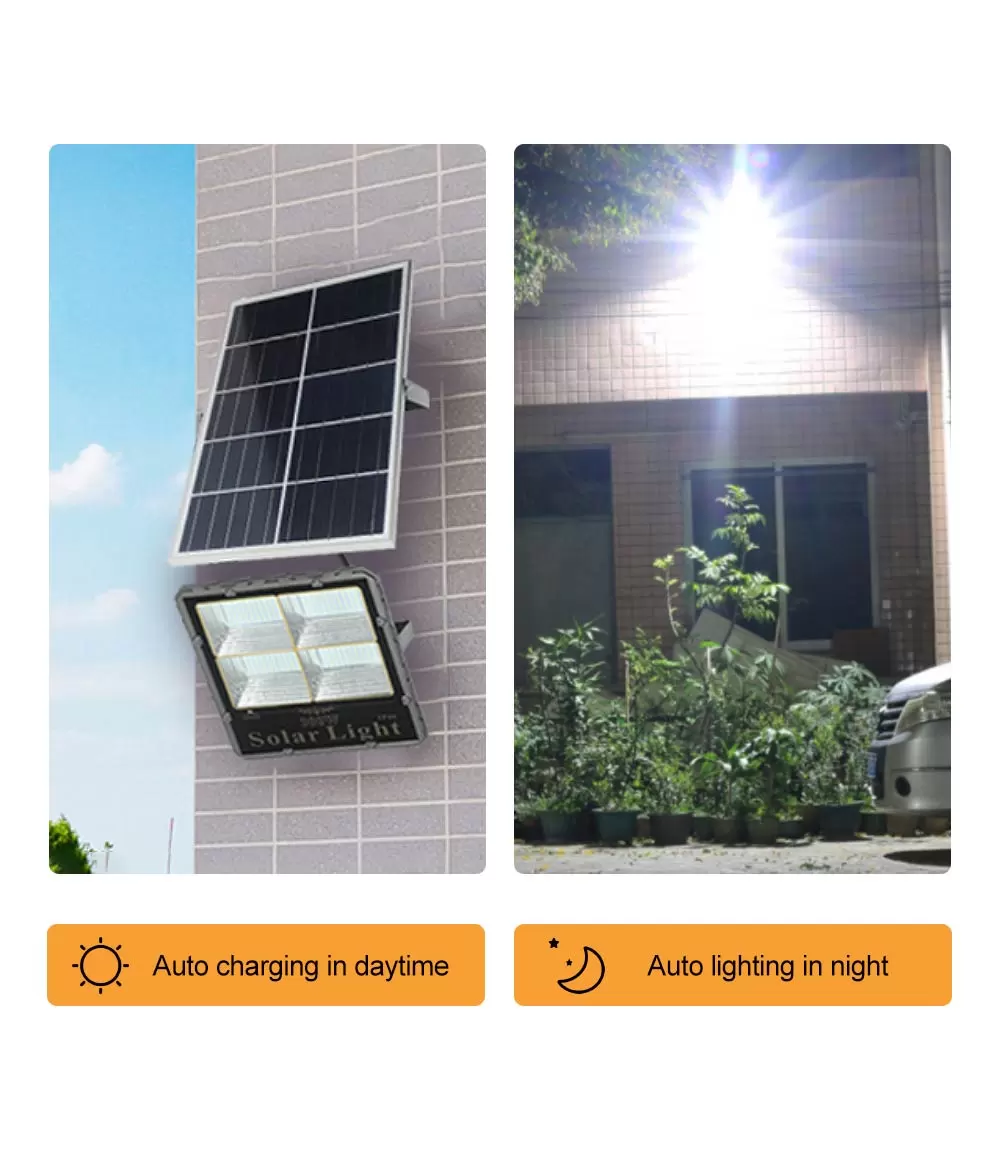
Solar Flood Light 2

Enhanced Security and Convenience

Solar flood lights improve home security more effectively than traditional LEDs. Features such as adaptive brightness and all-night operation can save energy while deterring intruders. Adaptive brightness adjustment brought by automatic light sensors automatically adjusts the brightness according to the surrounding brightness conditions, reducing unnecessary consumption. In addition, settings can be adjusted through a smartphone app even when you are not home. More durable in some areas with extreme weather, they can cool down faster to avoid heating and other situations. The convenience of solar floodlights is another significant advantage. The wireless design allows for flexible placement, and their automatic operation means that homeowners don’t have to worry about turning them on or off. The combination of security and ease of use makes solar floodlights a practical choice for modern homes.

Bringing more environmentally friendly outdoor lighting

North American homeowners use solar flood lights to save costs, protect the environment, and improve safety. These lights offer a practical outdoor lighting solution by eliminating reliance on the grid and reducing maintenance hassles. As technology advances, solar flood lights will continue outperforming traditional LEDs, allowing homeowners to illuminate their homes sustainably and smartly.

Sustainable lighting solutions: solar outdoor flood lights for environmentally friendly users

For environmentally conscious users, sustainable lighting solutions are a key focus for all home residential and commercial applications. In-home outdoor lighting combines cutting-edge renewable energy technology with LED lighting to provide an environmentally friendly alternative to traditional lighting methods. Solar outdoor flood lights use solar energy to capture energy through high-efficiency solar panels to provide reliable lighting without increasing the carbon footprint. The growing demand for sustainable lighting is both environmentally friendly and economical. In sustainable lighting solutions, solar outdoor flood lights can be feasible, cost-effective, and provide high performance without compromising reliability.

Solar Outdoor Flood lights: LED Technology and High-Efficiency Solar Panels

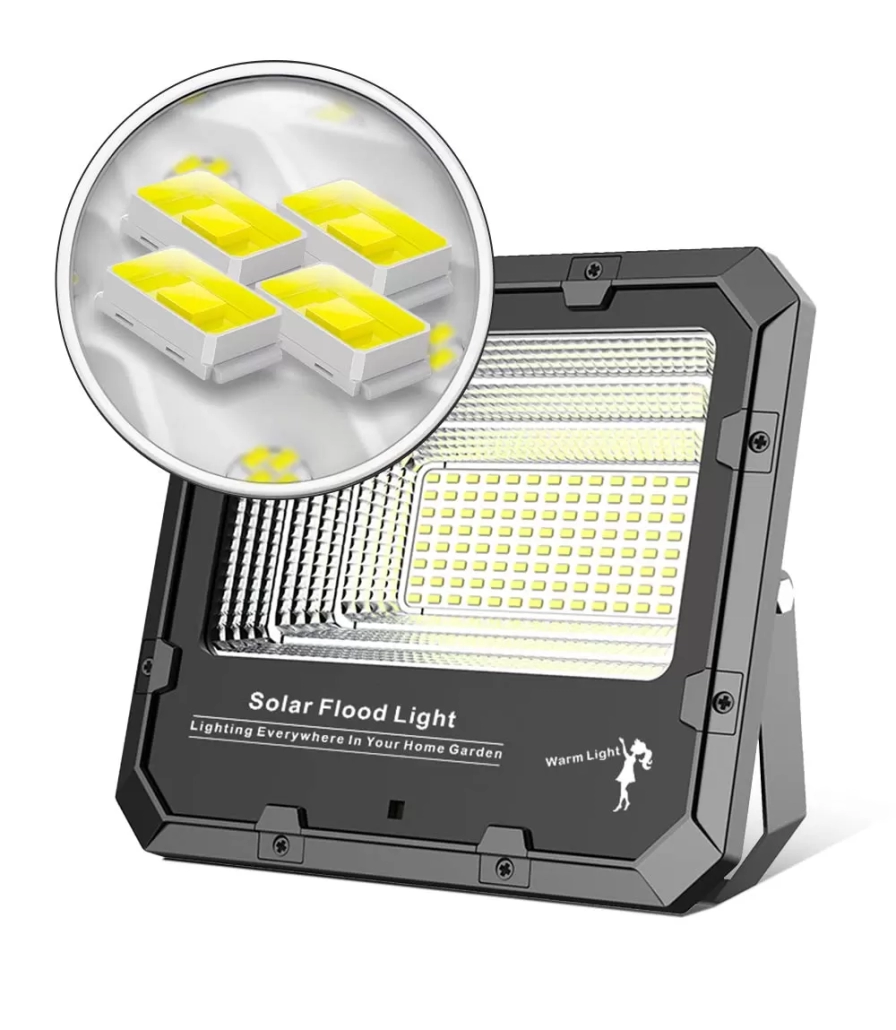
The core of solar outdoor flood light is imported high-brightness LED lamp beads, which provide excellent lighting while significantly reducing energy consumption. Unlike traditional light sources that generate too much heat and require frequent replacement, LEDs have a long service life and consistent brightness. And high-efficiency solar panels are another key component of solar outdoor floodlights. It can capture sunlight in various spectra and convert it into electricity efficiently. Combining these panels with high-brightness LED lamp beads allows the system to quickly accumulate enough power to power the lights at night, even during changeable weather. Combining these two technologies ensures that the floodlights are both environmentally friendly and highly reliable, providing stable performance regardless of seasonal changes in sunlight supply.

solar outdoor flood lights 1

Fast Charging and Adaptive Discharge Technology

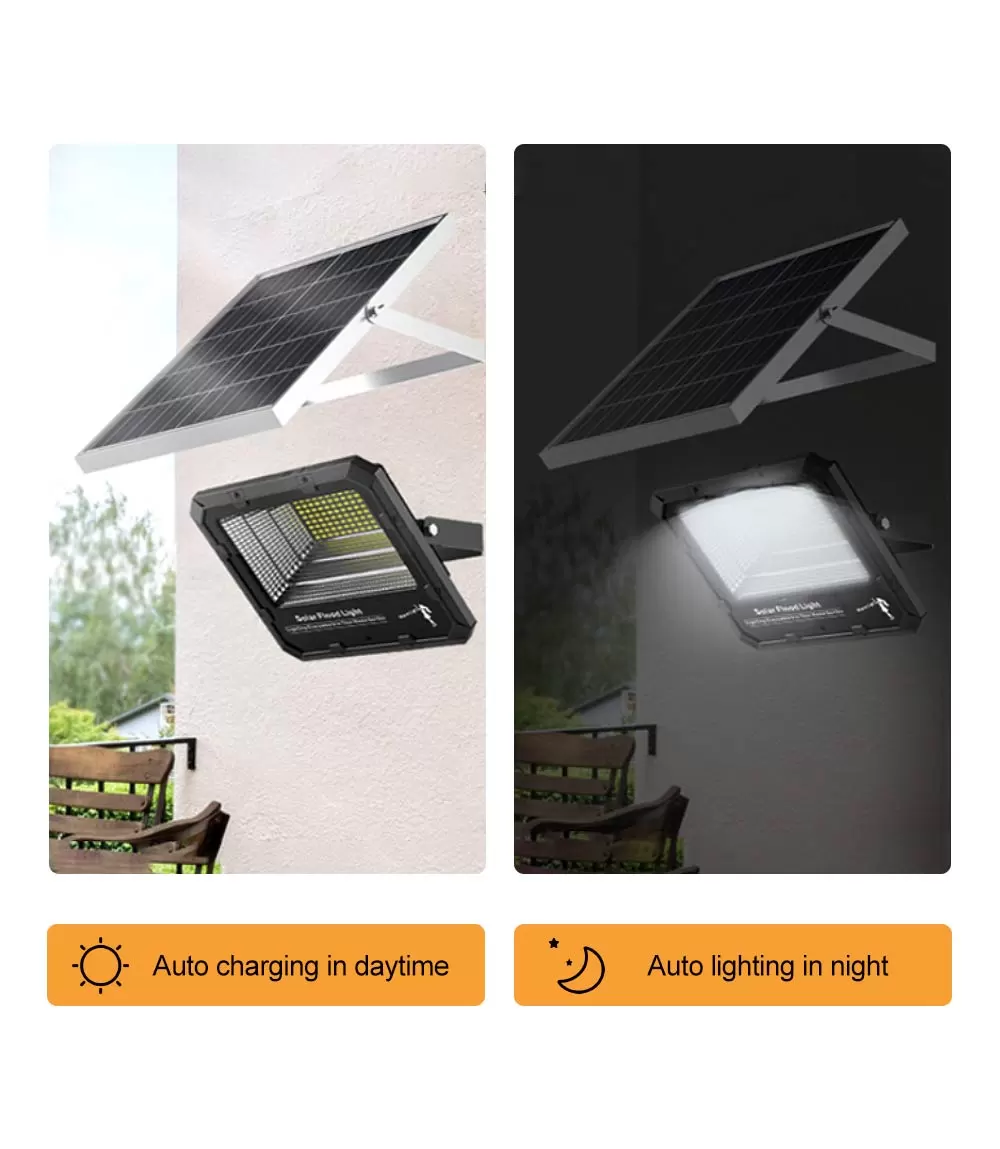
In solar outdoor flood lights, adaptive discharge technology further improves the efficiency of solar outdoor flood lights by dynamically adjusting energy output based on real-time conditions. When ambient light levels drop, built-in sensors automatically adjust the brightness of the LEDs to provide the most suitable brightness while conserving battery power. This intelligent discharge system not only ensures that the lights operate efficiently but also extends the battery’s overall life by preventing over-discharge. Thus, the system can achieve a balance between performance and life.
The fast charging function allows these systems to charge quickly during the day, ideal for areas with higher energy demands. This forms a powerful energy cycle supporting long-term lighting. Even in places where sunlight is less stable, users can rely on solar outdoor floodlights to provide stable performance.

Automatic Brightness Sensing and Energy Output Regulation for Solar Outdoor Flood lights

Automatic brightness sensing is critical in outdoor environments, where natural light levels can change rapidly due to cloud cover, time of day, or seasonal changes. With this technology, solar outdoor floodlights can dynamically adjust their brightness, increasing output when ambient light is low and reducing output when natural light is abundant. In addition to saving saving energy, the automatic brightness sensing feature also helps extend battery life. The system prevents over-illumination during periods when full brightness is not required, minimizing wear and tear on the LED components and batteries. This technology can also continuously monitor the surrounding environment through sensors and feed this information back to the control system, which then adjusts the power supplied to the LEDs accordingly. Automatic brightness sensing offers benefits beyond energy saving. The technology enhances the user experience by providing a more comfortable and visually appealing lighting environment.

Adaptive discharge technology

Durable design with integrated aluminum alloy and heat dissipation

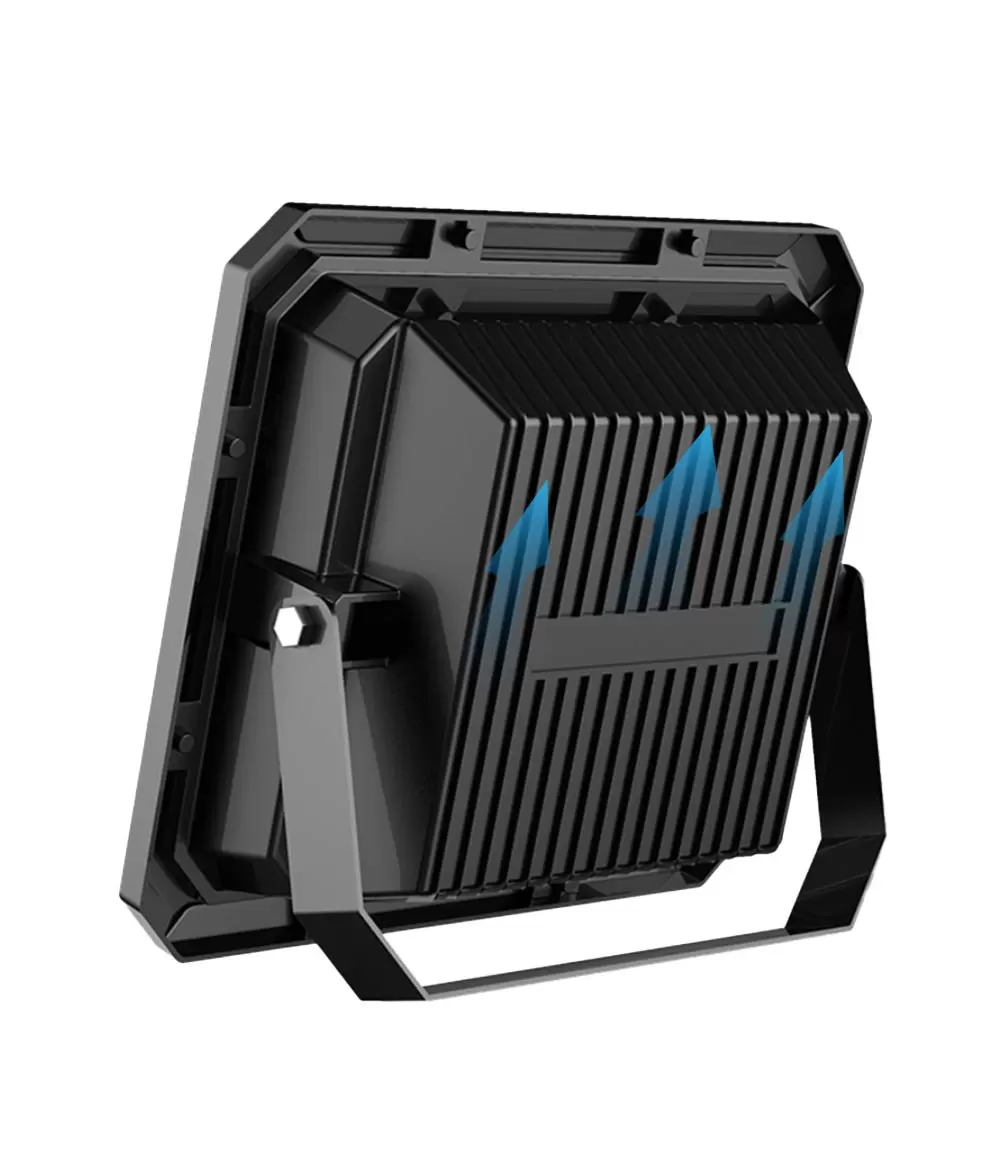
Because it is an outdoor light, BARANA integrates thickened aluminum alloy in the durable design, combined with a specialized heat dissipation design. In the construction of solar outdoor floodlights, thickened alloys can effectively protect sensitive internal components, such as high-brightness LED lamp beads and solar panels, from physical shock, moisture, and other harsh environmental factors. This resilience is essential to ensure that floodlights operate efficiently over many years of use. In addition to the structural advantages, aluminum alloys can play a good role in heat dissipation.

High-brightness LEDs and other electronic components generate heat during operation, and if not effectively managed, this heat can cause performance degradation or premature failure. The unique heat dissipation design integrated into these floodlights allows for efficient thermal management by conducting heat away from the core components. Not only does it help maintain consistent brightness and energy efficiency, but it also extends the system’s overall life by preventing overheating and thermal degradation.

Durable design with integrated aluminum alloy and heat dissipation

Bring sustainability to your home outdoor lighting.

As part of a sustainable lighting solution, solar outdoor flood lights combine imported high-brightness LED lamp beads, high-efficiency solar panels, fast charging capabilities, and intelligent automatic brightness sensing with durable design features to provide unparalleled efficiency, reliability, and aesthetics. By designing every aspect with both functionality and sustainability in mind, this holistic approach not only meets the urgent needs of users.

How to reduce energy costs in North America through Sustainable solar energy solutions?

Data from the U.S. Energy Information Administration (EIA) shows that residential electricity prices in the United States have increased by 15% since 2020, driven by aging infrastructure and volatile fossil fuel markets. Electricity prices continue to rise in many areas, mainly due to maintenance issues, supply chain uncertainties, and the hidden costs of outdated systems. Against this backdrop, homeowners and businesses are increasingly looking for sustainable solar energy solutions that are both reliable and provide long-term cost savings.

The Economic Problem of Energy in North America

Parts of North America are vulnerable to extreme events, and outdated infrastructure and dependence on fossil fuels lead to frequent power outages and soaring electricity bills. For example, when wholesale electricity prices in Texas soared 400% during a winter storm, millions lost power and suffered an estimated $130 billion. Similarly, rolling blackouts in California during a heat wave highlighted the fragility of the current energy system. A sustainable solar energy solution is a viable alternative. By harnessing sunlight, homes can reduce their reliance on the grid, stabilize energy costs, and help meet carbon reduction targets. Solar power provides a reliable power source and protects consumers from the volatility of fossil fuel markets.

The-Economic-Problem-of-Energy-in-North-America-scaled

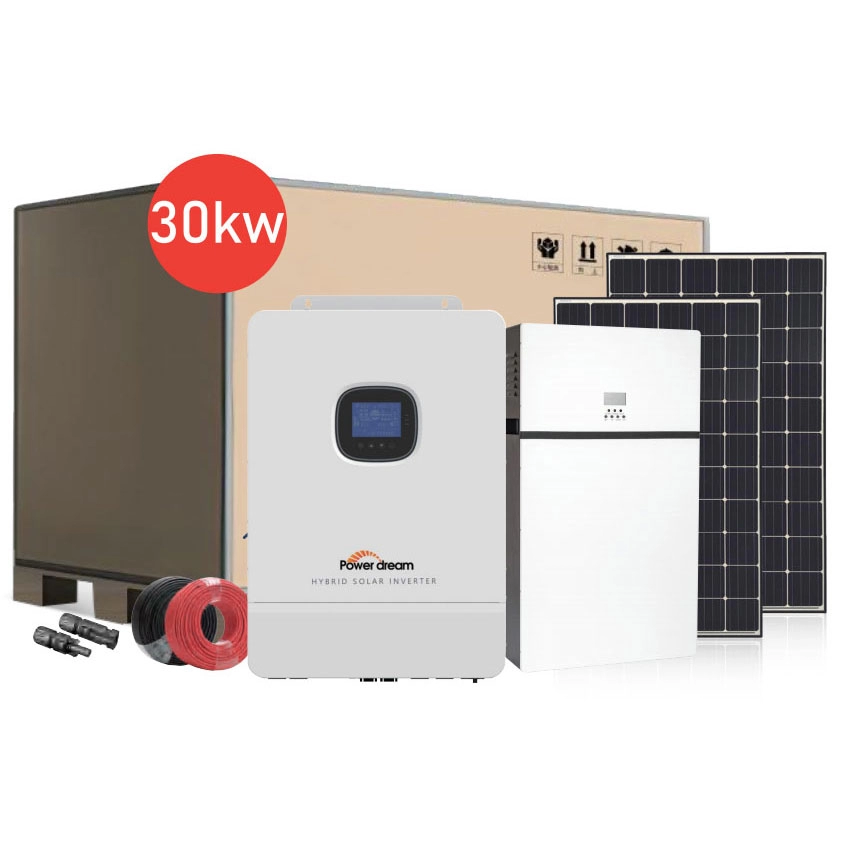
Sustainable Solar Energy Solutions: PowerDream Residential Off Grid PV System

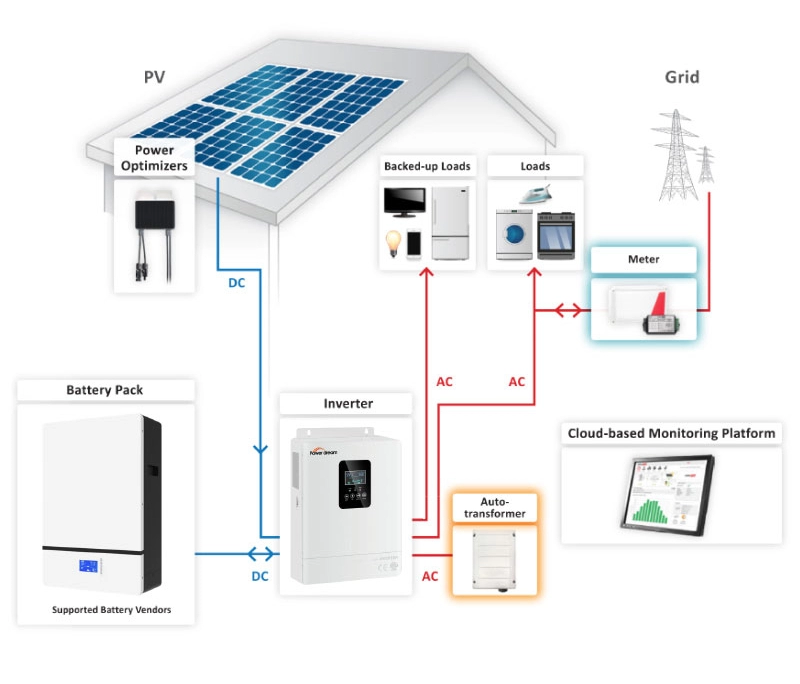
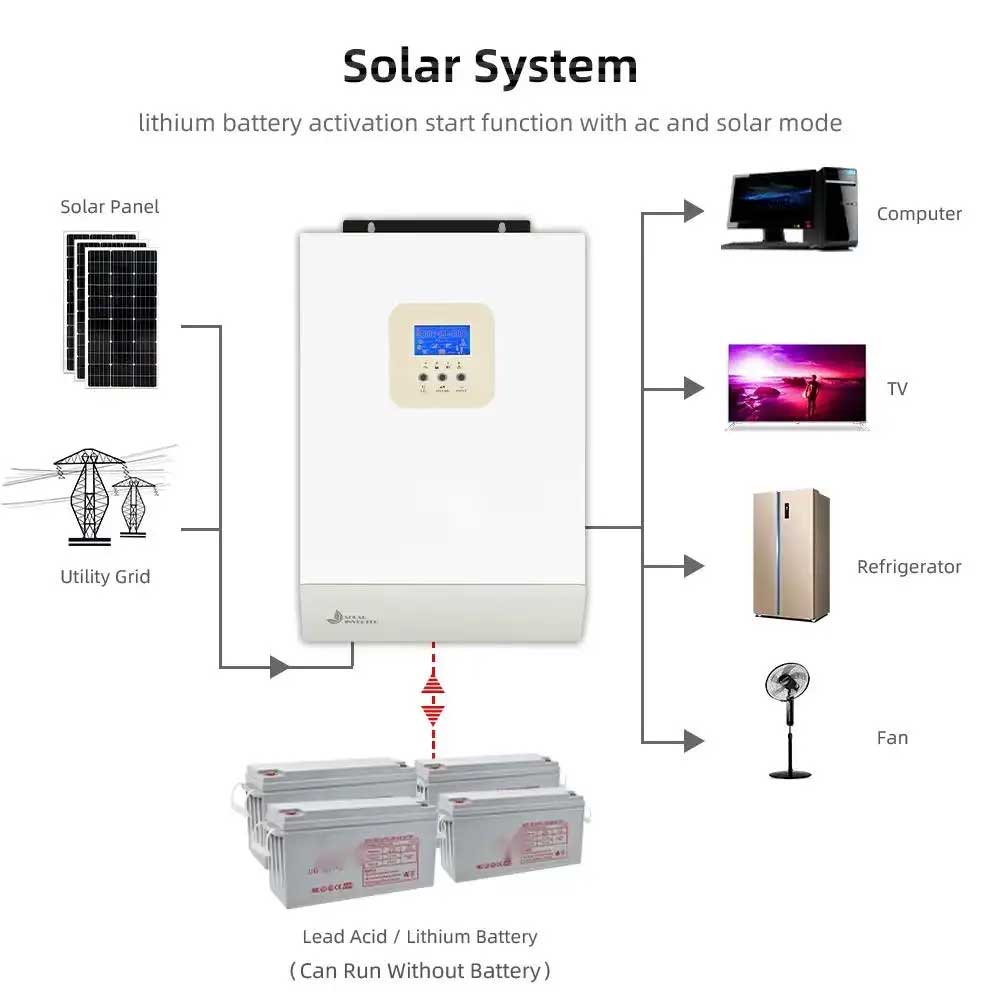
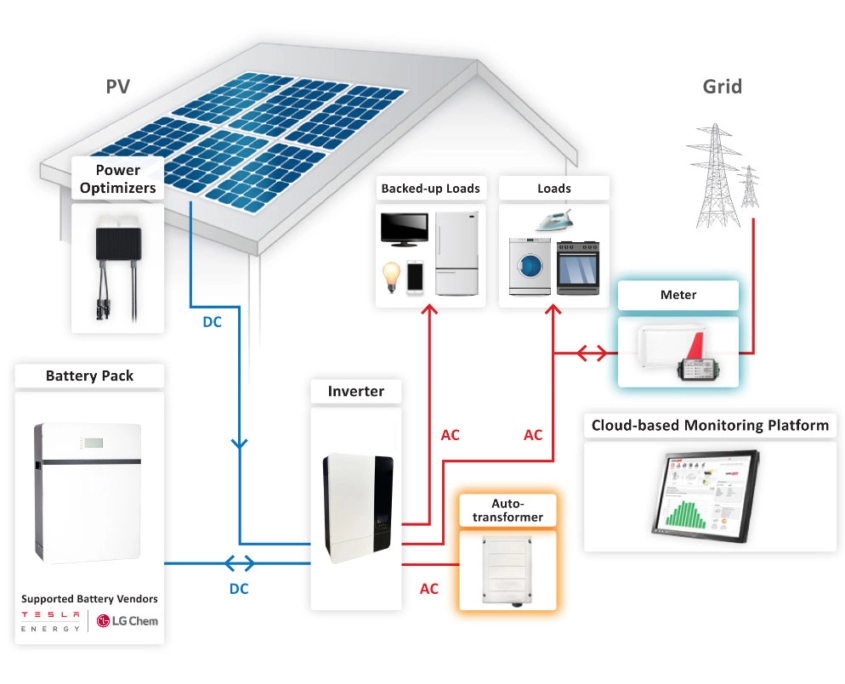
PowerDream Residential Off Grid Pv System is more than just a solar panel installation; it is a comprehensive solution that integrates all energy production and management aspects into a single, streamlined process. It combines four core components, including high-efficiency monocrystalline panels that capture maximum solar energy even in low-light conditions. The energy storage battery stores the DC power generated, and the inverter converts the DC power to AC power, making it compatible with home appliances. The inverter also supports grid interaction, allowing users to return excess energy to the utility company. And excess energy can be fed back to the grid.

BARANA will pay more attention to user-friendly installation, another key aspect of the PowerDream system. The system adopts a “plug and play” configuration. This design feature simplifies the installation process, allowing installers to safely connect the system to the home’s main AC service panel without extensive modifications. Whether the house uses a 230V or 120/240V grid voltage, PowerDream adapts to various electrical standards in North America and other regions.

Sustainable solar energy solutions

Seamless Integration of Sunlight Collection and Power Conversion

The most essential feature of sustainable solar solutions is the ability to seamlessly integrate multiple processes into one efficient system. BARANA’s PowerDream residential off grid PV system does just that by integrating sunlight collection, DC power generation, inverter conversion, and AC power utilization into one unified solution. In the initial stage of energy conversion, high-quality photovoltaic panels are used to capture sunlight. Once the solar panels convert the sunlight into DC power, the next stage is to transmit this energy to the inverter, which converts the DC power into AC power. The system seamlessly integrates it into the home power system to power the immediate load or store it for later use.

In addition, the PowerDream system is designed to ensure that all these processes operate in harmony. Through an innovative WIFI system, energy production and consumption can be monitored in real-time, and sunlight collection, power conversion, and energy distribution can be carefully coordinated.

Seamless integration of sunlight collection and power conversion

Adding value with the PowerDream system

The PowerDream system is more than just an off grid system; its inverter enables dynamic energy management by using stored solar energy during high-rate periods to avoid high grid charges. This feature alone can save homeowners hundreds of dollars per year. Additionally, excess energy is automatically sold to the grid during peak demand, maximizing revenue. In states with favorable net metering rates, such as New York, homeowners can earn substantial credits. Switch to battery power in 20 milliseconds if faced with a power outage. This ensures uninterrupted power to critical appliances, such as refrigerators and medical equipment.

Sustainable solar energy solutions tailored to any home

Energy needs vary widely across North America. For example, a suburban Arizona home may require 10 kilowatts of power per day, while a rural Canadian home may require 15 kilowatts for heating. Our PowerDream system addresses growth in demand with modular battery packs, expanding storage from 10 kWh to 40 kWh and more. Panel flexibility throughout the system enables adding up to 20 panels without upgrading the inverter. This allows homeowners to start small and expand their system as their budget allows. The system also supports hybrid operation, combining solar with grid or generator power during extended periods of cloudiness. This ensures reliable operation even in areas with less sunlight.

Solving Energy Problems and Achieving Energy Freedom

BARANA’s PowerDream system offers affordability, reliability, and adaptability beyond traditional solar products. No matter where you are, our sustainable solar solutions provide a tangible path to energy independence and cost savings, resulting in lower energy costs and greater energy self-sufficiency.

Providing a complete home solar power system for every homeowner

Several factors drive the growing interest in complete home solar power system. First, the rapidly falling cost of solar panels and related technologies has made solar installations more accessible. Second, with growing awareness of environmental issues and the push for renewable energy, more homeowners are choosing solar to reduce their carbon footprint.

At its core, a home solar power system is designed to capture sunlight, convert it into electricity, and store excess energy when the sun isn’t shining. This self-sufficient system typically includes solar panels, inverters, battery storage, charge controllers, and the necessary wiring—all integrated and working together seamlessly. The system is designed to meet the average home’s energy needs, whether powering essential appliances, lighting, or an electric vehicle. What’s unique about this approach is its flexibility: homeowners can scale up the system as their energy needs grow, ensuring the solution is both future-proof and adaptable.

Understand Energy Needs to Customize a Complete Home Solar Power System

Every home has unique energy needs, depending on its size, location, and lifestyle. BARANA begins by conducting a detailed energy audit to determine the homeowner’s daily consumption patterns. For example, a home in Arizona with a pool pump and air conditioning might need a 12kW system, while a smaller home in Oregon might only need 6kW. Our engineers use satellite imagery and AI-driven software to analyze roof orientation, shadows, and local weather patterns. This data ensures the complete home solar power system is optimized for maximum efficiency. In a recent project in Florida, this approach increased annual power generation by 22% compared to a generic installation.

complete home solar power system 1-2

Solar Panels: The Heart of a Complete Home Solar Power System

BARANA’s high-efficiency solar panels are designed to withstand various climates, from desert heat to coastal humidity. Using M10 monocrystalline cells, our panels are 22% efficient—15% higher than the industry average. We offer bifacial panels for homeowners with limited roof space that capture sunlight reflected from surfaces such as snow or light-colored roofs. In Colorado, one customer used this technology to gain an additional 18% in winter power generation. All panels come with a 30-year performance warranty, ensuring long-term reliability as part of your home solar power system. Additionally, BARANA’s panels feature an anti-reflective coating and self-cleaning surface to reduce maintenance and maximize energy capture. In dusty areas, these features have increased efficiency by 10%.

Solar Panels 5-1

Energy Storage Solutions: Ensuring 24/7 Power

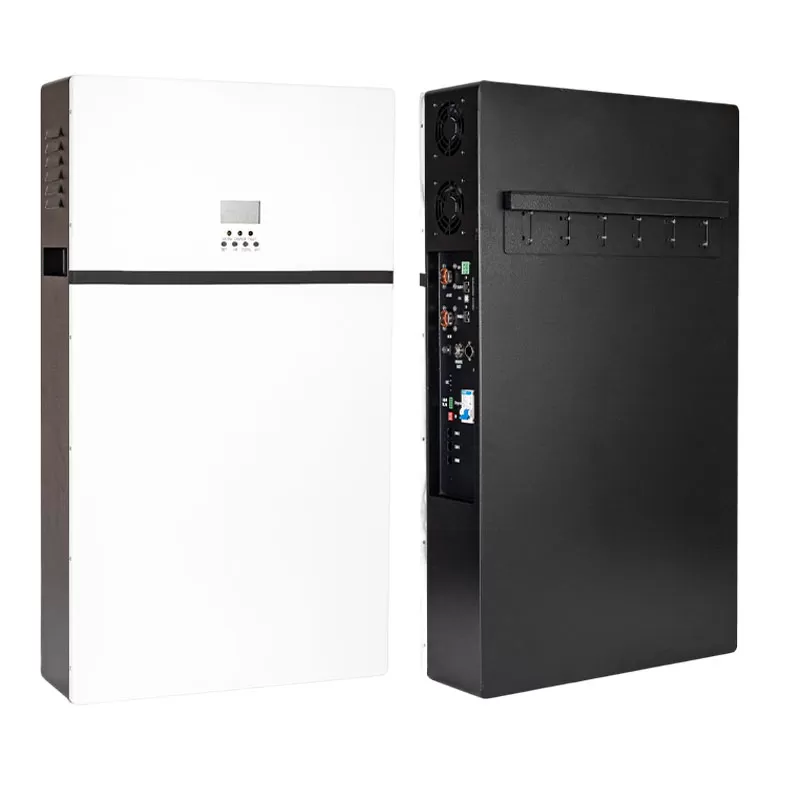
Batteries are critical to energy independence. BARANA’s battery systems provide safe, long-lasting storage with a 10-year lifespan. They can power essential loads (e.g., refrigerators, medical equipment) during power outages and reduce grid reliance during peak hours. In Texas, where grid instability is typical, one homeowner paired a 10kWh battery with solar panels. During a winter storm, the system powered their home for 3 days while neighbors faced power outages. Our batteries also feature intelligent load management to prioritize energy use based on real-time demand. BARANA’s storage systems are designed for scalability. Homeowners can start with a single battery and add more as energy needs grow.

Energy Storage Solutions

Smart Inverters: The Brains of the Entire Power Generation System

BARANA’s smart inverters convert DC power to AC power and optimize energy flow between panels, batteries, and the grid. Using machine learning algorithms, these inverters can predict usage patterns and adjust operations accordingly. For example, a homeowner in California reduced his electricity bill by 40% using our inverter’s Time-of-Use Optimization feature, which stores solar energy when electricity prices are low and releases it when prices are high. The system also provides real-time monitoring through a mobile app, giving homeowners complete control over their home solar system. At the same time, our inverters also support on-grid and off-grid modes, allowing homeowners to seamlessly switch between the two modes and maintain power supply without manual intervention during frequent power outages.

Seamless Installation, Easy Delivery

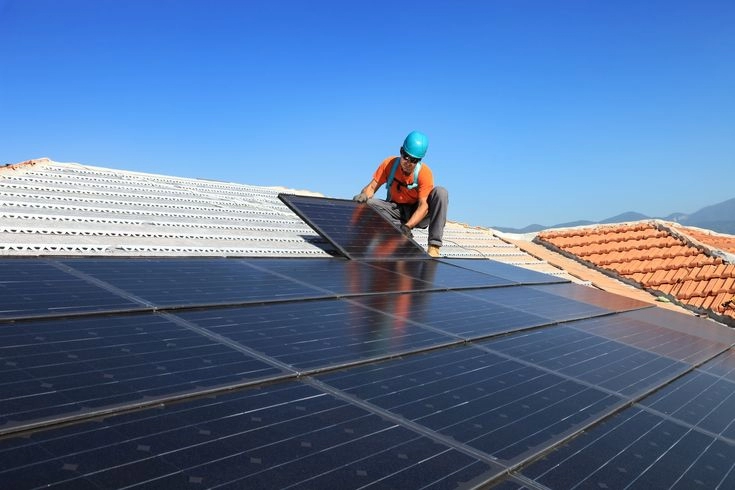
BARANA’s certified technicians handle everything from permits to final inspections. Our modular mounting system works on any roof type without requiring structural modifications. We installed low-profile panels in a historic Boston neighborhood that blend seamlessly with the slate roof. Thanks to pre-assembled components and drone-assisted surveying, the process took just 3 days. After installation, homeowners receive a personalized maintenance plan to keep the system running smoothly. BARANA’s installation team follows NEC standards and conducts thorough post-installation testing to ensure safety and compliance. This includes checking for proper grounding, verifying inverter settings, and securing all connections.

Ultimately

A complete home solar power system is more than just solar panels on your roof; it’s a custom solution that lets homeowners control their energy future. BARANA’s design, technology, and economics expertise ensure that each system is reliable, cost-effective, and sustainable.

How to build a resilient Off grid solar power system for a remote research station?

Remote research stations require an energy solution that is both self-sufficient and resilient. Far from traditional power grids, off grid solar power system are often the best, and sometimes the only, option for ensuring continuous, reliable power. At remote research stations, energy needs can vary from running sensitive equipment to powering communications systems and essential lab instruments, and systems must be robust enough to handle fluctuations while being energy efficient. Resilience in this context means more than just having a backup power source. It encompasses a complete design approach that includes redundancy, intelligent energy management, and regular monitoring to ensure the system continues operating optimally over time.

Evaluating the Energy Needs of a Research Station: The Basics of an Off Grid Solar Power System

Designing an off grid solar power system for a remote research station begins with an accurate energy audit. Facilities at research stations often have energy-intensive equipment—spectrometers, chillers, communications arrays—that require stable, uninterrupted power. For example, an Arctic climate station might require 50kWh/day of power to keep lab equipment, heating, and satellite uplinks running during the polar night.

BARANA’s approach combines load analysis and seasonal usage simulation to account for variables such as equipment duty cycles, extreme temperatures, and changes in sunlight. Using IoT-enabled meters, we can track real-time consumption patterns over 30 days to identify peak loads and standby power consumption. Engineers can use this data to determine the size of solar arrays, battery capacity, and redundancy planning in off grid solar power systems, ensuring the system withstands daily operations and extreme conditions.

Off-grid Home Solar System 2-2

Solar Panel Array Design in Off Grid Solar Power System

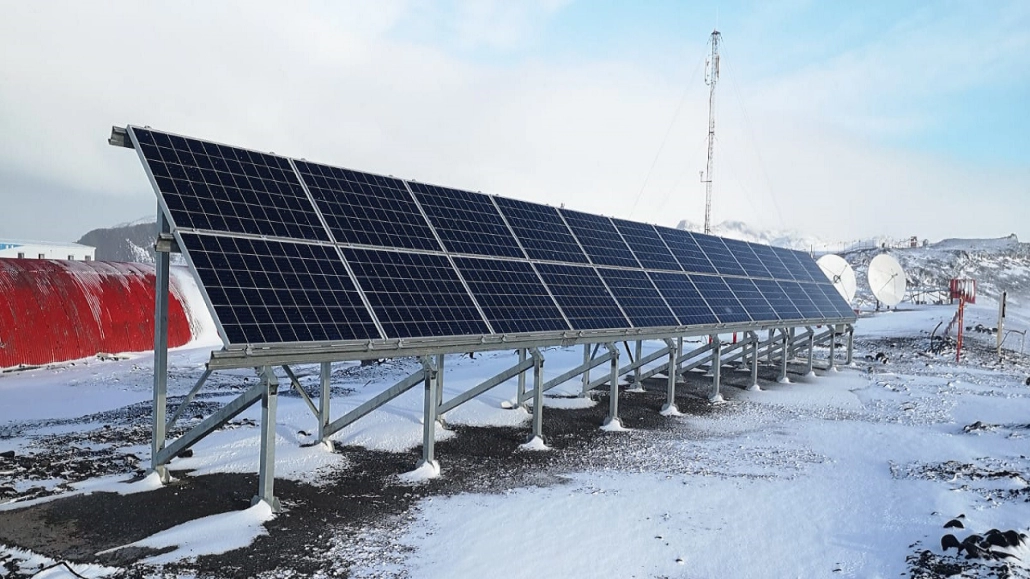
Remote research stations face unique problems and challenges: snow accumulation, dust storms, or low-angle sunlight. BARANA’s off-grid solar systems use tilt-adaptive, corrosion-resistant panels paired with bifacial modules to capture reflected light. In Antarctica, our bifacial panels produce 18% more energy in the summer by collecting light reflected from snow. In storm-prone regions, engineers mount panels on hurricane-grade trackers and store them horizontally during high winds. The modular design allows for rapidly replacing damaged units—which is critical when research stations are months away from supply lines. In addition, self-cleaning coatings can reduce dust-related efficiency losses by 40% in desert environments such as the Sahara.

Solar panels in Antarctica

Installation and Assembly Techniques

Installing a resilient off grid solar power system requires careful attention to detail during the installation and assembly phases. Even the best components will perform poorly if not installed correctly, especially at remote research stations with prevalent environmental challenges. When installing solar panels, the first step is to choose the correct mounting structure. Fixed-tilt mounts are a common choice for off grid solar systems, which is a simple and effective way to optimize the angle of the panels relative to the sun. However, in areas with significant seasonal changes, engineers use adjustable mounts to fine-tune the orientation of the panels throughout the year.

Once the mounting structure is in place, technicians precisely position the panels to minimize shading from nearby objects and maximize exposure to sunlight during peak hours. The process also involves securing the wiring and connections between the solar panels, charge controller, battery, and inverter. Technicians ensure proper grounding and use surge protection devices further to protect the system from lightning strikes or power surges.

Installation and Assembly Techniques 1

Maintenance, Monitoring, and Resilience Strategies

Once technicians install the off grid solar power system, they conduct ongoing maintenance and monitoring to ensure its long-term reliability and performance. Regular maintenance begins with routine inspections of the solar panels, wiring, and mounting structure. Dust, debris, or snow accumulation can significantly reduce panel efficiency, so regular cleaning is recommended. Maintenance plans should be adjusted to the site’s environmental conditions. A robust monitoring system is also essential. BARANA’s off-grid solar power system has sensors and smart controllers to track real-time power generation, battery charge levels, and overall system health. This continuous monitoring enables early detection of abnormalities and helps to take corrective measures promptly.

Ultimately

Building a resilient off grid solar power system for a remote research station requires more than solar panels and batteries. It also requires comprehensive planning for extreme environments, energy diversity, and intelligent controls. BARANA’s engineering solutions have been proven in deserts and ice caps, allowing scientists to focus on discovery without worrying about power issues.

How to solve the power fluctuation problem in On Grid Solar System?

A combination of external factors and internal inefficiencies often causes power fluctuations in the on grid solar system. Grid voltage variations, rapid changes in weather conditions, and sudden changes in load demand can all lead to inconsistent power output. In addition, issues related to inverter performance, improper wiring, or suboptimal system design can exacerbate these fluctuations. Understanding these challenges is the first step to implementing a robust solution. Our approach includes a detailed analysis of the system’s performance parameters and integration of advanced control technologies that help stabilize power delivery when external conditions change. In this article, we explore the multifaceted nature of power fluctuations in on grid solar systems and share the technical strategies BARANA has adopted to address these issues.

Causes of Power Fluctuations in on grid solar system

On grid solar systems are designed to deliver power directly to the utility grid, but their output can fluctuate due to sudden cloud cover, shadows, or equipment inefficiencies. These changes can destabilize the grid and cause voltage spikes or dips that can trigger protective outages. Internal factors also play a role. For example, the performance of the inverter is critical. If the inverter cannot operate at peak efficiency due to aging components, calibration issues, or software glitches, the system may experience power fluctuations. In addition, improper wiring or poor connections can cause resistive losses and voltage drops, further destabilizing the system. Another internal issue is dynamic load management within the facility. The on grid solar system may have difficulty maintaining consistent voltage levels if energy consumption suddenly surges. In addition, fluctuations in ambient temperature can affect the efficiency of solar panels and inverters, causing power fluctuations in output changes.

Causes of Power Fluctuations in on grid solar system

Smart Inverters: Stabilizing On grid solar systems

Conventional inverters convert DC to AC, but smart inverters can actively stabilize power flows. They can regulate voltage, adjust the output voltage to within ±2% of grid requirements even during rapid sun declines, detect grid frequency deviations and inject reactive power to balance the load. At the same time, slope control can limit power output changes to <10% per minute to prevent sudden surges. For example, after upgrading to BARANA inverters at a California solar park, grid instability events were reduced by 75%, maintaining seamless integration under partial shading conditions. In addition to these features, BARANA’s smart inverters are equipped with machine-learning algorithms that analyze historical data to predict and mitigate potential fluctuations. This predictive capability improvesgrid stability and extends inverter life by reducing thermal stress caused by frequent power adjustments.

Buffering with Energy Storage Systems

Energy storage systems can act as a shock absorber for fluctuations in on grid solar systems, storing excess energy and capturing excess solar energy during peak production periods for use during troughs. They can also provide instant power, discharging within 20 milliseconds to fill gaps caused by cloud cover. At the same time, optimizing grid interaction sells stored energy during high-price periods, improving return on investment.

BARANA’s energy storage systems also feature modular scalability, allowing users to expand storage capacity as energy demand grows. This mainly benefits commercial and industrial applications where energy needs vary greatly. In addition, intelligent charge controllers continuously monitor battery health and optimize charging and discharging cycles to maximize battery life. This ensures that the storage system remains reliable and cost-effective over the long term.

home-battery-storage-5

Dynamic Voltage Regulation in On grid Solar Systems

Voltage spikes generated by fast solar surges can damage grid equipment. BARANA’s Dynamic Voltage Controller automatically adjusts voltage levels in 0.5% increments via tap-changing transformers, injects reactive power to stabilize line voltage via static VAR compensators, and uses harmonic filters to eliminate waveform distortion caused by inverter switching.

BARANA’s DVC is also equipped with self-diagnostics that continuously monitor the health of the voltage regulation system. If any component shows signs of wear or failure, the system can alert maintenance teams before a failure occurs. This predictive maintenance feature not only reduces downtime but also reduces operating costs by avoiding expensive emergency repairs.

Employ Grid-Friendly Curtailment Strategies

When solar generation exceeds grid capacity, controlled curtailment prevents overloads. BARANA’s PowerFlow Manager enables preferential load dispatch, shifting excess energy to onsite storage or secondary loads. Gradually reduce output with soft ramp-downs instead of abrupt shutdowns. Perform revenue protection to redirect curtailed energy to hydrogen electrolyzers or other revenue sources.

PowerFlow Manager also includes demand response integration, allowing solar operators to participate in utility demand response programs. During periods of high grid demand, the system can automatically reduce output and sell curtailed energy back to the grid at a premium. This provides an additional revenue stream and helps stabilize the grid during peak demand.

Achieving Stable Power Output

Power fluctuations in on grid solar systems are not inevitable and can be addressed with innovative design and adaptive technology. From smart inverters to predictive analytics, BARANA’s holistic approach ensures solar farms become reliable, not burdensome, grid partners. Solar can dominate the energy mix by smoothing output and maximizing grid compatibility without compromising stability.

Why is your off grid home solar system draining its batteries so quickly?

Off grid home solar systems offer homeowners the promise of energy independence and sustainability. However, a common frustration among users is rapid battery drain, a problem that can compromise the efficiency and reliability of these systems. In many cases, batteries in off-grid home solar systems lose their charge faster than expected, leading to frequent power outages and higher maintenance costs for users. This article explores why off grid home solar system batteries drain quickly and how BARANA’s advanced solutions address these challenges to ensure long-lasting performance.

At the heart of this problem lies the complexity of balancing energy production, storage, and consumption. Off grid home solar systems rely on various interdependent components: solar panels capture energy, batteries store it, and inverters convert it into usable power. Any inefficiency or imbalance in these elements can cause batteries to drain prematurely. Factors such as improper system sizing, suboptimal load management, or environmental conditions can exacerbate the problem.

Identifying Common Causes of Rapid Battery Drain in Off Grid Home Solar System

The key first step in resolving battery drain issues is understanding the root cause. In an off grid home solar system, various factors can cause batteries to discharge faster than expected. One of the main reasons is the energy mismatch between production and consumption. Batteries quickly drain when more energy is drawn from them than the solar panels can produce. This is further exacerbated during periods of low sunlight when the reduced generation cannot meet the load requirements.

Another common cause is improper system design and sizing. Assume that the components of an off grid home solar system do not match correctly. In that case, energy loss can occur at multiple stages. Environmental factors are also a significant factor in the rapid drain of batteries. Extreme temperatures, especially high temperatures, can accelerate battery degradation, reduce charging efficiency, and even trigger thermal runaway in severe cases. Humidity and dust can affect the overall performance of the solar panel and battery connection, causing efficiency to drop further.

Innovative Solutions to Prevent Battery Drain in Off Grid Home Solar Systems

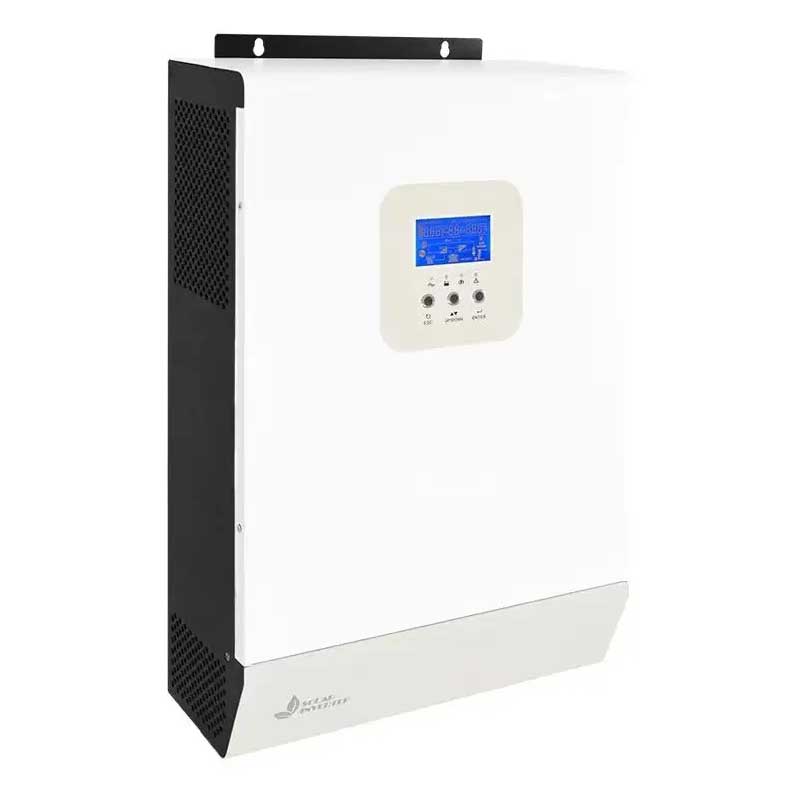
One of the cornerstone solutions we offer is using high-efficiency charge controllers that precisely manage the charge and discharge cycles of the battery. These controllers are carefully designed to ensure the battery is charged optimally, preventing overcharging and deep discharge, two common causes of accelerated battery degradation. In addition, our systems use intelligent inverters to maximize energy conversion efficiency and reduce losses during the power conversion process. By maintaining a balance between energy production and storage, BARANA’s off-grid home solar system ensures that the batteries are not overly stressed.

In addition, our innovative energy management software is designed to monitor real-time energy consumption and production. The software automatically adjusts load distribution, scheduling high-demand tasks during peak solar generation periods and even temporarily shedding non-essential loads during periods of low generation. This dynamic approach to energy management minimizes unnecessary battery drain and ensures that stored energy is used as efficiently as possible to avoid rapid battery drain.

solar inverter (3)

Managing Energy Consumption and Load Efficiency

Effective energy management is fundamental to maintaining battery health in an off grid home solar system. One of the most common reasons for rapid battery drain is inefficient load management when energy consumption patterns are inconsistent with the system’s energy production capabilities. In many cases, users may unknowingly run high-power appliances when the solar panels are not producing optimal energy. This mismatch causes the battery to be forced to deliver energy at a rate that exceeds its optimal discharge capacity, accelerating wear and shortening its overall lifespan.

BARANA’s off grid home solar systems are intelligently scheduled to improve load efficiency. Homeowners can take advantage of higher energy production during these times by shifting energy-intensive activities to peak sunlight hours. Intelligent energy management systems can monitor real-time consumption and generation data. These systems can automatically adjust loads or provide recommendations to homeowners, ensuring energy is optimized. By managing energy consumption this way, the system can prevent unnecessary battery drain and extend the battery storage life.

off grid solar power system 1-3

The Role of Battery Maintenance and Environmental Management

Even the most advanced off grid home solar systems can quickly deplete batteries if they are not properly maintained or are exposed to adverse environmental conditions. Regular battery maintenance is essential to ensure that the storage system operates at peak efficiency and that the batteries provide reliable performance over their expected lifespan.

One of the key aspects of battery maintenance is monitoring the state of charge and depth of discharge (DoD). Operating a battery at extreme levels will reduce overall capacity and shorten lifespan. BARANA recommends implementing a rigorous maintenance schedule that includes regular monitoring of these parameters using digital battery monitors. Such systems provide real-time data and alerts to ensure that the battery is not over-discharged or over-charged. In addition, climate control features and insulation measures are implemented to help maintain the battery’s optimal operating temperature. Regular cleaning and inspection of battery terminals and connections ensure all components are in optimal condition.

Future trends that will have a long-term impact on battery efficiency

Future trends in the solar product space include greater integration of artificial intelligence and machine learning into energy management systems. These technologies will enable more precise control of battery charging cycles, energy consumption patterns, and predictive maintenance programs. By analyzing large data sets generated by IoT sensors, AI-driven systems can optimize various aspects of energy flow.

Another promising development is the advancement of battery technology. As research continues, batteries with higher energy density, faster charging, and longer life are expected to emerge. These next-generation batteries will complement our existing systems and further alleviate the problem of rapid battery depletion. BARANA is committed to adopting and integrating these innovations to ensure they remain efficient and reliable.

Improving overall off grid solar system efficiency

Rapid battery depletion is a multifaceted challenge affected by energy mismatch, system design, environmental conditions, and component quality. BARANA’s technical expertise and innovative solutions address these challenges comprehensively, from optimizing energy consumption and implementing advanced monitoring and diagnostics to integrating state-of-the-art charge controllers and thermal management systems to maximize battery efficiency and improve overall system performance.