What should I keep in mind when using an off grid solar home system for the first time?
First-time users of off grid home solar system often assume the experience will be identical to using the utility grid. In reality, however, the two are quite different. The most immediate distinction is that an off grid system is not merely a power source; it is also an energy management system that requires users to consider factors such as usage timing, battery reserves, weather conditions, and appliance usage priorities. For first-time users, provided they select an appropriately sized system, ensure correct installation, and adhere to a few basic operating guidelines, most homeowners can adapt very quickly.
Understanding the Intended Purpose of Off Grid Home Solar System
The first thing to understand is that every off grid home solar system is designed based on a specific load profile. While it can easily power certain appliances, it cannot simultaneously supply power to all appliances. First-time users often assume that since the system runs on solar power, it can operate with the same unlimited capacity as a utility grid connection. This is not the case; their operation depends on the amount of available sunlight, the capacity of the battery bank, and the rated power output of the inverter.
A well-designed off grid solar system can typically meet basic electricity needs quite effectively, such as LED lighting, fans, televisions, mobile phone charging, small refrigerators, and similar devices. If the system is appropriately sized, it can also support water pumps, laptop computers, and certain laundry appliances. Therefore, before you begin using the system for the first time, make a list of your most important appliances and identify which ones are truly essential. This simple practice helps first-time users establish realistic expectations.
The Three Core Components of an Off Grid Home Solar System
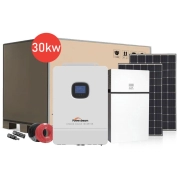
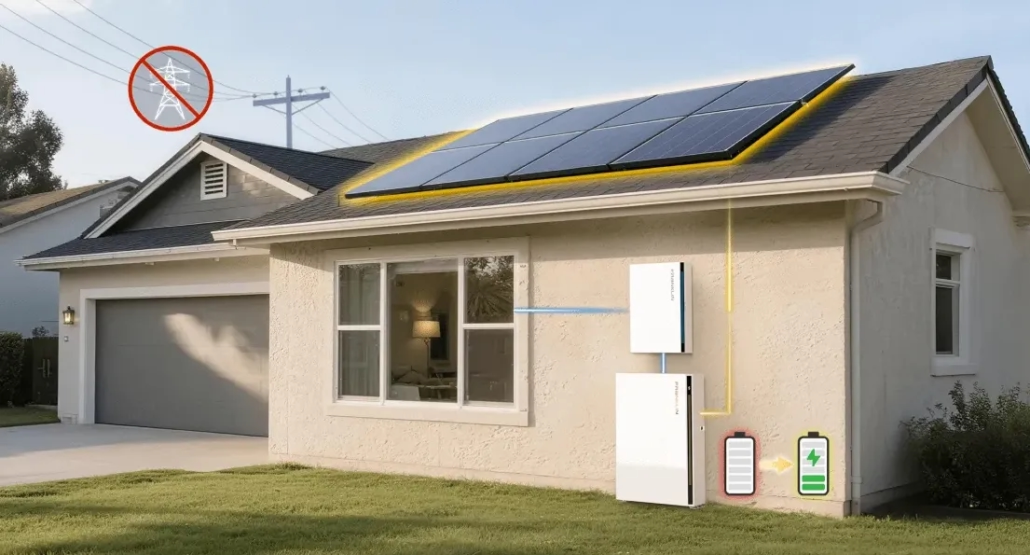
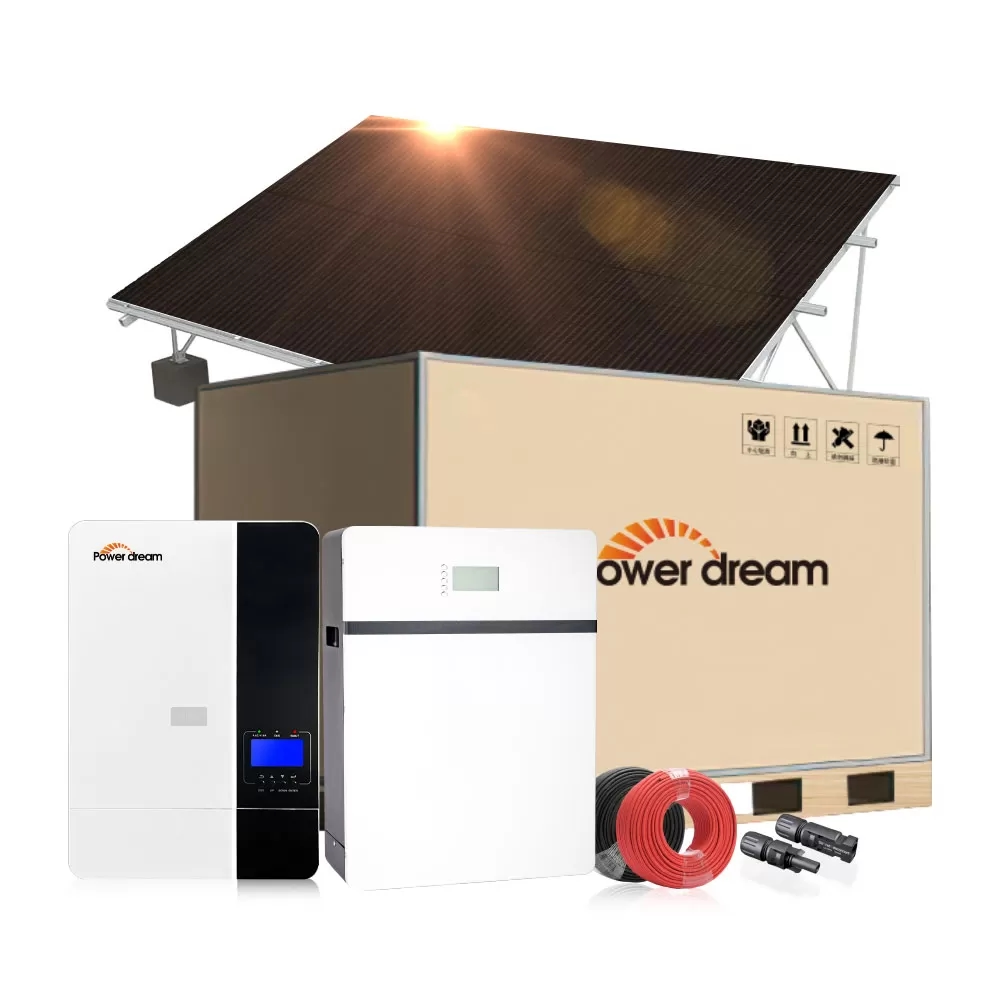
A reliable off grid home solar system consists of three core components, each serving a distinct function. Solar panels collect sunlight and convert it into electrical energy. Batteries store this electrical energy for later use. The inverter converts the stored DC energy into AC, the type of electricity that household appliances can utilize. Once you understand how these three components work together, you will find that managing the system becomes much easier.
Solar panels generate the most power during the day when sunlight is strongest particularly on sunny, clear days. When sunlight diminishes, such as during the late afternoon, at night, or on overcast days, the batteries take over to supply power. The inverter acts as the bridge between the energy storage system and your household appliances. It must possess sufficient capacity to support the appliances running simultaneously. If the inverter’s capacity is too low, it may trip even if the batteries still hold a charge. If the battery capacity is too small, the lights may continue to shine for a while, but the system will quickly run out of power. Conversely, if the solar panel capacity is insufficient, the battery may fail to fully recharge on a daily basis.
For first-time users, this checklist serves as a useful guide for reviewing your usage habits:
- Check the battery charge level every morning and evening.
- Pay close attention to any warning lights or fault indicators on the inverter.
- Only operate high-power appliances when solar power output is strong.
- Keep the area surrounding the battery and inverter clean and well-ventilated.
Daily Habits for Ensuring the Smooth Operation of an Off Grid Home Solar System
Once the system is up and running, the most critical daily habit is prioritizing your electrical loads. A common mistake made by first-time users is treating the system as if it were an inexhaustible grid-tied power supply. Doing so leads to rapid battery depletion and may cause the inverter to trip due to overloading. A better approach is to group your electrical loads by priority level.
Start by powering up essential devices: lighting, refrigeration, communication equipment, and similar necessities. You can schedule secondary devices to run later in the day. For optional appliances like irons, vacuum cleaners, and larger kitchen equipment, you should use them carefully and try not to run them at the same time as motor-driven devices. Such planning helps extend the operating duration of your off-grid home solar system during the night and minimizes unnecessary battery wear.

Proper Charging and Discharging: Protecting Your Battery
The battery is the core component of any solar system; therefore, first-time users should exercise particular care. A home solar system relies on the health of its battery to provide reliable power during the night and serve as a backup source during cloudy weather. If the battery is discharged too deeply or too frequently, its overall lifespan will be significantly shortened. Similarly, repeated overcharging will accelerate the degradation of the battery’s performance.
Modern off grid home solar systems typically utilize lithium-ion batteries, which are designed to be much easier to manage than older battery technologies. Nevertheless, it remains crucial to monitor the battery’s state of charge and avoid completely draining the battery unless absolutely necessary. Allowing the battery to fully charge during periods of abundant sunlight helps maintain cell balance and enhances long-term performance. If you are using lithium iron phosphate batteries, they are generally more tolerant of deep discharge cycles than many older battery types. Batteries thrive in stable environments; therefore, avoid exposing them to extreme heat or cold. Always store your battery in a clean, dry, and well-ventilated location.
Closely Monitor Your Off Grid Solar System During the First Month
The first month of operation is the ideal time to establish good monitoring habits for your off grid solar system. Users utilizing an off-grid solar system for the first time should regularly monitor the inverter display, battery status, and system alerts. Please do not overlook warning signs such as a rapid drop in battery charge, inverter fault notifications, or unusually low solar power generation. Detecting issues early can often prevent them from escalating into major problems later on. Sometimes the issue is simple, like when dirt builds up on the solar panels and connectors. At other times, however, it may require adjusting system settings or conducting a technical inspection.
Understanding Core Technology and Cultivating Operational Habits
For first-time buyers and users of off-grid home solar systems, the primary objective is not to master complex technical intricacies, but rather to cultivate proper daily operational habits. This process is predicated on understanding your system’s capacity, prioritizing the power supply for critical loads, and monitoring battery performance. Every component within an off-grid solar system, from the solar panels to the batteries and the inverter, must work in concert to form a cohesive energy ecosystem. Over time, operating the system will become increasingly intuitive; you will not only learn how to optimize your energy usage but also how to expand and adapt the system to meet your household’s evolving needs.