
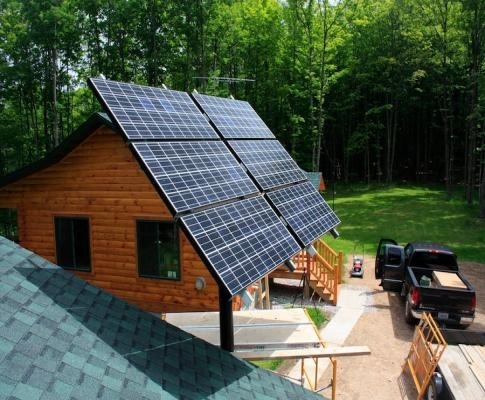
Is Professional Installation Required for a Plug-and-Play off grid solar home system?
The advent of plug-and-play off-grid solar home systems has simplified the process of using solar energy for households worldwide. This off-grid solar home system is user-friendly, modular, and quick to deploy, allowing users to generate and store energy without the complexities of traditional solar installations. Plug-and-play off-grid solar system is designed with simplicity in mind. From photovoltaic panels to inverters and lithium-ion battery storage systems, each component is pre-configured for easy connection, typically requiring only simple assembly steps and no specialized installation.
Considerations for Installing a Plug-and-Play Off Grid Solar Home System
A plug-and-play off-grid solar home system typically includes solar panels, an inverter, a battery storage system, a charge controller, installation hardware, and pre-wired connectors. You need to assemble each component correctly to ensure it delivers energy to your household appliances. Even with a user-friendly design, it’s still necessary to understand basic electrical principles, the function of each component, and the correct orientation and tilt angle of the solar panels to obtain optimal sunlight exposure. Most plug-and-play systems use MC4 connectors, pre-wired cables, and labeled terminals to reduce complexity; however, incorrect connections can still lead to system malfunctions, battery damage, and even fires. Therefore, understanding these components before installation helps with the process and allows homeowners to troubleshoot minor issues without compromising safety.
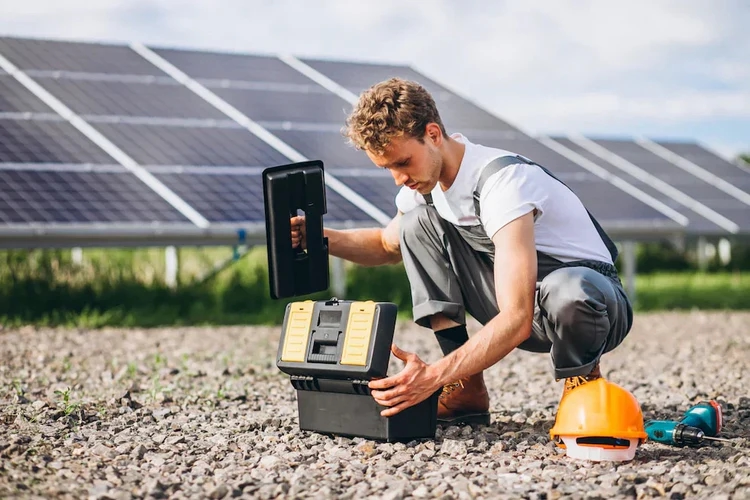
Roof Structure and Installation Considerations
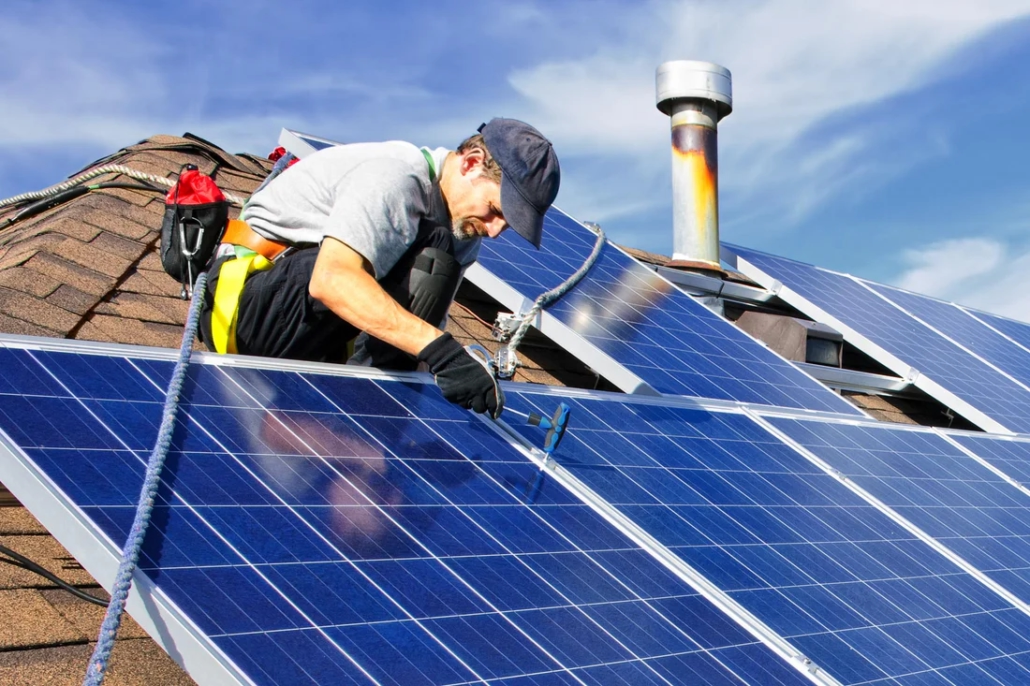
Even with plug-and-play off-grid residential solar systems, structural integrity and proper installation are crucial. The roof must be able to support the weight of the solar panels and mounting hardware, while also considering the effects of wind, rain, and snow. Professional installers check the roof slope, material type, and potential shading to securely install the panels and position them for maximum sunlight absorption. Incorrect installation can reduce energy output, accelerate panel wear, or create safety hazards during storms. While plug-and-play systems include simplified installation kits, homeowners must still verify correct alignment, use appropriate fasteners, and follow the manufacturer’s guidelines to prevent long-term problems.
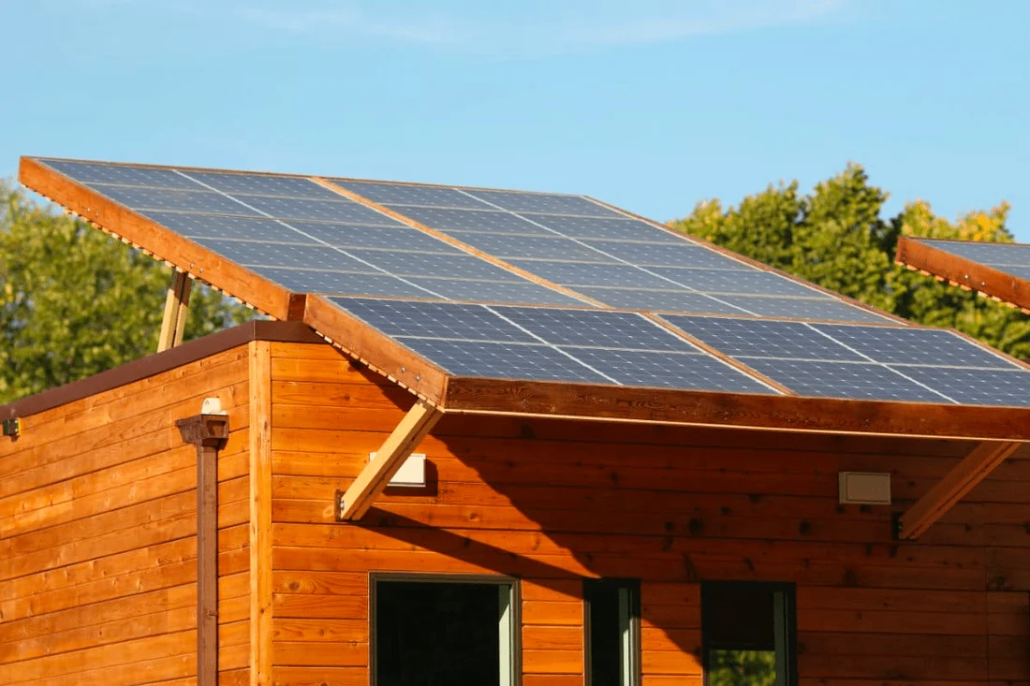
Electrical Safety and Regulatory Compliance
Installing a plug-and-play off-grid solar system involves managing the DC voltage of the solar panels and the AC output of the inverter. Electrical safety is paramount, as incorrect wiring or bypassing safety features can lead to electric shock, fire, or damage to household appliances. Local regulations may also require inspection or certification, especially for systems connected to a backup generator or existing wiring. Even with pre-wiring designs, ensure all components comply with local safety codes and that the system is legally connected and operates safely. Professional installers can also optimize cabling, grounding, and circuit protection to minimize energy loss and extend the lifespan of your off-grid residential solar system. While homeowners with some technical skills can install it themselves, professional involvement ensures full compliance with safety standards.
Battery Management and Lifespan
At the heart of an off grid solar system lies its energy storage device, and most off-grid systems use lithium-ion batteries. Properly connecting, configuring, and monitoring the battery pack improves safety, performance, and lifespan. Lithium-ion batteries are highly sensitive to overcharging, over-discharging, and high temperatures; even minor errors during installation can shorten battery life or cause operational problems. Professional installers ensure correct battery size, secure connections, and seamless integration with the charge controller and inverter. They can also calibrate the system for optimal performance, allowing you to monitor charging status limits and prevent damage.
Real-time Monitoring of Off Grid Home Solar System
Plug-and-play off-grid home solar systems typically feature network monitoring capabilities, enabling users to track energy production, storage status, and consumption. While these systems are simple to set up, professional installers optimize data acquisition, ensure correct network configuration, and integrate alarms for faults or performance issues. Proper monitoring ensures efficient system operation and allows users to identify and resolve problems before they impact daily use. Optimized monitoring also aids in energy planning. Homeowners can schedule high-energy-consuming appliances for peak solar power generation periods, avoiding unnecessary battery cycling and extending system life. Choosing professionals with experience balancing generation, storage, and load in real-world environments is crucial for improving system performance.
When is Professional Installation Recommended?
- Complex roof designs or challenging installation locations
- Integration with existing wiring or a backup generator
- Ensuring compliance with local regulations and inspection requirements
- Handling large systems with higher voltages or multiple battery packs
- Requires an extended warranty and requires certified installation.
Although ordinary users can install them themselves, professional installers can reduce risks, ensure system lifespan, and provide peace of mind, especially for first-time users or families with limited technical experience.

