How to design hybrid solar system using lithium solar batteries?
lithium solar batteries offer superior energy density, cycle life, and efficiency over traditional lead-acid batteries. They can achieve a faster return on investment by reducing routine maintenance and extending service life at the same time. When designing a hybrid solar system with lithium solar batteries, we will select the appropriate battery capacity and inverter configuration based on the specific use case, as well as integrate robust charging control, monitoring systems, and safety protocols. These measures allow engineers to construct robust, high-efficiency lithium solar hybrid systems through professional, data-based implementation.
Why choose lithium solar batteries over lead acid?
When designing a hybrid solar system, choosing lithium solar batteries over lead-acid batteries has several decisive advantages. It delivers 2-3 times the chemical energy density of lead-acid batteries, reducing required volume and weight by approximately 50% at equal capacity – perfect for space-constrained installations. Second, at 80% depth of discharge, lithium-ion solar cells have a cycle life of more than 6,000 times and significantly reduced life cycle costs.
In addition, the high round-trip efficiency of lithium solar batteries ensures minimal energy loss during the charge/discharge process. In contrast, the round-trip efficiency of lead-acid batteries is only 75-85%. We specify lithium ion solar batteries in all hybrid designs to maximize system uptime and minimize replacement downtime. Finally, the fast charge/discharge characteristics of lithium batteries also support energy management strategies that enable load shifting and rapid solar ramp capture, thereby enhancing the overall resiliency of the hybrid solar system.

Load Analysis and PV Array Sizing with Lithium Solar Batteries
When integrating lithium solar batteries into a hybrid system, engineers first analyze loads by identifying critical and non-critical equipment (lighting, cooling, HVAC, etc.), then calculate their daily kilowatt-hour consumption. Next, a 20% safety margin is applied and system inefficiencies are accounted for, including inverter losses (approximately 5-7%) and battery charge/discharge losses (5%). For example, using 5 peak sunlight hours per day would require sizing a 2.4 kW array, and exceeding capacity by 10-20% ensures that the lithium-ion solar array can be fully charged even in non-ideal weather. This meticulous approach maximizes energy harvesting and ensures reliable battery state-of-charge management.
Sizing the Lithium ion solar battery
Once the PV sizing calculations are complete, the next step is to select the right capacity lithium ion solar battery. For example, if the system requires 12 kWh of available storage per day and specifies 80% DoD, the nominal battery capacity must be 15 kWh. Also, determine the number of days of autonomy (typically one to two days in an off-grid design), so two days of autonomy at 12 kWh/day requires a nominal capacity of 30 kWh. I recommend using a modular battery rack starting at 15 kWh, with expansion slots for an additional 15 kWh, to enable phased capital expenditures. Finally, we consider the impact of ambient temperature on Li-ion battery performance. The hybrid solar system automatically reduces capacity by 10% in extreme temperatures (above 40°C or below 0°C) to protect battery health and extend service life.

Inverter and Charge Controller Integration
Integrating lithium solar batteries into a hybrid solar system also requires careful matching of the inverter and charge controller. First, engineers select an MPPT charge controller with a rated current 25% higher than the PV array’s maximum output – for instance, pairing a 3 kW solar array with a 4 kW controller to manage surge conditions. Second, they choose a hybrid inverter/charger supporting both grid-tied and off-grid operation, sized at 125% of peak load capacity to handle appliance surge currents. Based on this scenario, I choose a 5 kW hybrid inverter to seamlessly manage a 4 kW PV array and a 30 kWh battery pack. Supporting charging algorithms specific to lithium solar batteries on the hybrid inverter maintains optimal battery health. This integration maximizes solar self-consumption, provides seamless backup, and improves overall system reliability.
Monitoring, Control, and Safety Protocols
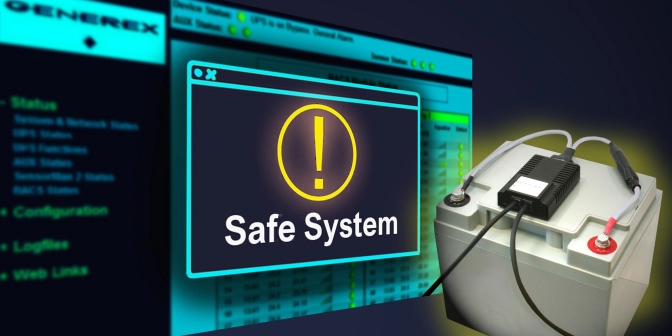
Engineers prioritize robust monitoring and safety for lithium solar batteries. The integrated battery management system not only measures SOC and voltage but also continuously tracks individual battery voltage, temperature, and health parameters. This prevents overcharging, over-discharging, and thermal runaway. We implement a remote telemetry dashboard to send alerts for any deviations, enabling proactive maintenance. Also included are AC and DC circuit breakers, overcurrent protection, and proper ventilation that comply with NEC and IEC standards. Arc fault detection devices and ground fault monitoring are used to protect the wiring system, ensuring that lithium solar battery installations are compliant, safe, and reliable under all operating conditions.
Building a perfect hybrid solar system
Lithium ion solar batteries can replace lead-acid batteries for higher autonomy and lower total life cycle costs. Hybrid solar systems built with lithium solar batteries can take into account their high energy density, longer cycle life, and excellent efficiency to meet the energy needs of customers in South Africa, Nigeria, Pakistan, and other regions.