
Tag Archive for: sustainable solar energy solution

Solar energy storage solution at Amazon rainforest research station

When it comes to powering a research station in the Amazon rainforest, traditional diesel generators pose significant logistical challenges: fuel must be transported through dense jungle trails, noise pollution disturbs wildlife, and greenhouse gas emissions impact the environment. Therefore, we proposed a sustainable solar energy solution that combines photovoltaic (PV) arrays with battery energy storage to provide reliable, quiet power. Before determining the solar energy storage solution, we evaluated the critical loads of the research station, including data servers, lighting, and communication systems. We determined a solar system that can meet nighttime needs and intermittent sunlight during the rainy season.

Solar Energy Storage Solution: Designing PV and Battery Systems

When designing an efficient solar energy storage solution for the rainforest environment, we selected bifacial PV modules suitable for tropical climates due to their sturdy frames and high moisture resistance. For example, we installed 7 kW bifacial PV modules with anti-reflective coating to improve power generation in the morning and afternoon. In addition, we utilized LiFePO₄ battery packs. We equipped them with hybrid inverters featuring built-in MPPT controllers to maximize solar energy collection and enable seamless switching between PV, batteries, and backup generators. At the same time, the system will prioritize nighttime solar power discharge and only switch to generator power when battery charge drops below 20%. This rugged design ensures the power station remains operational even in prolonged monsoon conditions.

Solar Energy Storage Solution Designing PV and Battery Systems

How to cope with environmental challenges?

Deploying solar energy storage solutions in the Amazon rainforest means overcoming challenges such as extreme heat, humidity, and wildlife interference. Therefore, we installed the battery modules in an IP65-rated enclosure equipped with a climate control system to maintain an internal temperature between 20°C and 35°C, thereby optimizing performance. Workers coat all metal brackets and conduits with anti-corrosion coatings to prevent rust in humid environments. Additionally, we installed UV-resistant cable sheathing to avoid degradation from strong sunlight. At the same time, we route the lines away from wild animals to minimize the risk of bite damage. In addition, technicians must conduct weekly inspections of door seals, check for moisture infiltration, and verify sensor readings to ensure our sustainable solar energy solutions withstand the rainforest’s harsh environment.

How to cope with environmental challenges?

Real-time monitoring and energy management in solar energy storage solutions

A significant advantage of Power’s dream solar energy storage solutions is the ability to utilize energy management software. We deployed a cloud-based monitoring platform that provides real-time dashboards of PV generation, battery charge status, and load consumption. The monitoring system immediately alerts station managers if battery voltage drops below a critical threshold. As a result, they can remotely initiate load reduction protocols to protect power to essential systems. Additionally, automated demand response scripts adjust non-critical loads, such as laboratory equipment or air conditioners, based on predicted solar input. Additionally, the system can configure custom performance reports as needed and email them daily to the technical team, enabling data-driven adjustments.

Integration with local microgrids and backup power

To maximize resiliency, the solar energy storage solution can be seamlessly integrated with the research station’s microgrid architecture. We connected the inverters to the existing diesel generator sets through load-sharing controllers, ensuring smooth switching during extended periods of cloudiness. We synchronized the phase angles of the inverters and generators to prevent surges. Additionally, we can program the solar system to operate the generator sets at optimal load only when necessary, thereby reducing fuel consumption by up to 80% per year. The microgrid also scales easily; operators can add solar or battery capacity as the research station expands. Coordinated microgrid testing and balanced power flow enable seamless switching.
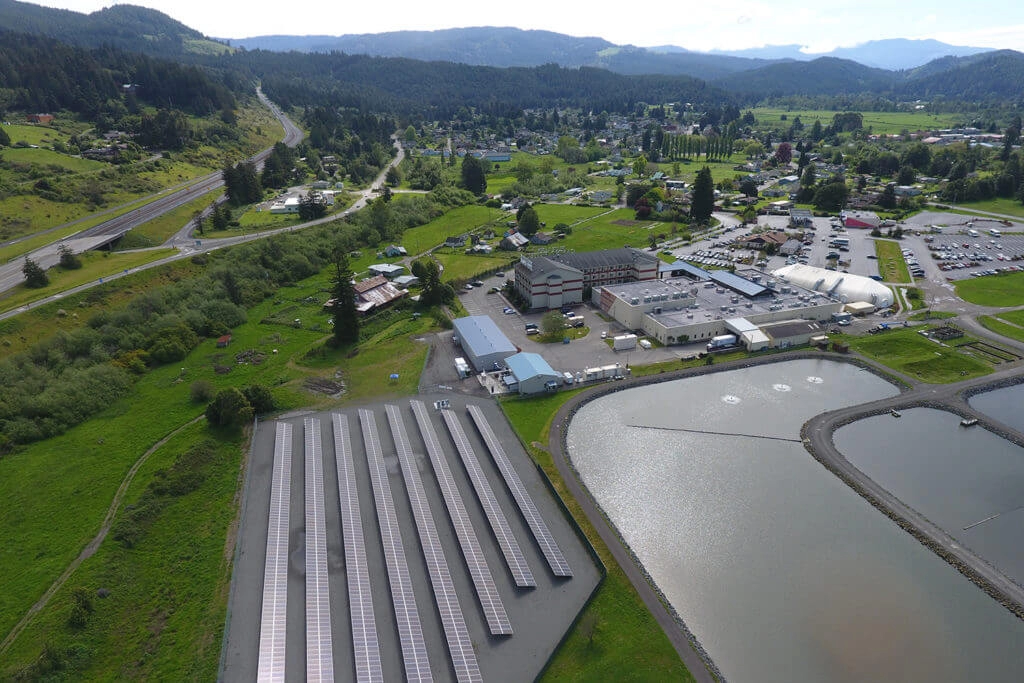
Integration with local microgrid and backup power at Amazon research station

Final commissioning, training and maintenance

The successful deployment of solar energy storage solutions requires not only hardware installation but also comprehensive commissioning, staff training, and preventive maintenance. After initial system testing, I was responsible for conducting training workshops for station technicians, covering routine inspections, troubleshooting and basic repairs. During commissioning, we conducted a full discharge test to verify the battery capacity. Following this, we provided a maintenance plan outlining monthly panel inspections, quarterly inverter firmware updates, and annual replacement of the cabinet’s HVAC unit air filters. The local team maintains a real-time digital maintenance log, ensuring transparency and accountability.

Bringing a sustainable energy supply to the Amazon Rainforest Research Station

The implementation of the solar energy storage solution at the Amazon Rainforest Research Station utilizes bifacial photovoltaics, lithium-iron-phosphate batteries, hybrid inverters, and anti-corrosion measures to construct a resilient and low-carbon power source. Additionally, remote monitoring and microgrid control enable 24/7 operation, minimizing the need for diesel backup power. For different users, we will provide customized solar energy solutions tailored to their specific needs, aiming to promote sustainability and enhance the efficiency of solar energy operations.
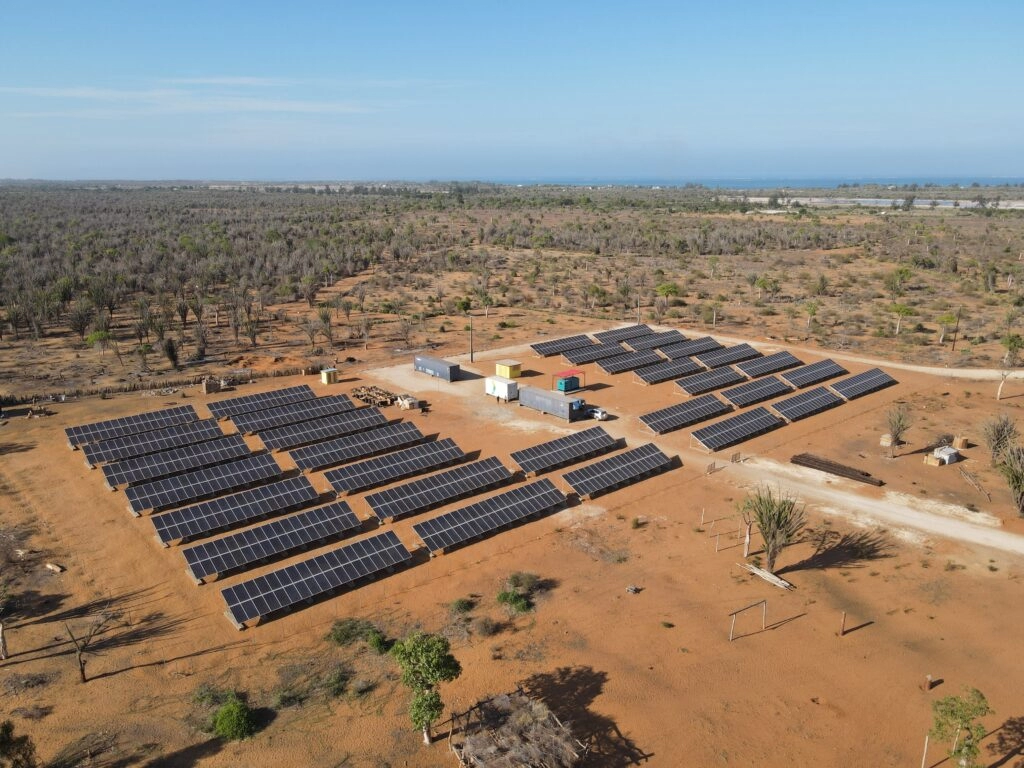
How can sustainable solar energy solutions address energy security?

Sustainable solar energy solutions can diversify the energy mix and reduce reliance on centralized fossil fuel generation. By integrating distributed PV arrays on rooftops, carports, and community solar farms, regions worldwide can mitigate large-scale power outages caused by grid failures, extreme weather, or fuel supply disruptions. And some advanced sustainable solar energy solutions can also use smart inverters, dynamic voltage reactive power control, and real-time monitoring to provide grid support functions such as voltage regulation, reactive power compensation, and frequency stabilization. At the same time, the decentralized architecture in sustainable solar solutions relieves the pressure on aging transmission infrastructure and suppresses peak demand pressure by smoothing power supply fluctuations.

Achieving energy independence in remote areas through sustainable solar energy solutions

In some remote areas of the Middle East and Africa, it is often difficult to afford the high fuel transportation costs and maintenance. These microgrids are costly and unreliable and rely on diesel power generation. Then, in sustainable solar solutions, especially solar + energy storage microgrids, these energy vulnerabilities are addressed by replacing or supplementing diesel generators with PV arrays and modular battery systems. PV panels can capture the abundant sunlight in remote areas, while lithium-ion batteries can store excess energy at night or in bad weather. Intelligent controllers can manage the charge and discharge cycle, optimize the state of charge, and extend the battery life through thermal management and balanced battery charging. The result is a powerful off-grid power system capable of providing continuous power for telecommunications, pumping, refrigeration, and community lighting.

Achieving energy independence in remote areas through sustainable solar energy solutions

Reduce the impact of fuel price fluctuations

Energy security is closely related to price stability. Traditional power plants using natural gas, coal, or diesel are vulnerable to unpredictable market fluctuations such as geopolitics, supply chain disruptions, or regulatory changes. The use of a sustainable solar energy solution can hedge against such fluctuations. After installation, the marginal cost of generating electricity from solar arrays is almost zero, effectively decoupling electricity bills from volatile fossil fuel prices. Some companies and utilities can sign long-term power purchase agreements with fixed and transparent rates, allowing for better budgeting and financial forecasting.

In addition, the advantages of time-of-use electricity prices can be taken advantage of. During the peak solar energy period during the day, solar energy systems can offset the high electricity prices during peak hours, while stored solar energy can be released during the more expensive night hours, for large commercial and industrial consumers, predictable electricity expenditures, higher profit margins, and the ability to pass on cost savings to end users.

Indirectly enhance national security with sustainable solar energy solutions

Solar-rich countries can use sustainable solar energy solutions to reduce their dependence on imported fuels, indirectly enhancing strategic autonomy and national security. From PV manufacturing and inverter assembly to installation and maintenance, local companies can create jobs, promote technology transfer, and reduce vulnerability to global supply disruptions. At the same time, solar parks and regional microgrid construction programs supported by some governments can support critical defense infrastructure, telecommunications hubs, and emergency shelters, ensuring uninterrupted operation even in geopolitical tensions. In addition, responders or military personnel can quickly deploy portable solar trailers and inflatable photovoltaic modules to disaster areas or forward bases to provide instant power for communications, medical facilities, and field operations.

Indirectly enhance national security with sustainable solar solutions

Promote grid modernization and digitization.

Some digital platforms, automatic distribution management systems, and the transition to sustainable solar solutions have promoted the overall grid modernization. Solar inverters with communication protocols enable real-time data exchange, remote diagnostics, and wireless firmware updates. These capabilities enable utilities to perform predictive maintenance on substations and feeders, detect anomalies such as phase imbalance or voltage sag, and dynamically balance loads between feeders to avoid overloads. In addition, distribution networks based on real-time solar generation data can enhance planning and scenario analysis for future solar and storage deployments. In summary, sustainable solar energy solution help build a smarter, more adaptable grid resilient to physical and cyber threats, improving energy security and operational efficiency.

Promote Economic Growth and Sustainable Development

In addition to technical and security benefits, sustainable solar solution promote sustainable economic growth and community development. Lower electricity costs in the industrial, agricultural, and commercial sectors can attract new investments and support energy-intensive manufacturing processes. In rural areas, solar irrigation and cold storage facilities can increase agricultural productivity and reduce post-harvest losses, contributing to food security. In addition, revenue streams from solar power generation can provide funding for local infrastructure projects, schools, and health clinics.

A Holistic Approach to Energy Security

Sustainable solar energy solutions offer a multifaceted approach to enhancing energy security and strategic resilience. Decentralizing power generation through distributed photovoltaic arrays, combining solar with battery storage systems, and modernizing the grid through digital control can reduce the risks associated with centralized infrastructure, fuel price fluctuations, and supply chain disruptions while bringing reliable electricity to remote areas.