
How should I lay out my solar panel kits for maximum coverage?
Achieving maximum coverage when installing solar panel kits is about capturing as much sunlight as possible. Therefore, during the installation process, strategies such as site assessment, orientation, tilt angle, row spacing, string configuration, and shading analysis will be installed according to different climate conditions and seven key factors that affect panel coverage. At the same time, we will also use manual and digital tools to survey the sun exposure of your property and adjust the panels to achieve peak solar gain not only at noon, but throughout the day.
Site Assessment Before Installing a Solar Panel Kits
Before installing a solar panel kit or off grid solar power kits, I always draw a detailed solar access map of the site. I use a sun path application and an inclinometer to track seasonal sun angles and measure the horizon, accurately locating areas without morning or afternoon shadows. Additionally, I will conduct field inspections of roof facilities, including chimneys, vents, and skylights, as well as surrounding vegetation that may cast shadows throughout the year. Record azimuth, elevation, and daily irradiance data for each potential panel location. This solar panel site survey ensures that I distribute the panels to areas that receive at least five peak hours of sunlight per day on average, maximizing annual energy production and minimizing areas of underproduction.
Optimize Solar Panel Orientation and Azimuth
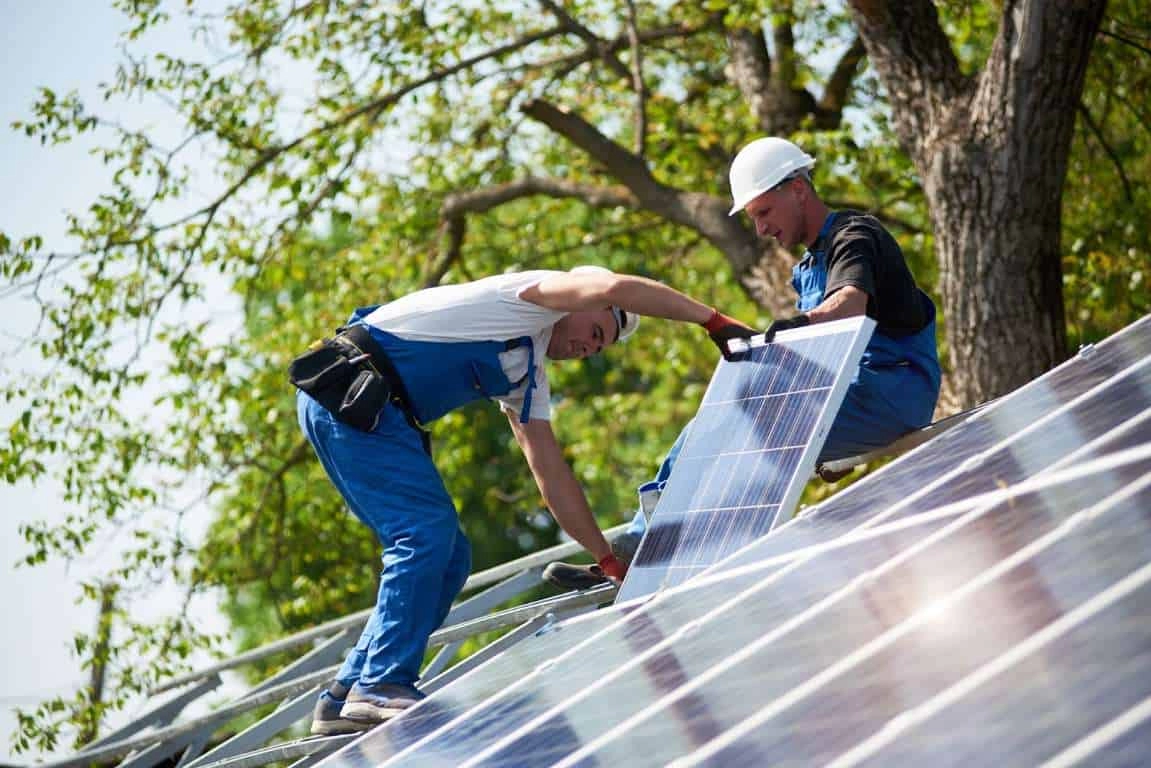
After surveying the site, our system adjusts your solar panel kits assembly to ensure optimal performance year-round. First, for users living in the Northern Hemisphere, I orient the panels due south. In the Southern Hemisphere, I orient the panels due north to capture the widest arc of the sun. Technicians then fine-tune the azimuth to within ±15° of due south to compensate for local sunrise and sunset variations caused by terrain or nearby buildings. Simultaneously, they align the panel rows so each assembly’s front directly tracks the sun’s midday path, optimizing exposure to morning and evening sunlight. Azimuth optimization alone can increase daily solar capture by up to 20%, significantly increasing the power generation of your off grid home solar system without additional hardware investment.
Calculate the Optimal Tilt Angle for Your Solar Panel Kits Assembly
Once the system determines the orientation, it sets the tilt angle to maximize solar radiation for your panel assembly. During installation, we set the tilt to match the site’s latitude for balanced performance throughout the year. I also adjust the angle based on the season, adding 10° in the winter to capture lower-angle sunlight and reducing it by 10° in the summer to optimize midday gain. I use online calculators and field test panels to fine-tune the angle based on specific monthly energy goals. By optimizing the tilt, you can ensure that your solar panel package delivers the highest output in all seasons, thereby increasing resilience in winter and capacity in summer.

Ensure adequate row spacing and avoid shading.
To prevent inter-row shading and facilitate maintenance, I carefully space each row of solar panel packages based on the tilt angle and local sun path. I then use a formula to calculate the row spacing, ensuring that the panels will not shade each other at the winter solstice. As a result, the system avoids shading that can reduce energy output by up to 30%. Spacing is also verified on-site using a laser rangefinder and adjusted according to the roof slope or ground slope. This unobstructed layout also improves airflow around the panels, allowing them to cool naturally, and simplifies cleaning and maintenance, ensuring that every panel in your off grid home solar system operates at full capacity.
Configuring Strings and Electrical Layout
Equally as important as the physical layout is how we connect solar panel components into strings and arrays. First, we balance the string lengths to match the MPPT voltage window on the inverter or charge controller, which is typically between 30 VDC and 500 VDC, depending on the system size, ensuring that each string operates at its maximum power point under varying irradiance levels. Technicians then group panels based on orientation and tilt to minimize mismatch losses and ensure even current flow. They also plan cable routing to combiner boxes and main circuit breakers to reduce voltage drops. By designing balanced strings, applying appropriate overcurrent protection measures, and installing high-quality connectors, I ensure that your solar infrastructure operates smoothly, with guaranteed efficiency and long-term reliability.
Choosing the Right Mounting Strategy
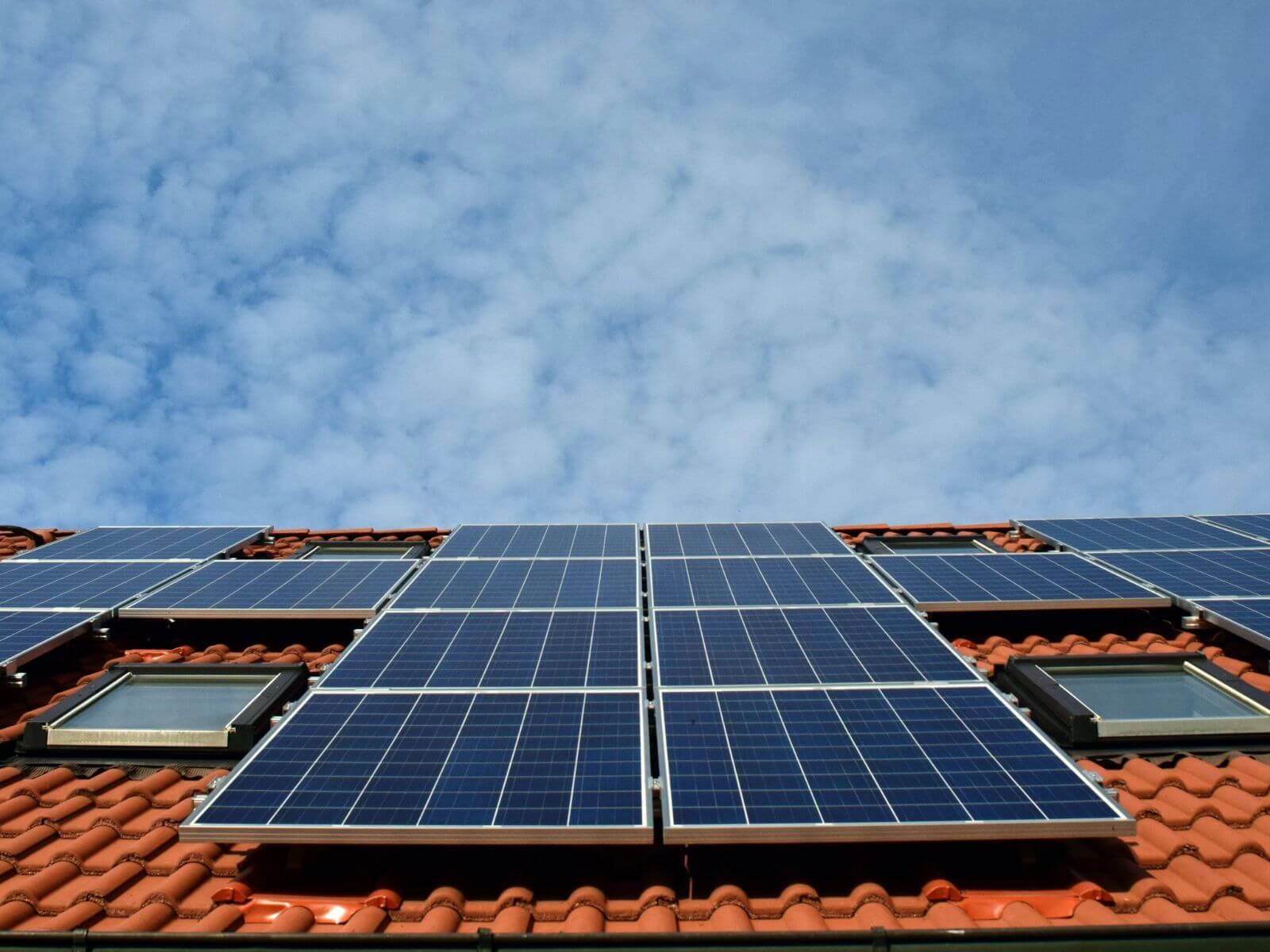
Finally, I select the mounting system that best fits your location, coverage goals, and budget. In residential installations, I use flush mounts on sloped roofs. Additionally, I recommend ground-mounted frames on open land to optimize panel tilt and row spacing. For some advanced solar panel kits, I sometimes specify pole-mounted single-axis trackers to increase energy yield by up to 25%. Installers secure all mounts with corrosion-resistant hardware and lay appropriate flashing at roof penetrations to maintain waterproof integrity. They ensure compliance with local wind and snow load requirements. Finally, the team determines the optimal coverage strategy, tailoring your solar panel kit installation to site-specific conditions for rugged, high-performance results.
Achieving Maximum Coverage
To achieve maximum coverage for your solar panel kits, we conduct a comprehensive site assessment, optimize orientation and azimuth, perform accurate tilt calculations, ensure appropriate row spacing, implement balanced string configuration, and adopt a reasonable installation strategy. It enables it to continuously collect peak solar energy while avoiding shading and power inefficiencies, thereby creating a long-term, sustainable solar array.