Solar Flood light vs. Traditional LED Flood light: Which One Wins?
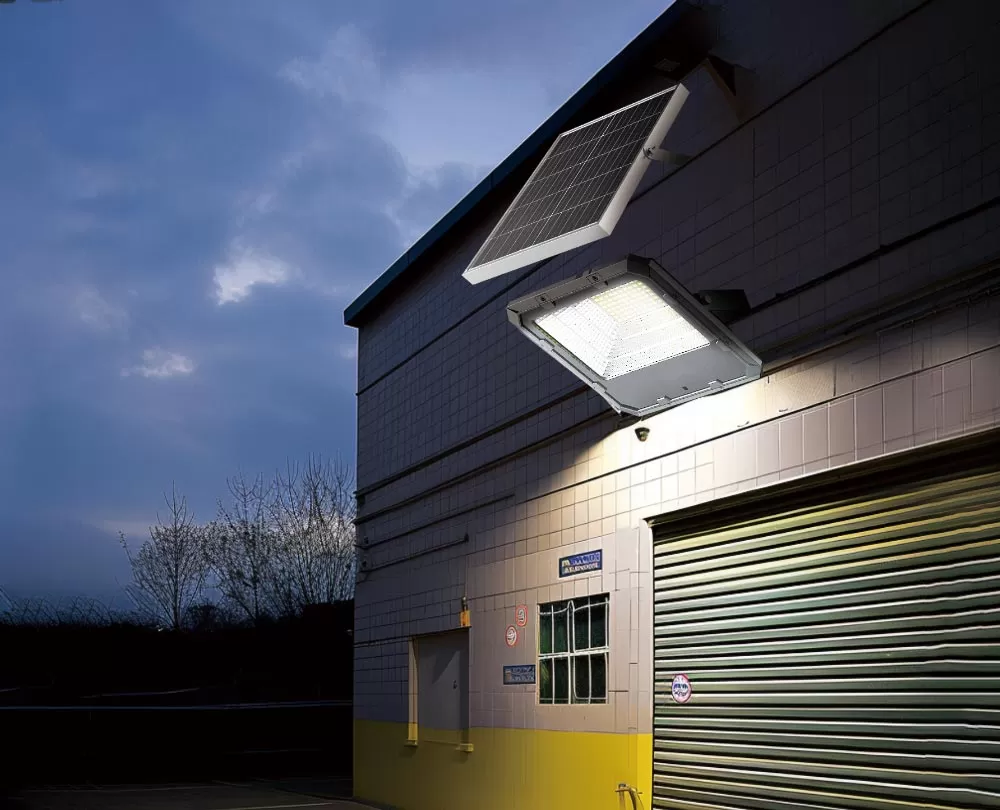
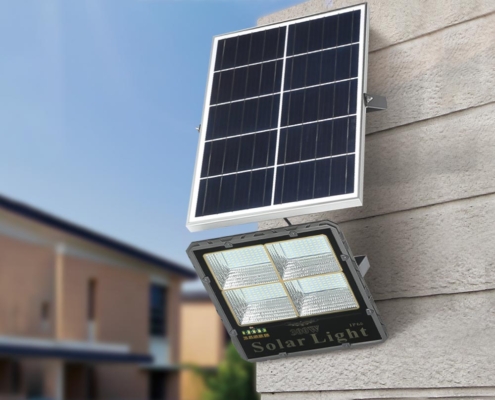
As outdoor lighting becomes more critical for security, sports, and landscaping, homeowners, businesses, and municipalities weigh upfront costs, energy efficiency, installation complexity, and long-term operating costs before selecting the ideal solar flood light solution. Solar floodlights integrate monocrystalline solar panels, intelligent PWM charge controllers, and long-life lithium batteries to power high-brightness LED lamp beads, which have a luminous efficiency up to 30% higher than standard lamps. In contrast, traditional LED flood lights rely on grid power, static output settings, and often cumbersome external wiring.
Energy and Luminous Efficiency of Solar Flood light
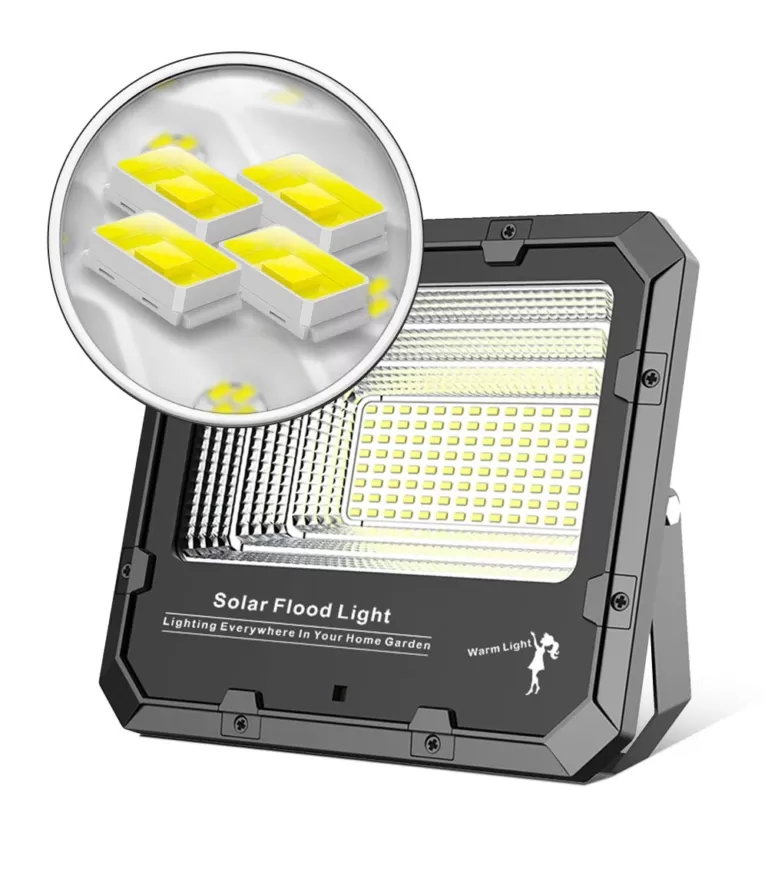
At the heart of solar flood lights lies a self-sufficient energy system in which monocrystalline silicon solar panels convert sunlight into electricity with a conversion efficiency of more than 20% and charge the built-in lithium battery through an intelligent PWM charge controller to maximize battery life. The system stores electricity and then powers high-brightness LED lamp beads, which designers carefully optimize to achieve the best lumen-per-watt performance. As a result, solar floodlights can be up to 30% brighter than conventional LED flood lights of the same wattage without drawing power from the grid. Traditional flood of LED lights, while efficient, still consume municipal electricity, resulting in higher monthly electricity bills and increased carbon emissions. Additionally, without solar integration, conventional fixtures cannot operate off-grid or during power outages, limiting their utility.
Installation Complexity and Upfront Costs
Installation considerations can greatly influence a user’s decision when choosing between solar flood lights and traditional LED flood lights. Traditional LED fixtures typically require conduit, junction boxes, and connections to the main electrical panel, which means paying an electrician, trenching or overhead wiring, and possible building code inspections. In contrast, users set up solar flood lights by simply mounting the solar panel in a sunny location and installing the light head where light is needed, making the system essentially plug-and-play. They don’t need to trench, wire, or connect to the grid. While the upfront cost of high-capacity monocrystalline panels, lithium batteries, and smart controllers in a solar installation may be higher than a basic LED flood light, the total installation cost is usually on par with or better than solar due to the elimination of labor and materials required for grid interconnection.
Adaptability, control, and smart features of solar flood lights
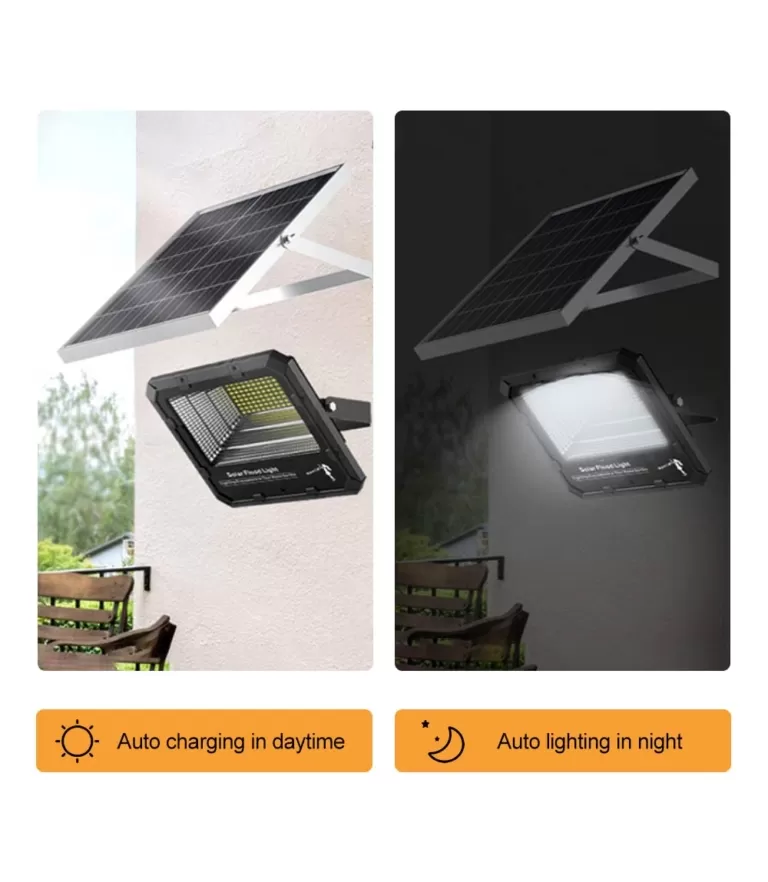
One of the great advantages of solar flood lights is their dynamic control capabilities. Among them, the PWM charge controller enables the luminaire to automatically adjust the LED output based on ambient light and battery charge status, ensuring continuous lighting on cloudy days while avoiding unnecessary battery loss. We integrate photocells and programmable timers in solar flood lights into fixtures to fine-tune performance, dimming the lights when traffic is light or increasing brightness when motion is detected. Traditional LED flood lights, unless paired with an external controller, usually run at a fixed brightness from dusk to dawn, wasting power and increasing electricity bills. The smart energy management features of solar floodlights not only extend battery life but also provide customizable lighting configurations to suit the safety or aesthetic requirements of specific sites.
Reliability and Maintenance Requirements
Reliability and ease of maintenance are critical for both solar and traditional LED flood lights. High-quality solar flood light systems feature IP65 or higher-rated enclosures, corrosion-resistant aluminum housings, and tempered glass to protect components from rain, dust, and vandalism. We rate the lithium batteries for over 2,000 charge and discharge cycles, ensuring a lifespan of several years with minimal capacity loss. PWM controllers manage the charge and discharge rates, preventing overcharging or deep discharge, thereby reducing the risk of battery failure. Routine maintenance typically includes annual cleaning of the solar panels and regular checks of battery health. In contrast, traditional LED flood lights rely on stable grid power but may require regular replacement of bulbs and ballasts, inspection of wiring, and necessary weatherproofing of junction boxes. Given the lifespan of the components and very low maintenance costs, solar floodlights generally have higher overall reliability, especially in off-grid applications.
Environmental Impact and Sustainability
An often overlooked but critical point of comparison between solar and traditional LED flood lights is the environmental footprint. Manufacturers can produce solar flood lights using increasingly recyclable materials, such as aluminum housings and recyclable lithium batteries. These lights operate with zero carbon emissions and rely on renewable solar energy. Over a 10-year lifecycle, a single solar light can offset more than two metric tons of CO2 emissions compared to grid-powered alternatives. Traditional LED flood lights, while more energy-efficient than incandescent or metal halide lamps, still draw power from a fossil fuel-based grid, which contributes to greenhouse gas emissions. Meanwhile, the ecological cost of trenching or laying wires for users in remote areas can be very high. But by adopting solar floodlights, you can demonstrate your commitment to sustainable development.
Solar floodlights have better long-term value.
When solar flood lights are compared to traditional LED flood lights, solar flood lights win in many ways: energy efficiency, autonomous operation, simplified installation, dynamic control features, and a significantly lower environmental footprint make solar flood lights a long-term value, especially in off-grid, remote areas, or projects focused on sustainability.