Tag Archive for: solar flood light

How to ensure that solar flood light maintain performance on rainy days?

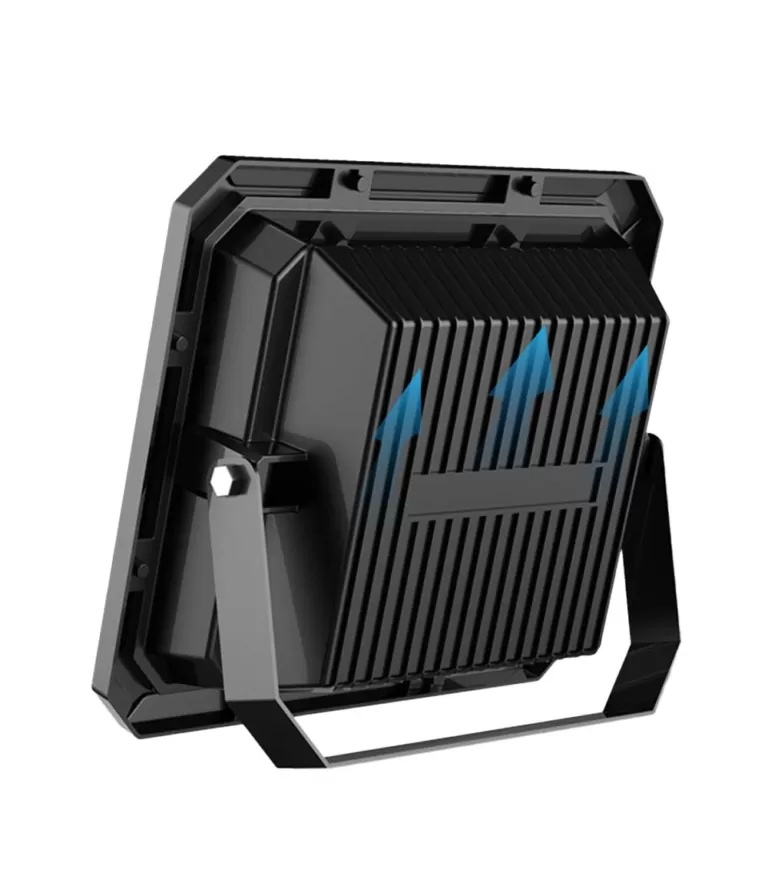
To ensure the solar flood light can be used normally on rainy days and maintain reliable performance, we have added an integrated, thickened aluminum alloy shell. Unlike thin metal shells that are easily deformed or rusted, this reinforced alloy can maintain its integrity in heavy rain or humid environments. In addition, the protective coating covering all external surfaces creates an additional barrier to effectively resist water droplets, salt spray and air pollutants, ensuring that your LED solar flood light can continue to work reliably in the harshest environments. This combination of thickened aluminum and special weatherproof coating can effectively prevent water from penetrating through fine cracks or paint damage. Therefore, solar flood lights can not only withstand long periods of rainy weather but also operate outdoors for an extended period.

The solar flood light has an IP65 waterproof rating, providing comprehensive protection

Power Dream designed its solar flood light to achieve an IP65 protection rating, fully sealing it to make it dustproof and capable of withstanding water from any direction. Meanwhile, silicone gaskets around all cable joints and access panels in the supplied mounting accessories provide a waterproof seal to prevent moisture infiltration during prolonged rainstorms and remain operational even when tested with high-pressure hoses for maintenance cleaning. IP65 significantly reduces the likelihood of short circuits, circuit board corrosion, or aging of optical components, which are standard failure modes in solar floodlights with lower levels of water intrusion protection. As a result, you can enjoy uninterrupted lighting performance regardless of seasonal rainfall.
Earth-light-details

High-efficiency monocrystalline panels for solar flood light

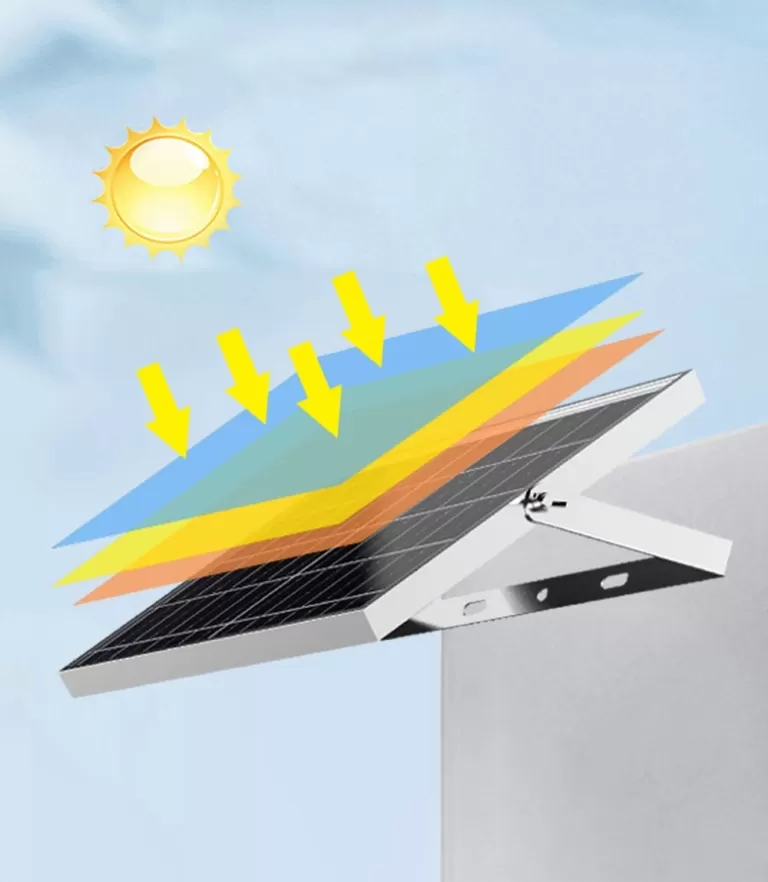
To ensure reliability in rainy conditions, we utilize high-efficiency monocrystalline solar panels, which enable the capture of sunlight even on cloudy and rainy days. With a conversion rate of over 22%, these premium solar panels can extract more energy from direct and diffuse light and can stably charge the battery even under low irradiance conditions. Their multi-cell structure minimizes resistance and enhances performance in shaded conditions. Furthermore, we equip these monocrystalline panels with a tempered glass surface and coat them with an anti-reflective and hydrophobic layer. These anti-reflective layers ensure maximum light absorption at all times. So, whether the sun shines or light rain falls, your solar flood light can fully charge and operate reliably in rainy weather when it receives just 4–6 hours of accumulated sunlight.
High-efficiency monocrystalline panels for solar flood light

Intelligent charge controller with MPPT technology

In rainy weather, efficient energy conversion requires not only high-quality solar panels but also intelligent power management. We integrate an MPPT charge controller into each solar flood light, which continuously adjusts the operating voltage of the solar panel to obtain the highest possible current under varying light levels. Additionally, the MPPT controller safeguards the battery against overcharge, over-discharge, and reverse current. These common problems will shorten the battery life in humid environments. By dynamically adapting to changing weather and load conditions, the LED solar flood light ensures efficient operation and conserves stored energy.

Deep cycle lithium iron phosphate battery, durable even on rainy days

Designers select lithium iron phosphate batteries because these batteries offer excellent cycle life, low self-discharge rate, and inherent thermal stability. Unlike flooded lead-acid or gel batteries, LiFePO₄ chemistry resists capacity loss in high humidity and temperature, ensuring your luminaire retains more than 80% of its original capacity after thousands of cycles. To further protect the battery compartment, an IP65-rated waterproof seal and gasket enclosure prevent external rain or condensation from seeping into the battery compartment. This ensures that the LED solar flood light remains powered and bright, even during rainy days, providing continuous lighting when you need it most.

Adaptive lighting modes and motion sensors

The solar flood light features adaptive lighting modes that balance visibility with energy savings. For example, in a constant “dusk to dawn” mode, the luminaire maintains 30% brightness and increases to 100% only when it detects motion. Alternatively, a custom schedule allows for operation at 50% output at dusk, thereby reducing power consumption during long, cloudy days. Motion-sensing lighting not only enhances security by startling intruders but also ensures that solar floodlights conserve battery power during periods of inactivity. The system can also intelligently manage output based on environmental cues and motion to maximize runtime on rainy days, ensuring it maintains lighting during extended periods of cloudy weather.

Reliable performance even on rainy days

By integrating rugged aluminum alloy housing with a protective coating, an IP65 waterproof rating, high-efficiency monocrystalline silicon solar panels, and durable lithium-iron-phosphate batteries, solar floodlights can maintain reliable performance even on rainy days. With our planning and professional engineering design, you can illuminate your outdoor space when you need it most.
Solar Flood light vs. Traditional LED Flood light: Which One Wins?

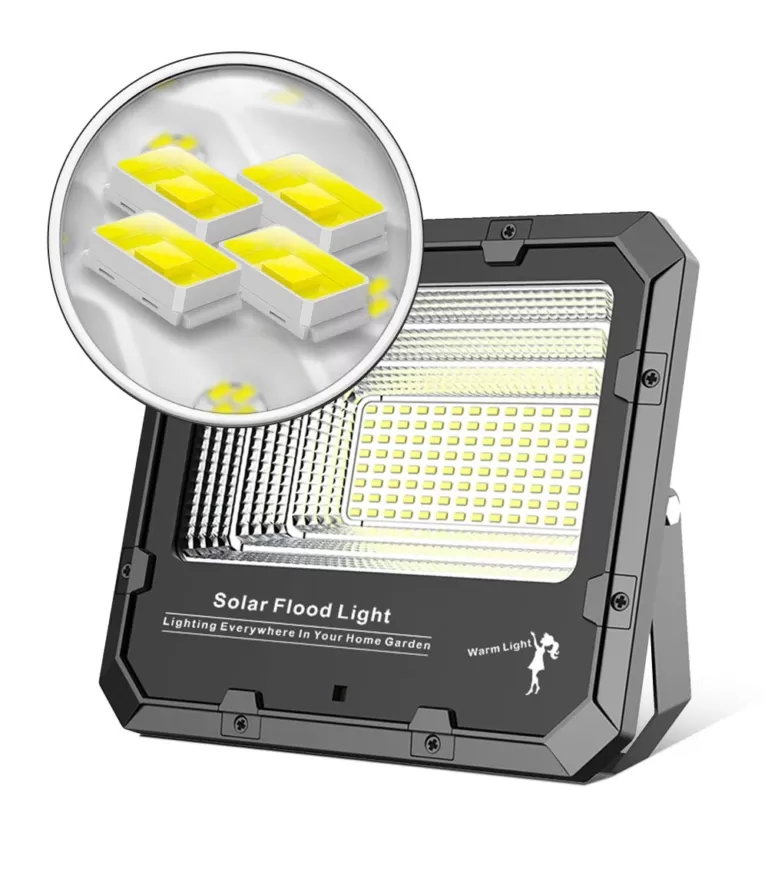
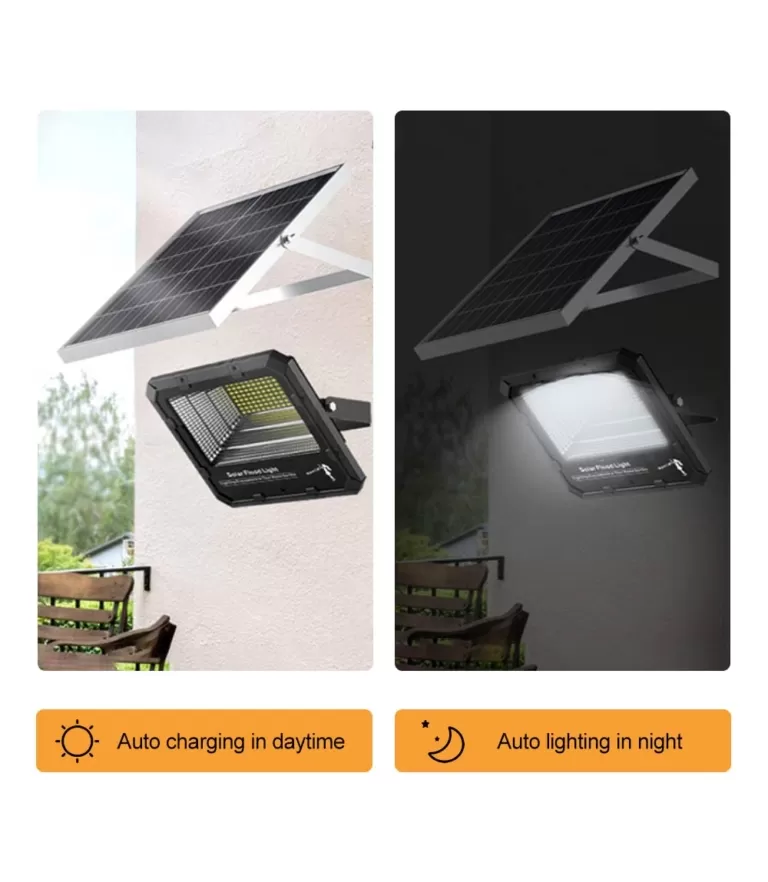
As outdoor lighting becomes more critical for security, sports, and landscaping, homeowners, businesses, and municipalities weigh upfront costs, energy efficiency, installation complexity, and long-term operating costs before selecting the ideal solar flood light solution. Solar floodlights integrate monocrystalline solar panels, intelligent PWM charge controllers, and long-life lithium batteries to power high-brightness LED lamp beads, which have a luminous efficiency up to 30% higher than standard lamps. In contrast, traditional LED flood lights rely on grid power, static output settings, and often cumbersome external wiring.

Energy and Luminous Efficiency of Solar Flood light

At the heart of solar flood lights lies a self-sufficient energy system in which monocrystalline silicon solar panels convert sunlight into electricity with a conversion efficiency of more than 20% and charge the built-in lithium battery through an intelligent PWM charge controller to maximize battery life. The system stores electricity and then powers high-brightness LED lamp beads, which designers carefully optimize to achieve the best lumen-per-watt performance. As a result, solar floodlights can be up to 30% brighter than conventional LED flood lights of the same wattage without drawing power from the grid. Traditional flood of LED lights, while efficient, still consume municipal electricity, resulting in higher monthly electricity bills and increased carbon emissions. Additionally, without solar integration, conventional fixtures cannot operate off-grid or during power outages, limiting their utility.

Energy and Luminous Efficiency of Solar Flood light

Installation Complexity and Upfront Costs

Installation considerations can greatly influence a user’s decision when choosing between solar flood lights and traditional LED flood lights. Traditional LED fixtures typically require conduit, junction boxes, and connections to the main electrical panel, which means paying an electrician, trenching or overhead wiring, and possible building code inspections. In contrast, users set up solar flood lights by simply mounting the solar panel in a sunny location and installing the light head where light is needed, making the system essentially plug-and-play. They don’t need to trench, wire, or connect to the grid. While the upfront cost of high-capacity monocrystalline panels, lithium batteries, and smart controllers in a solar installation may be higher than a basic LED flood light, the total installation cost is usually on par with or better than solar due to the elimination of labor and materials required for grid interconnection.

Adaptability, control, and smart features of solar flood lights

One of the great advantages of solar flood lights is their dynamic control capabilities. Among them, the PWM charge controller enables the luminaire to automatically adjust the LED output based on ambient light and battery charge status, ensuring continuous lighting on cloudy days while avoiding unnecessary battery loss. We integrate photocells and programmable timers in solar flood lights into fixtures to fine-tune performance, dimming the lights when traffic is light or increasing brightness when motion is detected. Traditional LED flood lights, unless paired with an external controller, usually run at a fixed brightness from dusk to dawn, wasting power and increasing electricity bills. The smart energy management features of solar floodlights not only extend battery life but also provide customizable lighting configurations to suit the safety or aesthetic requirements of specific sites.

Smart Control

Reliability and Maintenance Requirements

Reliability and ease of maintenance are critical for both solar and traditional LED flood lights. High-quality solar flood light systems feature IP65 or higher-rated enclosures, corrosion-resistant aluminum housings, and tempered glass to protect components from rain, dust, and vandalism. We rate the lithium batteries for over 2,000 charge and discharge cycles, ensuring a lifespan of several years with minimal capacity loss. PWM controllers manage the charge and discharge rates, preventing overcharging or deep discharge, thereby reducing the risk of battery failure. Routine maintenance typically includes annual cleaning of the solar panels and regular checks of battery health. In contrast, traditional LED flood lights rely on stable grid power but may require regular replacement of bulbs and ballasts, inspection of wiring, and necessary weatherproofing of junction boxes. Given the lifespan of the components and very low maintenance costs, solar floodlights generally have higher overall reliability, especially in off-grid applications.

Environmental Impact and Sustainability

An often overlooked but critical point of comparison between solar and traditional LED flood lights is the environmental footprint. Manufacturers can produce solar flood lights using increasingly recyclable materials, such as aluminum housings and recyclable lithium batteries. These lights operate with zero carbon emissions and rely on renewable solar energy. Over a 10-year lifecycle, a single solar light can offset more than two metric tons of CO2 emissions compared to grid-powered alternatives. Traditional LED flood lights, while more energy-efficient than incandescent or metal halide lamps, still draw power from a fossil fuel-based grid, which contributes to greenhouse gas emissions. Meanwhile, the ecological cost of trenching or laying wires for users in remote areas can be very high. But by adopting solar floodlights, you can demonstrate your commitment to sustainable development.

Solar floodlights have better long-term value.

When solar flood lights are compared to traditional LED flood lights, solar flood lights win in many ways: energy efficiency, autonomous operation, simplified installation, dynamic control features, and a significantly lower environmental footprint make solar flood lights a long-term value, especially in off-grid, remote areas, or projects focused on sustainability.

Why are homeowners in North America switching to solar flood light?

Rising energy costs, increased environmental awareness, and advances in solar technology have made solar flood light the preferred outdoor lighting solution for North American homeowners. This makes them a sustainable alternative to traditional grid-powered systems. After switching to solar flood lights, many users have reduced their annual outdoor lighting bills by hundreds of dollars. Another reason for the growing popularity of solar flood lights is their versatility. They are very easy to install and can be installed in remote areas without grid power, such as gardens, driveways, or barns. According to the U.S. Department of Energy, residential solar installations grew by 34% in 2023, and more and more homeowners are installing solar flood lights.

Disadvantages of Traditional LED Flood lights

Before adopting solar flood lights, many homeowners relied on traditional LED FLood lights. Although LEDs are more energy-efficient than incandescent lamps, they still have significant limitations. They are more dependent on the grid and require wiring and power supply, which limits installation options. They are also more expensive to operate, which can lead to higher electricity bills, especially for all-night security lighting. At the same time, they are also affected by power outages and are prone to failure, plunging the house into darkness. Another disadvantage of traditional LED flood lights is their impact on the environment. Although energy-efficient, they still rely on electricity generated from fossil fuels, contributing to greenhouse gas emissions. On the other hand, solar floodlights utilize renewable energy, making them a more environmentally friendly choice for environmentally conscious homeowners.

Reduce energy costs associated with solar energy

Solar Flood Light Reduce Home Expenses

Solar flood light reduce costs in two ways: zero electricity bills and minimal maintenance. Unlike traditional LEDs, solar flood lights harness sunlight and convert it into free energy. They do not require large areas of wiring, which can reduce trenching, conduit, or electrician costs. High-brightness LED lamp beads and polycrystalline silicon solar panels power solar floodlights. At the same time, they have a service life of 5-7 years and a payback period as short as 2 years, which is more durable than traditional LED lights. In addition to direct savings, solar flood lights can also reduce indirect costs. For example, their durability means fewer replacements and low maintenance requirements, saving time and energy. A homeowner in Florida saved thousands of dollars in electricity bills in three years after adopting solar flood lights. There are no monthly electricity bills to pay, and lithium-ion batteries are durable, providing predictable long-term savings.

Environmental Impact of Solar Flood light

Solar flood light is consistent with North America’s push for sustainable development. Traditional LEDs, while efficient, still rely on fossil fuels for electricity. In contrast, solar flood lights are a great way to reduce carbon emissions, with one solar flood light offsetting 100 pounds of CO2 annually. In addition, many models in BARANA feature recyclable aluminum and lithium-ion batteries. Models with automatic light sensors minimize unnecessary lighting. The environmental benefits of solar floodlights are not limited to reducing emissions. By using renewable energy, they help conserve natural resources and reduce dependence on non-renewable energy sources. This makes them a key component for homeowners in North America in their pursuit of sustainable living.

Environmental Impact of Solar Flood light

Ability to address the shortcomings of traditional solar technology

Early solar lighting systems were criticized for weak brightness and unstable performance. BARANA’s solar flood lights overcome these issues through advances such as high-efficiency polycrystalline silicon solar cell panels and adaptive brightness settings. A series of case studies show that solar flood lights with motion detection reduce false triggering of wildlife while providing instant lighting for safety. Improved battery technology also ensures stable performance even in cloudy climates. In addition, the solar floodlights offered by BARANA are designed with user-friendly features, such as adjustable panels and remote controls on demand, allowing homeowners to optimize performance according to their specific needs.

Solar Flood Light 2

Enhanced Security and Convenience

Solar flood lights improve home security more effectively than traditional LEDs. Features such as adaptive brightness and all-night operation can save energy while deterring intruders. Adaptive brightness adjustment brought by automatic light sensors automatically adjusts the brightness according to the surrounding brightness conditions, reducing unnecessary consumption. In addition, settings can be adjusted through a smartphone app even when you are not home. More durable in some areas with extreme weather, they can cool down faster to avoid heating and other situations. The convenience of solar floodlights is another significant advantage. The wireless design allows for flexible placement, and their automatic operation means that homeowners don’t have to worry about turning them on or off. The combination of security and ease of use makes solar floodlights a practical choice for modern homes.

Bringing more environmentally friendly outdoor lighting

North American homeowners use solar flood lights to save costs, protect the environment, and improve safety. These lights offer a practical outdoor lighting solution by eliminating reliance on the grid and reducing maintenance hassles. As technology advances, solar flood lights will continue outperforming traditional LEDs, allowing homeowners to illuminate their homes sustainably and smartly.