Tag Archive for: solar energy storage solutions

Why is the MA1.8 Solar Generator the best solar generators?

What makes the MA1.8 solar generator the best solar generators is that it uses an innovative, low-cost dual-battery boost solution to provide 500 W of continuous output power and 1.8 kWh of usable power, enabling reliable power in off-grid areas and areas prone to power outages. First, its dual-battery architecture balances the depth of discharge of two lithium solar batteries, extending the service life to 8,000 cycles. Second, the MA1.8 solar generator can be charged from 0 to 100% in just 1-2 hours when used with a high-power adapter, significantly reducing downtime and ensuring continuous power. Finally, its high-wattage MPPT solar input (200-600 W+ range) extracts maximum energy from the panels in all weather conditions, increasing power generation by up to 30%.

Best Solar Generators with Dual-Battery Boost

One of the most prominent features that makes the MA1.8 solar generator the best solar generator is its proprietary dual-battery boost solution. By distributing energy storage across two matched lithium solar cells, the MA1.8 solar generator reduces the cycle depth of each battery pack by half, significantly lowering capacity fade and thermal stress. Additionally, this architecture enables seamless switching between batteries, ensuring an uninterrupted power supply even if one battery pack requires maintenance.

In laboratory stress testing, the MA1.8 maintained more than 96% of its capacity after 1,000 cycles at 80% discharge depth, and the capacity retention rate is expected to exceed 70% after 8,000 cycles in actual use. At the same time, we simulated the MA1.8 for 1,000 cycle tests at an 80% discharge depth and observed less than 4% capacity loss; the capacity is expected to remain above 70% after 8,000 cycles.

Best Solar Generators with Dual-Battery Boost

Best solar generators for a fast 1-2 hour full charge

The MA1.8 solar generator has excellent charging performance, with a 0-100% charge time of only 1-2 hours. When paired with a 1,500W fast charger, the system achieves complete charge in just 70 minutes within optimal environmental parameters. Additionally, simultaneous charging using AC and solar can reduce charging time on sunny days to under 45 minutes. This fast charging speed means users can spend less time waiting for a backup. Actual charging times were measured in our laboratory, with a 0% to 100% charge recorded in 90 minutes at an input power of 1,200 W. With its built-in battery management system, which optimizes the charging curve, the MA1.8 minimizes heat buildup during high-speed charging, thereby extending the overall life of the battery.

High-wattage MPPT for maximum off-grid power generation

The integrated high-wattage MPPT charge controller enables the MA1.8 to accept 200–600 W of power per solar channel, with a total panel input power of up to 1,200 W. Its advanced MPPT algorithm adjusts in real-time to fluctuating sunlight and temperature, extracting up to 98% of available power. In a five-day side-by-side field trial under mixed conditions, the unit delivered 18 kWh of energy, while a competitor with a standard 300 W MPPT delivered 14 kWh, a 28% increase in output. I compared the daily energy output of the MA1.8 to a competitor with a 300 W MPPT and found that it significantly outperformed the other competitor on both cloudy and sunny days. Additionally, its dual MPPT channels enable array grading to optimize different panel orientations or azimuths. This superior solar collection capability secures the MA1.8’s place among the best solar generators for true off-grid freedom.

Versatile Output and Solar Energy Storage Solutions

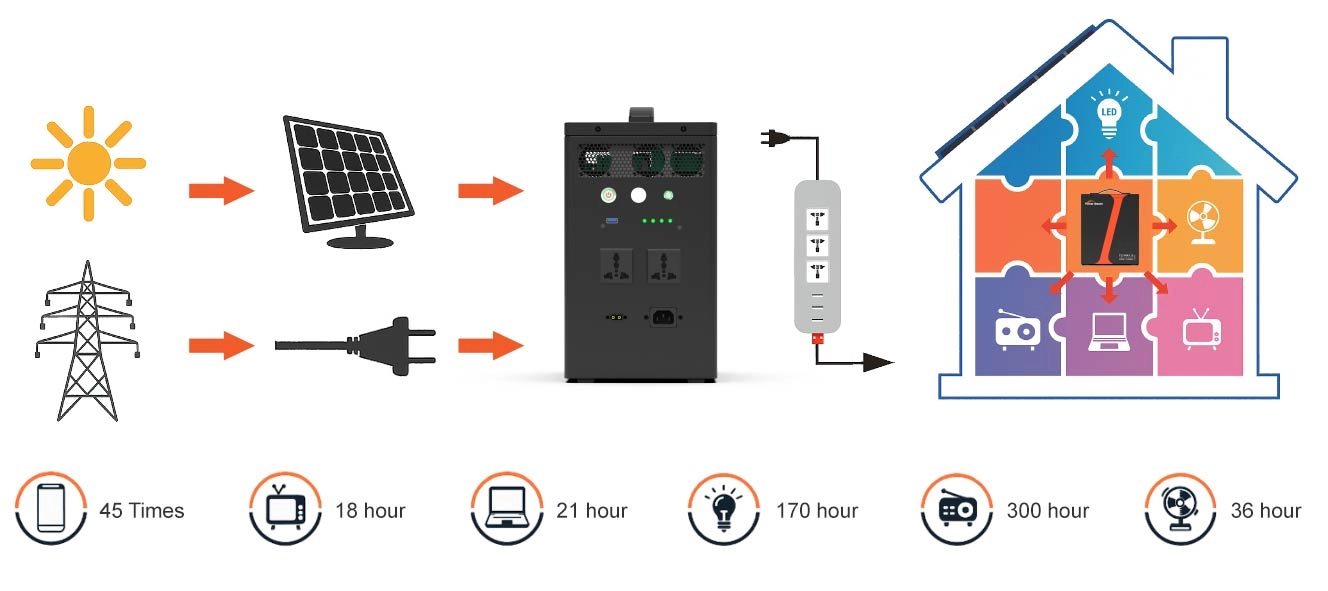
As a comprehensive solar energy storage solution, it stands out with versatile AC, DC, and USB outputs. Its dual 120 V AC outlets deliver up to 500 W of continuous power for refrigerators, pumps, and basic appliances. At the same time, the 12 V/10 A DC port and multiple USB ports support a range of electronic devices and lighting. In a simultaneous load test, the MA1.8 powered a 150 W refrigerator, a 30 W LED lamp, and a 60 W laptop for 8 hours, consuming only 1.9 kWh of electricity.

I tested it by powering essential devices simultaneously to demonstrate the MA1.8’s efficient energy management and powerful inverter performance. Its pure sine wave inverter output minimizes harmonic interference, ensuring safe operation of sensitive medical or audio equipment.
best solar generators

Portability and rugged design

This best solar generator features a rugged metal casing with IP21-rated sealing to withstand drops of up to 1 meter and strong splashes, as well as an operating temperature range of -20°C to 50°C (0°C to +50°C). The integrated handle and 17.8 kg weight make it suitable for camping, field research, or disaster relief. We field-tested the MA1.8 in heavy rain, sandstorms, and high humidity, and it always remained operational without particle or moisture ingress. The shockproof battery pack and anti-vibration electronics inside effectively prevent mechanical stress during transportation. The combination of portability and ruggedness ensures that the MA1.8 is the best solar generator for both recreational and industrial applications. The specific parameters are as follows:

Product Parameters:

Battery chemistry Lithium-iron phosphate (LiFePO4)
Battery capacity 1792Wh&2000Wh(option)
Battery lifespan 8000 cycles
Battery level indicator Yes’ four LEDs
AC input (Grid) 220 Vac 50 / 60Hz
DC input (solar) 12-60 Vdc / 450W max
AC output /Waveform 520W max / Pure sine-wave
Output Interface AC 220V×2’ USB3.0×1
Protection Overcharge & over-discharge protection / Over-voltage & under-voltage protection /
Over-current protection / High&low temperature protection /
Overload protection / Shortcircuit protection / Fault protection
IP protection level IP21
Operating/ Storage Temp. 0oc to +50℃ / -20oC to +50oC
Net weight 17.8 kg
Dimensions 250×180×305mm
Certification UN38.3’ MSDS

Becoming the best solar generator

The MA1.8 solar generator is the best solar generator, boasting a dual-battery boost solution, 500 W/1.8 kWh storage capacity, an 8,000 cycle life, fast charging, high-power MPPT input, versatile output, and rugged portability. We recommend it for off-grid homes, mobile workshops, and critical backup applications that require high durability, speed, and efficiency.

Solar energy storage solution at Amazon rainforest research station

When it comes to powering a research station in the Amazon rainforest, traditional diesel generators pose significant logistical challenges: fuel must be transported through dense jungle trails, noise pollution disturbs wildlife, and greenhouse gas emissions impact the environment. Therefore, we proposed a sustainable solar energy solution that combines photovoltaic (PV) arrays with battery energy storage to provide reliable, quiet power. Before determining the solar energy storage solution, we evaluated the critical loads of the research station, including data servers, lighting, and communication systems. We determined a solar system that can meet nighttime needs and intermittent sunlight during the rainy season.

Solar Energy Storage Solution: Designing PV and Battery Systems

When designing an efficient solar energy storage solution for the rainforest environment, we selected bifacial PV modules suitable for tropical climates due to their sturdy frames and high moisture resistance. For example, we installed 7 kW bifacial PV modules with anti-reflective coating to improve power generation in the morning and afternoon. In addition, we utilized LiFePO₄ battery packs. We equipped them with hybrid inverters featuring built-in MPPT controllers to maximize solar energy collection and enable seamless switching between PV, batteries, and backup generators. At the same time, the system will prioritize nighttime solar power discharge and only switch to generator power when battery charge drops below 20%. This rugged design ensures the power station remains operational even in prolonged monsoon conditions.

Solar Energy Storage Solution Designing PV and Battery Systems

How to cope with environmental challenges?

Deploying solar energy storage solutions in the Amazon rainforest means overcoming challenges such as extreme heat, humidity, and wildlife interference. Therefore, we installed the battery modules in an IP65-rated enclosure equipped with a climate control system to maintain an internal temperature between 20°C and 35°C, thereby optimizing performance. Workers coat all metal brackets and conduits with anti-corrosion coatings to prevent rust in humid environments. Additionally, we installed UV-resistant cable sheathing to avoid degradation from strong sunlight. At the same time, we route the lines away from wild animals to minimize the risk of bite damage. In addition, technicians must conduct weekly inspections of door seals, check for moisture infiltration, and verify sensor readings to ensure our sustainable solar energy solutions withstand the rainforest’s harsh environment.

How to cope with environmental challenges?

Real-time monitoring and energy management in solar energy storage solutions

A significant advantage of Power’s dream solar energy storage solutions is the ability to utilize energy management software. We deployed a cloud-based monitoring platform that provides real-time dashboards of PV generation, battery charge status, and load consumption. The monitoring system immediately alerts station managers if battery voltage drops below a critical threshold. As a result, they can remotely initiate load reduction protocols to protect power to essential systems. Additionally, automated demand response scripts adjust non-critical loads, such as laboratory equipment or air conditioners, based on predicted solar input. Additionally, the system can configure custom performance reports as needed and email them daily to the technical team, enabling data-driven adjustments.

Integration with local microgrids and backup power

To maximize resiliency, the solar energy storage solution can be seamlessly integrated with the research station’s microgrid architecture. We connected the inverters to the existing diesel generator sets through load-sharing controllers, ensuring smooth switching during extended periods of cloudiness. We synchronized the phase angles of the inverters and generators to prevent surges. Additionally, we can program the solar system to operate the generator sets at optimal load only when necessary, thereby reducing fuel consumption by up to 80% per year. The microgrid also scales easily; operators can add solar or battery capacity as the research station expands. Coordinated microgrid testing and balanced power flow enable seamless switching.

Integration with local microgrid and backup power at Amazon research station

Final commissioning, training and maintenance

The successful deployment of solar energy storage solutions requires not only hardware installation but also comprehensive commissioning, staff training, and preventive maintenance. After initial system testing, I was responsible for conducting training workshops for station technicians, covering routine inspections, troubleshooting and basic repairs. During commissioning, we conducted a full discharge test to verify the battery capacity. Following this, we provided a maintenance plan outlining monthly panel inspections, quarterly inverter firmware updates, and annual replacement of the cabinet’s HVAC unit air filters. The local team maintains a real-time digital maintenance log, ensuring transparency and accountability.

Bringing a sustainable energy supply to the Amazon Rainforest Research Station

The implementation of the solar energy storage solution at the Amazon Rainforest Research Station utilizes bifacial photovoltaics, lithium-iron-phosphate batteries, hybrid inverters, and anti-corrosion measures to construct a resilient and low-carbon power source. Additionally, remote monitoring and microgrid control enable 24/7 operation, minimizing the need for diesel backup power. For different users, we will provide customized solar energy solutions tailored to their specific needs, aiming to promote sustainability and enhance the efficiency of solar energy operations.

How important are solar energy storage solutions to customers in the Middle East?

In the Middle East, demand for solar energy storage solutions continues to grow steadily, driven by environmental and economic factors. With abundant sunshine, solar energy has become an attractive alternative to meet the region’s energy needs. In energy-demanding areas such as the Middle East, especially during the hot summer months, solar energy storage solutions offer significant advantages, enabling energy independence, reducing reliance on traditional grid systems, and mitigating the impact of power outages. This article will explore why solar energy storage solutions are so important to customers in the Middle East and why users in the region are more inclined to adopt such technologies.

Economic Benefits of Solar Energy Storage Solutions for the Middle East

One of the main drivers for adopting solar energy storage solutions in the Middle East is the potential for significant cost savings. Due to the intense summer heat, the region consumes much energy, and air conditioning is a major component of electricity bills. The solar energy storage solution enables users in the Middle East to store electricity during the peak of solar power generation during the day so that it can be used at night when the grid demand is high.

For customers in the Middle East, investing in a solar energy storage solution can reduce reliance on the national grid, thereby gradually reducing the cost of electricity. In addition, governments in the region are providing incentives for installing solar systems and energy storage solutions, further enhancing their economic appeal. These incentives, combined with the falling cost of solar technology, have made solar an increasingly viable and attractive option for homes and businesses in the Middle East.

Economic Benefits of Solar Energy Storage Solutions for the Middle East

Reduce Grid Dependence with Solar Energy Storage Solutions

In many countries in the Middle East, people are highly dependent on the national grid. In some areas, the grid infrastructure can be unstable or overwhelmed during peak electricity demand. This can lead to power outages or voltage fluctuations that disrupt daily life and affect business operations. The solar energy storage solution can provide energy independence, allowing users in these areas to rely on their stored solar energy during grid outages or peak electricity demand.

For Middle Eastern customers, storing solar energy and reducing reliance on the grid, especially in areas where energy outages are more common, can provide peace of mind. At the same time, with growing energy demand due to population growth and industrial development, using solar energy storage solution can ensure a stable and uninterrupted power supply, making these solar energy systems a vital part of the energy infrastructure in these regions.

Reduce Grid Dependence with Solar Energy Storage Solutions

Importance for Residential Users in the Middle East

For residents in the Middle East, the importance of solar energy storage solution lies in their ability to provide a reliable and uninterrupted power supply. In many parts of the Middle East, grid instability and power outages can disrupt daily life. Solar storage solutions offer a way to store energy for later use, ensuring that homes can be powered even when the grid fails. As the region’s summer heat sets in, demand for cooling systems peaks, putting pressure on the grid. By incorporating solar energy storage solutions into their homes, residents in the Middle East can reduce their reliance on the grid during peak hours and more efficiently manage their energy use. The Solar energy storage solution can help homeowners lower their electricity bills, allowing them to rely on their solar power during peak energy demand.

Importance of Solar Energy Storage Solutions for Residential Users in the Middle East

Importance for Middle Eastern Businesses

The business sector in the Middle East is also benefiting from the solar energy storage solution. For businesses, solar energy storage systems effectively reduce operating costs and ensure energy security. Many companies rely heavily on electricity to operate, especially energy-intensive industries like manufacturing, retail, and hospitality. By integrating a solar energy storage solution, businesses can generate, store, and use their electricity during peak electricity demand, reducing their reliance on the grid and electricity costs. In addition to the economic benefits, businesses that adopt solar energy storage solutions also demonstrate their commitment to sustainability. With increasing pressure from governments and consumers for businesses to adopt environmentally friendly practices, renewable energy solutions such as solar can enhance a company’s reputation and attract environmentally conscious customers.

Appeal from Technological Advances

Advances in solar technology, especially solar energy storage solutions, have significantly improved efficiency, cost-effectiveness and accessibility. Over the past few years, the price of batteries and energy storage systems has dropped dramatically, making solar storage solutions more affordable for consumers in the Middle East. Modern solar systems are more efficient and store larger amounts of energy. They are equipped with innovative features such as remote monitoring and management, giving users more control over their energy use. In addition, many solar energy storage solution now come with hybrid systems that can integrate seamlessly with the local grid. This allows users to optimize their energy storage utilization, deliver excess power back to the grid and receive compensation. The development of more advanced, convenient and cost-effective solar storage solutions has made it easier for Middle Eastern customers to adopt this technology.

Importance to the Middle East’s Future

Solar energy storage solutions are undoubtedly vital to Middle Eastern customers. They provide many benefits, including energy independence, cost savings and sustainable development. For residential and commercial users, these solutions allow them to harness the sun’s energy, store excess energy, and reduce reliance on unreliable grid systems.