Tag Archive for: Lithium solar batteries

Why is the MA1.8 Solar Generator the best solar generators?

What makes the MA1.8 solar generator the best solar generators is that it uses an innovative, low-cost dual-battery boost solution to provide 500 W of continuous output power and 1.8 kWh of usable power, enabling reliable power in off-grid areas and areas prone to power outages. First, its dual-battery architecture balances the depth of discharge of two lithium solar batteries, extending the service life to 8,000 cycles. Second, the MA1.8 solar generator can be charged from 0 to 100% in just 1-2 hours when used with a high-power adapter, significantly reducing downtime and ensuring continuous power. Finally, its high-wattage MPPT solar input (200-600 W+ range) extracts maximum energy from the panels in all weather conditions, increasing power generation by up to 30%.

Best Solar Generators with Dual-Battery Boost

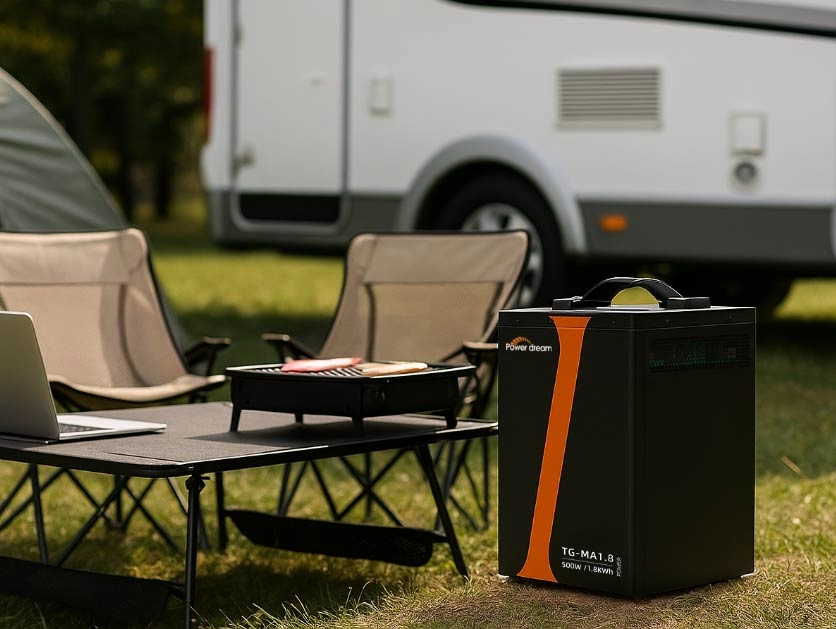
One of the most prominent features that makes the MA1.8 solar generator the best solar generator is its proprietary dual-battery boost solution. By distributing energy storage across two matched lithium solar cells, the MA1.8 solar generator reduces the cycle depth of each battery pack by half, significantly lowering capacity fade and thermal stress. Additionally, this architecture enables seamless switching between batteries, ensuring an uninterrupted power supply even if one battery pack requires maintenance.

In laboratory stress testing, the MA1.8 maintained more than 96% of its capacity after 1,000 cycles at 80% discharge depth, and the capacity retention rate is expected to exceed 70% after 8,000 cycles in actual use. At the same time, we simulated the MA1.8 for 1,000 cycle tests at an 80% discharge depth and observed less than 4% capacity loss; the capacity is expected to remain above 70% after 8,000 cycles.
Best Solar Generators with Dual-Battery Boost

Best solar generators for a fast 1-2 hour full charge

The MA1.8 solar generator has excellent charging performance, with a 0-100% charge time of only 1-2 hours. When paired with a 1,500W fast charger, the system achieves complete charge in just 70 minutes within optimal environmental parameters. Additionally, simultaneous charging using AC and solar can reduce charging time on sunny days to under 45 minutes. This fast charging speed means users can spend less time waiting for a backup. Actual charging times were measured in our laboratory, with a 0% to 100% charge recorded in 90 minutes at an input power of 1,200 W. With its built-in battery management system, which optimizes the charging curve, the MA1.8 minimizes heat buildup during high-speed charging, thereby extending the overall life of the battery.

High-wattage MPPT for maximum off-grid power generation

The integrated high-wattage MPPT charge controller enables the MA1.8 to accept 200–600 W of power per solar channel, with a total panel input power of up to 1,200 W. Its advanced MPPT algorithm adjusts in real-time to fluctuating sunlight and temperature, extracting up to 98% of available power. In a five-day side-by-side field trial under mixed conditions, the unit delivered 18 kWh of energy, while a competitor with a standard 300 W MPPT delivered 14 kWh, a 28% increase in output. I compared the daily energy output of the MA1.8 to a competitor with a 300 W MPPT and found that it significantly outperformed the other competitor on both cloudy and sunny days. Additionally, its dual MPPT channels enable array grading to optimize different panel orientations or azimuths. This superior solar collection capability secures the MA1.8’s place among the best solar generators for true off-grid freedom.

Versatile Output and Solar Energy Storage Solutions

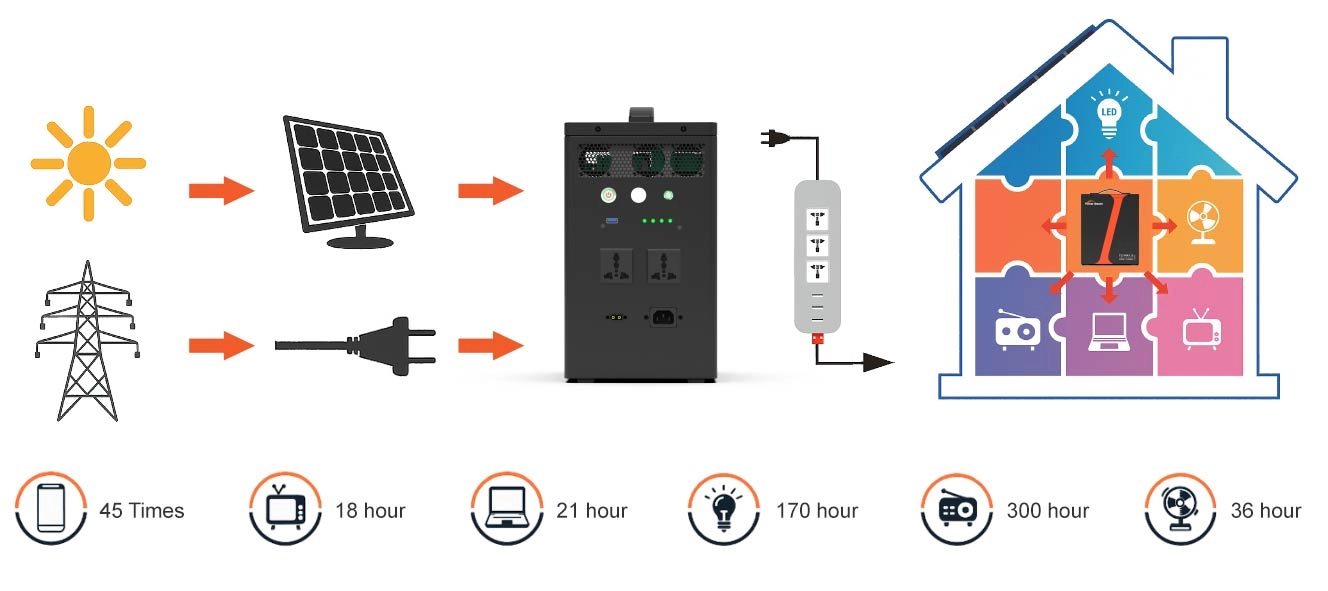
As a comprehensive solar energy storage solution, it stands out with versatile AC, DC, and USB outputs. Its dual 120 V AC outlets deliver up to 500 W of continuous power for refrigerators, pumps, and basic appliances. At the same time, the 12 V/10 A DC port and multiple USB ports support a range of electronic devices and lighting. In a simultaneous load test, the MA1.8 powered a 150 W refrigerator, a 30 W LED lamp, and a 60 W laptop for 8 hours, consuming only 1.9 kWh of electricity.

I tested it by powering essential devices simultaneously to demonstrate the MA1.8’s efficient energy management and powerful inverter performance. Its pure sine wave inverter output minimizes harmonic interference, ensuring safe operation of sensitive medical or audio equipment.
best solar generators

Portability and rugged design

This best solar generator features a rugged metal casing with IP21-rated sealing to withstand drops of up to 1 meter and strong splashes, as well as an operating temperature range of -20°C to 50°C (0°C to +50°C). The integrated handle and 17.8 kg weight make it suitable for camping, field research, or disaster relief. We field-tested the MA1.8 in heavy rain, sandstorms, and high humidity, and it always remained operational without particle or moisture ingress. The shockproof battery pack and anti-vibration electronics inside effectively prevent mechanical stress during transportation. The combination of portability and ruggedness ensures that the MA1.8 is the best solar generator for both recreational and industrial applications. The specific parameters are as follows:

Product Parameters:

Battery chemistry Lithium-iron phosphate (LiFePO4)
Battery capacity 1792Wh&2000Wh(option)
Battery lifespan 8000 cycles
Battery level indicator Yes’ four LEDs
AC input (Grid) 220 Vac 50 / 60Hz
DC input (solar) 12-60 Vdc / 450W max
AC output /Waveform 520W max / Pure sine-wave
Output Interface AC 220V×2’ USB3.0×1
Protection Overcharge & over-discharge protection / Over-voltage & under-voltage protection /
Over-current protection / High&low temperature protection /
Overload protection / Shortcircuit protection / Fault protection
IP protection level IP21
Operating/ Storage Temp. 0oc to +50℃ / -20oC to +50oC
Net weight 17.8 kg
Dimensions 250×180×305mm
Certification UN38.3’ MSDS

Becoming the best solar generator

The MA1.8 solar generator is the best solar generator, boasting a dual-battery boost solution, 500 W/1.8 kWh storage capacity, an 8,000 cycle life, fast charging, high-power MPPT input, versatile output, and rugged portability. We recommend it for off-grid homes, mobile workshops, and critical backup applications that require high durability, speed, and efficiency.

How to design hybrid solar system using lithium solar batteries?

lithium solar batteries offer superior energy density, cycle life, and efficiency over traditional lead-acid batteries. They can achieve a faster return on investment by reducing routine maintenance and extending service life at the same time. When designing a hybrid solar system with lithium solar batteries, we will select the appropriate battery capacity and inverter configuration based on the specific use case, as well as integrate robust charging control, monitoring systems, and safety protocols. These measures allow engineers to construct robust, high-efficiency lithium solar hybrid systems through professional, data-based implementation.

Why choose lithium solar batteries over lead acid?

When designing a hybrid solar system, choosing lithium solar batteries over lead-acid batteries has several decisive advantages. It delivers 2-3 times the chemical energy density of lead-acid batteries, reducing required volume and weight by approximately 50% at equal capacity – perfect for space-constrained installations. Second, at 80% depth of discharge, lithium-ion solar cells have a cycle life of more than 6,000 times and significantly reduced life cycle costs.

In addition, the high round-trip efficiency of lithium solar batteries ensures minimal energy loss during the charge/discharge process. In contrast, the round-trip efficiency of lead-acid batteries is only 75-85%. We specify lithium ion solar batteries in all hybrid designs to maximize system uptime and minimize replacement downtime. Finally, the fast charge/discharge characteristics of lithium batteries also support energy management strategies that enable load shifting and rapid solar ramp capture, thereby enhancing the overall resiliency of the hybrid solar system.

Why choose lithium solar batteries over lead acid?

Load Analysis and PV Array Sizing with Lithium Solar Batteries

When integrating lithium solar batteries into a hybrid system, engineers first analyze loads by identifying critical and non-critical equipment (lighting, cooling, HVAC, etc.), then calculate their daily kilowatt-hour consumption. Next, a 20% safety margin is applied and system inefficiencies are accounted for, including inverter losses (approximately 5-7%) and battery charge/discharge losses (5%). For example, using 5 peak sunlight hours per day would require sizing a 2.4 kW array, and exceeding capacity by 10-20% ensures that the lithium-ion solar array can be fully charged even in non-ideal weather. This meticulous approach maximizes energy harvesting and ensures reliable battery state-of-charge management.

Sizing the Lithium ion solar battery

Once the PV sizing calculations are complete, the next step is to select the right capacity lithium ion solar battery. For example, if the system requires 12 kWh of available storage per day and specifies 80% DoD, the nominal battery capacity must be 15 kWh. Also, determine the number of days of autonomy (typically one to two days in an off-grid design), so two days of autonomy at 12 kWh/day requires a nominal capacity of 30 kWh. I recommend using a modular battery rack starting at 15 kWh, with expansion slots for an additional 15 kWh, to enable phased capital expenditures. Finally, we consider the impact of ambient temperature on Li-ion battery performance. The hybrid solar system automatically reduces capacity by 10% in extreme temperatures (above 40°C or below 0°C) to protect battery health and extend service life.

Sizing the Lithium ion solar battery

Inverter and Charge Controller Integration

Integrating lithium solar batteries into a hybrid solar system also requires careful matching of the inverter and charge controller. First, engineers select an MPPT charge controller with a rated current 25% higher than the PV array’s maximum output – for instance, pairing a 3 kW solar array with a 4 kW controller to manage surge conditions. Second, they choose a hybrid inverter/charger supporting both grid-tied and off-grid operation, sized at 125% of peak load capacity to handle appliance surge currents. Based on this scenario, I choose a 5 kW hybrid inverter to seamlessly manage a 4 kW PV array and a 30 kWh battery pack. Supporting charging algorithms specific to lithium solar batteries on the hybrid inverter maintains optimal battery health. This integration maximizes solar self-consumption, provides seamless backup, and improves overall system reliability.

Monitoring, Control, and Safety Protocols

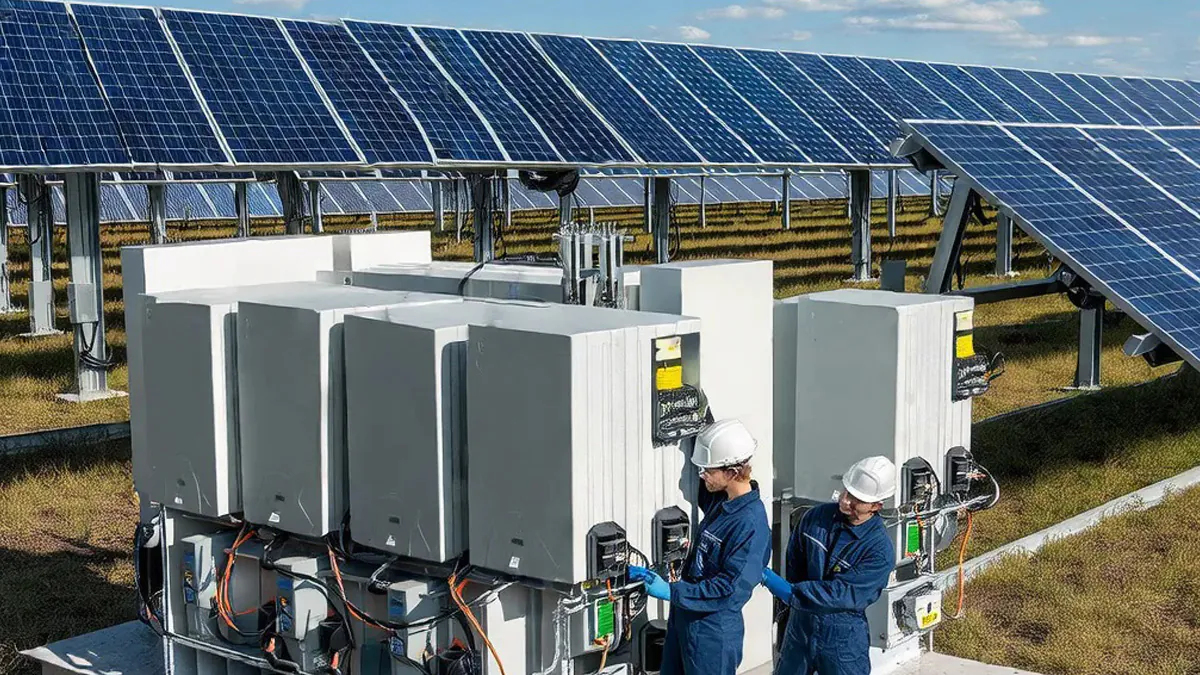
Engineers prioritize robust monitoring and safety for lithium solar batteries. The integrated battery management system not only measures SOC and voltage but also continuously tracks individual battery voltage, temperature, and health parameters. This prevents overcharging, over-discharging, and thermal runaway. We implement a remote telemetry dashboard to send alerts for any deviations, enabling proactive maintenance. Also included are AC and DC circuit breakers, overcurrent protection, and proper ventilation that comply with NEC and IEC standards. Arc fault detection devices and ground fault monitoring are used to protect the wiring system, ensuring that lithium solar battery installations are compliant, safe, and reliable under all operating conditions.

Comprehensive battery management system

Building a perfect hybrid solar system

Lithium ion solar batteries can replace lead-acid batteries for higher autonomy and lower total life cycle costs. Hybrid solar systems built with lithium solar batteries can take into account their high energy density, longer cycle life, and excellent efficiency to meet the energy needs of customers in South Africa, Nigeria, Pakistan, and other regions.

The most significant advantage of lithium ion solar batteries for large-scale energy storage

Lithium ion solar batteries convert solar energy into reliable, on-demand power for large-scale applications. They have a higher energy density per cubic meter than lead-acid batteries and flow batteries, significantly reducing the installation footprint. Lithium solar batteries have deep cycle durability, able to withstand thousands of cycles with minimal capacity decay, ensuring a service life of up to ten years. Fast response characteristics and intelligent management systems allow them to adjust output to meet grid demand in milliseconds to meet the needs of large-scale applications.

Higher energy density and faster efficiency of lithium ion solar batteries

The high energy density of lithium ion solar batteries can significantly reduce the site footprint of large-scale energy storage. For example, our 15kWh solar battery storage module has the same usable energy as 30kWh of traditional lead-acid batteries. It can be installed on rooftops, in containers, or existing equipment rooms. The battery racks are designed to maximize the efficiency of kilowatt-hours per cubic meter, reducing site costs by up to 40% compared to traditional systems. In addition, these high-energy-density modules streamline logistics, cut transportation and installation costs, and enable rapid deployment in space-constrained urban or rugged environments. This space efficiency is ideal for use in urban solar farms, electric vehicle charging centers, and large-scale users.

Higher energy density and faster efficiency of lithium ion solar batteries

Deep cycle durability, extended service life

Deep cycle durability enables lithium ion solar batteries to ensure stable capacity after thousands of cycles in large-scale energy storage. Therefore, we use lithium ion solar battery in our battery packs, which retain over 80% of rated capacity after 6,000 full cycles. This enables lithium-ion solar systems to reliably deliver peak shaving and frequency regulation for 10-15 years with minimal performance loss. It uses enhanced battery separators and advanced electrolyte formulations to resist degradation under high-rate discharge and ensure stable voltage curves during rapid cycles.

In addition, they can use the most advanced battery management system to balance battery voltage and temperature to prevent imbalances that lead to premature aging. This deep cycle toughness directly translates into lower levelized energy storage costs for utilities and commercial end users.

Bring fast response and grid stability

Lithium ion solar batteries have a fast response speed, which can be a good way to stabilize electricity and auxiliary services. The BMS detects frequency deviations within 10 milliseconds and dispatches corrective power accordingly. Therefore, our battery energy storage system provides synthetic inertia and frequency support for grids with high penetration of renewable energy. At the same time, combined with hybrid inverters, it can transition from idle to full discharge within 50 milliseconds, meeting the strict ERCOT and PJM interconnection requirements. This instantaneous power injection can smooth voltage sags and instantaneous power outages, thereby improving the overall power quality. Therefore, large-scale users and users in areas with extended power outages will use lithium ion solar batteries to start and smooth emergency loads during severe weather events or unexpected generator failures, thereby enhancing the resilience of the grid.

Bring fast response and grid stability

Modularity and Scalability of Lithium ion Solar Batteries

Scalability is another hallmark feature of lithium ion solar batteries, which can easily achieve modular and incremental capacity growth. First, you can deploy containerized 100 kWh modules interconnected by CAN bus and standardized DC bus; second, other modules can be snapped into existing racks and hot-swapped without shutting down the system. At the same time, our system architecture can be developed around plug-and-play power modules, ensuring that field expansion does not require downtime or complex rewiring. Standard communication protocols like Modbus and IEC 61850 enable seamless integration of new modules into SCADA systems. This modular scalability supports changing needs and maintains redundancy and system reliability throughout the installation.

Safety, thermal management, and reliability

The adoption of lithium solar batteries in large-scale applications also lies in their safety and reliability. Each battery string includes redundant temperature sensors and pressure relief vents, so the battery management system detects abnormalities and triggers a controlled shutdown to prevent thermal runaway. And it is also possible to specify the use of liquid cooling jackets or phase change heat sinks in high temperature environments to keep the battery temperature between 25°C and 45°C, thereby optimizing performance and service life. In addition, BARANA’s system complies with UL 1973, IEC 62619, and NFPA 855 standards, providing insurance-level safety for mission-critical deployments. This layered protection ensures operational continuity for utilities, data centers, and large-scale users, giving them peace of mind that lithium-ion solar cells deliver both performance and the highest safety standards.

The most significant advantages for large-scale applications

The most significant advantages of lithium ion solar batteries are their high energy density, deep cycle durability, fast response, modular scalability, and strong safety, which make them easily applicable in any large-scale scenario. With these advantages, users can reduce the total cost of ownership, obtain excellent power quality, and enhance energy resilience.