How to prevent capacity degradation of lithium ion solar batteries?
Customers in South Africa, Nigeria, Pakistan, and other regions choose to use lithium ion solar batteries as their energy storage batteries. Therefore, customers in these regions must be aware of how to prevent lithium ion solar batteries capacity decay during use. If best practices are not followed, the battery capacity may drop by up to 20% in the first two years. Therefore, we need to follow charging protocols, environmental control, system integration, and other conveniences to help customers in these regions maximize the service life of lithium ion solar batteries in off grid solar power systems.
Limit the depth of discharge of lithium ion solar batteries to extend life
One of the most effective ways to prevent lithium ion solar battery capacity decay is to limit the depth of discharge. Keeping the DoD below 80% instead of below 100% can double the cycle life from 1,000 cycles to more than 2,000 cycles. At the same time, many lithium ion solar battery management systems include a programmable DoD cutoff function that automatically disconnects the load at a set threshold. Therefore, you can configure the off-grid solar power generation system to retain 20% of the battery capacity as a buffer, preventing deep discharge from accelerating electrode wear and electrolyte decomposition.
Additionally, set low-voltage alarms to warn of severe losses before they occur, and integrate load-shedding protocols to prioritize the protection of critical circuits. By managing DoD, customers in hot climates, such as South Africa and Nigeria, can maintain more than 90% capacity retention after 1,000 cycles, ensuring reliable solar energy storage even in cases of uneven sunlight exposure.

Perform temperature control and thermal management.
Both overheating and overcooling accelerate the capacity decay of lithium ion batteries used in solar batteries. The battery management system actively maintains operating temperatures between 15°C and 35°C to minimize side reactions and keep electrode degradation within reversible limits. In Power Dream’s lithium ion solar batteries, we install battery housings with passive ventilation and, when necessary, small thermostatically controlled fans to dissipate heat in summer regions such as South Africa. Conversely, on winter nights, we use insulated, frost-proof housings and low-power heating elements to keep the battery temperature above 5 °C. Additionally, avoid direct midday sunlight by shading the battery modules or placing them in ventilated, reflective enclosures. Proper thermal management can reduce irreversible capacity loss by up to 30%, thereby extending the effective life of lithium solar batteries across various climate conditions and increasing daily energy production.
Optimizing charging voltage and current for lithium ion solar batteries
The charging protocol of lithium ion solar batteries can significantly impact the long-term health of these cells. For example, charging the battery to 4.10 V instead of the maximum value of 4.20 V—thereby reducing cathode stress and electrolyte decomposition—can extend the cycle life by 25%. Prevent sudden voltage spikes and gasification by programming the MPPT charge controller to gradually minimize the current above 80% state of charge. At the same time, it is necessary to avoid maintaining full current for an extended period and instead use trickle charging or maintenance charging at 4.05 V to compensate for self-discharge. The battery management system limits charging current to below C/2, thereby minimizing electrode expansion and mechanical stress to slow capacity degradation and preserve available capacity across seasonal cycles.
Balancing the batteries through regular balancing
Cell imbalance can also cause some batteries to reach voltage limits prematurely, leading to irreversible damage to lithium ion solar batteries. In addition to passive balancing by the BMS, regular manual equalization charging restores uniform cell voltages across the string. As a result, all cells age at the same rate. We advise conducting equalization every 50-100 cycles by applying a controlled 4.10V charge to each cell until the balancing current falls below C/20, confirming cell balance.
This process corrects for voltage drift caused by manufacturing tolerances, temperature gradients, or partial cycling. Additionally, monitoring battery voltages via the BMS alert log can identify weak cells before they compromise the entire stack. Utilizing regular balancing can reduce capacity differences from 5% to less than 1%, preserving overall stack performance.
Consider solar system design and integration
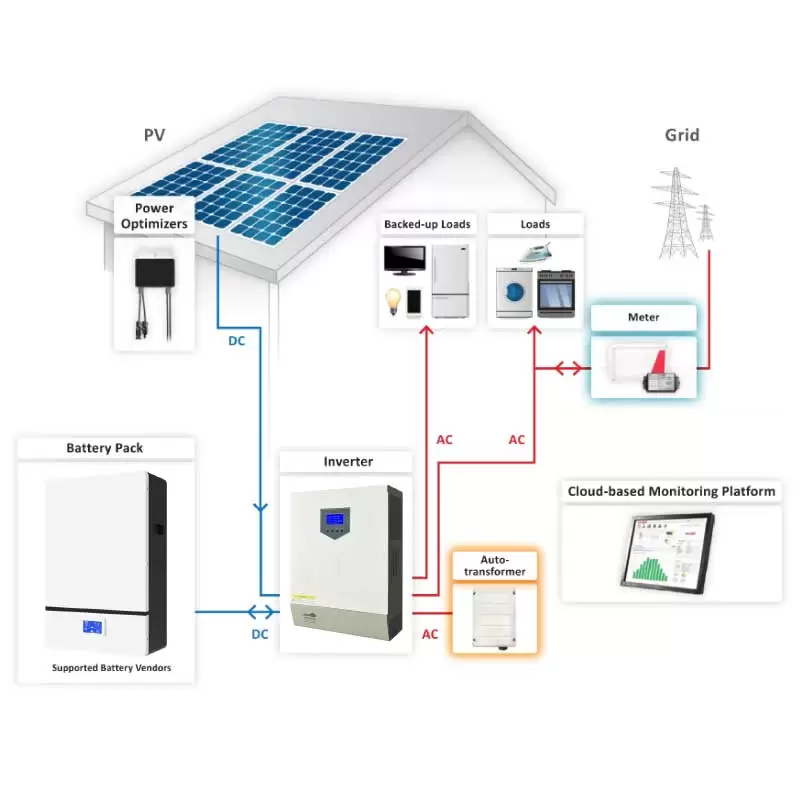
The broader system design affects how well lithium ion solar batteries age. In general, size the PV array, MPPT charge controller, and inverter to match the battery capacity, thereby avoiding stressing the battery with chronic under- or overcharge conditions. It is necessary to ensure that the PV array produces at least 1.2 times the average daily battery load to prevent negative state of charge drift. Additionally, load management software should be written to cut non-critical loads during resource scarcity. Additionally, sufficient battery redundancy must be implemented to enable some battery strings to enter a dormant state, thereby reducing the average discharge depth per cycle. During long, cloudy days, utilize intelligent energy management to isolate battery groups and prevent excessive battery depletion. From panel size and controller configuration to load scheduling, thoughtful system integration is the basis for minimizing capacity decay and providing stable performance.

Preventing Lithium Solar Cell Capacity Degradation
Preventing capacity decay in lithium-ion solar batteries requires managing discharge depth, controlling temperature, optimizing charging voltage and current, regular battery balancing, and careful design of the entire system. This can ensure that more than 90% capacity retention is maintained after 1,000 cycles in the hot climate of South Africa, the humid climate of Nigeria, or the temperature changes in Pakistan.