Tag Archive for: Hybrid Solar System

The Most Detailed Buyer’s Guide to Hybrid Solar Solutions to 2025

Hybrid solar solutions offer predictable savings, long-term value, and energy independence. For most clients we work with, we see a return on investment in under four years, with significantly lower electricity costs, allowing you to reap the benefits of renewable energy quickly. PowerDream’s hybrid solar solutions include a comprehensive warranty package to protect your investment, with an expected lifespan of over 25 years. Furthermore, these systems are delivered ready for installation. Each hybrid solar system is plug-and-play, allowing safe and easy connection to your home’s main AC distribution panel. Whether your local grid uses 230V or 120/240V split-phase power, PowerDream’s hybrid solar solutions are globally compatible.

Hybrid Solar Solutions: How Resilience Leads to Higher Efficiency

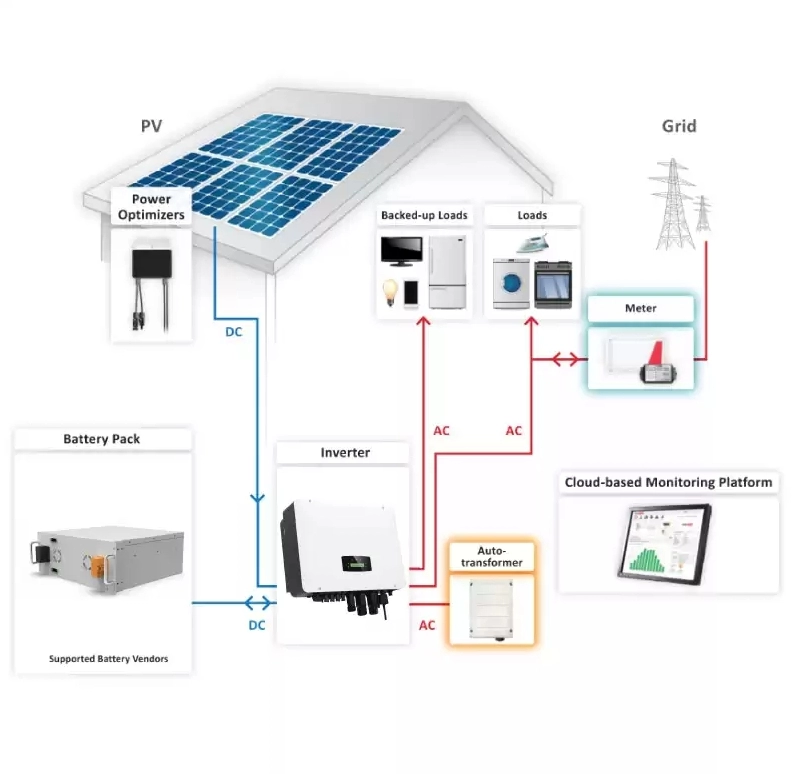
At the heart of a hybrid solar solution lies a comprehensive architecture. At the heart of every hybrid solar system is a photovoltaic array, which collects sunlight and generates direct current (DC) electricity. This DC feeds a hybrid inverter, which simultaneously manages PV conversion, battery charging, and AC loads. This integrated approach reduces conversion losses and improves system efficiency compared to using separate, discrete components.

Furthermore, intelligent energy management software optimizes when to store, consume, or export energy based on time-of-use rates, battery state of charge, and household needs. This allows you to save even more when electricity prices spike and your energy storage replaces expensive grid power. Because the PowerDream hybrid inverter and battery management system are designed to work together, the system seamlessly coordinates under various conditions to ensure critical circuits remain powered.

Determining and Planning a Hybrid Residential PV System

With hybrid solar solutions, the right size determines whether a hybrid solar system meets your goals. First, analyze recent utility bills to determine daily electricity usage and peak demand. Next, assess rooftop orientation, shading, and available area to estimate realistic PV output. For many American households, a system that offsets 60% to 100% of their annual electricity use strikes a balance between costs and benefits.

The PowerDream system’s modular design allows you to start with a basic configuration and expand as your needs or budget change. During planning, we select the appropriate battery capacity based on backup goals. Smaller batteries (5-10 kWh) are typically used to power baseloads during short outages, while larger batteries (10-20 kWh and above) support more extended periods of autonomy or whole-house power. In short, careful planning before finalizing a hybrid solar system ensures your hybrid solar solution is cost-effective and compliant.
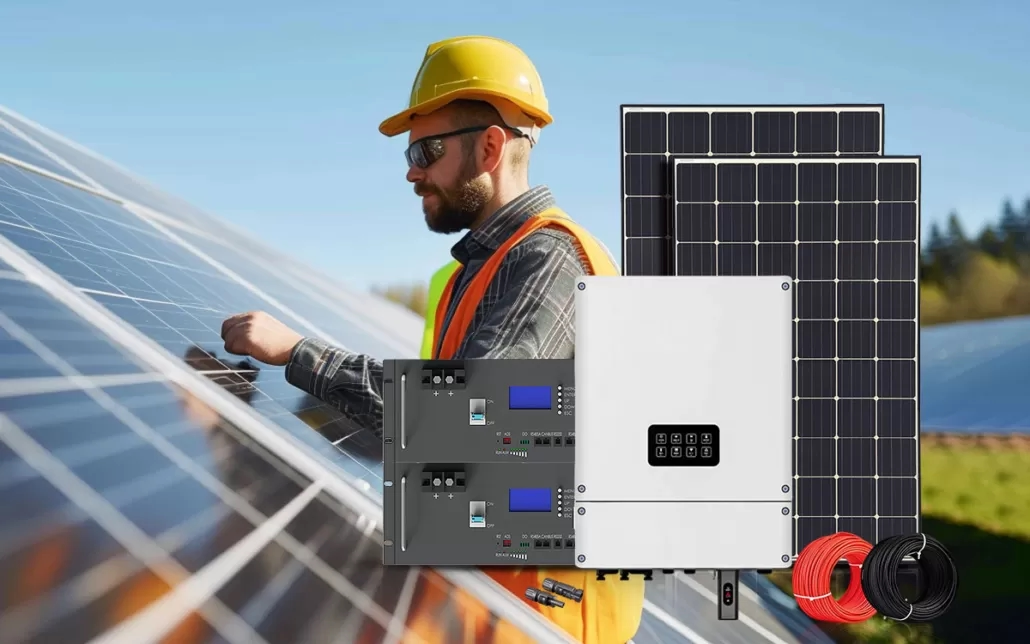
Determining and Planning a Hybrid Residential PV System

Installation, Assembly, and Site Preparation

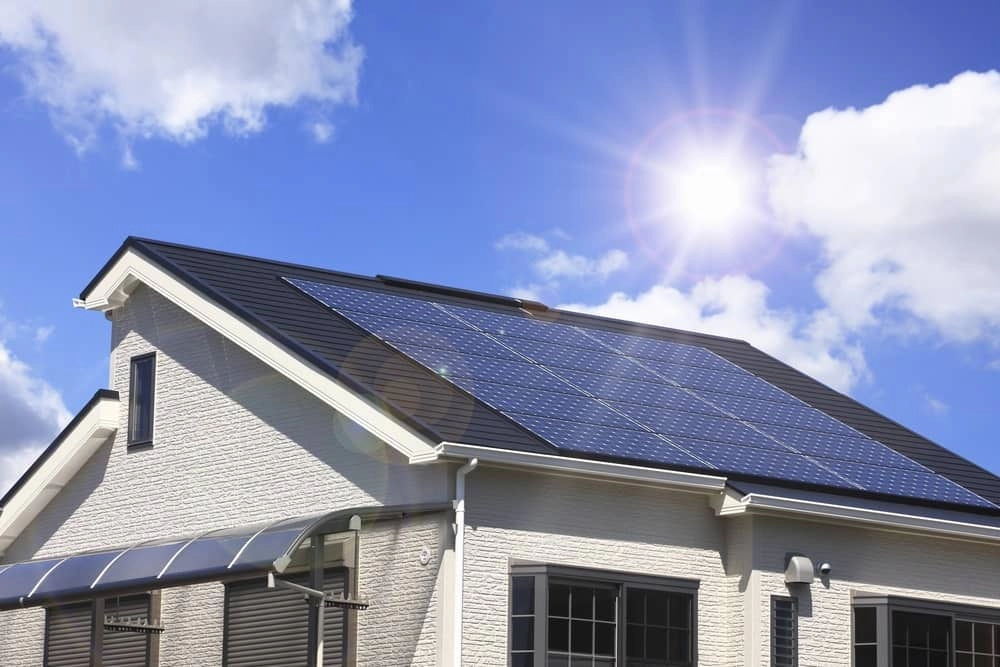
Installation quality is just as important as component selection. PowerDream’s hybrid solar systems utilize an all-aluminum solar racking system that is durable, corrosion-resistant, and compatible with nearly all roof types. Thanks to standardized mounting hardware with rails and clamps, installers can quickly and safely achieve consistent, waterproof connections.

This plug-and-play system simplifies on-site wiring. Furthermore, PowerDream’s hybrid inverters are pre-configured for standard grid voltages (230V or 120/240V), and labeled connectors simplify AC and DC termination. During installation, our technicians inspect the roof’s integrity and assess wind and snow loads by local codes. Post-installation, commissioning confirms PV output, inverter settings, and battery health. Finally, because PowerDream supports remote commissioning and monitoring, installers can verify system performance and deliver complete documentation.

Hybrid solar system installation, assembly and site preparation

Ensuring a Longer Lifecycle for Hybrid Solar Solutions

Hybrid solar systems can last for decades if proactively maintained. Regular inspections, cleaning the PV glass, checking mounting fasteners, and verifying inverter ventilation ensure system performance close to nameplate ratings. Batteries require regular monitoring of their health, but the lithium-ion batteries used in PowerDream installations are generally low-maintenance.

PowerDream offers an explicit warranty covering the PV panels, inverter, and battery pack in its hybrid solar solutions. Most of our customers see a return on their investment within four years, thanks to lower electricity costs, incentives, and the avoidance of peak rates. Over a 25-year lifespan, the accumulated savings often multiply the initial investment, especially with time-of-use rates and robust net metering or export credits. Strict maintenance practices coupled with a firm warranty policy preserve the system’s value and maximize the return on investment (ROI) for hybrid solar systems.

Enjoy a Better Clean Energy Future

As an experienced solar system provider with comprehensive specifications and strong after-sales support, PowerDream offers carefully designed hardware, tested components, and consistent quality in our hybrid solar solutions. We offer hybrid solar solutions with modular expansion, firmware upgrades, and open communication protocols. This allows you to add more PV systems, larger batteries, or smart home integration as technology and energy needs evolve. This offers a more sustainable energy future and a higher return on investment for those who opt for this solution.

Frequently Asked Questions (FAQs) about Hybrid Solar Solutions

Q1. What is the difference between a hybrid solar system and a traditional grid-tied system?
A1: A hybrid system includes batteries and a hybrid inverter to manage PV generation, energy storage, and AC loads. A grid-tied system without a battery can import or export power but cannot provide backup power during a power outage.

Q2. How long does it take to see a return on investment with a PowerDream hybrid solar solution?
A2: Most customers see a return on investment in less than four years, depending on local electricity prices, incentives, and system size. Over the course of 25 years, the cumulative savings can be substantial.

Q3. Can the PowerDream system be installed on any type of roof and in any country?
A3: Yes. The all-aluminum mounting system is compatible with most roof types, and the PowerDream inverter supports both 230V and 120/240V grid voltages, making it suitable for many international installations.

Q4. What warranty and support are included with the hybrid solar solution?
A4: PowerDream offers a comprehensive warranty covering the modules, inverter, and battery.

How to design hybrid solar system using lithium solar batteries?

lithium solar batteries offer superior energy density, cycle life, and efficiency over traditional lead-acid batteries. They can achieve a faster return on investment by reducing routine maintenance and extending service life at the same time. When designing a hybrid solar system with lithium solar batteries, we will select the appropriate battery capacity and inverter configuration based on the specific use case, as well as integrate robust charging control, monitoring systems, and safety protocols. These measures allow engineers to construct robust, high-efficiency lithium solar hybrid systems through professional, data-based implementation.

Why choose lithium solar batteries over lead acid?

When designing a hybrid solar system, choosing lithium solar batteries over lead-acid batteries has several decisive advantages. It delivers 2-3 times the chemical energy density of lead-acid batteries, reducing required volume and weight by approximately 50% at equal capacity – perfect for space-constrained installations. Second, at 80% depth of discharge, lithium-ion solar cells have a cycle life of more than 6,000 times and significantly reduced life cycle costs.

In addition, the high round-trip efficiency of lithium solar batteries ensures minimal energy loss during the charge/discharge process. In contrast, the round-trip efficiency of lead-acid batteries is only 75-85%. We specify lithium ion solar batteries in all hybrid designs to maximize system uptime and minimize replacement downtime. Finally, the fast charge/discharge characteristics of lithium batteries also support energy management strategies that enable load shifting and rapid solar ramp capture, thereby enhancing the overall resiliency of the hybrid solar system.

Why choose lithium solar batteries over lead acid?

Load Analysis and PV Array Sizing with Lithium Solar Batteries

When integrating lithium solar batteries into a hybrid system, engineers first analyze loads by identifying critical and non-critical equipment (lighting, cooling, HVAC, etc.), then calculate their daily kilowatt-hour consumption. Next, a 20% safety margin is applied and system inefficiencies are accounted for, including inverter losses (approximately 5-7%) and battery charge/discharge losses (5%). For example, using 5 peak sunlight hours per day would require sizing a 2.4 kW array, and exceeding capacity by 10-20% ensures that the lithium-ion solar array can be fully charged even in non-ideal weather. This meticulous approach maximizes energy harvesting and ensures reliable battery state-of-charge management.

Sizing the Lithium ion solar battery

Once the PV sizing calculations are complete, the next step is to select the right capacity lithium ion solar battery. For example, if the system requires 12 kWh of available storage per day and specifies 80% DoD, the nominal battery capacity must be 15 kWh. Also, determine the number of days of autonomy (typically one to two days in an off-grid design), so two days of autonomy at 12 kWh/day requires a nominal capacity of 30 kWh. I recommend using a modular battery rack starting at 15 kWh, with expansion slots for an additional 15 kWh, to enable phased capital expenditures. Finally, we consider the impact of ambient temperature on Li-ion battery performance. The hybrid solar system automatically reduces capacity by 10% in extreme temperatures (above 40°C or below 0°C) to protect battery health and extend service life.

Sizing the Lithium ion solar battery

Inverter and Charge Controller Integration

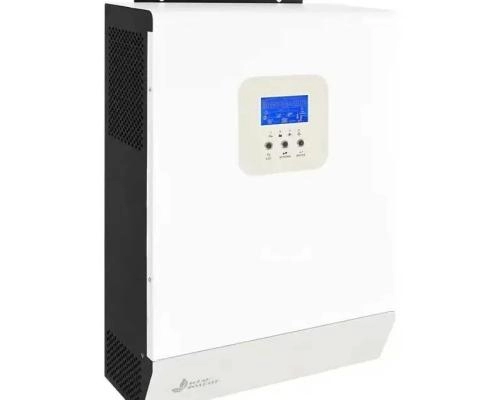
Integrating lithium solar batteries into a hybrid solar system also requires careful matching of the inverter and charge controller. First, engineers select an MPPT charge controller with a rated current 25% higher than the PV array’s maximum output – for instance, pairing a 3 kW solar array with a 4 kW controller to manage surge conditions. Second, they choose a hybrid inverter/charger supporting both grid-tied and off-grid operation, sized at 125% of peak load capacity to handle appliance surge currents. Based on this scenario, I choose a 5 kW hybrid inverter to seamlessly manage a 4 kW PV array and a 30 kWh battery pack. Supporting charging algorithms specific to lithium solar batteries on the hybrid inverter maintains optimal battery health. This integration maximizes solar self-consumption, provides seamless backup, and improves overall system reliability.

Monitoring, Control, and Safety Protocols

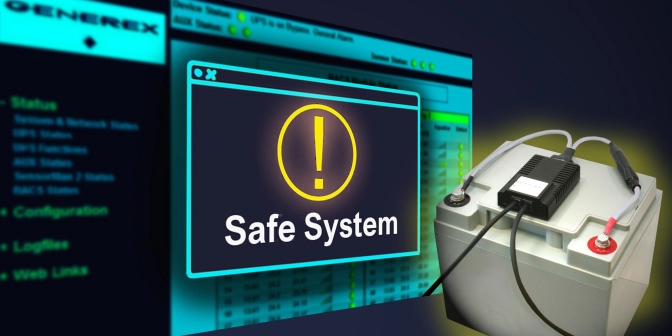
Engineers prioritize robust monitoring and safety for lithium solar batteries. The integrated battery management system not only measures SOC and voltage but also continuously tracks individual battery voltage, temperature, and health parameters. This prevents overcharging, over-discharging, and thermal runaway. We implement a remote telemetry dashboard to send alerts for any deviations, enabling proactive maintenance. Also included are AC and DC circuit breakers, overcurrent protection, and proper ventilation that comply with NEC and IEC standards. Arc fault detection devices and ground fault monitoring are used to protect the wiring system, ensuring that lithium solar battery installations are compliant, safe, and reliable under all operating conditions.

Comprehensive battery management system

Building a perfect hybrid solar system

Lithium ion solar batteries can replace lead-acid batteries for higher autonomy and lower total life cycle costs. Hybrid solar systems built with lithium solar batteries can take into account their high energy density, longer cycle life, and excellent efficiency to meet the energy needs of customers in South Africa, Nigeria, Pakistan, and other regions.

How to balance solar, batteries, and the grid in a hybrid solar system?

The hybrid solar system combines PV panels, battery storage, and grid connection to deliver reliable and efficient power around the clock. When the sun is shining, the system provides power first to the onsite loads, then to the battery, and finally to the grid. Conversely, at night or during extended periods of overcast, the system draws power from the battery and, if necessary, from the grid to meet demand. Balancing these three elements, solar generation, battery storage, and grid connection requires careful design and powerful hardware.

Considering Solar Generation and Load Matching for a Hybrid Solar System

In a hybrid solar system, onsite solar generation is always the preferred resource to meet load demand. This “solar first” approach minimizes reliance on the grid and maximizes the use of free, zero-emission energy. BARANA’s hybrid solar solutions utilize MPPT inverters to extract maximum power from PV panels, even in low-light or partially shaded conditions. In addition, real-time load sensing ensures that any excess sunlight is automatically used to charge the battery bank rather than being exported at a lower feed-in tariff. At the same time, critical loads such as refrigeration, lighting, and HVAC systems will be prioritized to ensure uninterrupted operation. As a result, you can reduce energy costs and greenhouse gas emissions while maximizing the value of your solar array.

Considering Solar Generation and Load Matching for Hybrid Solar Systems

Determine battery size for energy conversion and emergency backup

Battery capacity in a hybrid solar system has two main functions: time-shifting solar power and providing backup power during power outages. To determine the right capacity for you, we begin by analyzing your average daily electricity use, peak load, and required battery life. For example, a small commercial facility with a peak load of 20 kWh and a requirement for 12 hours of backup power needs at least 240 kWh of available energy storage plus a 20% safety margin, totaling approximately 288 kWh. LiFePO₄ batteries are often used in hybrid solar solutions because they have a long cycle life, a low self-discharge rate, and are stable over a wide range of temperatures. In combination with an intelligent charge controller, which manages the state of charge, depth of discharge, and thermal state, the hybrid solar system’s batteries remain healthy, ensuring reliable energy conversion and emergency backup power when needed.

solar energy inverter(1)

Intelligent Control Logic and Grid Interaction of Hybrid Solar System

The control logic of a hybrid solar system makes a decision every second on whether to use solar power, draw power from the battery, or import power from the grid. BARANA’s hybrid solar solution utilizes advanced energy management software that continuously monitors PV output, battery state of charge (SoC), real-time grid electricity prices, and user-defined priorities. During high-price periods, the system discharges battery power to minimize grid purchases; during low-price or off-peak periods, the system charges with excess solar power or cheap grid power. Additionally, participating in demand response programs enables the system to temporarily reduce its load or export stored power, earning additional revenue while supporting grid stability. This sophisticated scheduling mechanism ensures that your hybrid solar system operates at optimal economic efficiency without compromising reliability.

Integrating Weather and Load Forecasting

Weather variability poses a significant challenge to maintaining the balance of a hybrid solar system. To address this challenge, we integrate short-term solar irradiance forecasts and load forecasts using intelligence-driven algorithms. By analyzing historical generation and consumption patterns, as well as real-time weather data, the system can dynamically adjust charging and discharging schedules. For example, suppose the forecast predicts cloud cover for the afternoon. In that case, the controller will pre-charge the battery in the morning when there is plenty of sunshine to ensure sufficient power reserves. Conversely, on consecutive sunny days, it may limit battery cycling to maintain battery health. This proactive approach significantly improves energy production, extends component life, and ensures uninterrupted power supply even in rapidly changing weather conditions.

Integrating Weather and Load Forecasting

Ensure reliability through redundancy and maintenance.

The reliability of hybrid solar systems depends in part on hardware redundancy and careful maintenance. Our designs typically include dual inverters, parallel battery packs, and backup communication paths to ensure that single-point failures do not affect the entire system. At the same time, we advise our users to perform quarterly inspections to check the integrity of PV modules, the thermal performance of inverters, battery health indicators, and grid interconnection compliance. Through the remote monitoring platform, the system’s health status is tracked in real-time, triggering alarms when abnormal conditions, such as inverter derating or atypical SoC drift, occur. By combining redundancy with proactive maintenance protocols, you can ensure that your hybrid solar system can provide uninterrupted power even during component failures or extreme weather events.

Balancing solar energy, batteries and the grid brings warmer electricity.

To balance solar energy, batteries, and the grid in a hybrid solar system, we combine intelligent control logic, precise scale configuration, weather forecasting, hardware redundancy, and proactive maintenance to provide scalable designs for residential, commercial, and industrial applications. By prioritizing onsite solar energy, optimizing battery energy storage, dynamically interacting with the grid, and leveraging predictive algorithms, you can maximize the utilization of renewable energy, reduce utility costs, and improve the user experience.