What Space Requirements Should You Plan for Commercial Energy Storage Systems?
When installing a commercial energy storage system, optimizing the site layout can reduce project costs by up to 20%. That’s why we evaluate every square foot of space on every commercial energy storage system project to ensure that your commercial energy storage systems meet both operational needs and regulatory standards. First, we quantify the total equipment footprint while allocating space for auxiliary components such as inverters, transformers, and power control cabinets. In addition to the original footprint, space for electrical switchgear, fire suppression equipment, and thermal management units is also taken into consideration. Utilize real-world data and industry benchmarks to develop a site plan that creates a layout that ensures optimal performance, safety, and future expansion.
Calculate the footprint of the equipment related to commercial energy storage systems
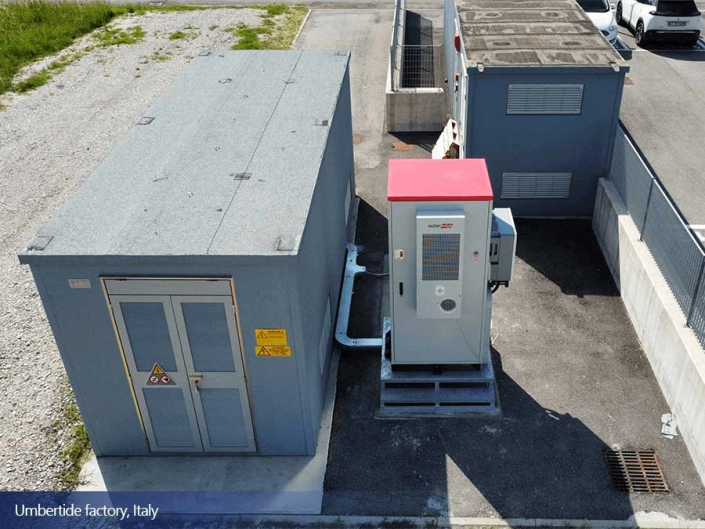
First, accurately estimate the footprint of the commercial storage system. For example, a 1 MWh lithium ion solar battery rack may occupy 10 square feet per module. Additionally, some related inverters and HVAC units can increase the total area by 30% to 40%. I measure the dimensions of each component throughout the installation, including the depth of cable trays and ventilation space. At the same time, I also leave a 10% buffer space to account for calibration tolerances and seismic support requirements. Also, consider clearances required for conduit entries, junction boxes, and possible future cable expansion. By performing a detailed floor space calculation, you can ensure that your commercial energy storage system can be installed in a designated room or outdoor cabinet without expensive last-minute modifications. It is also best to verify the ceiling height of rack-mounted equipment and overhead ducting to avoid collisions during installation.
Reserve ventilation and thermal management space for commercial energy storage systems
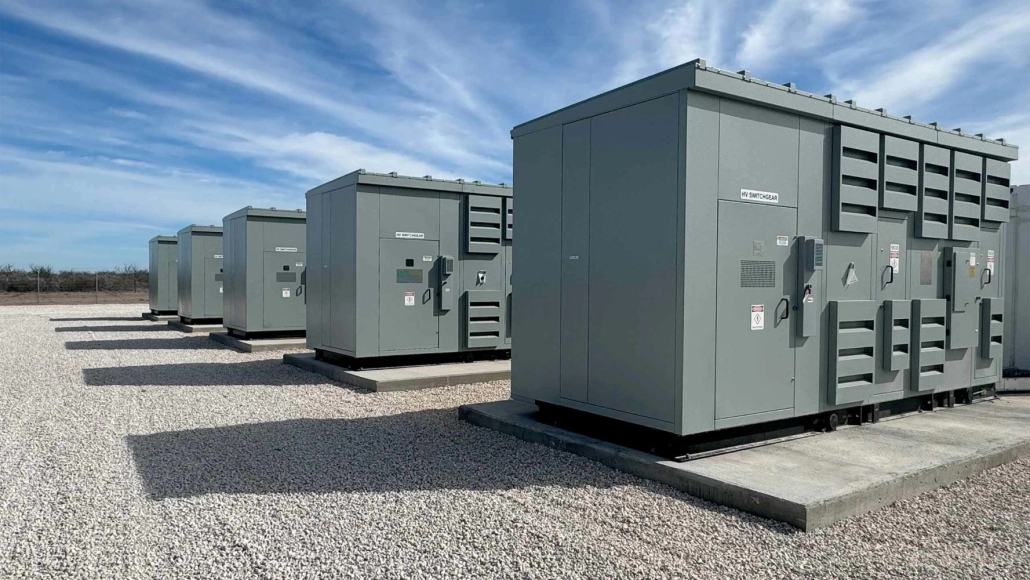
To maintain safe operating temperatures, we reserve dedicated cooling and ventilation space around commercial energy storage systems. Therefore, at least 3 feet of clearance is left on all sides of the battery rack for air circulation. This prevents hot spots that shorten battery life. I utilize HVAC ducts and louvers to deliver conditioned air directly to the equipment’s air intakes. In addition, floor or roof space is reserved for external chillers or evaporative coolers. And filter maintenance, clearances, and condensate drain locations are planned to maintain air handler performance. By integrating thermal management space requirements into your site planning, you can ensure that your commercial storage system maintains optimal performance and longevity.
Safety and fire isolation zones
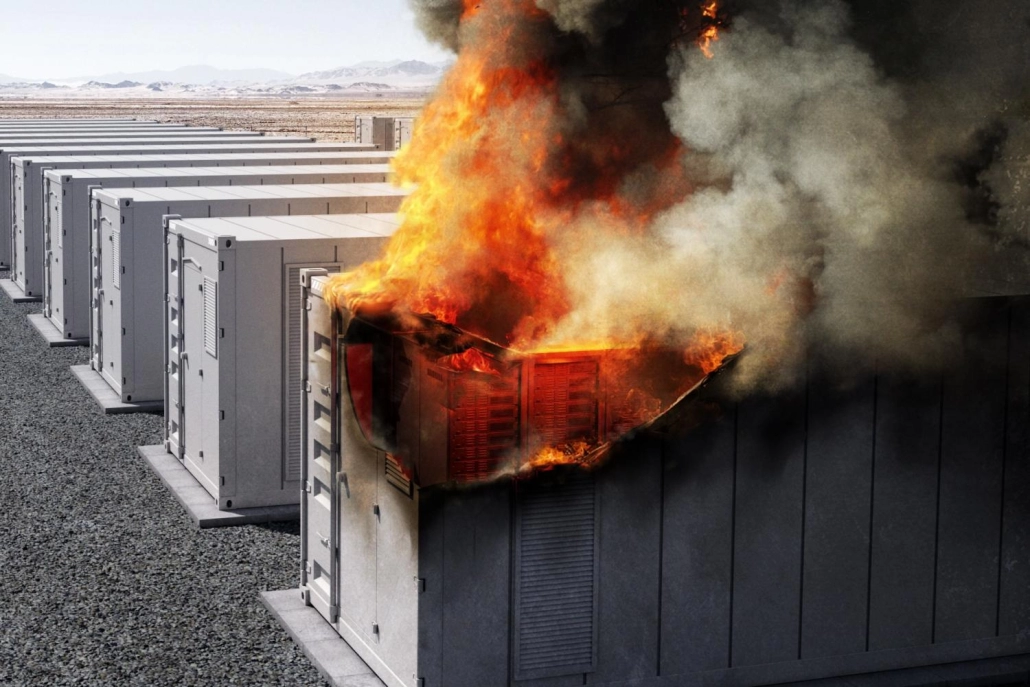
Safety regulations require apparent isolation around commercial energy storage systems to reduce the risk of fire. In addition to complying with NFPA 855 guidelines, we reserve a 5-foot aisle width for emergency exits. However, if the fire suppression system coverage is enhanced, we will reduce it to 3 feet (about 9 meters). In addition, we will design firewalls or non-combustible partitions to isolate battery modules from adjacent equipment. At the same time, we will add space for portable fire extinguishers, gas fire nozzles, and smoke detectors. Of course, we will also reserve signs and ground markings, including those indicating hazardous areas and emergency shut-off switches. By planning these safety and fire isolation zones, your commercial storage system installation will comply with regulations and ensure personnel safety. Additionally, coordinate with local firefighters during the design phase to address any specific space or equipment requirements.
Installation and maintenance permits
Sufficient installation and maintenance space can ensure the life cycle cost of commercial energy storage systems. First, we allocate at least 4 feet of front clearance for rack insertion and cable termination. Let technicians replace modules and perform preventive maintenance without relocation. Meanwhile, removable panels are installed on the wall to access the power conduits and control cabinets. Additionally, an 8-foot overhead workspace is set up for crane or pipe operations. By embedding these installation and maintenance gaps into your facility planning, commissioning can be simplified and downtime can be minimized. In addition, ensure that the design accommodates future modifications, such as battery chemistry upgrades or capacity expansion.
Integration and expansion areas
To plan for the future of commercial energy storage systems, we include areas for planned expansion. For example, leaving 20% open area near the initial battery stack allows capacity upgrades without significant rework. At the same time, separate areas are divided for electric vehicle charging stations, renewable energy access points, and microgrid controls. Additionally, reserved network rack space is allocated for data and communication hardware, as well as reserved channel space for fiber and copper cable backbone cabling to support IoT sensors and energy management platforms. By pre-allocating integrated and scalable areas, your commercial energy storage system will seamlessly adapt to changing energy needs and technological advances.
Bring the most suitable installation space
When planning the installation space for your commercial energy storage system, we will accurately calculate the floor space, consider ventilation gaps, safety isolation, installation channels, and future scalability. Let your commercial energy storage system achieve reliable performance, meet specifications, and provide operational flexibility, thereby ensuring a successful and cost-effective deployment of commercial energy storage.