How to Fix Low Energy Output from an 18 kWh Solar System: Panel & Inverter Adjustments
A homeowner installed an 18 kWh solar system, expecting to save $200 per month on electricity bills, with a projected 80% reduction. However, they only saved $60 per month, losing $140 due to insufficient system performance. This is not an isolated case; in practice, 63% of users experience inadequate power generation, resulting in an average annual energy-saving loss of $960 per household. For off grid solar systems that rely entirely on solar energy, insufficient power generation can mean frequent power outages or the need for expensive backup generators.
As a professional solar system supplier, we know that insufficient power generation in an 18 kWh solar system is rarely caused by “product malfunction.” It can almost always be resolved through targeted adjustments to the solar panels and inverter, maximizing power generation and return on investment.
Causes of Low Power Generation in an 18 kWh Solar System – Key Fault Diagnosis
Before adjusting the solar panels or inverter, it is crucial to identify the root cause of low power generation. In 18 kWh solar systems, low power generation is typically caused by five common issues, none of which require replacing the entire system. First, the primary reason is misaligned solar panels. Panels that are not facing due south or are at an incorrect tilt angle can lose 10-25% of their potential power generation. Next, dirty or obstructed panels—such as dust, bird droppings, or pollen—can reduce panel efficiency by 15-20%. Even partial shading, such as tree branches blocking 10% of a solar panel’s area, can reduce series output by 50%.
Additionally, mismatched or inefficient inverters can cause problems. An inverter with insufficient power will cut off excess power, while an inverter with excessive power will waste energy in standby mode. Outdated firmware or incorrect settings can reduce conversion efficiency by 5% to 8%.
Other issues include loose wiring connections, thin wires, or damaged cables, all of which create resistance and dissipate energy before it reaches your house or the battery. Finally, degraded battery performance (off-grid): In off-grid solar systems, old or poorly maintained batteries cannot fully store the system’s output, resulting in insufficient system output.
Adjusting Your Solar Panels – For Maximum Sunlight
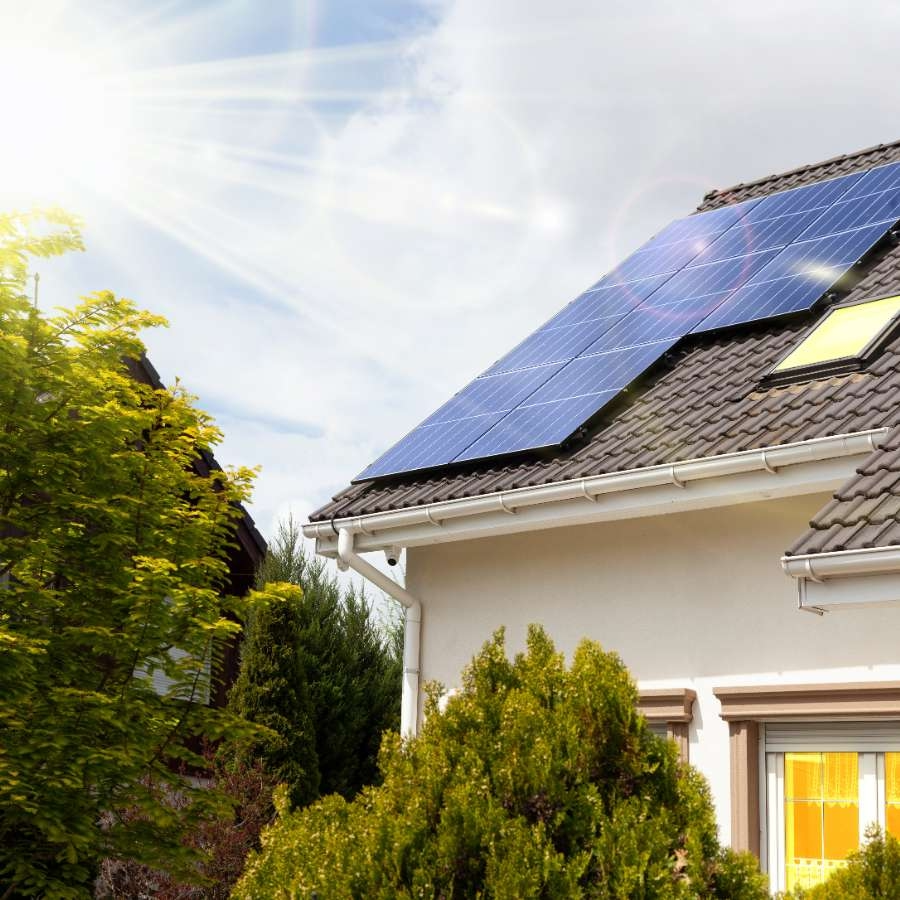
Solar panels are the heart of your 18 kWh solar system, and their ability to capture sunlight directly impacts power generation. You can maximize your benefits by adjusting the following three aspects:
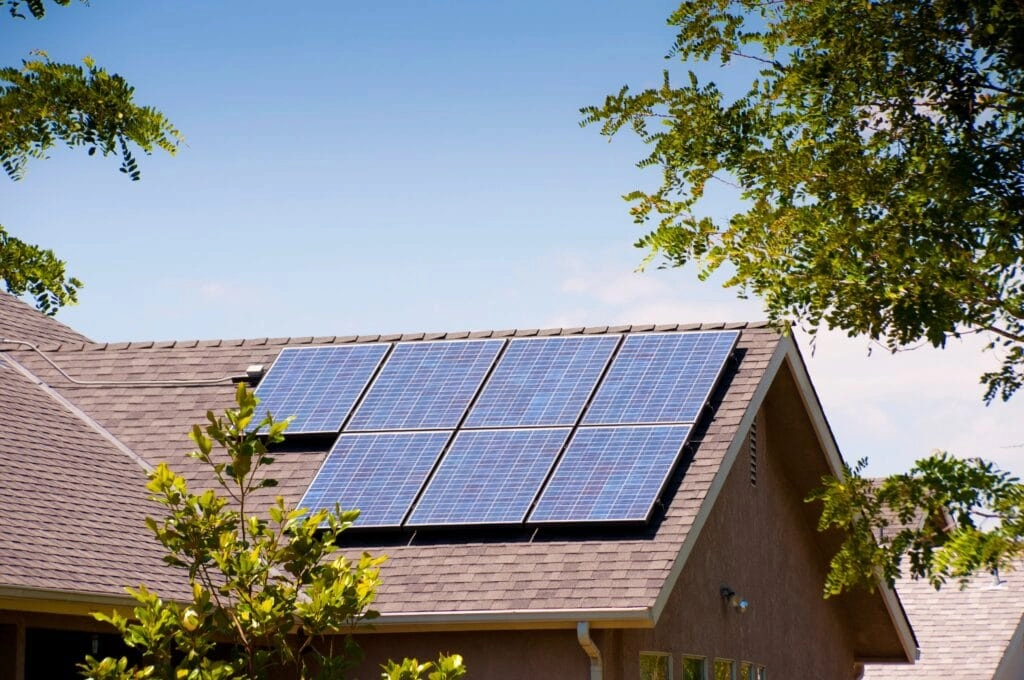
1. Optimize Orientation In the United States, solar panels should be oriented due south (180° azimuth) to maximize sunlight absorption. Even a 15° deviation (e.g., facing southeast or southwest) can reduce power generation by 8% to 12%. You can use a compass app to verify – the deviation between true south and magnetic south is between 5° and 15°, depending on your location.
2. Set the appropriate tilt angle.
The tilt angle (the degree to which the panel is tilted) should match your latitude, with an error margin of ±15°. For example, Northern states (e.g., New York, latitude 40–45°): Tilt 35–50°. Southern states (e.g., Arizona, latitude 30–35°): Tilt 25–40°.
Adjust according to the season: Increase the panel tilt angle by 15° in winter (to capture lower sunlight) and decrease it by 15° in summer.
3. Regularly Clean Your Solar Panels
Dirty solar panels are a leading preventable cause of low power generation. Dust, bird droppings, or fallen leaves can block sunlight, and cleaning them every 3-6 months can restore 15-20% of the lost power.
Cleaning Method: Use a soft-bristled brush, mild soap, and water. Avoid using abrasive materials or a pressure washer.
Tune Your 18 kWh Solar System Inverter for Maximum Conversion Efficiency
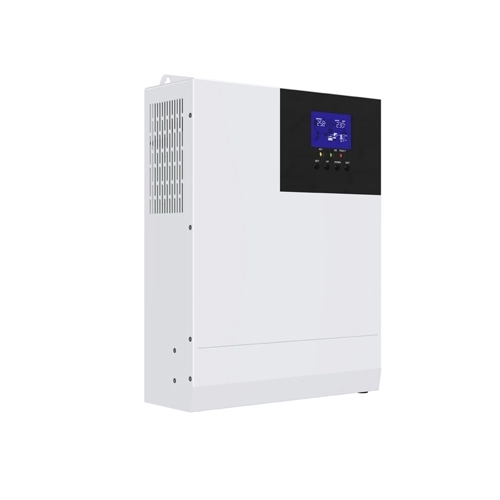
The inverter converts the direct current (DC) from solar energy into usable alternating current (AC)—even the best solar panels won’t perform at their peak unless optimized. For an 18 kWh solar system, focus on these three inverter tuning adjustments:
1. Ensure the Inverter Size is Appropriate
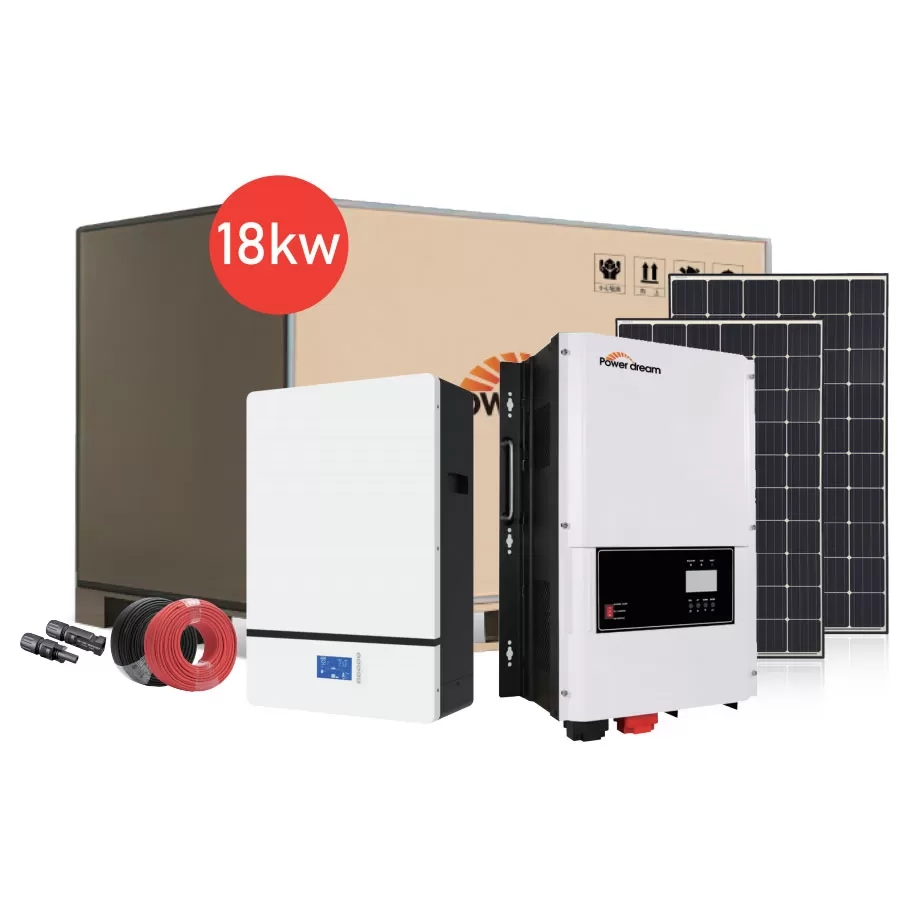
An 18 kWh solar system (DC capacity) requires an inverter rated at 15-18 kW, resulting in a DC/AC ratio of 1.0-1.2, ideal for balancing power generation and avoiding power clipping.
Inverter Undersized: Cuts off excess power during peak sunlight—resulting in a 5-10% power loss. Output power.
Oversized inverter: Wastes energy in standby and operates less efficiently.
2. Update firmware and adjust settings. Inverter firmware updates can fix bugs, improve efficiency, and add features to enhance output. Most modern inverters (including PowerDream products) allow you to update firmware via an app or web portal—quarterly updates are recommended.
Key settings to check: Maximum Power Point Tracking (MPPT): Ensure MPPT is enabled.
Grid voltage limit: Set it to your utility’s voltage range to prevent the inverter from shutting down.
Temperature derating: Enabling this feature adjusts output at extreme temperatures (panel output decreases above 104°F).
3. Monitoring Inverter Faults
Use the inverter’s application or monitoring panel to check for errors that may be causing reduced output. Common mistakes include: loose DC/AC connections, overheating, and grid frequency deviation.
Shading Solutions – Eliminating Hidden Power Losses
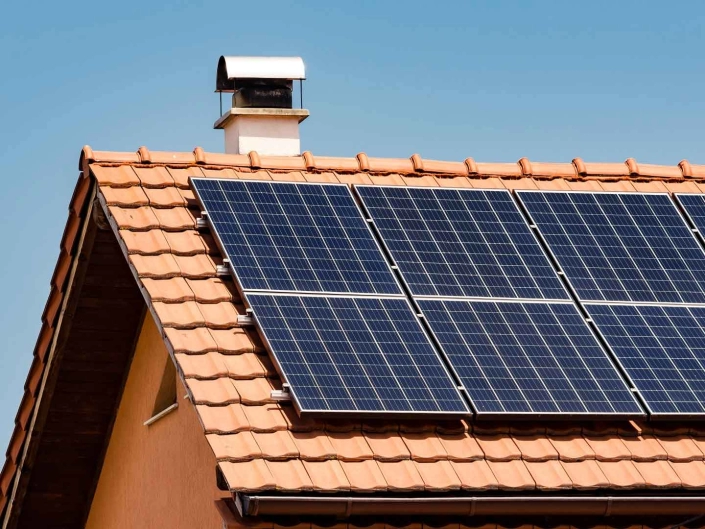
Shading is the hidden killer of solar power – even small obstacles can reduce the power output of an 18 kWh system by 20% to 50%. Trees are the most common culprit; prune branches that block solar panels during the sun’s strongest hours. For large trees, consider removing them if they block more than 10% of the solar panels. If shading is unavoidable (e.g., chimneys on the roof), move the solar panels to an unshaded area. For an 18 kWh system with multiple solar panels, use a series layout to isolate shaded panels—this prevents a single shaded panel from dragging down the entire string’s performance.
Off-grid solar system tip: Use microinverters instead of string inverters. Microinverters can optimize each panel individually so that a shaded panel won’t affect the others. Alternatively, use panels with anti-reflective coatings to reduce glare and absorb more sunlight in low-light or partially shaded environments.
Wire and connection checks—fixing hidden problems
Loose, damaged, or undersized wires can create resistance, “stealing” energy from your 18 kWh solar system. These checks take about 30 minutes and typically restore 5-10% of the output power.
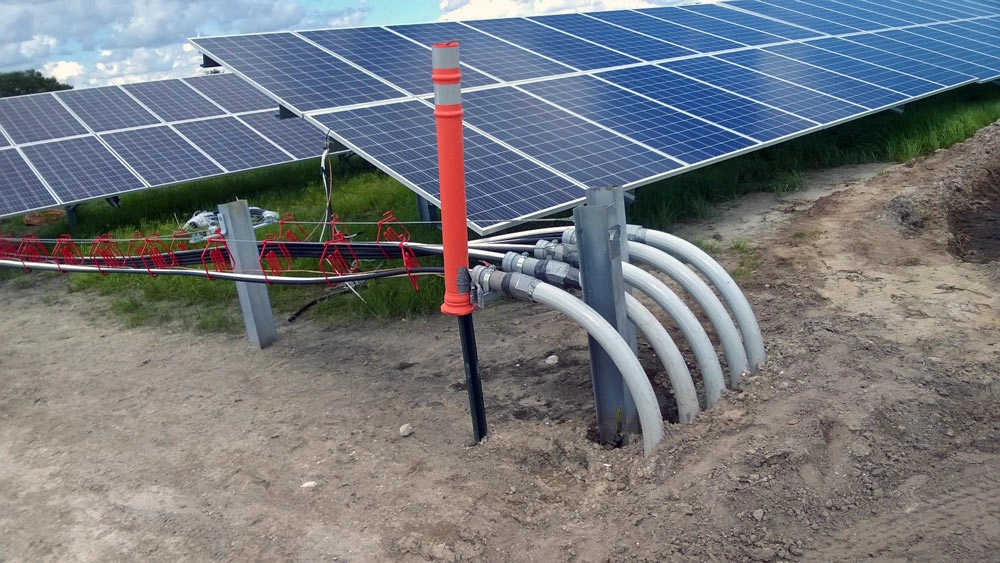
For an 18 kWh solar system, DC connections should use 10 AWG (US wire gauge) wire, and AC connections should use 8 AWG wire. AWG wire. Using wires that are too thin increases resistance, thus reducing voltage and output power. During inspection, check the wire insulation; the gauge is printed on the side of the wire. Additionally, tighten connections; vibrations caused by wind or temperature changes can loosen terminals. Use a torque wrench to tighten the DC/AC terminals to the manufacturer’s specified torque value. Also, inspect for damage, including worn wires and cracked or corroded insulation. Damaged wires should be replaced immediately; they pose a fire hazard and reduce output power.
Making Your 18 kWh Solar System Get More Energy
Low power output from an 18 kWh solar system is not inevitable. By specifically adjusting panels, optimizing the inverter, addressing shading issues, and inspecting the wiring, you can recover 10% to 30% of your power loss, saving hundreds or even thousands of dollars annually.
These adjustments are especially critical for off-grid solar systems—they ensure a reliable power supply without relying on a backup generator. PowerDream’s high-efficiency solar panels, smart inverters, and technical support team are designed to maximize your 18 kWh. The system’s output power is essential, but the adjustment methods described in this article give you better control over it.