Using a commercial storage system to reduce peak electricity demand: reducing energy costs by 30%
In some large businesses or enterprises, electricity consumption can spike in just 15 minutes when refrigeration equipment, air conditioning, and point-of-sale systems are running at full speed, triggering high utility charges and increasing monthly electricity bills several times over. A survey showed that 72% of commercial electricity bills include peak-hour charges, accounting for 30% to 50% of total costs. For businesses with fluctuating and high energy demands, such as warehouses, retail stores, and manufacturing plants, these costs represent a significant financial burden. Therefore, installing a commercial storage system can reduce peak-hour electricity costs. As a professional solar product manufacturer, we can also tell you how our energy optimization platform can achieve energy savings of over 30%.
What are peak-hour charges? Why do they waste so much money?
During peak-hour charges, unlike residential users who pay per kilowatt-hour (kWh) of electricity consumption, utility companies charge commercial customers two main fees:
1. Energy Fee: The fee per kilowatt-hour of electricity consumed.
2. Peak Demand Charge: This is a charge based on the 15-30 minutes of peak electricity consumption your business experiences during the month (in kilowatts (kW)). It is a way for utility companies to compensate for the cost of maintaining grid capacity to cope with sudden peak electricity demand.
The problem is: Peak demand charges are costly, typically $15-40 per kilowatt. For a manufacturing plant with a peak consumption of 100 kilowatts, this translates to an extra $1,500-$4,000 per month. These peaks are often avoidable: peak electricity consumption in retail stores occurs around 10 am, when employees turn on lights and cash registers; in warehouses, it occurs around 2 pm, when forklifts and refrigeration systems run simultaneously.
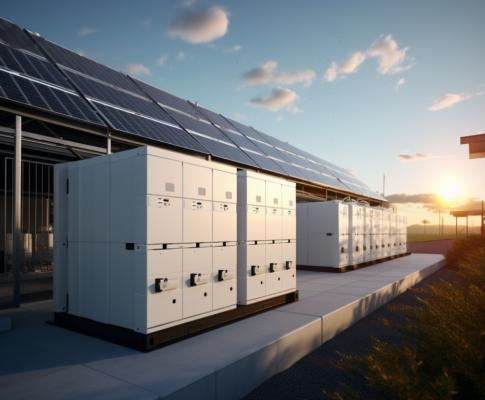
Most businesses are unaware of the significant waste caused by high peak-hour electricity charges, which is precisely where commercial storage systems excel. They act as a “demand buffer,” storing cheap energy during off-peak hours and using it during peak hours, thus keeping electricity consumption below the threshold that triggers high charges. It not only reduces your electricity consumption but also slows it during peak electricity pricing periods.

Commercial Storage System: How Peak Shaving Reduces Costs by Over 30%
The core value of a commercial storage system lies in “peak shaving,” which matches your energy usage with the lowest possible utility costs.
1. Off-Peak Charging: The system draws power from the grid during off-peak hours. PowerDream’s batteries efficiently store this energy, with a round-trip efficiency of over 92% (virtually no energy loss during storage).
2. Peak Discharge: When your business demand begins to rise (e.g., retail at 9 am, manufacturing at 1 pm), the commercial storage system automatically releases stored energy to power your operations. This keeps your grid consumption below historical peak levels, avoiding hefty demand charges.
3. Real-Time Adjustment: Unlike basic energy storage systems, PowerDream’s platform monitors your electricity consumption in real time. In the event of a sudden surge, the system increases discharge within milliseconds, ensuring your consumption remains below peak thresholds. Peak shaving and valley filling are not about reducing energy consumption, but about using energy more intelligently. Commercial storage systems allow you to “shift” your electricity usage to periods with lower electricity prices, thus making power company pricing models unfavorable to them.
PowerDream Commercial Storage System Optimization Platform
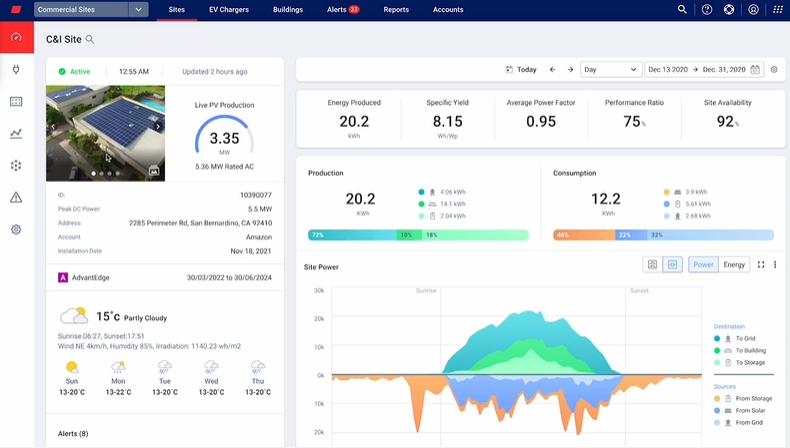
The performance of a commercial energy storage system depends on the software that determines when to charge, discharge, and adjust. PowerDream’s energy optimization platform stands out for using dynamic algorithms and real-time data to maximize energy savings, not just basic scheduling.
The platform connects to your business’s smart meters, solar inverters (if any), and building management systems (BMS) to obtain usage data every second. It also integrates with local utility data to track real-time energy prices and demand periods. Furthermore, unlike static systems that follow fixed schedules, PowerDream’s algorithms learn your business’s operating patterns over time.
Suppose your business has an on-site solar system. In that case, the platform prioritizes a “self-consumption” model—using solar power first, storing excess electricity in batteries, and drawing power from the grid only when necessary. This eliminates your dependence on grid power during peak hours. Better ensure your commercial energy storage system always operates at peak efficiency, saving you money while protecting battery life.
Customized Commercial Energy Storage Solutions for All Businesses
Each business has different energy needs. Supermarkets experience peak electricity demand from refrigeration equipment, while data centers experience peak demand from servers. PowerDream’s commercial energy storage systems are customizable and offer tailored solutions for three common industry categories:
1. Retail and Grocery
Key Challenges: Peak electricity demand from refrigeration, lighting, and POS systems. Solution: 50-150kWh commercial storage systems with a “refrigeration priority” mode—ensuring continuous power to refrigeration systems while mitigating peak demand.
2. Manufacturing and Warehousing
Key Challenges: Peak electricity demand from machinery, forklifts, and HVAC systems. Solution: 100-500kWh systems with fast-response discharge capabilities (1 millisecond) to handle sudden power surges.
3. Healthcare and Data Centers
Key Challenges: Sustained high electricity demand + backup power requirements. Solution: 200-1000kWh energy storage systems equipped with a “resilient mode” for peak shaving during regular operation and automatic backup power activation during grid failures.
We will first review your electricity usage over 2-4 weeks, then design a suitable energy storage system based on your peak demand, budget, and unique business needs.
ROI and Long-Term Savings: Beyond Peak Shaving
Business owners often ask, “Is a commercial energy storage system worth the upfront cost?” The answer is yes—using PowerDream systems, most customers recoup their investment in about 5 years, and the cost savings continue to increase over time. Let us analyze the key figures for a 100kWh system in detail:
– Upfront Costs: $80,000 to $100,000 (including hardware, installation, and platform usage rights).
– Monthly savings: $1,500 to $2,500 (based on a demand charge of $25 per kilowatt-hour and a 30% reduction in total costs).
– Annual savings: $18,000 to $30,000.
– Payback period: 3-5.5 years.
However, the cost savings go far beyond peak shaving. PowerDream’s commercial storage system enables grid services that encourage businesses to feed stored energy back into the grid in emergencies. Additionally, there are tax incentives that reduce initial costs.
Reducing Peak Demand
Peak electricity costs don’t have to be a fixed cost for your business. Commercial storage systems—especially those powered by the PowerDream Energy Optimization Platform—can turn these hidden costs into savings, reducing your electricity bill by 30% or more. Beyond cost savings, PowerDream systems enhance grid resilience (protecting you from power outages), unlock tax incentives, and even allow you to profit from grid services.