Several key features to look for when purchasing a solar panel roof mount
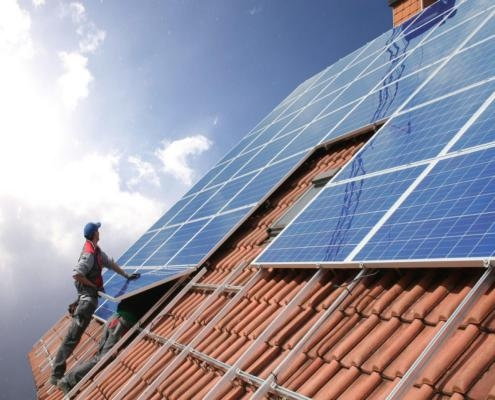
When installing a solar power system, the most critical yet often overlooked component is the solar panel roof mount. The rooftop solar panel mounting system not only securely holds the solar panels in place but also plays a vital role in ensuring the overall efficiency, durability, and longevity of the solar power system. Whether you’re installing solar panels for your home or business, choosing the right solar panel mounting system will maximize energy production and ensure your solar product lasts for years to come.
Material Quality and Durability of Solar Panel Roof Mount
One of the most important factors when choosing a solar panel roof mount is its construction material. Solar panel roof mountings and mounting systems must be made of high-quality, corrosion-resistant materials to withstand the harsh environmental conditions they may be exposed to. Common materials for solar panel roof mounting include aluminum, stainless steel, and galvanized steel, all of which are recognized for their strength and resistance to corrosion.
Aluminum is popular for its lightweight properties, rust resistance, and exceptional durability. While slightly heavier, stainless steel offers outstanding rigidity and resistance to extreme weather conditions, making it ideal for areas subject to strong winds or heavy rainfall. Galvanized steel, coated with a protective zinc layer, is also corrosion-resistant, making it a cost-effective alternative. Therefore, when choosing a solar panel roof mount, it’s essential to ensure the material is suitable for your area’s specific weather conditions, as this will directly impact the long-term reliability and stability of the installation.
Roof Compatibility and Installation Flexibility
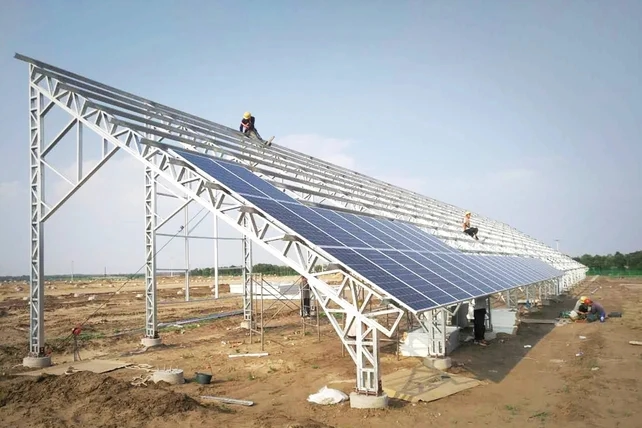
Every roof is unique, so when choosing a solar panel roof mount, it’s essential to ensure it’s compatible with your roof type. Whether your roof is flat, pitched, or metal, choosing a solar panel roof mount system tailored to your specific needs is crucial. Alternatively, you can choose a versatile mount that’s compatible with multiple roof types, ensuring a secure installation without compromising the roof’s integrity.
Flat roofs often require adjustable mounts to tilt the solar panel to the optimal angle for sunlight exposure. On the other hand, pitched roofs may require mounts that align more easily with the slope. Mounts for metal roofs should utilize specialized mounting solutions to ensure a secure system that prevents leaks and damage to the roof surface. These types of rooftop mounts should be easily adjustable in tilt and angle, ensuring maximum solar energy absorption throughout the day, thereby increasing the efficiency of your solar installation.
Ease of Installation and System Integration
When purchasing a solar panel rooftop mount, ease of installation is also a key consideration. A well-designed solar panel mount should be easy to install, even for professionals working in demanding environments. Therefore, choose systems that provide clear installation instructions, pre-assembled components, and adjustable accessories for a seamless installation process.
Furthermore, a solar panel rooftop mount should integrate seamlessly with other components of your solar power system, such as panels, inverters, and wiring. Some solar panel rooftop mounts are designed for specific panel brands, while others are more universal (you should consult your solar panel mount supplier for details). A solar panel rooftop mount that is easy to install, adaptable to various systems, and compatible with a range of panel types can save you time and simplify the installation process.
Adjustability and Flexibility of Solar Panel Rooftop Mounts
The angle at which installers mount solar panels significantly affects their efficiency. An easily adjustable solar panel bracket enables flexible tilting and reorientation of panels to optimize sunlight capture. By adjusting the tilt of your panels, you can ensure they’re in the optimal position to maximize energy production throughout the day, especially during seasonal periods when the sun’s angle fluctuates. Look for solar panel roof mounts with features like adjustable tilt and a swivel base for precise alignment with the sun. This feature is particularly valuable in areas with highly variable weather conditions and sunlight patterns. This adjustability can help you achieve maximum energy efficiency, optimizing the return on your solar system investment.
Weatherproofing and Protection from External Elements
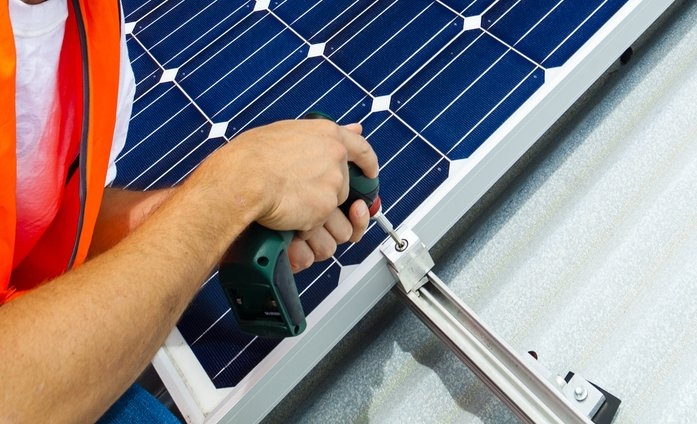
Since solar panel roof mounts are exposed to the elements year-round, weatherproofing is crucial. Ensure the mounts can withstand extreme weather conditions, such as strong winds, heavy rain, snow, and intense sunlight, without performance degradation or damage. Choose solar panel roof mounts with weather-resistant coatings and sealed components to protect them from corrosion, rust, and other environmental damage. In coastal areas, saltwater can accelerate rust and corrosion, so choose corrosion-resistant materials like stainless steel and aluminum. Additionally, solar panel mounts with sealed fasteners and integrated waterproofing can help prevent water intrusion and damage.
Making the Right Choice for Your Solar Panel Roof Mount
When purchasing a solar panel roof mount, consider several key factors, including material quality, compatibility with roof type, ease of installation, adjustability, weather resistance, cost-effectiveness, and aesthetic design. Carefully considering these factors will ensure that the solar panel roof mount provides stable, secure, and efficient support for your solar panels, optimizing their performance and lifespan.
Common Questions When Purchasing Solar Panel Brackets
Q1. How is a solar panel roof mount compatible with my roof?
A1: Contact us to review specifications and find out if a solar panel roof mount is suitable for your roof type (flat, pitched, or metal).
Q2. Can solar panel roof mounts withstand heavy snow and strong winds?
A2: Yes, most high-quality solar panel roof mounts are designed to withstand harsh weather conditions, including strong winds and heavy snow. For optimal durability, choose mounts with a high wind load rating and corrosion-resistant materials.
Q3. What is the best material?
A3: The best material is corrosion-resistant, such as aluminum or stainless steel. These materials offer strength and durability in a variety of environmental conditions.
Q4. Do I need a permit for installation?
A4: This will depend on your location. Please consult your local building department to ensure compliance with local regulations and zoning laws.

