What are the precautions when installing a hybrid solar inverter?
What precautions should be taken when installing a hybrid solar inverter? Industry data shows that improper installation of your hybrid solar inverter can reduce system efficiency by up to 15% and increase failure rates by 25%. Therefore, it is necessary to pay attention to relevant installation matters. The two most important points are to evaluate environmental factors and panel orientation, and to check local electrical codes and grid regulations. Our installers will follow these initial steps combined with practical phase data to ensure that their hybrid inverters provide reliable performance, maximize solar energy production, and integrate seamlessly with battery energy storage systems.
Select the optimal location for hybrid solar inverter installation
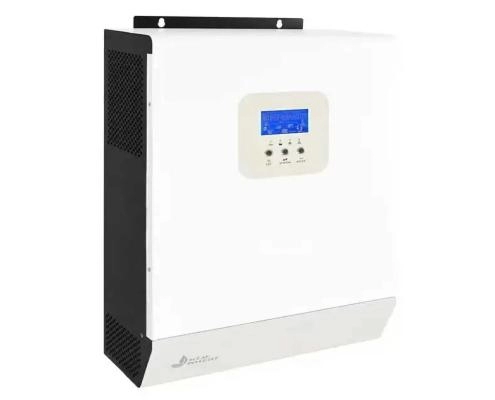
In the early stage of installation, we must determine the best installation location, which is critical for long-term reliability. Generally speaking, we will install the hybrid solar inverter in a calm and ventilated place, avoiding direct sunlight and rain; this helps prevent thermal derating and moisture intrusion. When installing, you will mount the inverter on the wall at eye level for easy operation, leaving a minimum of 6 inches of clearance on each side. At the same time, make sure that the mounting surface can support the weight and vibration of the inverter. A proper mounting location can reduce ambient temperature fluctuations, extend the service life, and ensure the hybrid inverter operates at its rated power. It is also necessary to avoid installing components in closed cabinets or areas prone to dust accumulation, as these locations can hinder heat dissipation and increase the likelihood of long-term component failure.

Ensure correct DC input wiring for the hybrid solar inverter
Proper DC wiring can protect the hybrid inverter and system components. You must use copper wires rated for photovoltaic applications, and you should determine their sizes using the NEC tables to handle the maximum current. Additionally, it is essential to pay attention to polarity and avoid reverse connections. When we perform installations, we install DC isolators upstream of the hybrid inverter to ensure safe maintenance and emergency shutdown. At the same time, thread the cables into UV-resistant conduits and secure them with suitable clamps to minimize mechanical stress. By paying attention to and following these wiring precautions, you protect the MPPT input of the hybrid inverter and keep the array performance optimal. Finally, verify all terminal torque settings using a calibrated torque wrench and ensure that you color-code all cables according to local standards to minimize the risk of overheating accidents.

Pay attention to integration with the AC grid and load circuits
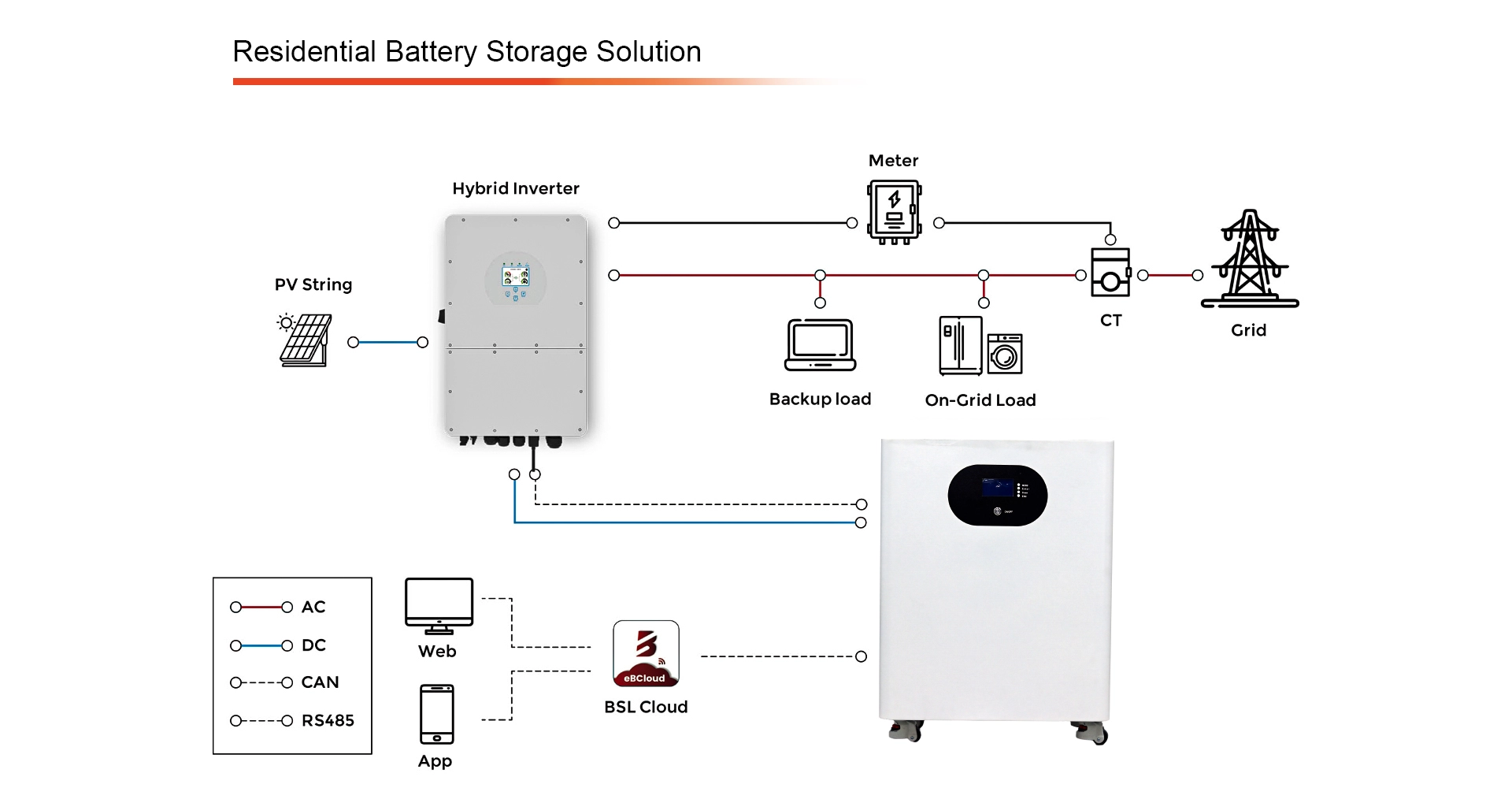
Integrating hybrid solar inverters with grid and load circuits requires precise configuration to ensure safety and compliance with relevant regulations. You must connect the AC output of the solar inverter to a dedicated circuit breaker in the main switchboard to prevent the risk of backfeeding. At the same time, anti-islanding protection is set according to UL 1741 and IEEE 1547 standards, and relay timing is verified. Additionally, single-phase or three-phase loads are balanced to prevent neutral overload. Proper AC integration ensures seamless switching between grid, solar, and battery power, protecting the safety of equipment and utility personnel. Additionally, installers will measure line and line voltages before commissioning to ensure the system is within tolerance.
Battery Bank Integration and Sizing
Proper battery integration can unlock the full benefits of hybrid solar inverters. In addition to matching voltage levels, the battery capacity should be configured to meet your off-peak and backup needs. During installation, it is necessary to ensure that the BMS communication cables are properly terminated and shielded to prevent data errors. Additionally, installers must leave sufficient space around the battery rack for ventilation and fire protection. By sizing and wiring the battery pack according to the inverter specifications, you can achieve stable charge/discharge cycles, extend battery life, and support high-quality energy storage operations. Always verify compatibility between the inverter firmware and the battery BMS at the time of installation, especially when integrating lithium-ion battery technology from third-party manufacturers.
Commissioning, Monitoring, and Maintenance
Performing comprehensive commissioning and continuous monitoring is the foundation for the success of any solar inverter installation. Generally, you need to perform an extensive functional test at the end of the installation to verify MPPT operation, AC coupling, and battery cycling. Of course, you can also integrate the hybrid inverter into your building management or SCADA system for real-time performance tracking. And set alarm thresholds for voltage, temperature, and fault codes, and schedule quarterly firmware updates. By emphasizing rigorous commissioning and proactive maintenance, your hybrid inverter will achieve peak efficiency, reliability, and a strong return on investment.
Ensure a successful installation.
Ensure the correct installation considerations for the hybrid solar inverter, including a careful site assessment, optimal mounting methods, accurate DC and AC wiring, precise battery integration, solid grounding, and comprehensive commissioning. As a solar system manufacturer, we adhere to these industry standards to install hybrid solar installations that are safe, efficient, and resilient, meeting your energy needs.
FAQ: Hybrid solar inverter installation precautions
1. What is the ideal location for installation?
The ideal installation location is a cool, dry, and well-ventilated space. We recommend installing the inverter on the wall at eye level with at least 6 inches (about 15 cm) of clearance on both sides. Avoid installing in closed cabinets or narrow corners to prevent overheating.
2. Can the hybrid inverter be connected directly to the grid and the load center at home?
Yes, but you must comply with electrical codes. Connect the AC output to a dedicated circuit breaker on the main switchboard, configure anti-islanding protection, and synchronize the voltage and frequency with the utility grid. Additionally, balance the single-phase or three-phase loads to prevent voltage sags or overloads.
3. What type of battery is best for a hybrid inverter?
Hybrid inverters are generally compatible with lithium-ion batteries, lead-acid batteries (AGM/gel batteries), and some are also compatible with lithium iron phosphate batteries. You need to choose a battery that matches the inverter’s rated voltage and supports its BMS protocol.
4. How long is the service life?
High-quality hybrid solar inverters typically have a service life of 10-15 years, but some high-end models can even exceed 20 years if properly maintained. Factors such as ambient temperature, system size, and surge protection can affect service life and reliability.