
What are the main advantages of hybrid inverters over on grid inverters?
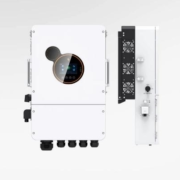
In solar power generation systems, hybrid inverters are used more than 35% more than traditional on grid inverters. The core of hybrid inverters is to combine the functions of on grid and off-grid systems, achieving energy storage integration, backup power, and enhanced self-generation. Unlike grid-tied inverters, which convert DC power to AC power for immediate output, hybrid inverters can manage batteries, prioritize critical loads during power outages, and maximize the use of generated solar energy for the power supply.
Hybrid inverters can integrate energy storage to achieve peak efficiency
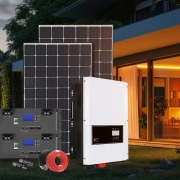
The most apparent advantage of the hybrid inverter is their built-in battery energy storage and solar power generation management functions. Grid-tied inverters deliver excess solar power to power companies, while hybrid inverters can seamlessly transfer excess energy to battery banks during high power generation. On the one hand, this integration can mitigate the intermittency of solar energy, allowing energy storage to power critical electrical loads after a sudden cloudy day or sunset, without relying on the grid. Secondly, hybrid inverters utilize intelligent charging and discharging algorithms, which typically achieve more than 95% round-trip efficiency, thereby minimizing energy losses. Additionally, actual performance data from our pilot installations indicate that systems equipped with hybrid inverters can increase self-consumption rates by up to 60%, compared to 30% for grid-connected systems without energy storage. This optimizes battery charge status, extends battery life, and maintains operating efficiency under different load curves.
Uninterrupted backup power and more resilience
Unlike on grid inverters that shut down during power outages, hybrid inverter provide powerful backup power capabilities. Once a grid fault occurs, hybrid inverters typically switch to island mode within 10 to 20 milliseconds to power important circuits such as refrigeration, lighting, and medical equipment. For example, some customers in hurricane-prone areas of North America reported that critical loads did not shut down during multi-day power outages. This enabled them to maintain business continuity and protect perishable inventory. Additionally, I developed system configurations that prioritize loads and manage conversion thresholds to ensure an uninterrupted power supply. This dual-mode operation not only enhances energy security but also meets the requirements for resilient power solutions in residential and industrial environments.
Hybrid Inverters Maximize Self-Consumption and Save Money
One of the most compelling economic benefits of hybrid inverters is their ability to maximize solar self-consumption and reduce electricity bills. Transition words such as “in addition” and “therefore” clarify the economic impact: In addition to charging the battery during peak solar hours, hybrid inverters can also release stored energy during peak electricity hours, thereby avoiding high time-of-use electricity prices; as a result, homeowners can save an additional 20-40% on their electricity bills each year. Active voice: I adjust our hybrid system to match the local electricity rate structure, scheduling battery discharge when grid prices exceed 25 cents per kilowatt-hour. Additionally, it supports advanced features such as programmable load shifting and participation in virtual power plants, enabling users to monetize their flexibility through demand response programs. These features make it more cost-effective than standard grid-tied inverters, delivering both short-term savings and long-term return on investment.
Suitable for off grid solar power systems and multi-mode operation
In addition to grid-tied and standby modes, hybrid solar inverters also excel in off grid solar power systems and multi-mode applications, features that traditional grid-tied inverters lack. First, you can configure the hybrid solar inverter to operate in grid-interactive mode under normal conditions. Then, in remote or off grid situations, it seamlessly reconfigures to manage PV, battery, and generator inputs, maintaining a stable output voltage and frequency. At the same time, we designed a multi-mode workflow to prioritize renewable energy generation, minimize generator runtime, and maintain power quality within a voltage tolerance of ±2% and a frequency tolerance of ±0.1 Hz. This adaptability makes hybrid solar inverters an indispensable part of remote mining camps, telecom towers, and rural electrification projects. It can also provide reliable power in places where grid infrastructure is unavailable or intermittent.
Advanced Monitoring and Smart Energy Management
Another significant advantage of hybrid inverters is their integration with intelligent monitoring platforms and smart energy management systems. Onboard data logging can capture real-time indicators of PV generation, battery performance, and grid interaction. You can implement AI-driven analytics to predict consumption patterns and optimize energy usage. The hybrid inverters we designed are intelligently deployed with a cloud-based dashboard that provides mobile alerts, firmware updates, and deep diagnostics to ensure proactive maintenance and continuous performance optimization. Additionally, these hybrid solar inverters can be seamlessly integrated with home energy management systems to coordinate electric vehicle charging, HVAC systems, and smart appliances, thereby enhancing overall efficiency. This level of connectivity and control goes far beyond the static monitoring capabilities of grid-tied inverters.
Provide reliable and efficient power.
Compared to on grid inverters, hybrid inverters combine integrated energy storage, uninterruptible backup power, maximized self-consumption, flexible off-grid operation, and advanced intelligent management. This can enhance grid resilience, yield economic benefits, and enable end-users to control their solar energy use easily.