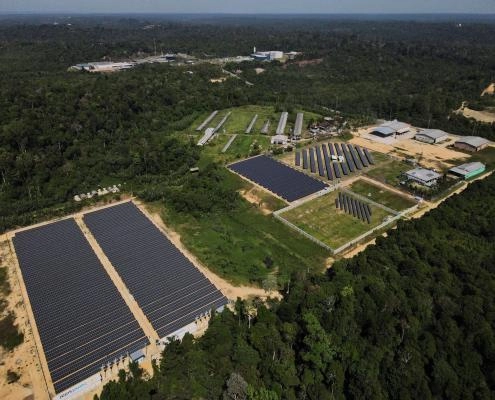
Solar energy storage solution at Amazon rainforest research station
When it comes to powering a research station in the Amazon rainforest, traditional diesel generators pose significant logistical challenges: fuel must be transported through dense jungle trails, noise pollution disturbs wildlife, and greenhouse gas emissions impact the environment. Therefore, we proposed a sustainable solar energy solution that combines photovoltaic (PV) arrays with battery energy storage to provide reliable, quiet power. Before determining the solar energy storage solution, we evaluated the critical loads of the research station, including data servers, lighting, and communication systems. We determined a solar system that can meet nighttime needs and intermittent sunlight during the rainy season.
Solar Energy Storage Solution: Designing PV and Battery Systems
When designing an efficient solar energy storage solution for the rainforest environment, we selected bifacial PV modules suitable for tropical climates due to their sturdy frames and high moisture resistance. For example, we installed 7 kW bifacial PV modules with anti-reflective coating to improve power generation in the morning and afternoon. In addition, we utilized LiFePO₄ battery packs. We equipped them with hybrid inverters featuring built-in MPPT controllers to maximize solar energy collection and enable seamless switching between PV, batteries, and backup generators. At the same time, the system will prioritize nighttime solar power discharge and only switch to generator power when battery charge drops below 20%. This rugged design ensures the power station remains operational even in prolonged monsoon conditions.

How to cope with environmental challenges?
Deploying solar energy storage solutions in the Amazon rainforest means overcoming challenges such as extreme heat, humidity, and wildlife interference. Therefore, we installed the battery modules in an IP65-rated enclosure equipped with a climate control system to maintain an internal temperature between 20°C and 35°C, thereby optimizing performance. Workers coat all metal brackets and conduits with anti-corrosion coatings to prevent rust in humid environments. Additionally, we installed UV-resistant cable sheathing to avoid degradation from strong sunlight. At the same time, we route the lines away from wild animals to minimize the risk of bite damage. In addition, technicians must conduct weekly inspections of door seals, check for moisture infiltration, and verify sensor readings to ensure our sustainable solar energy solutions withstand the rainforest’s harsh environment.

Real-time monitoring and energy management in solar energy storage solutions
A significant advantage of Power’s dream solar energy storage solutions is the ability to utilize energy management software. We deployed a cloud-based monitoring platform that provides real-time dashboards of PV generation, battery charge status, and load consumption. The monitoring system immediately alerts station managers if battery voltage drops below a critical threshold. As a result, they can remotely initiate load reduction protocols to protect power to essential systems. Additionally, automated demand response scripts adjust non-critical loads, such as laboratory equipment or air conditioners, based on predicted solar input. Additionally, the system can configure custom performance reports as needed and email them daily to the technical team, enabling data-driven adjustments.
Integration with local microgrids and backup power
To maximize resiliency, the solar energy storage solution can be seamlessly integrated with the research station’s microgrid architecture. We connected the inverters to the existing diesel generator sets through load-sharing controllers, ensuring smooth switching during extended periods of cloudiness. We synchronized the phase angles of the inverters and generators to prevent surges. Additionally, we can program the solar system to operate the generator sets at optimal load only when necessary, thereby reducing fuel consumption by up to 80% per year. The microgrid also scales easily; operators can add solar or battery capacity as the research station expands. Coordinated microgrid testing and balanced power flow enable seamless switching.
Final commissioning, training and maintenance
The successful deployment of solar energy storage solutions requires not only hardware installation but also comprehensive commissioning, staff training, and preventive maintenance. After initial system testing, I was responsible for conducting training workshops for station technicians, covering routine inspections, troubleshooting and basic repairs. During commissioning, we conducted a full discharge test to verify the battery capacity. Following this, we provided a maintenance plan outlining monthly panel inspections, quarterly inverter firmware updates, and annual replacement of the cabinet’s HVAC unit air filters. The local team maintains a real-time digital maintenance log, ensuring transparency and accountability.
Bringing a sustainable energy supply to the Amazon Rainforest Research Station
The implementation of the solar energy storage solution at the Amazon Rainforest Research Station utilizes bifacial photovoltaics, lithium-iron-phosphate batteries, hybrid inverters, and anti-corrosion measures to construct a resilient and low-carbon power source. Additionally, remote monitoring and microgrid control enable 24/7 operation, minimizing the need for diesel backup power. For different users, we will provide customized solar energy solutions tailored to their specific needs, aiming to promote sustainability and enhance the efficiency of solar energy operations.