
How to Maximize Self-Consumption with an solar on grid system?
When installing a solar on grid system, users typically reduce their reliance on the utility grid by generating and utilizing solar energy on-site as much as possible. Maximizing self-use with a solar on grid system can not only reduce electricity bills but also reduce grid pressure and support cleaner energy use. We need to adjust household energy demand in response to solar power generation and evaluate typical daily load patterns. This can be achieved by utilizing strategies such as smart inverters and energy management tools, which can increase self-use and provide better control over on grid solar systems.
Energy audit of solar on grid system for effective load adjustment
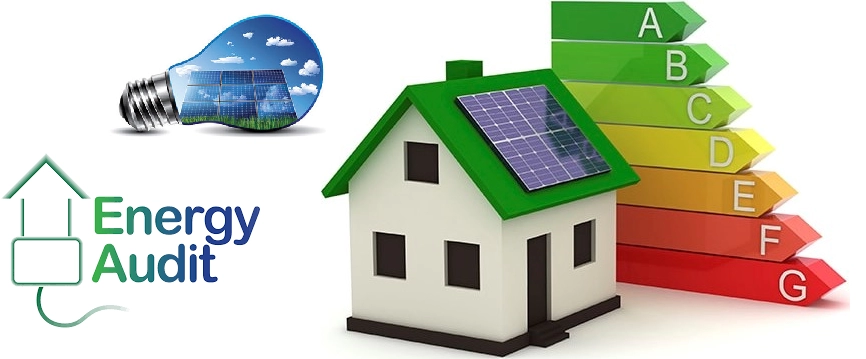
To maximize the self-use of solar on grid systems, conduct a comprehensive energy audit of your home or facility first. This reveals your electricity consumption and usage throughout the day, highlighting peak demand periods that may not align with the production curve of the solar array. For example, residential users often experience times when solar output is low or completely absent. By identifying high-energy-consuming appliances, you can plan targeted load shifts to reduce energy consumption.
Next, consider breaking down your electricity usage into critical loads and discretionary loads. Critical loads may have a higher priority than discretionary loads. By categorizing appliances, you can lay the foundation for intelligent scheduling, aligning electricity usage with the hours of sunshine. This ensures that the on grid solar system allows you to capture as much solar energy as possible every day.
Implement load shifting and intelligent scheduling.
Once you understand the energy situation, you can implement a load-shifting strategy to align high-energy-consuming tasks with peak solar production. Load shifting means running a dishwasher, washing machine, or electric car charger during the midday hours when solar panels generate the most electricity. This process is simplified through smart home controllers and programmable timers that automatically start appliances when there is sufficient solar energy. Additionally, the inverters in our on grid solar systems often include built-in load management functions, allowing you to set priority scheduling for key equipment and avoid exporting excess energy at low feed-in tariffs, thereby improving on-site utilization. Additionally, if you use other energy storage systems, shifting loads can also reduce battery losses. By rearranging your home’s energy use, you can increase your self-use level and get a higher financial return on your solar investment.
Integrating battery storage in solar on grid system
Battery energy storage is integrated into solar on grid systems, which can further increase self-use by capturing excess solar energy during the day for use at night. Without a storage system, any excess power generated by your solar panels over your current needs may be delivered to the grid at a lower compensation rate. By selecting a battery bank of the right capacity based on your nighttime load profile, you can store excess power and use it during peak nighttime hours, effectively narrowing the gap between solar power generation and home demand. Our on grid solutions use lithium-ion batteries to enable hybrid operation in your inverter. As a result, you can gain greater energy independence and stabilize your electricity costs regardless of time-of-use electricity prices.
Leveraging smart inverters and energy management
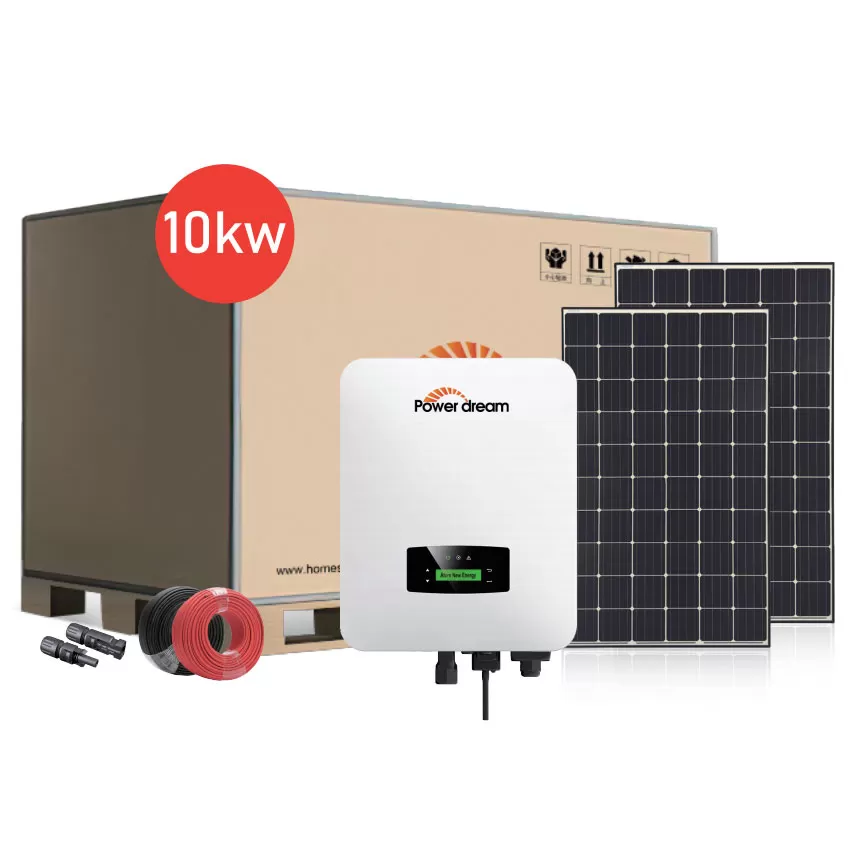
Smart inverters play a key role in optimizing self-consumption in solar on grid systems. By maintaining communication between the solar array, battery energy storage system, and home energy management system, smart inverters can dynamically adjust power flow in real-time. For example, if clouds suddenly reduce panel output, the inverter can consume minimal grid power while signaling non-critical loads to delay activation. Additionally, the home energy management system dashboard provides actionable insights, displaying current solar power generation, battery charge status, and appliance-level power consumption, allowing you to override or fine-tune settings manually. Therefore, by leveraging the intelligence of inverters and energy management platforms, you can minimize grid input.
Monitoring, maintenance, and continuous optimization
Maintaining a high self-consumption rate requires continuous monitoring and regular system tuning. You can regularly check the performance data of the solar on grid system, track daily power generation compared to power consumption, and adjust the load plan according to the season when abnormal conditions are detected. For example, with shorter daylight hours in winter, you may need to change the operation time of the water heater or pool pump to maximize solar power generation. Operators must perform daily maintenance, including updating inverter firmware and verifying battery health via charging status logs. They can also configure automatic alerts to quickly address performance issues, shading, PV panel failures, or inverter faults.
Maximizing energy self-consumption
Maximizing self-consumption with solar on grid systems can begin with a detailed energy audit, followed by strategic load shifting, integrating battery energy storage systems, and utilizing smart inverters and energy management tools to their full potential. By aligning your home energy consumption with solar power generation, you can reduce your dependence on grid power, lower your electricity bills, and contribute to a cleaner energy ecosystem.